Table of Contents
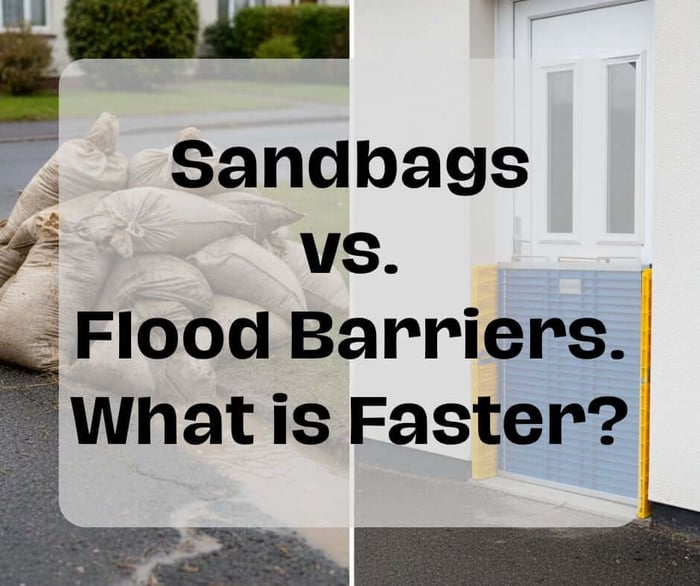
Sandbags have been the go-to choice for homeowners in flood-prone areas for decades, but as weather patterns change, many people are asking if there is a better way to protect their property. When the clouds turn grey and the news alerts start flashing, every second counts. You need to know: if a flash flood hits your street tonight, can you stop the water in time?
In this guide, we will compare traditional sandbags with modern portable flood walls and reusable flood barriers. We will look at speed, cost, and effort to help you decide which one will keep your home dry in 2026.
The Reality of Flooding in 2026
Flooding is no longer a "once in a lifetime" event. From the coastal homes in Florida and South Carolina to the river towns in the UK like Shrewsbury or Worcester, water damage is a constant threat. In Australia, residents in Lismore and Western Sydney know all too well how fast a "dry" creek can turn into a rushing river.
When the water rises, you have two choices: use what your grandfather used, or use new technology.
1. Speed of Deployment: The Race Against the Clock
When a storm warning is issued, you usually have a few hours—sometimes only minutes—to act.
The Sandbag Struggle
Sandbags are heavy. A single sandbag weighs about 18kg to 22kg (40-50 lbs). To protect a standard front door, you need at least 20 to 30 bags.
- The Math: You have to buy the bags, find a source of sand, fill them, tie them, and stack them.
- The Time: It takes two people about an hour to properly fill and stack enough bags for one door. If you live in a flood-prone area like Hull in the UK or Brisbane in Australia, you might not have that kind of time.
The Flood Barrier
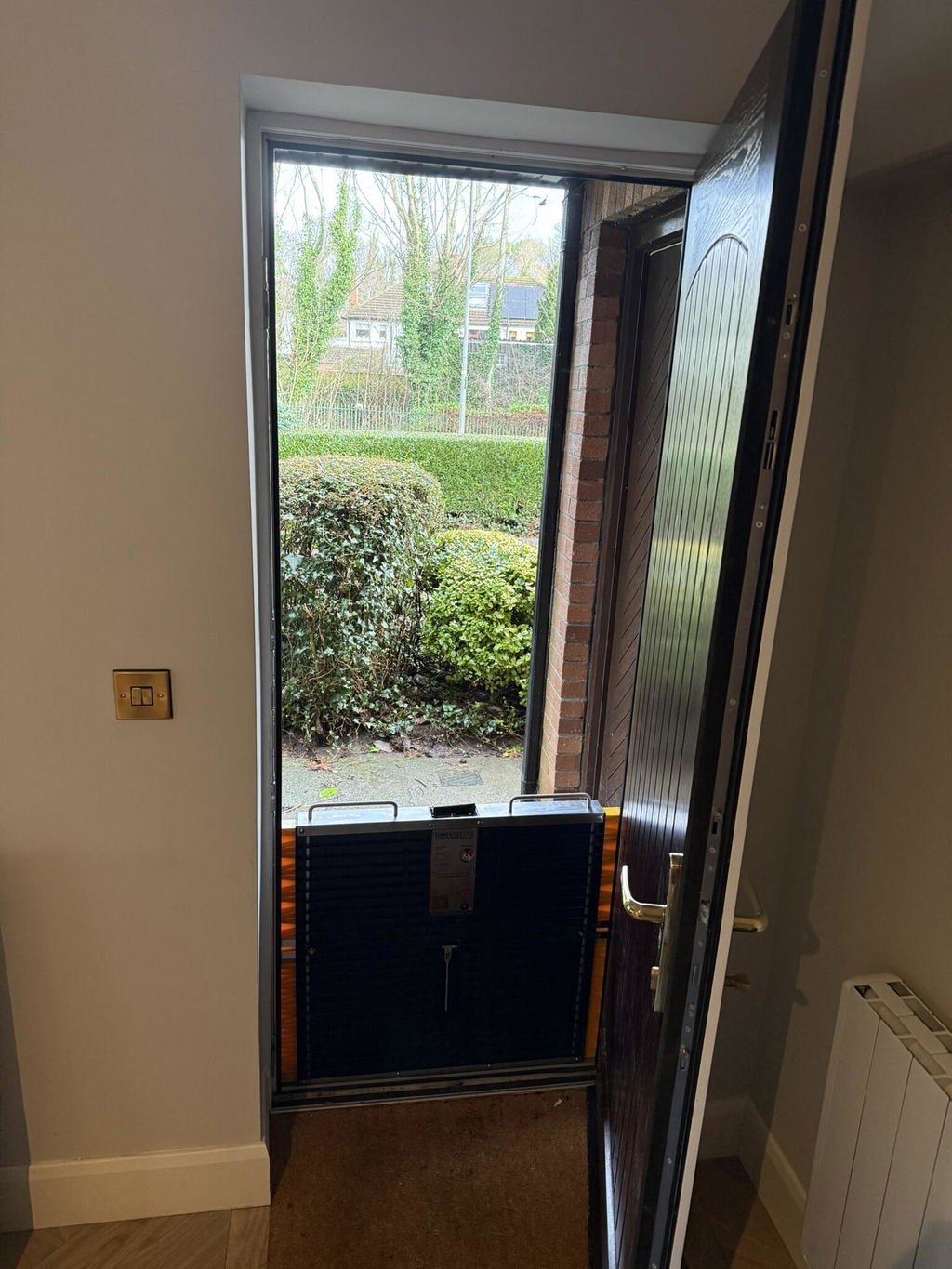
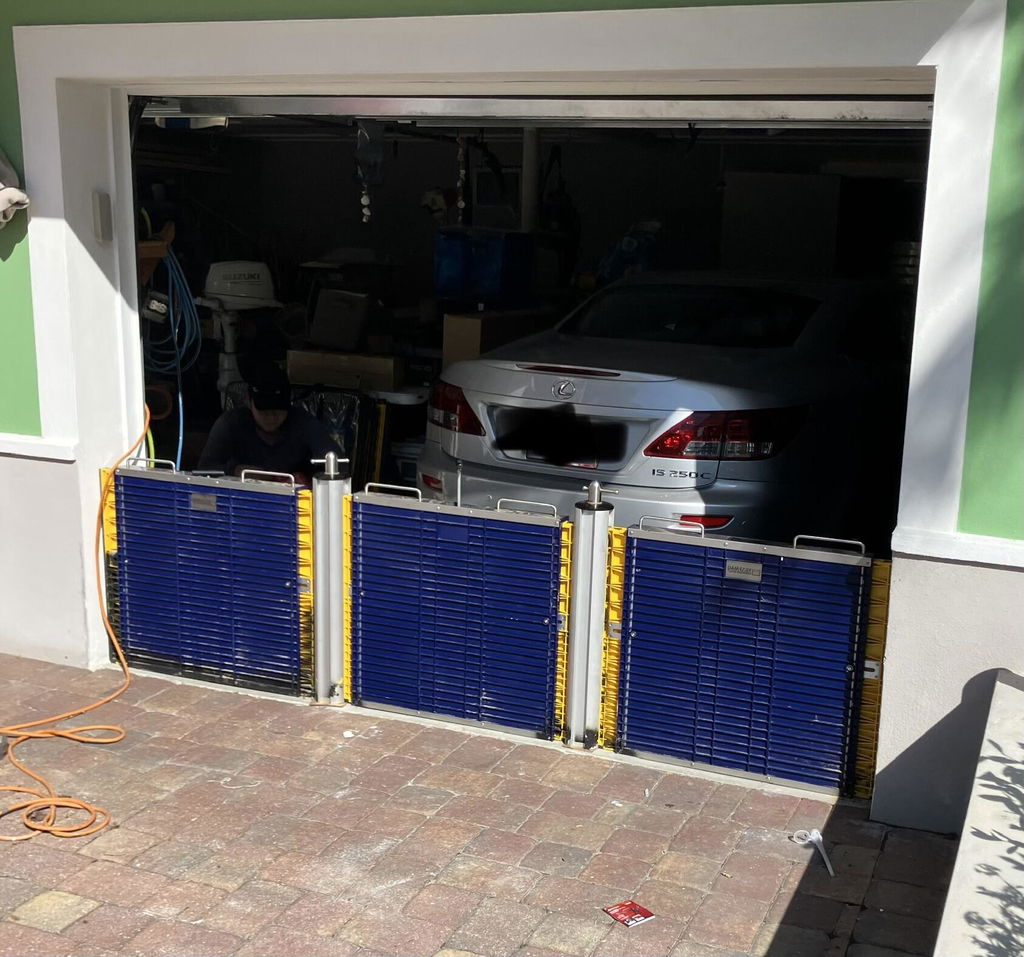
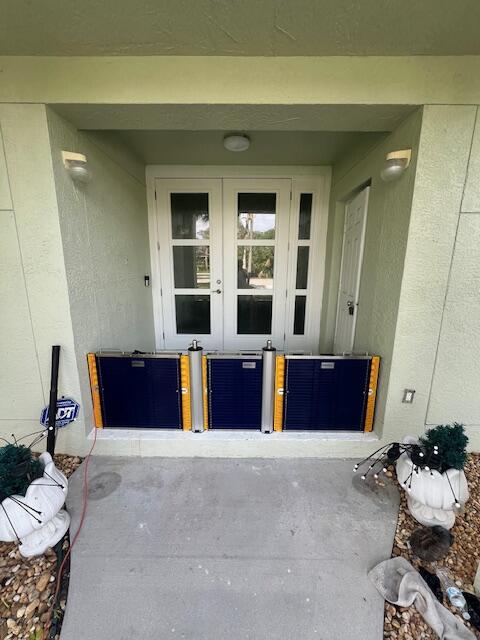
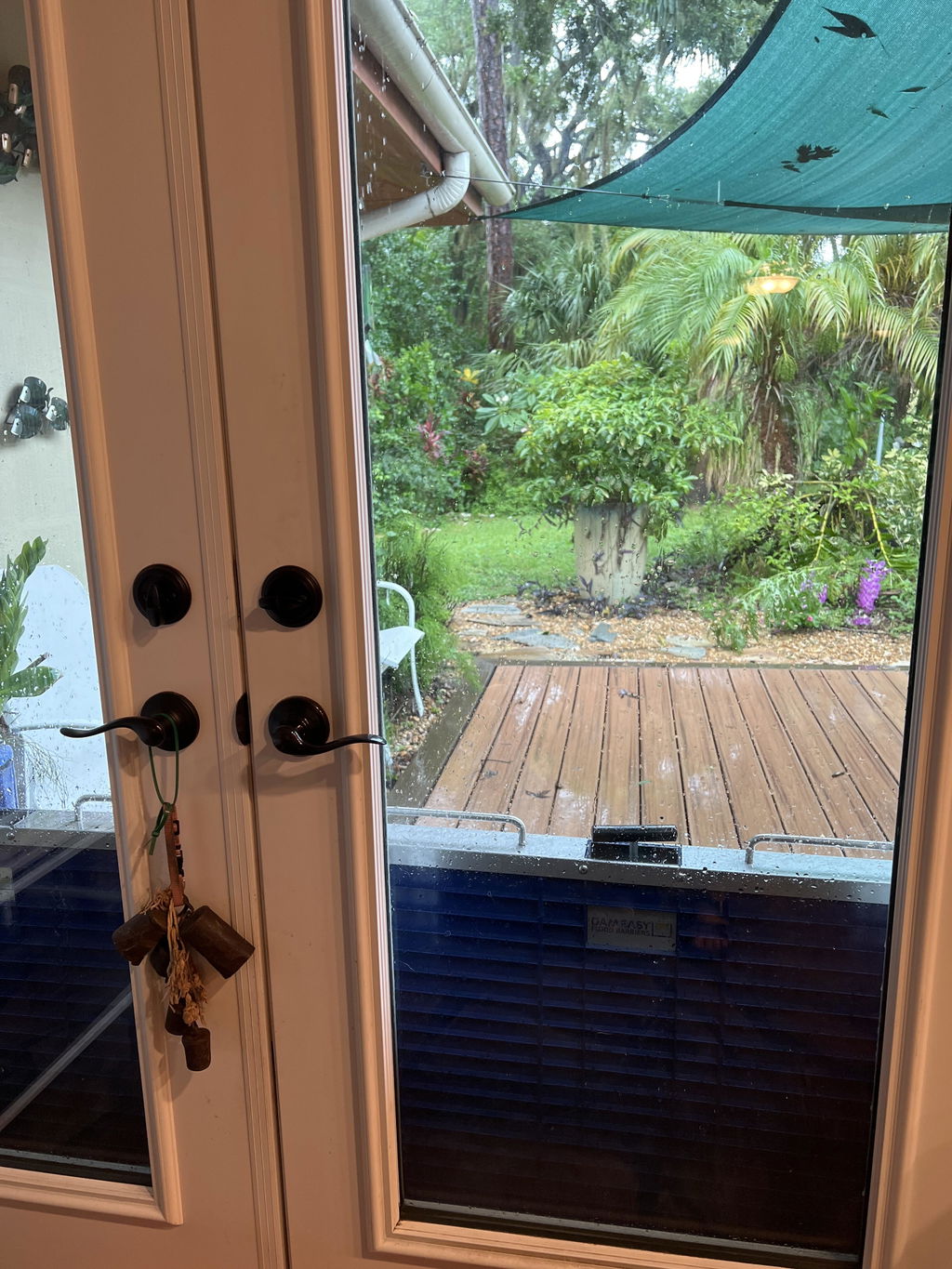
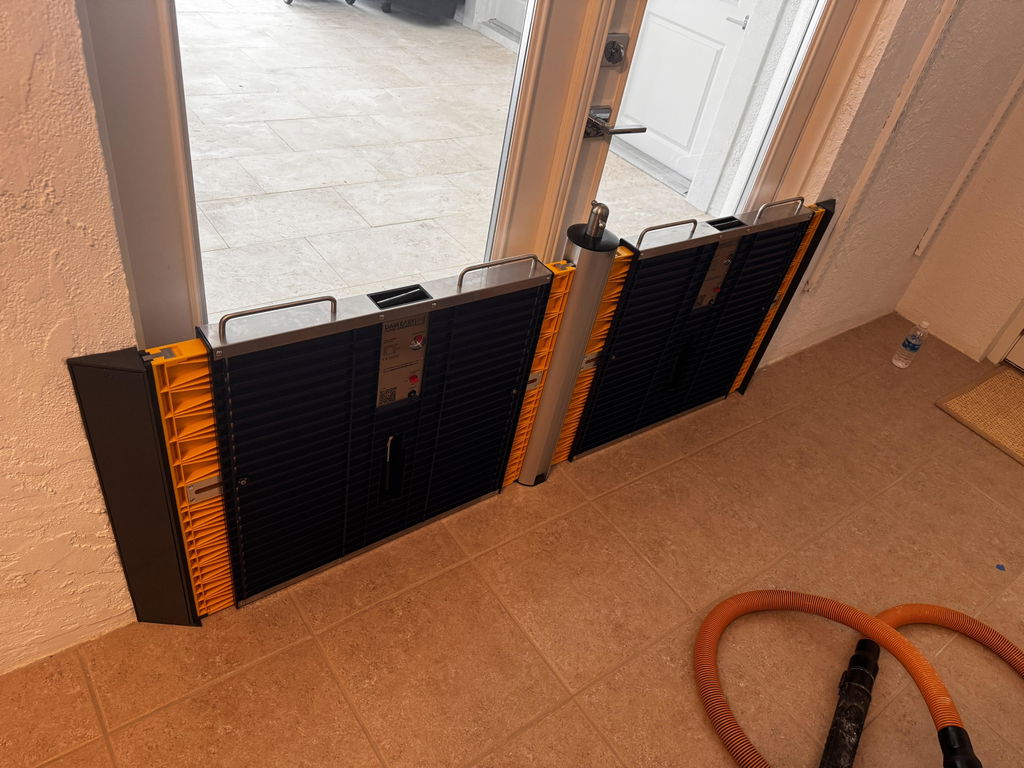
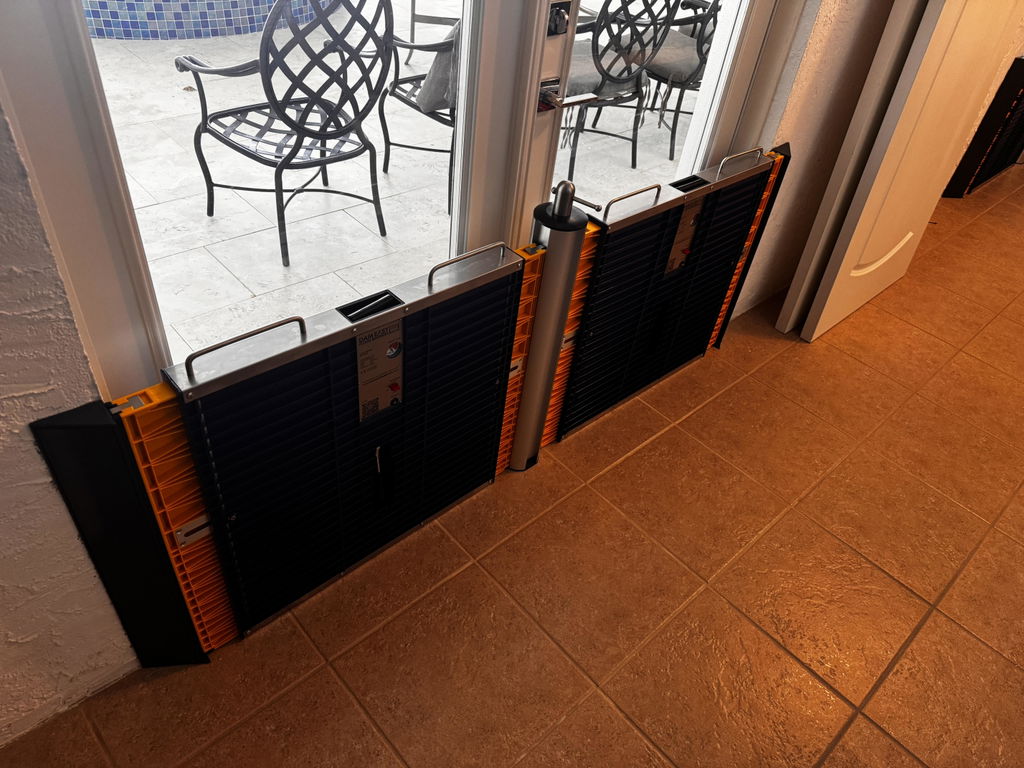
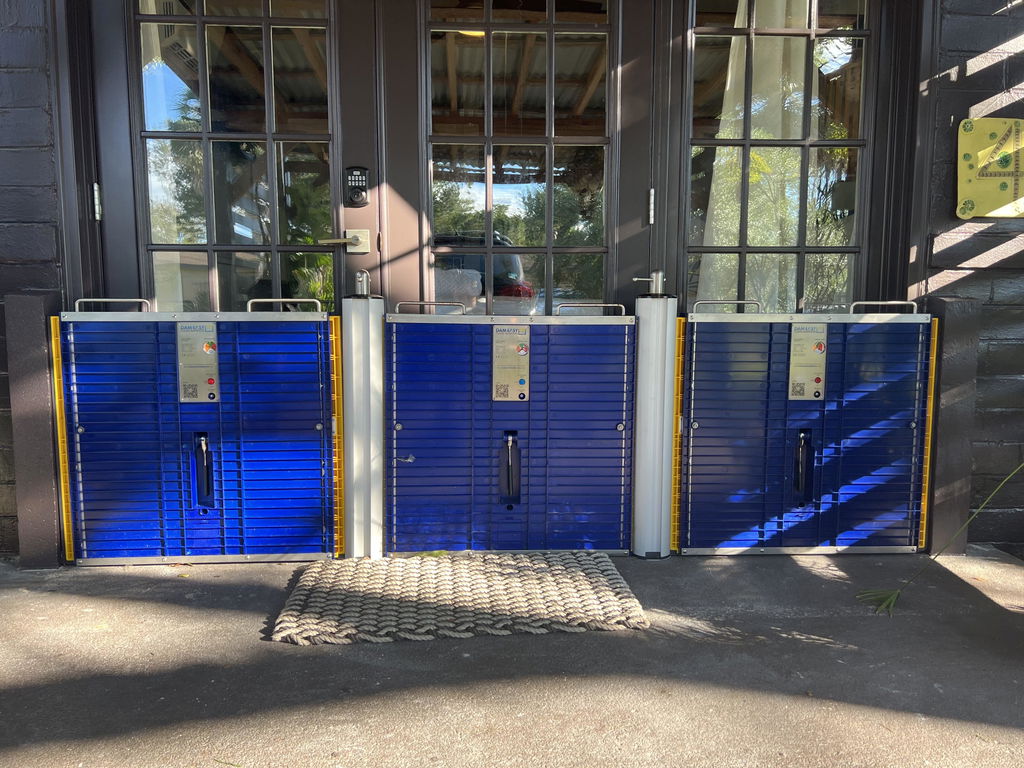
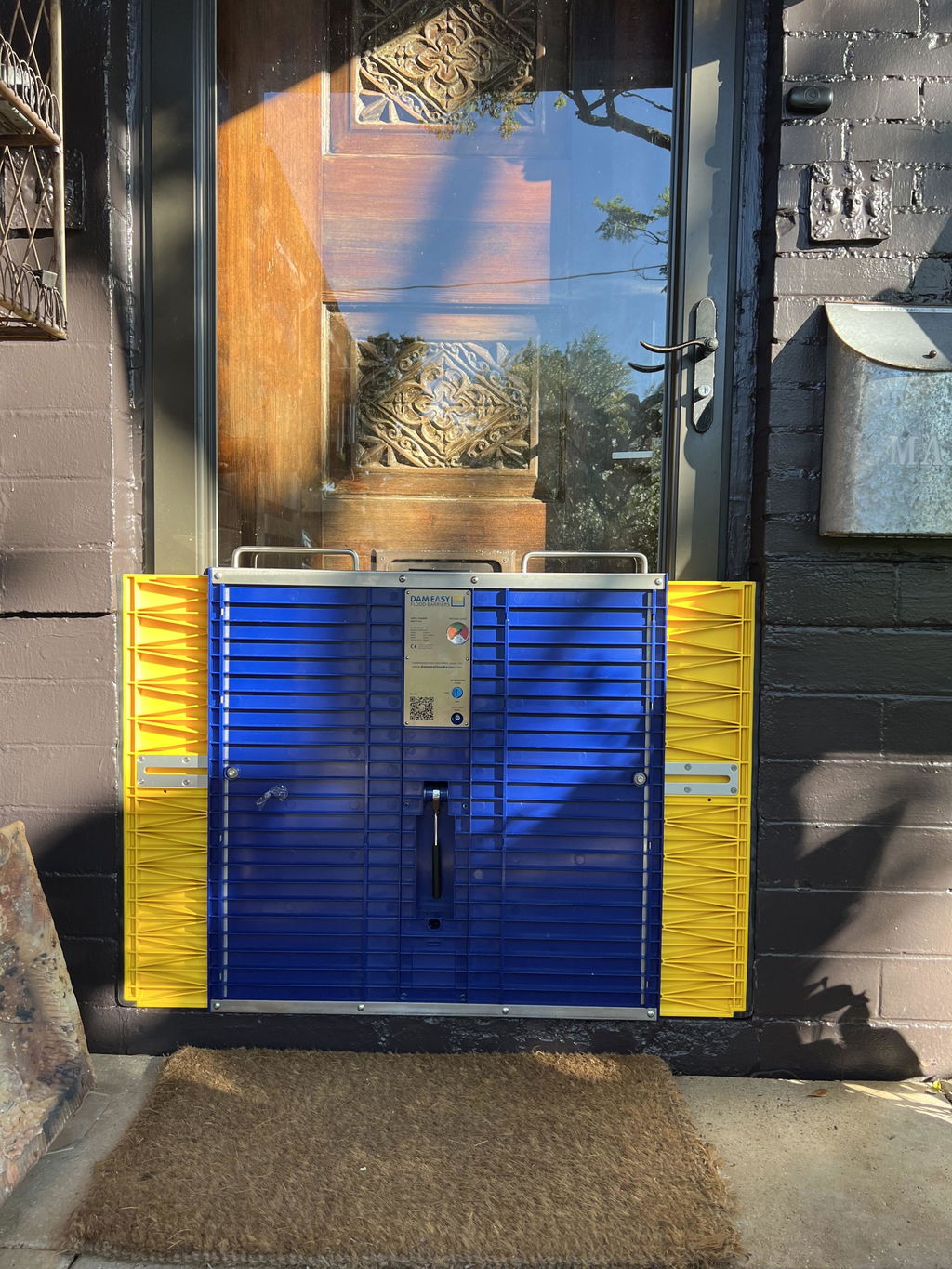
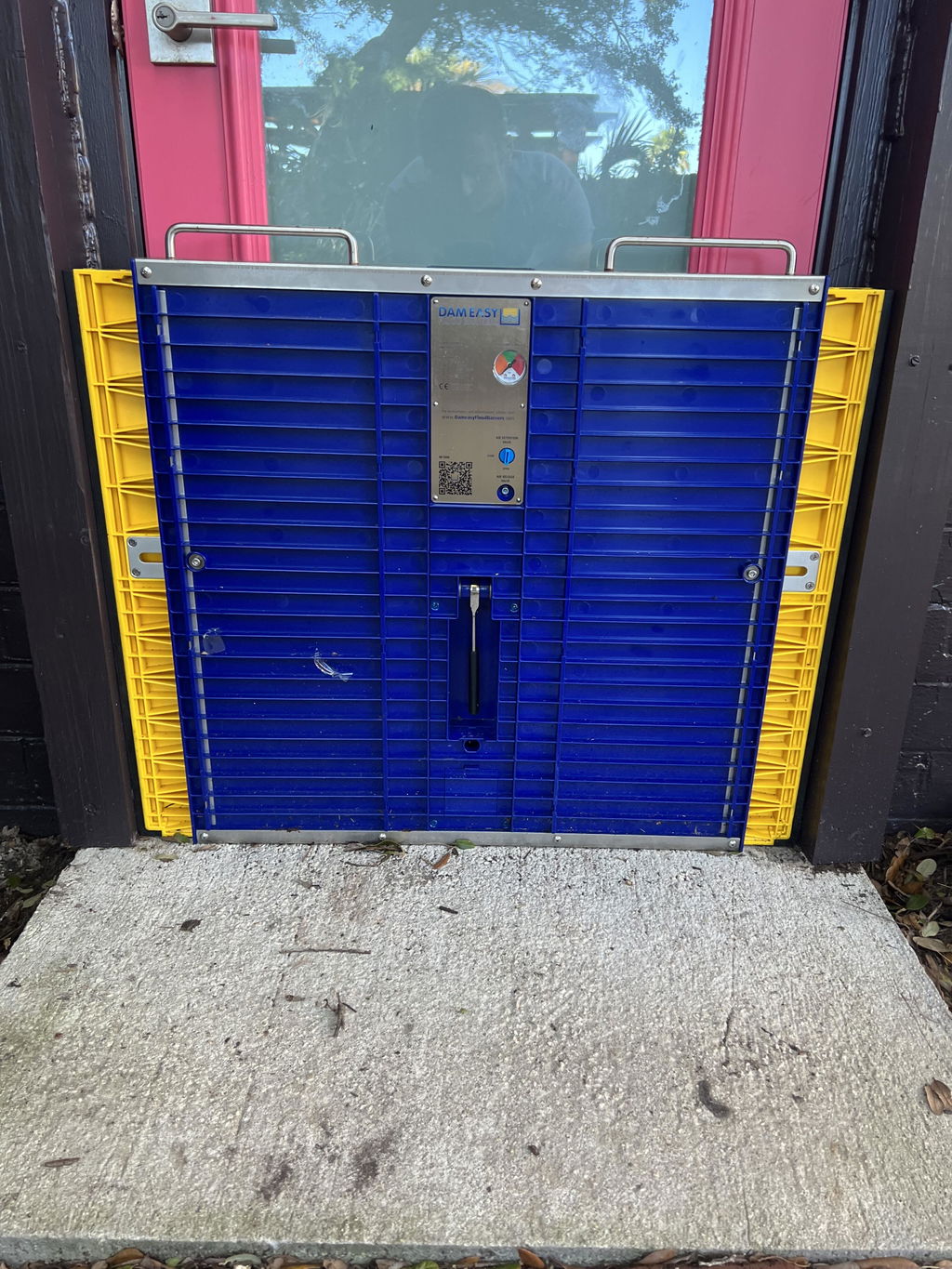
Modern sandbag alternatives 2026 are designed for speed. A Dam Easy Flood Barrier, for example, can be installed in under five minutes.
How it works: You place the barrier in the doorway and expand it to fit the frame. Then, you pump a built-in seal to make it airtight.
Ultimate Flood Barrier

€779,00
Floods are becoming more common around the world. What was once a 100-year phenomenon is now a seasonal trend that homeowners must deal with. That’s EXACTLY why you need this Dam Easy Ultimate Flood Barrier! An excellent alternative to heavy… Read More
The Result: One person can protect an entire house in the time it takes to fill just three sandbags.
2. Reliability: Does it Actually Stop Water?
Why Sandbags Fail
Sandbags are porous. This means water can eventually seep through the fabric and the gaps between the bags. They act more like a filter than a wall. By the time the flood is over, you often find a puddle of muddy water inside your hallway anyway.
The Power of Portable Flood Walls
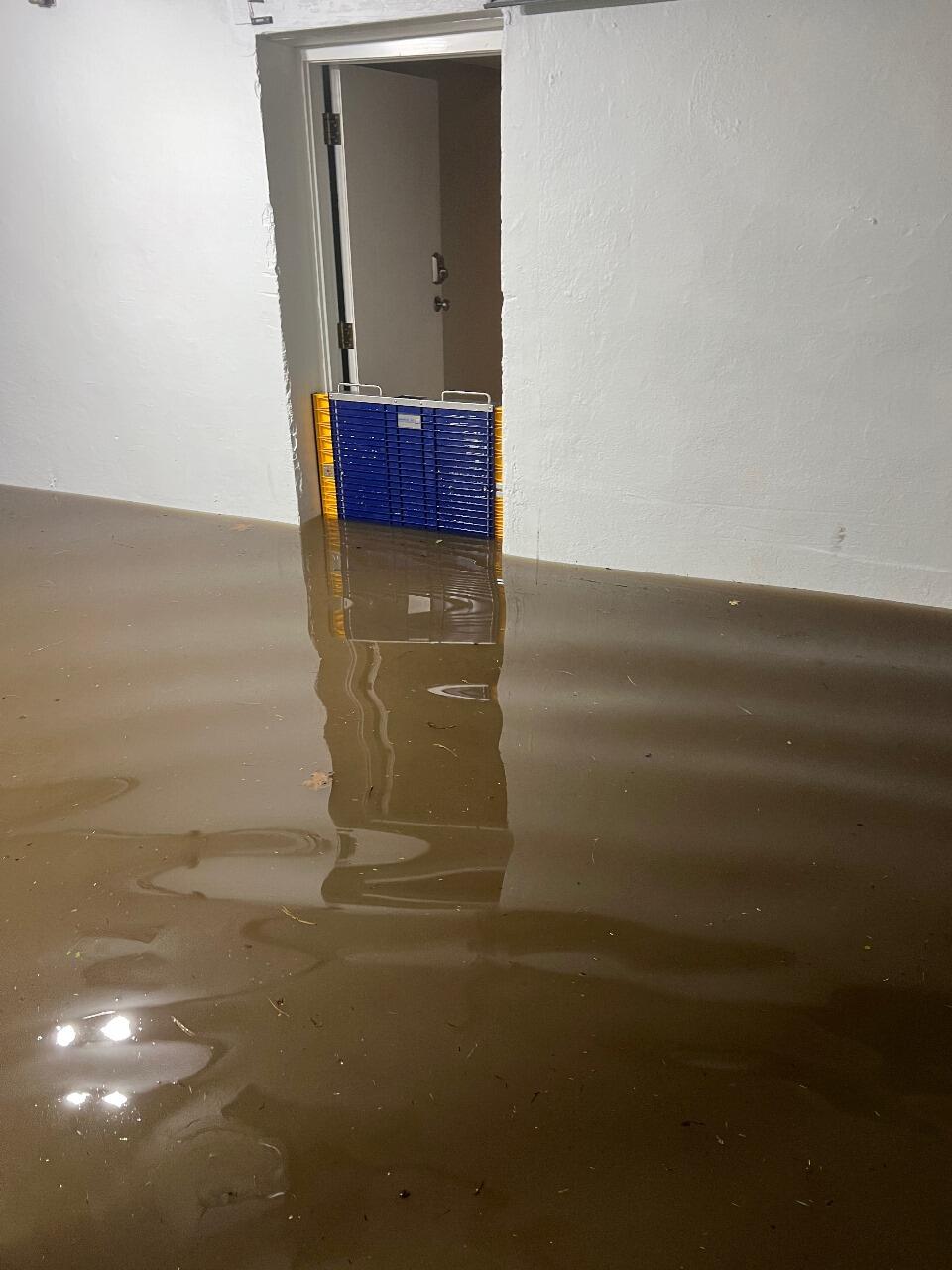
Portable flood walls create a solid, mechanical seal. Because they use industrial-grade rubber gaskets, they stop water from even touching your door. Whether you are facing a storm surge in New Orleans or a heavy downpour in London, a solid barrier provides a much tighter seal than a pile of wet burlap.
3. Storage and Reusability
The "One and Done" Problem
One of the biggest downsides to sandbags is that they are messy. After the flood, you cannot just put them in the garage. They are usually filled with "grey water"—dirty floodwater that contains bacteria, sewage, or chemicals.
- Disposal: You have to pay to get them hauled away.
- Waste: Every time it floods, you have to buy new sand and new bags.
Reusable Flood Barriers: A Better Investment
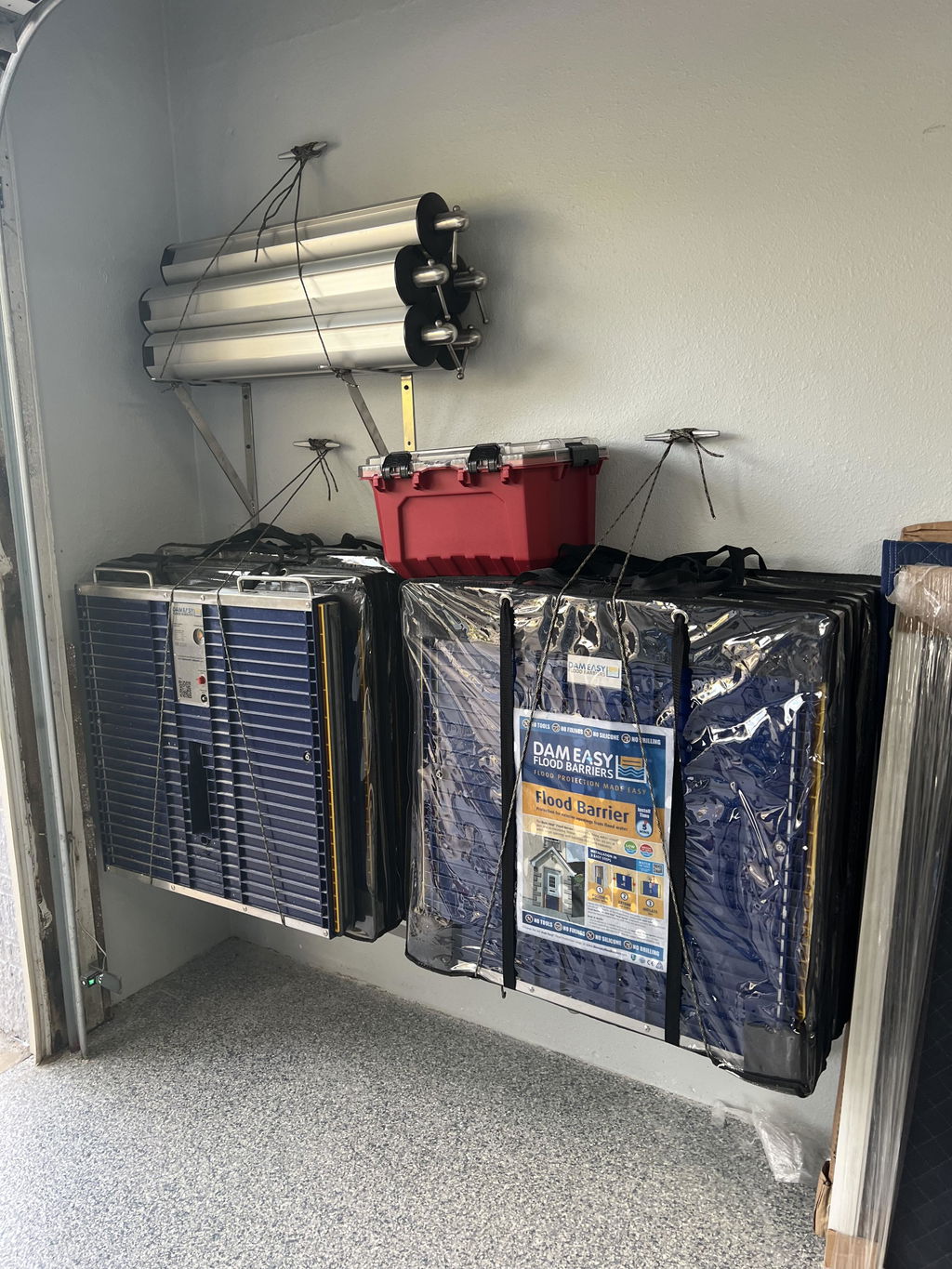
A reusable flood barrier is a one-time purchase. When the water goes down, you simply wash it with clean water, deflate the seal, and store it on a shelf in your garage. It stays clean, takes up very little space, and is ready for the next storm. For property owners in Houston or Norfolk, where it floods multiple times a year, this saves thousands of dollars over time.
4. Physical Effort and Health
Moving sandbags is back-breaking work. Many people who live in flood zones are older or live alone. Expecting a homeowner to move two tons of sand in the rain is not realistic.
Portable flood walls weigh very little compared to their strength. Most units are light enough for one person to carry under their arm. This makes them the best choice for:
- Senior citizens.
- People with limited mobility.
- Business owners who need to protect their shops quickly before leaving.
5. Local Focus: Where is the Risk Highest?
Different regions face different types of water threats. Here is how these tools help in specific locations:
- USA (The Gulf Coast & East Coast): In cities like Miami, FL or Charleston, SC, flash flooding from heavy rain often happens before the "big storm" even arrives. Sandbags are often too slow for these sudden bursts.
- United Kingdom: In areas like the Somerset Levels or the Yorkshire coast, flooding can last for days. Sandbags rot and leak over long periods. A mechanical barrier stays strong for the duration of the flood.
- Australia: Residents in Northern New South Wales and Queensland often face intense "rain bombs." When the rain falls that hard, you need a solution you can grab from the cupboard and click into place instantly.
6. Comparing the Costs
At first glance, sandbags seem cheap. You can buy a bag for a few dollars. But when you add up the cost of:
- Buying the sand.
- The manual labor (or your own time).
- The cost of disposing of "toxic" used sand.
- The cost of fixing the water damage that leaked through the bags.
...the price goes up fast.
Investing in sandbag alternatives 2026 like Dam Easy might cost more upfront, but it pays for itself the very first time it saves your carpets and drywall.
How to Choose the Right Protection for Your Home
If you are trying to decide between these two options, ask yourself these three questions:
- How much warning do I usually get? If it’s less than two hours, you need a portable barrier.
- Do I have someone to help me? If you are working alone, sandbags are almost impossible to use correctly.
- Where will I put the mess? If you don't want a pile of wet, dirty sand in your yard for weeks, go with a reusable option.
Why Dam Easy is the Top Choice
Our product family is built for the "average Joe." You don't need to be a builder or an engineer to use our tools. We focus on:
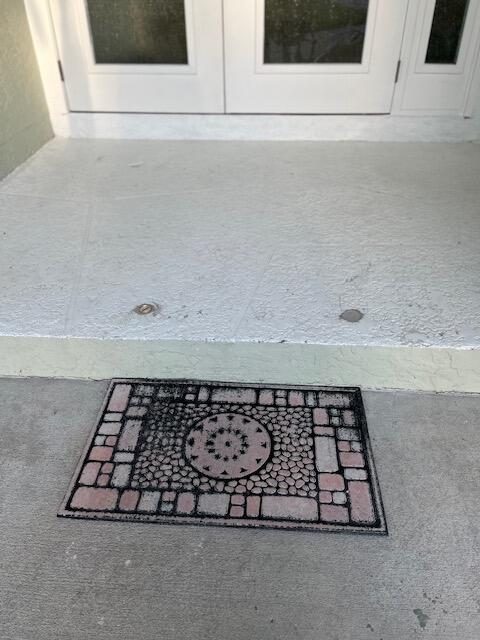
- No Fixings Required: You don't have to drill holes in your beautiful door frames.
- Adjustable Sizes: Our barriers grow to fit your door.
- Peace of Mind: You can sleep better knowing your home is sealed tight.
Final Verdict
While sandbags have a place in history, they are no longer the best way to protect a modern home. They are too slow, too heavy, and too messy for the fast-moving floods we see today.
For residents in flood-prone spots like Kentucky, Cumbria, or Victoria, the switch to portable flood walls is the smartest move you can make this year. Don't wait until the water is at your doorstep to realize you need a better plan.
Ready to protect your home? Check out our full range of Dam Easy Flood Products and get ready before the next storm hits.
FAQs
Are sandbags still effective for home flooding in 2026?
While sandbags are a traditional choice, they are often less effective than modern alternatives. They do not create a 100% watertight seal, and water can seep through the gaps. In 2026, many homeowners prefer portable flood walls because they offer a mechanical seal that stops water more reliably.
What are the best sandbag alternatives 2026 for fast deployment?
The best sandbag alternatives 2026 include expanding flood barriers, water-filled tubes, and reusable flood barriers. Products like the Dam Easy barrier are top-rated because they can be installed in under five minutes without tools, making them much faster than filling and stacking dozens of heavy bags.
Can I reuse my flood protection equipment?
Traditional sandbags are usually single-use because they become contaminated by dirty floodwater. However, reusable flood barriers and portable flood walls are designed to be washed, stored, and used again for many years. This makes them a more eco-friendly and cost-effective choice for residents in flood-prone areas like Florida, Queensland, or Yorkshire.
How many sandbags do I need for a standard door?
To protect a standard 3-foot (90cm) door from just 1 foot of water, you typically need about 20 to 25 sandbags. This requires a lot of heavy lifting. A single portable flood wall replaces all these bags and is light enough for one person to carry.
Where can I buy sandbag alternatives in the USA, UK, and Australia?
You can find advanced portable flood walls and reusable flood barriers online at specialized retailers like Dam Easy Flood Barriers. We ship directly to homeowners in the USA, UK, and Australia to help you prepare before the storm season starts.
Do sandbags expire?
Yes. Burlap or plastic sandbags can rot or become brittle if left in the sun or damp areas. If you are keeping them for an emergency, you must store them in a cool, dry place. For more reliable long-term storage, a reusable flood barrier is better because it does not degrade like organic bag materials.