Table of Contents
When the weather turns wild in Australia, especially along the northern and eastern coasts, the threat is real and immediate. The first sign of danger is often the warning that a tropical cyclone is on the way. For homeowners in places like Queensland, the Northern Territory, and New South Wales, the flood season is a time of high stress. It means getting ready for heavy rain, fierce winds, and the constant fear of water damage. This isn't just about a bit of water; it’s about protecting your home, your belongings, and your family from a truly scary situation. We know you want simple, reliable ways to keep the water out, and that's what this guide is for. We will break down the risks and give you a clear plan to protect your home before the next major storm hits.
Understanding the Triple Threat of Water Damage
When a big storm rolls in, the water damage usually comes from three main sources. It is important to know the difference so you can prepare for each one.
First, there is storm surge. This is a dangerous rise of sea water that rushes inland. It happens when the strong winds of a tropical cyclone push the ocean onto the land, often far above the normal high tide mark. If you live near the coast, especially in low-lying areas, storm surge is your biggest enemy. It can destroy homes quickly and is why many people must evacuate.
Second, we deal with coastal flood. This often works with storm surge but also includes high tides and big waves that crash onto the land. It means that ocean water is entering areas that are usually dry. Even homes that are safe from river floods can be hit by a major coastal flood. Dealing with this kind of flooding requires strong, reliable flood barriers for doors and ground-level windows.
Third, there is the flash flood. This happens when a tropical cyclone drops a huge amount of rain very fast, or when rivers and creeks overflow suddenly. The water rises quickly—sometimes in minutes—and it moves with great speed and power. Flash floods can happen anywhere, even far from the coast, turning streets into rushing rivers. They are fast, powerful, and leave little time to prepare, stressing the need for quick-to-deploy protection.
These three events—storm surge, coastal flood, and flash flood—are what we need to plan for every year to keep our properties safe.
Australia’s Flood Hotspots: Are You at Risk?
We know that some parts of Australia deal with this danger more often than others. Living in these areas means you must be ready all the time. Preparing your property is not a choice; it is a necessity.
In Queensland, areas like Cairns, Townsville, and Rockhampton see the direct effects of a large tropical cyclone regularly. The low coastal plains here are perfect for storm surge to push water miles inland. The Cassowary Coast and Bundaberg are also high-risk spots that must prepare for these heavy systems. Down in South East Queensland, even places like Brisbane (especially suburbs like The Gap and Brighton) and the Gold Coast suffer serious river and flash flood damage when a major rain system stalls. The huge amount of concrete and hard surfaces in these big cities means water has nowhere to go but up and into homes.
Further south in New South Wales, the Northern Rivers region, including towns like Lismore and Ballina, has faced terrible flooding from extreme rainfall. These towns are hit by both river flooding and strong weather systems connected to a tropical cyclone (5) moving down the coast. Mid-North Coast areas like Coffs Harbour and the Clarence Valley also know the high risks of unexpected heavy rain and rapid water rise.
Even further north, places like Darwin in the Northern Territory and the residents of surrounding islands like Christmas Island must prepare for powerful winds and heavy rainfall that come with every strong tropical cyclone season. If you live in or near these areas—or any low-lying residential spot—you need an easy, reliable way to seal your home. Knowing your risk is the first step in smart protection.
Pre-Season Checklist: Getting Ready Before the Warnings
The time to prepare is before a warning is issued, not when the sky turns black. Here is a simple checklist to get your property ready for the possibility of a tropical cyclone or severe weather event. Taking these steps now can save you huge problems later.
Check Your Insurance: The most important step. Make sure your policy clearly covers "flood" and not just "storm damage." Many people learn too late that river flooding and storm surge are often excluded unless you pay extra. Call your insurer today and ask specific questions about your risk level in locations like Ipswich or the Tweed area. Be very clear about what is covered.
Clean Up Outside: Clear out all your gutters, downpipes, and drains. Blocked pipes mean water backs up and finds its way into your roof space or under your house. Trim any tree branches that hang over your roof or could fall in high winds from a tropical cyclone (8). Store loose outdoor furniture and rubbish bins inside so they don't become dangerous missiles in the strong winds.
Create a Flood Plan: Decide on your evacuation route and where you will meet if you get separated. Know where to safely shut off your power, gas, and water supply. Never touch electrical items if you are standing in water. Make sure everyone in the family, including children, knows the plan.
Prepare an Emergency Kit: This kit should hold enough supplies for three days. Include bottled water (at least 3 litres per person per day), non-perishable food, a battery-powered radio, a first-aid kit, a torch, and copies of important documents (insurance papers, birth certificates) stored in waterproof bags. Keep this kit in a place you can grab quickly, like an upstairs closet or a high shelf.
The Dam Easy Solution: Simple, Fast Flood Protection
When a heavy downpour leads to a rapid flash flood or a coastal flood begins to creep toward your home, you need a solution that works fast. That's where Dam Easy Flood Barriers comes in. We understand the stress of waiting for the water to rise in places like Mullumbimby or the Northern Rivers region.
For too long, homeowners have relied on sandbags. Sandbags are heavy, they take up too much time, they are hard to store, and they are messy. They require huge amounts of effort to fill and place, and they are rarely reusable. Most importantly, sandbags do not create a watertight seal. They just slow the water down, often leaking dirty water onto your floors anyway.
Ultimate Flood Barrier

$949.00
Floods are becoming more common around the world. What was once a 100-year phenomenon is now a seasonal trend that homeowners must deal with. That’s EXACTLY why you need this Dam Easy Ultimate Flood Barrier! An excellent alternative to heavy… Read More
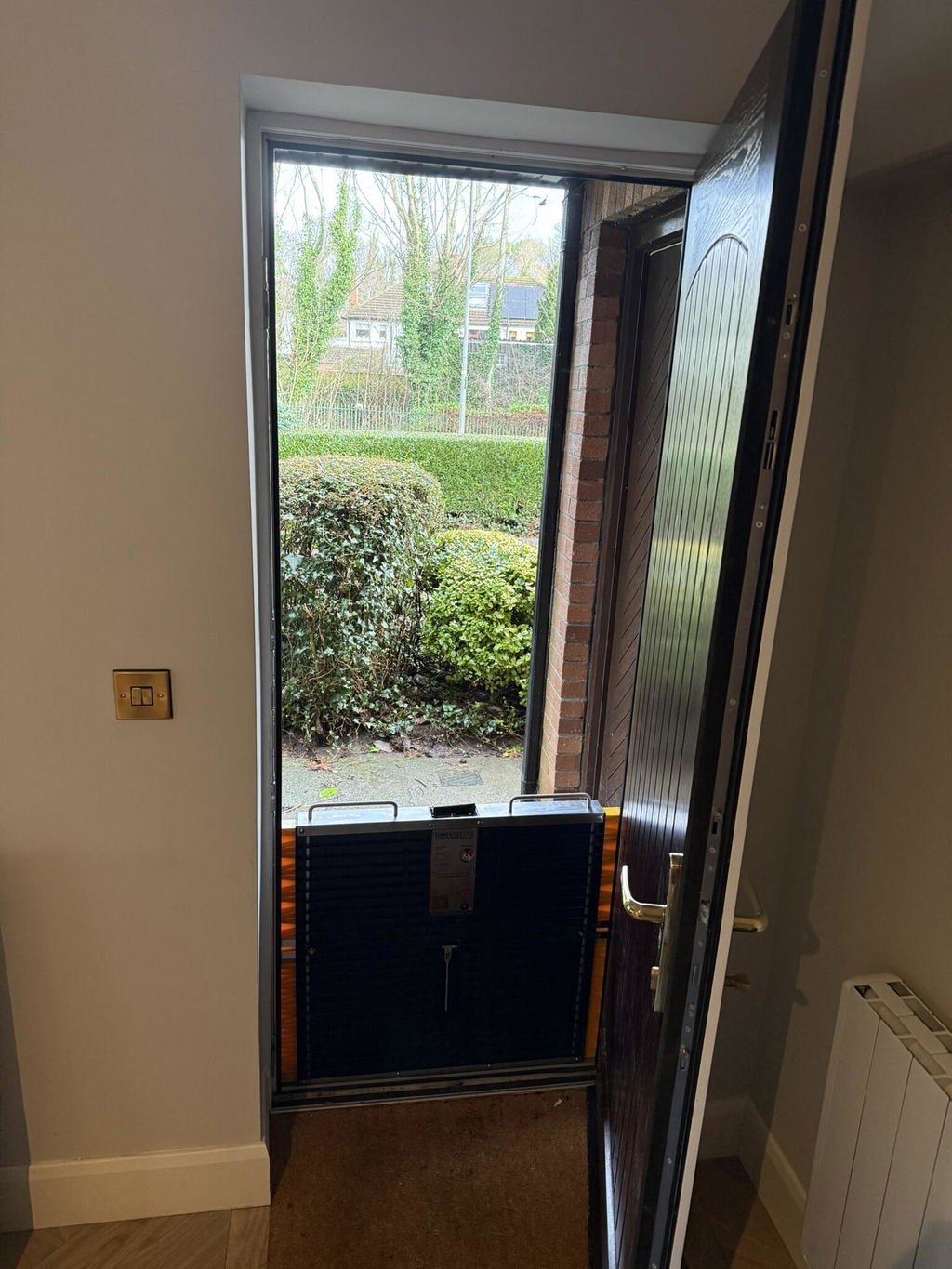
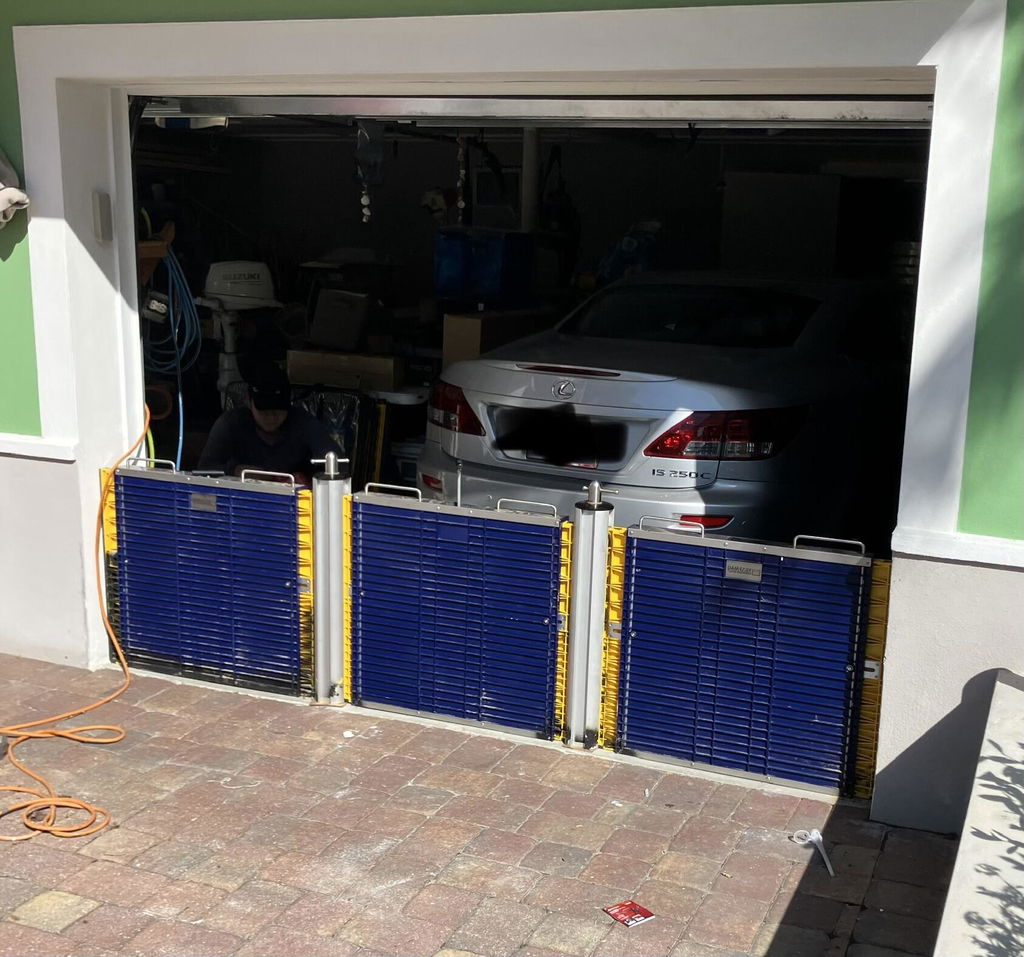
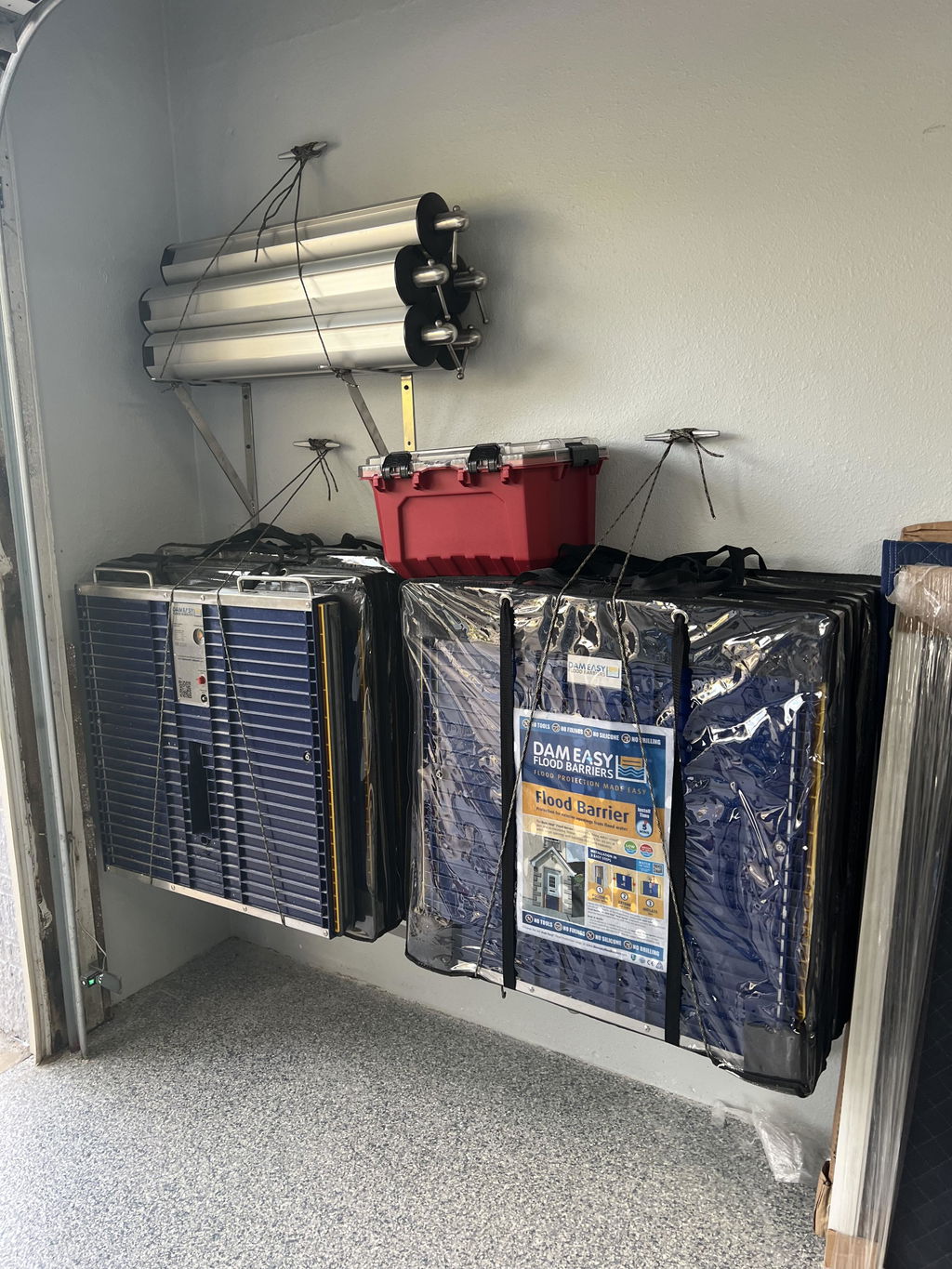
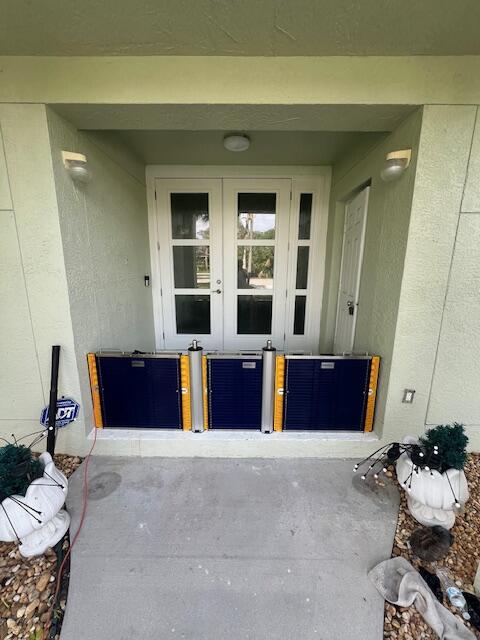
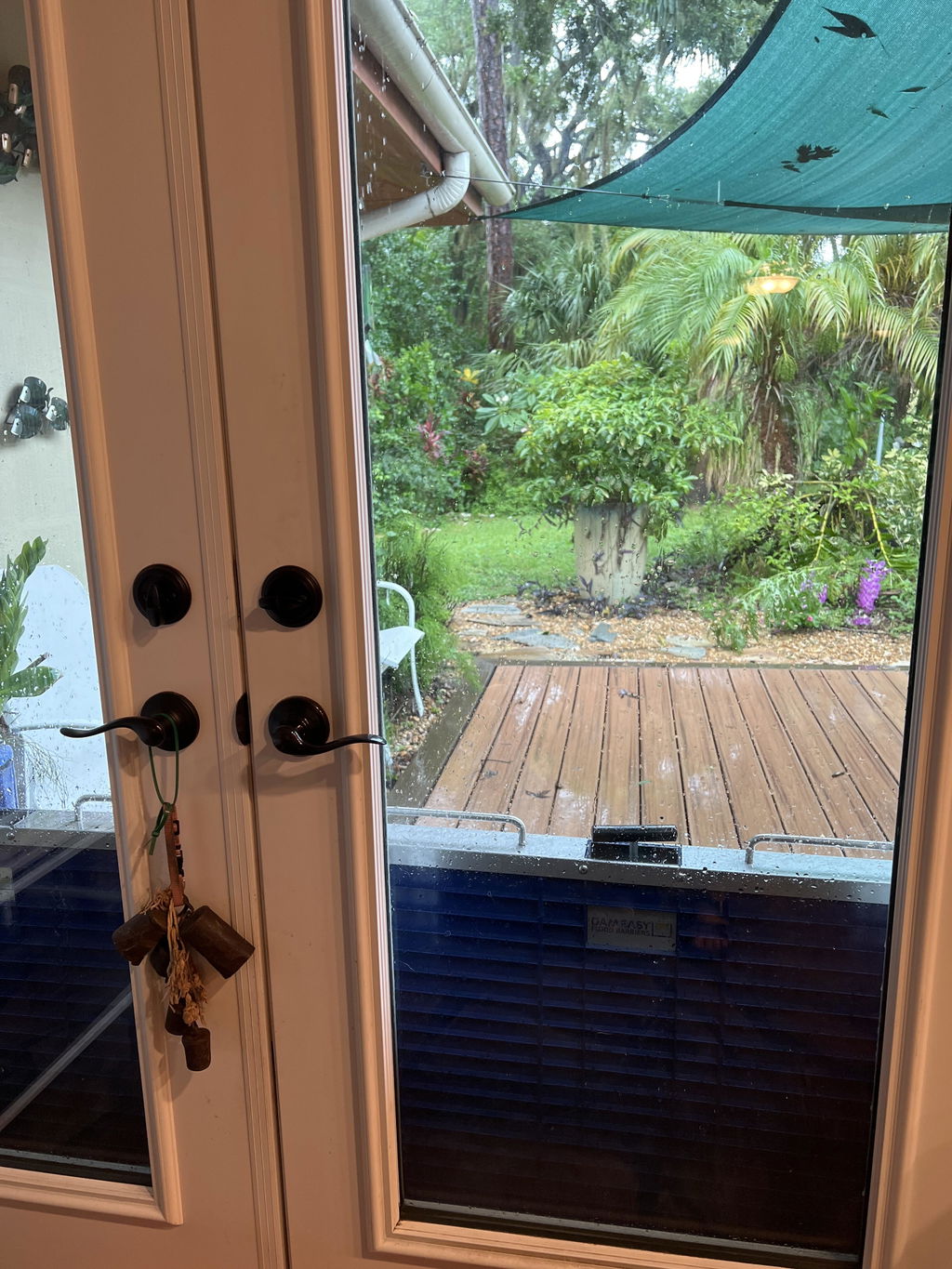
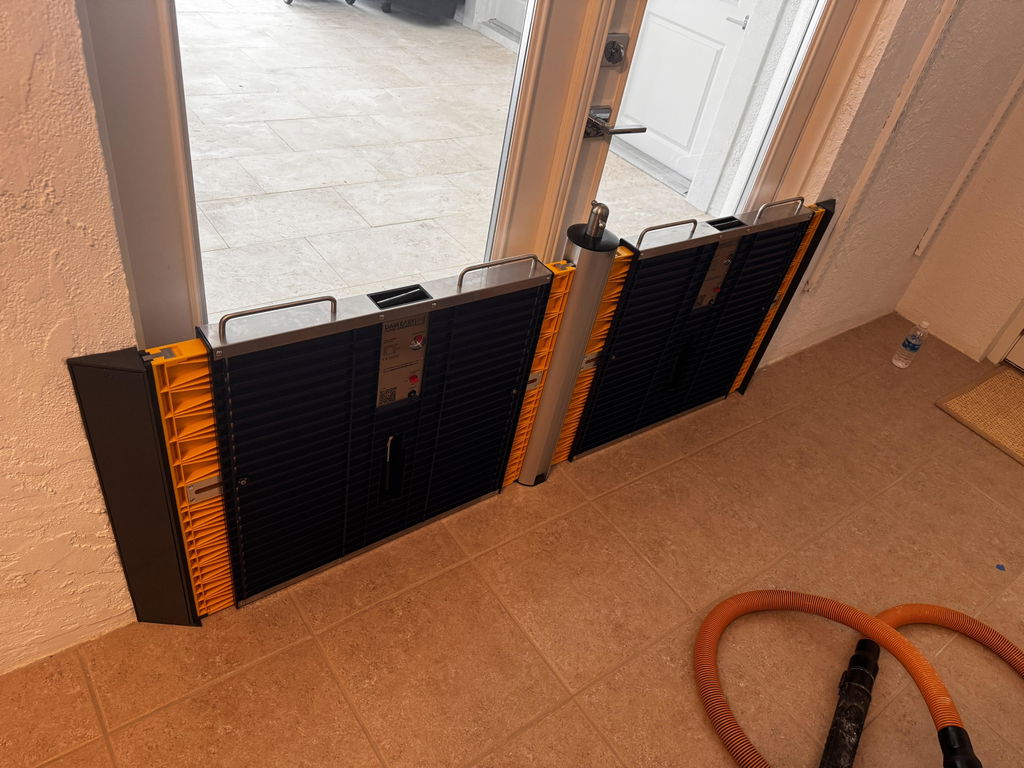
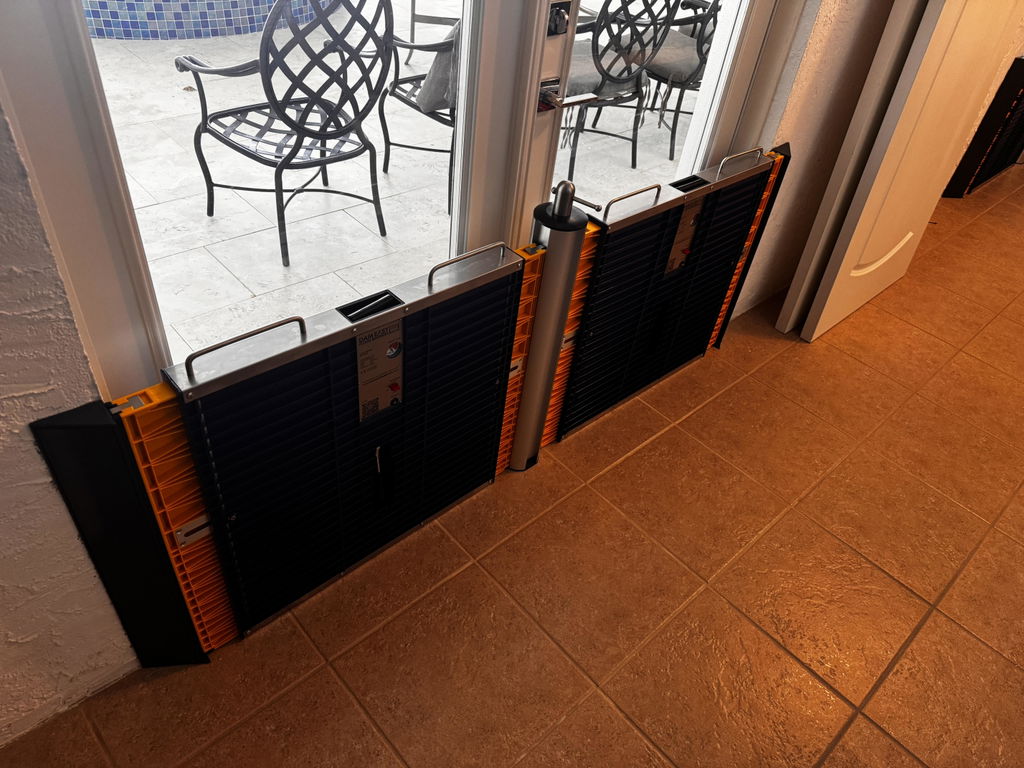
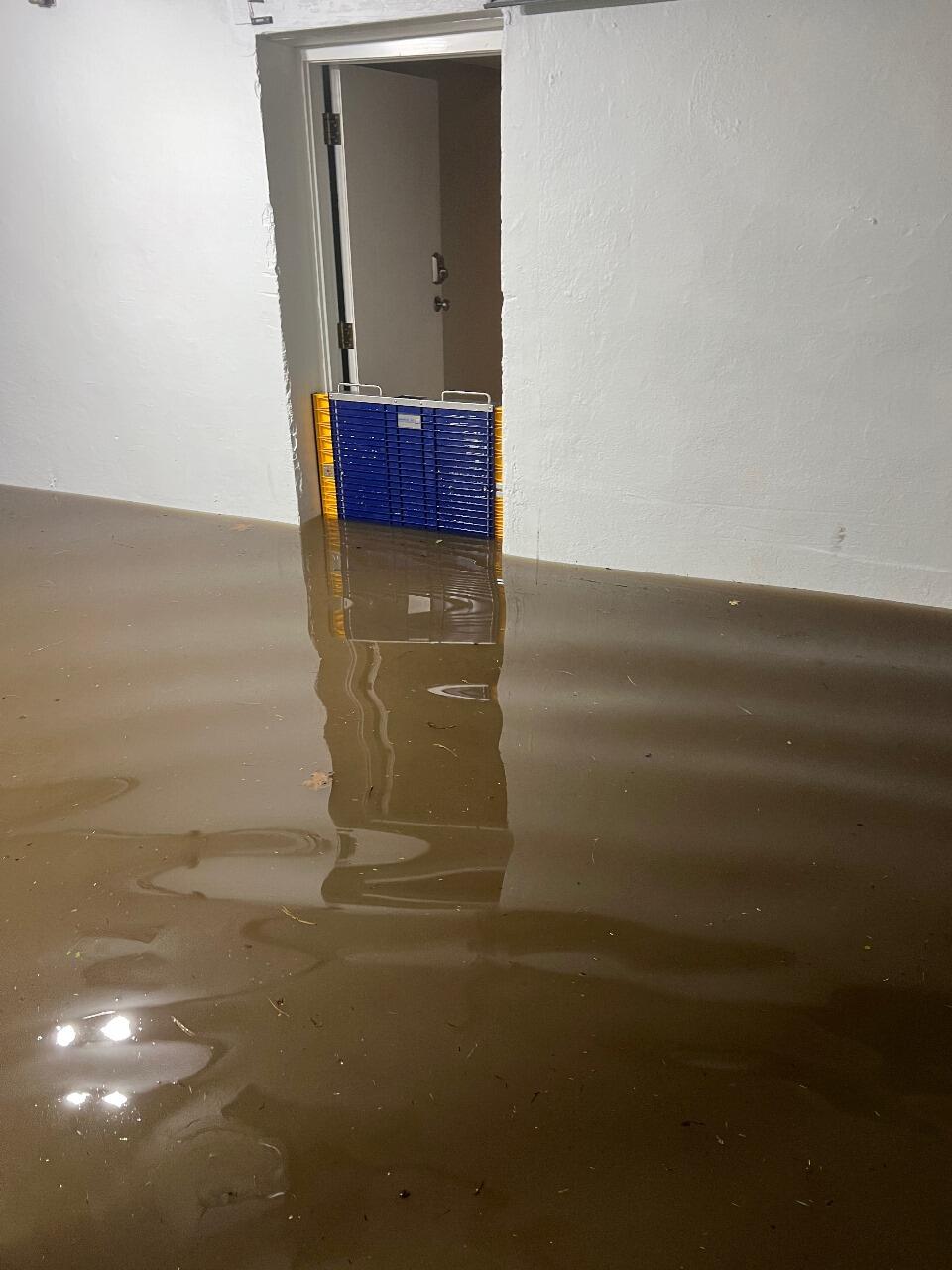
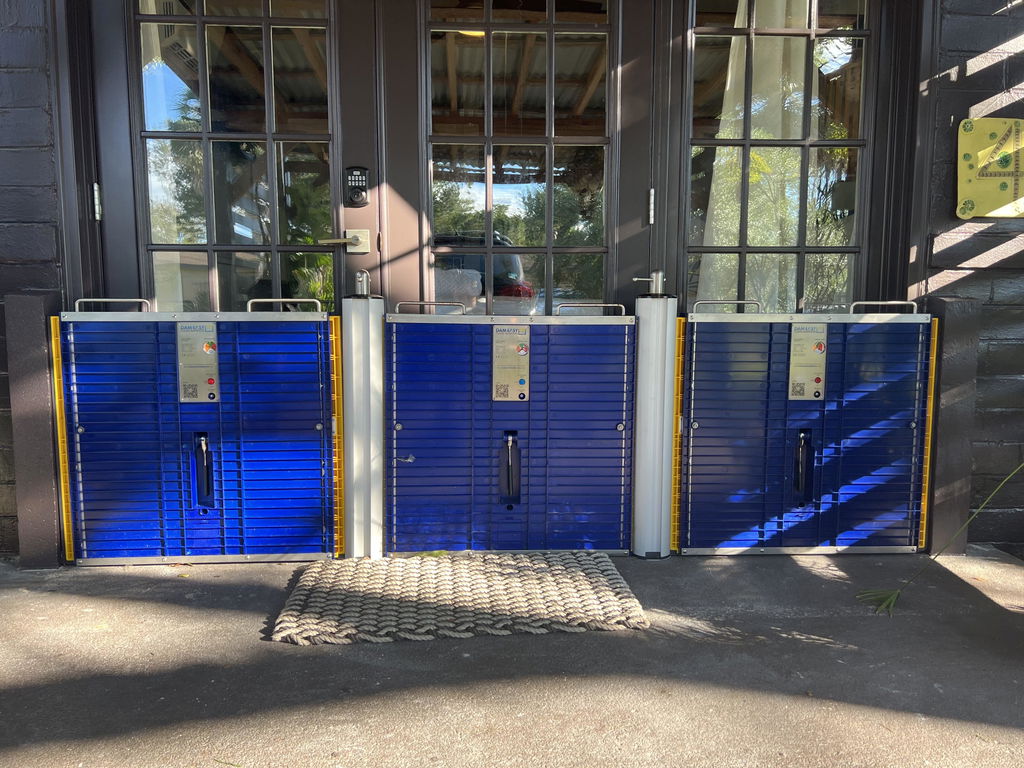
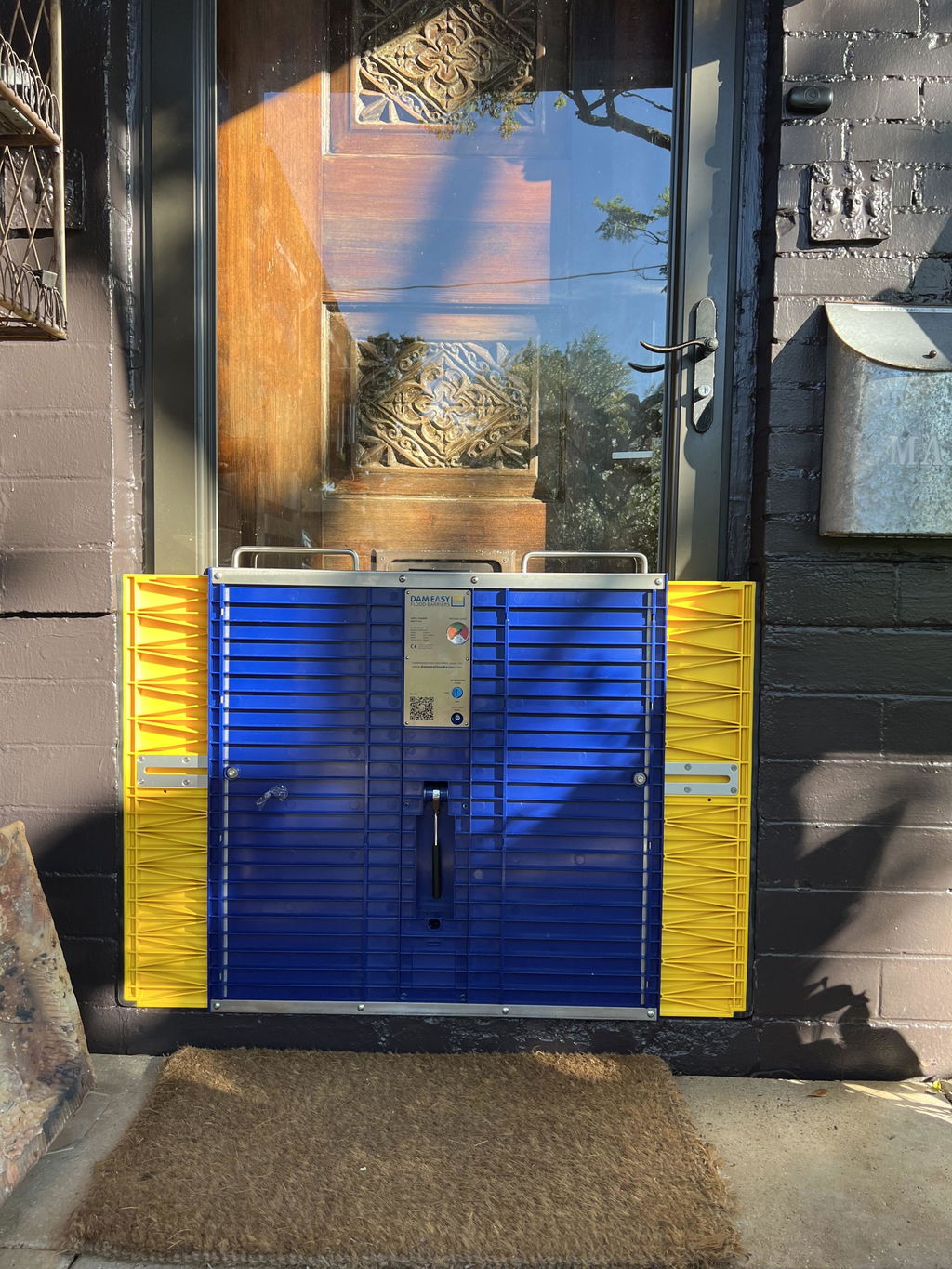
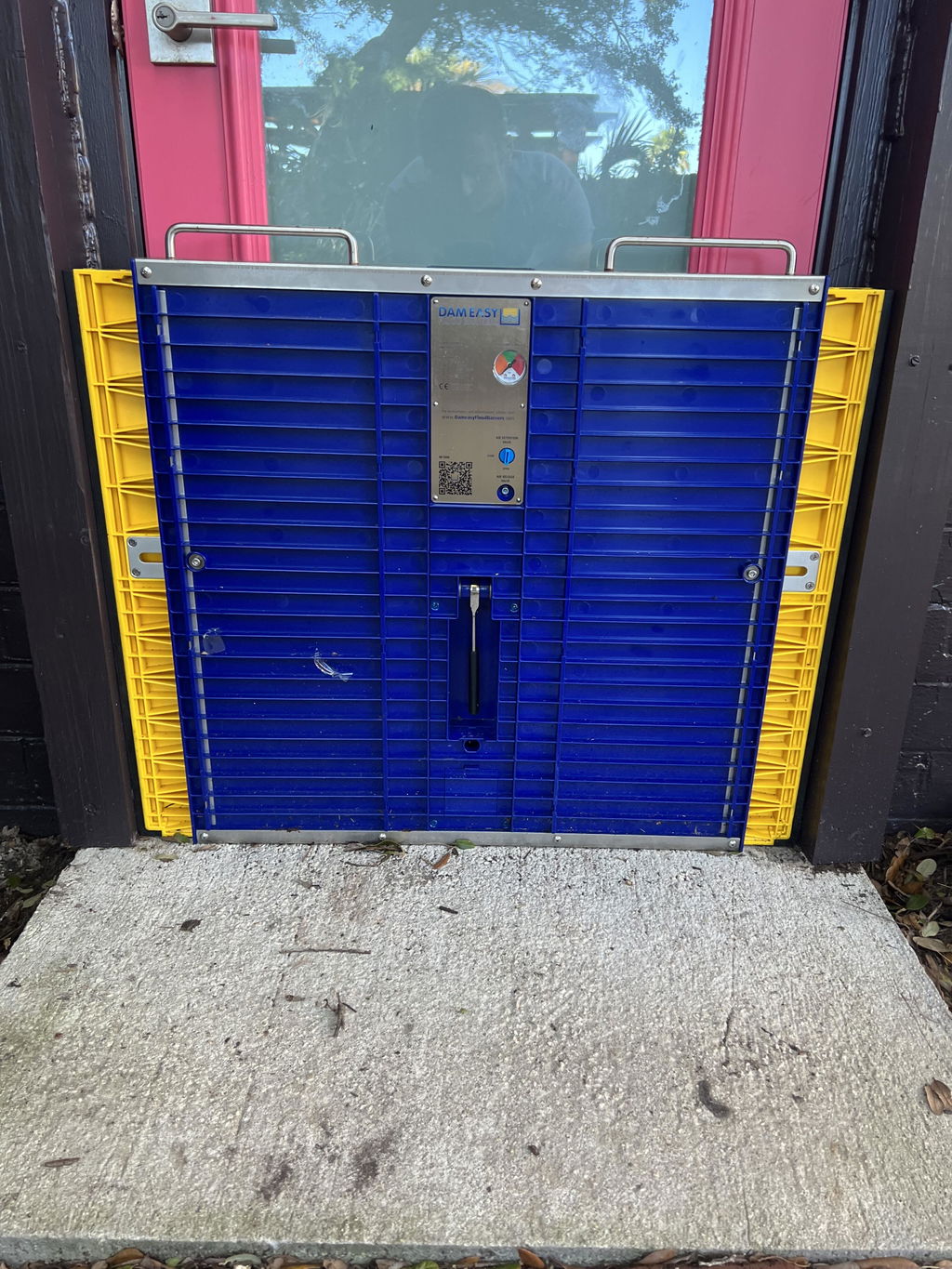
The Dam Easy Flood Barrier is different. It is a single, lightweight barrier that you can fit into a doorway or window opening in minutes. It uses a strong, pump-action seal that expands to fit the opening perfectly. It creates a watertight seal against rising water caused by storm surge or heavy rain from a tropical cyclone.
Our products are designed for the average Australian resident. You don't need tools, and you don't need a team of people to install them. One person can fit a Dam Easy barrier quickly when the warning comes. This ease of use is especially important when a flash flood gives you only a few moments to protect your assets.
Think about the high-risk areas like The Gap in Brisbane or the low-lying parts of Arundel on the Gold Coast. When a major system, perhaps an unexpected tropical cyclone, dumps hundreds of millimeters of rain, every minute counts. Having a Dam Easy barrier ready to go gives you peace of mind and protection that sandbags simply can’t offer. You can deploy them fast and trust the seal to hold.
By using the barriers for your most vulnerable openings, you are creating a reliable shield. This is not just about saving your carpet; it’s about stopping water from damaging your structure and costing you tens of thousands in repairs after the next big coastal flood. Getting this kind of protection is a smart investment in your home’s future, ensuring you have reliable defence whenever the threat of a tropical cyclone appears.
How to Protect Your Doors and Windows from Water
Doors and low windows are the weak spots in your home when dealing with flooding from a tropical cyclone. Water pressure from a rising coastal flood can easily push its way through the tiny gaps around frames. Here is how Dam Easy helps you solve this problem simply:
For Doorways: Simply place the Dam Easy barrier inside the door frame. Use the hand pump to expand the barrier until it is tight against the sides. Then, use the built-in rubber seal inflation pump to create a perfect, watertight barrier. It locks into place and stops the water. This is vital when faced with a sudden flash flood in low-lying suburbs.
For Windows and Vents: While the main Dam Easy barrier is built for doorways, we offer other products to seal drains and vents, which are also vulnerable. During a heavy storm or a severe tropical cyclone, even the smallest opening can let in enough water to cause major damage. Don't forget those small ground-level windows, utility vents, and even toilets can be entry points for water.
The Peace of Mind: Once you have installed the barrier, you are free to focus on other safety tasks, like moving valuable furniture upstairs or checking on family members. You won't be outside frantically shovelling sand as the water rises. You will have reliable, instant protection that you can trust to hold back the water.
During the Event and Post-Storm Recovery
If an active tropical cyclone is approaching, listen carefully to your local State Emergency Service (SES) and Bureau of Meteorology (BOM) for their warnings. Your safety is the most important thing.
Move Fast, Not Panic: When flood warnings are issued, act quickly but stay calm. If you have been told to evacuate, leave immediately. If you decide to shelter in place, move all high-value items, papers, and electronics off the floor.
Seal Your Home: Deploy your Dam Easy barriers now. Turn off your main power switch—this is crucial to prevent electric shock if the water enters your home.
Stay Informed: Keep your battery-powered radio on. Never walk, drive, or play in flash flood waters. Only six inches of fast-moving water can sweep an adult off their feet. Remember, if it's flooded, forget it.
Post-Storm Safety and Recovery
Once the storm has passed and the danger of the tropical cyclone is gone, safety remains the number one concern.
Wait for the All-Clear: Do not go back into your home until emergency services say it is safe. Water can hide deep structural damage, snakes, and electrical risks.
Check Damage Safely: If there is water inside, wear strong boots and gloves. Take photos and videos of all damage for your insurance claim before you start cleaning up.
Drying Out: Open all windows and doors to let the air dry out the house as quickly as possible. Removing wet items immediately is key to preventing mould.
The storm surge and coastal flood damage can take weeks or months to truly recover from. Having strong protection in place, like a Dam Easy barrier, helps you reduce the starting damage, making the cleanup much faster and easier.
Final Thoughts on Preparedness
Living on the beautiful coast of Australia, from Bundaberg in Queensland to the flood plains near Lismore, comes with the yearly challenge of the severe weather season. While we cannot stop a tropical cyclone from forming, we can absolutely control how prepared we are for it. Don’t wait until the next big storm is on the news to decide how you will protect your home. Get proactive. Look at your home’s entry points, measure your doors, and secure your defence now. Protect your property, secure your peace of mind, and be Dam Easy prepared.
Click here to talk to our flood experts now!
FAQs
What is the main difference between a coastal flood and a flash flood?
A coastal flood is usually caused by rising sea water, high tides, or large waves, often driven inland by a major storm or a tropical cyclone. This is a major risk for properties in areas like the Gold Coast and Cairns. A flash flood, however, is caused by massive amounts of rainfall overflowing rivers and drains very quickly, often within minutes, and can happen anywhere, even far inland like parts of Lismore or Ipswich.
What is a storm surge and how does it relate to a tropical cyclone?
A storm surge is a dangerous rise in sea level above the normal high tide mark, caused primarily by the strong, intense winds of a tropical cyclone pushing water toward the shore. It is often the most deadly part of a cyclone, capable of destroying homes in low-lying areas like Townsville and the Northern Rivers region. It is not a tide; it is a rapid wall of water pushed inland by the storm system.
When a tropical cyclone is coming, what is the fastest way to protect my doorway from flooding?
The fastest and most reliable way to protect your doorway from a tropical cyclone’s associated flooding is by using a specialized flood barrier, such as the Dam Easy Flood Barrier. Unlike messy sandbags, a Dam Easy barrier can be fitted by one person in minutes, using a simple pump action to expand the barrier and create a watertight seal in the frame, providing instant defence against coastal flood or flash flood waters.
Are sandbags effective against a major storm surge or flash flood?
No, sandbags are generally not effective against a major storm surge or a rapid flash flood. They are very heavy, difficult to place correctly, and only slow water down, often leaking through the gaps. For true protection against the heavy water pressure of a major coastal flood in high-risk areas like Rockhampton, homeowners should use certified, reusable, watertight flood barriers designed to seal door and window openings completely.
How many millimetres of water can cause a flash flood in a city like Brisbane?
A flash flood can occur in a city like Brisbane with surprisingly little rainfall, often triggered by intense falls of 50mm to 100mm per hour, especially in areas with poor drainage or over concrete surfaces, like suburbs of The Gap. The speed of the rainfall and the saturation of the ground are more important than the total amount, leading to rapid, dangerous rises in water level.
Where in Australia are properties most at risk from a severe tropical cyclone?
Properties most at risk from a severe tropical cyclone are generally located along the entire coast of Queensland (from the Cape York Peninsula down to Bundaberg), the Northern Territory (especially near Darwin), and sometimes the northern parts of New South Wales (like Ballina) if the system moves south. These areas are prone to both devastating winds and dangerous storm surge.