Table of Contents
- What is an Atmospheric River?
- Why Is Heavy Rain Becoming the New Normal?
- Flood Hotspots: Is Your Home at Risk?
- The True Cost of Water Damage
- How to Protect Your Property from an Atmospheric River
- Why an Atmospheric River is Different from a Regular Storm
- What to Do During a Severe Weather Event
- The Future of Living with Water
- Bottom Line, Don't Wait for the Next Drop
- FAQs
An atmospheric river (AR) is a long, narrow band of moisture in the sky that can carry more water than the mouth of the Mississippi River. If you feel like the rain in your neighborhood has become more intense lately, you aren’t imagining it. From the coastal towns of California to the riverbanks of the UK and the suburbs of New South Wales, the way it rains is changing.
As a property owner, understanding this weather pattern is the first step to protecting your home. In this guide, we will break down what these "rivers in the sky" are, why climate change is making them worse, and how you can stay dry when heavy rain turns into a flood.
What is an Atmospheric River?
Think of an AR as a giant conveyor belt in the sky. It picks up warm, moist air from the tropics and carries it thousands of miles toward land. When this band of moisture hits a mountain or a cold weather front, it releases all that water at once.
In the USA, people often call a famous atmospheric river the "Pineapple Express" because it brings moisture from Hawaii to the West Coast. In the UK and Australia, these events are often called "moisture plumes." No matter what name you use, the result is the same: severe weather that can dump weeks’ worth of rain in just a few hours.
Why Is Heavy Rain Becoming the New Normal?
You might be wondering why we are hearing about an AR so much more often than we did twenty years ago. The answer lies in climate change.
As the Earth’s atmosphere gets warmer, it can hold more water. For every degree of warming, the air can hold about 7% more moisture. This means when an atmospheric river forms today, it is "loaded" with much more water than it used to be.
This leads to a cycle of heavy rain that the ground simply cannot soak up fast enough. When the soil is saturated, the water has nowhere to go but into your basement, your garage, or through your front door.
Flood Hotspots: Is Your Home at Risk?
Certain parts of the world are seeing the effects of the atmospheric river phenomenon more than others. If you live in one of these areas, you likely already know the fear that comes with a dark sky.
United States: The West Coast and Beyond
In the US, California is the primary target for an atmospheric river. Locations like Sacramento, CA, and Santa Cruz, CA, often face massive flooding. However, the East Coast is not safe either. Areas like Charleston, SC, and Annapolis, MD, are seeing more "sunny day flooding" and flash floods from heavy rain events.
United Kingdom: The River Valleys
In the UK, the atmospheric river often hits the west. Homeowners in Cumbria, Yorkshire, and Somerset have faced devastating floods in recent years. Towns like Hebden Bridge and Shrewsbury are now on high alert every winter as severe weather becomes more frequent.
Australia: The East Coast Danger
Australia has seen record-breaking floods recently. Residents in Lismore, NSW, and the Hawkesbury-Nepean Valley near Sydney have dealt with some of the worst heavy rain in history. In Queensland, areas like Brisbane and Gympie are also seeing the intense power of an atmospheric river as it sweeps in from the ocean.
The True Cost of Water Damage
Flood water is not just "clean" water. It is often mixed with mud, sewage, and chemicals. Even a few inches of water from an atmospheric river event can cause thousands of dollars in damage.
- Structural Damage: Water weakens the foundation of your home.
- Mold and Mildew: Within 24 to 48 hours, mold can start to grow behind your walls.
- Loss of Valuables: Photos, furniture, and electronics are often ruined forever.
- Stress: The mental toll of losing your home or "waiting for the next one" is huge.
Because climate change is making these events more common, we can no longer treat floods as "once in a lifetime" events. We have to prepare for them every year.
How to Protect Your Property from an Atmospheric River
When a severe weather warning is issued for an AR, you usually only have a few days—or even hours—to act. Here is how you can get ready.
1. Clear Your Gutters and Drains
This is the simplest step. If your gutters are full of leaves, the heavy rain will pour straight down the side of your house and pool at the foundation. Ensure all water is being directed away from your home.
2. Check Your Landscaping
Make sure the ground around your house slopes away from the walls. You can also plant "rain gardens" or use porous materials for your driveway so the water can soak into the ground instead of running toward your door.
3. Use Flood Barriers
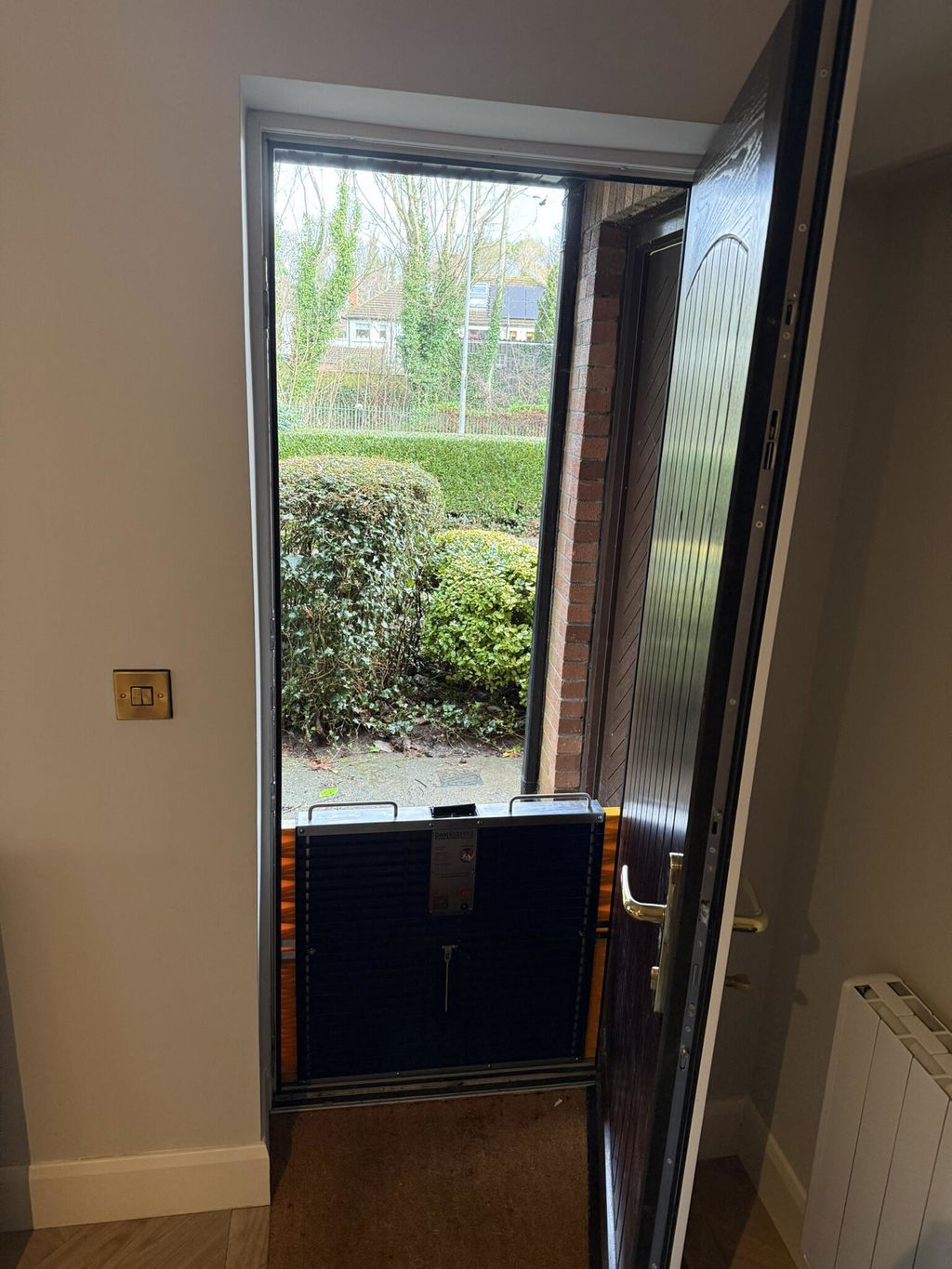
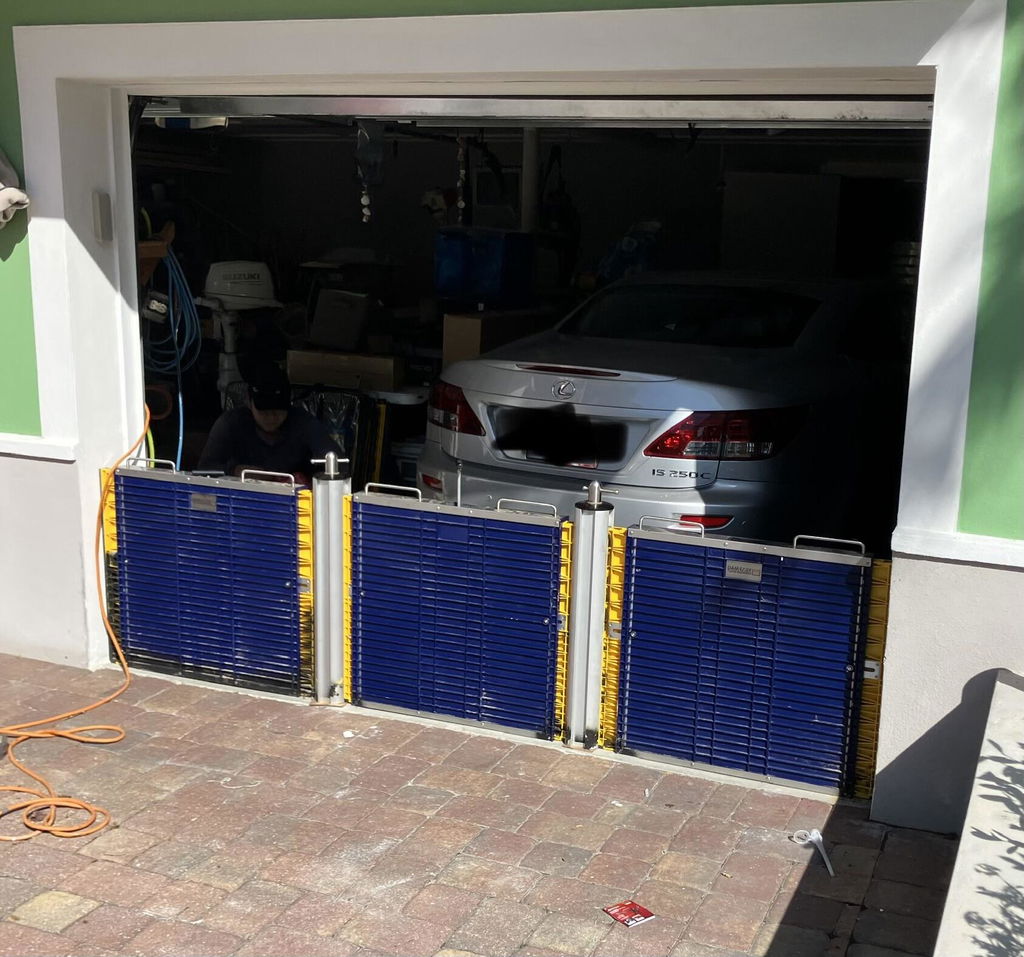
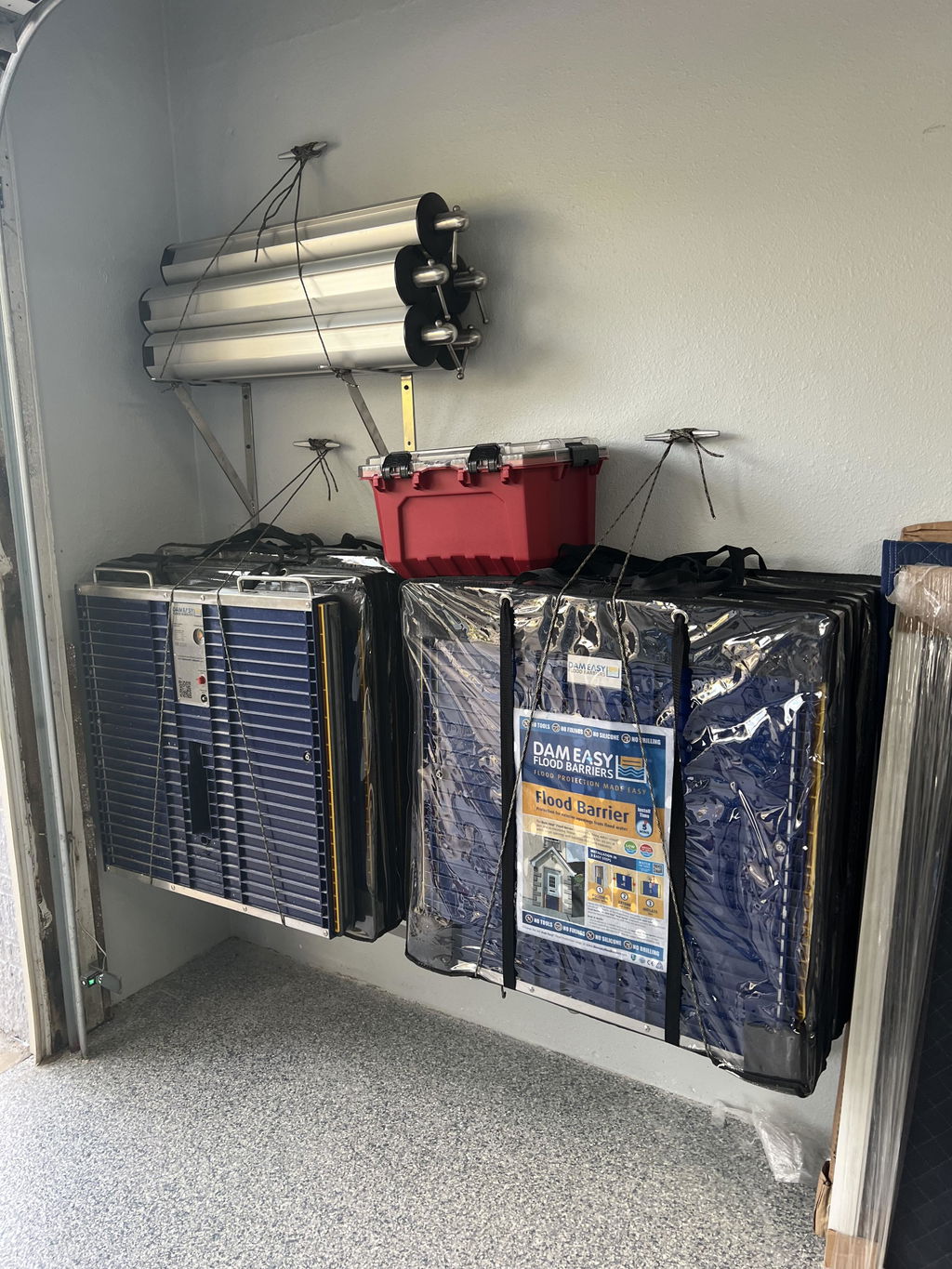
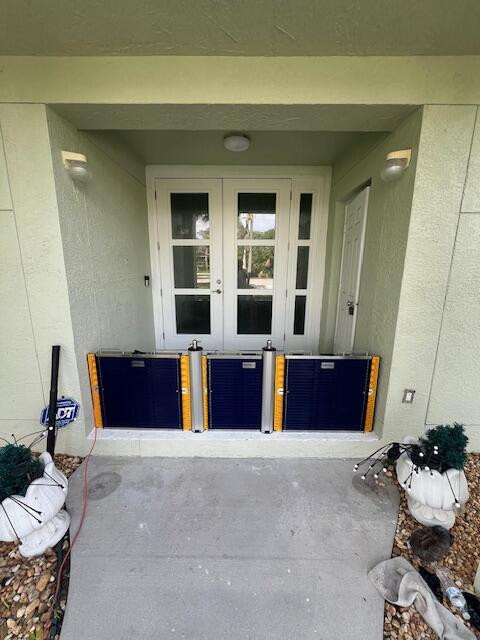
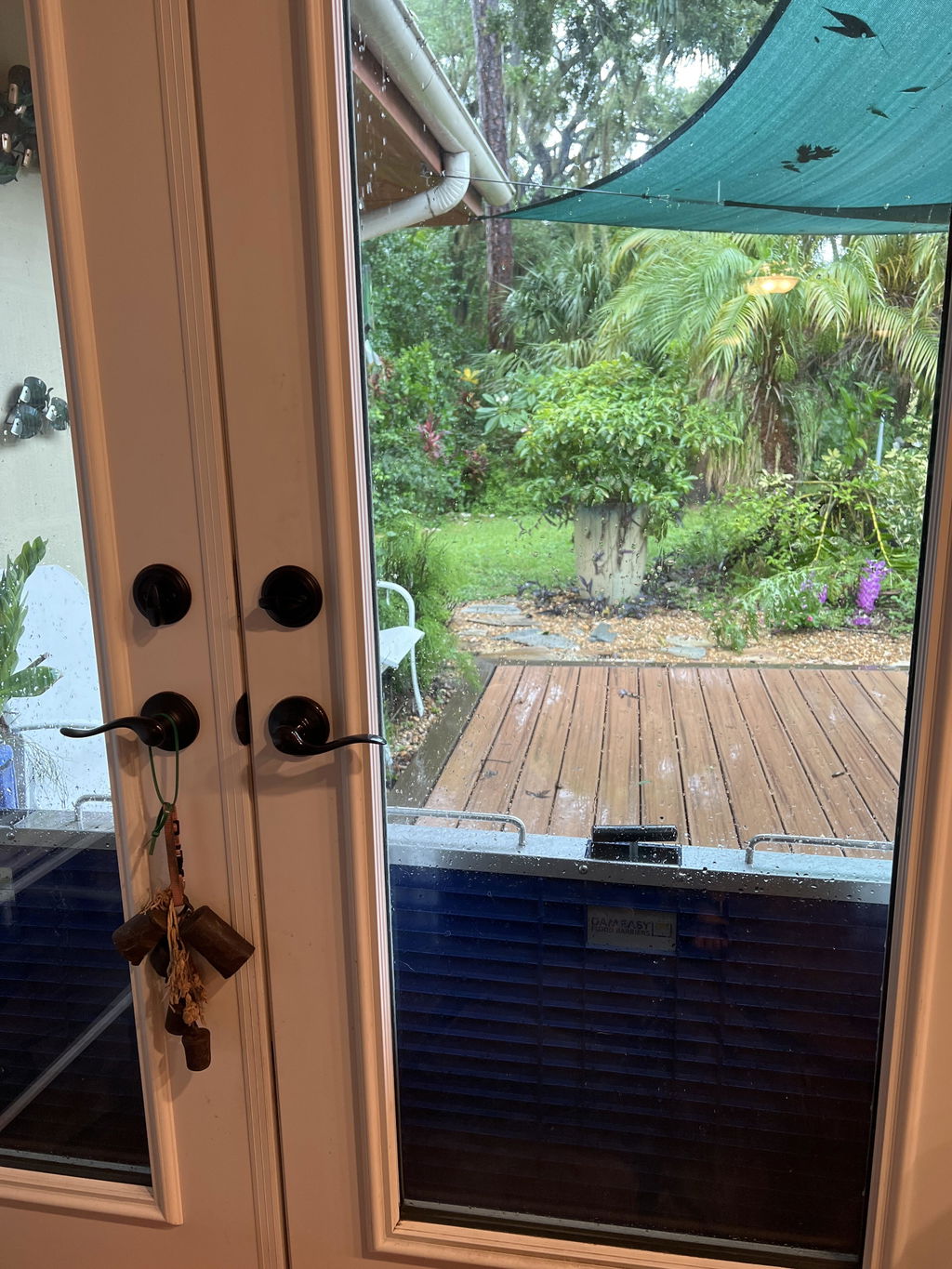
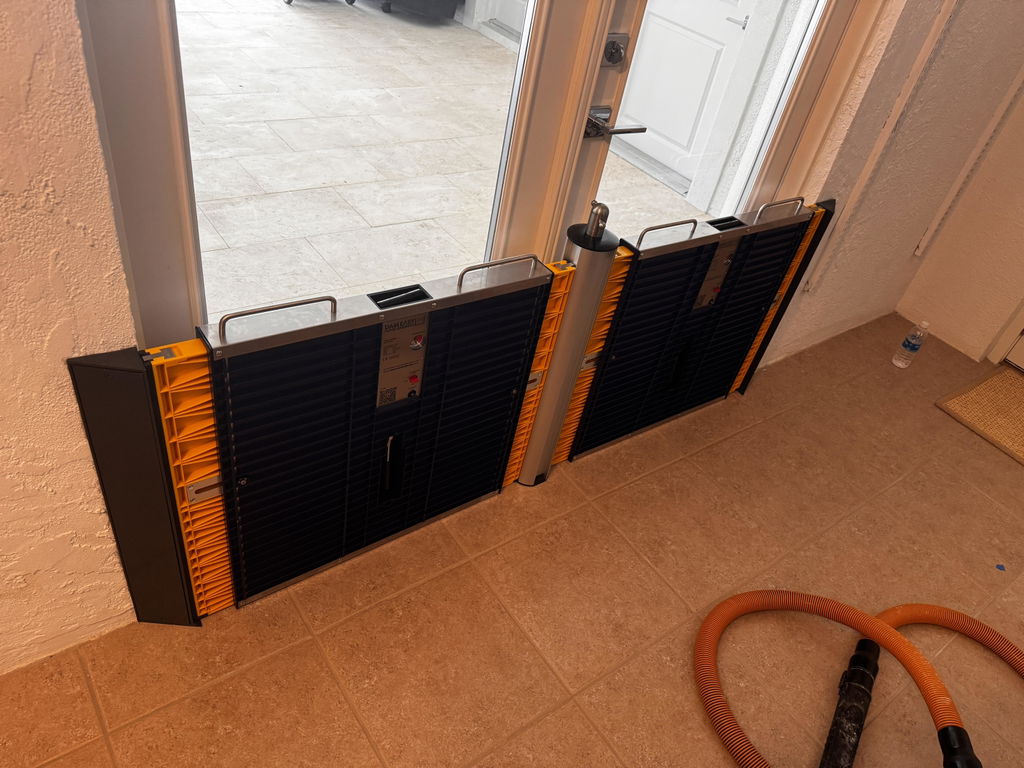
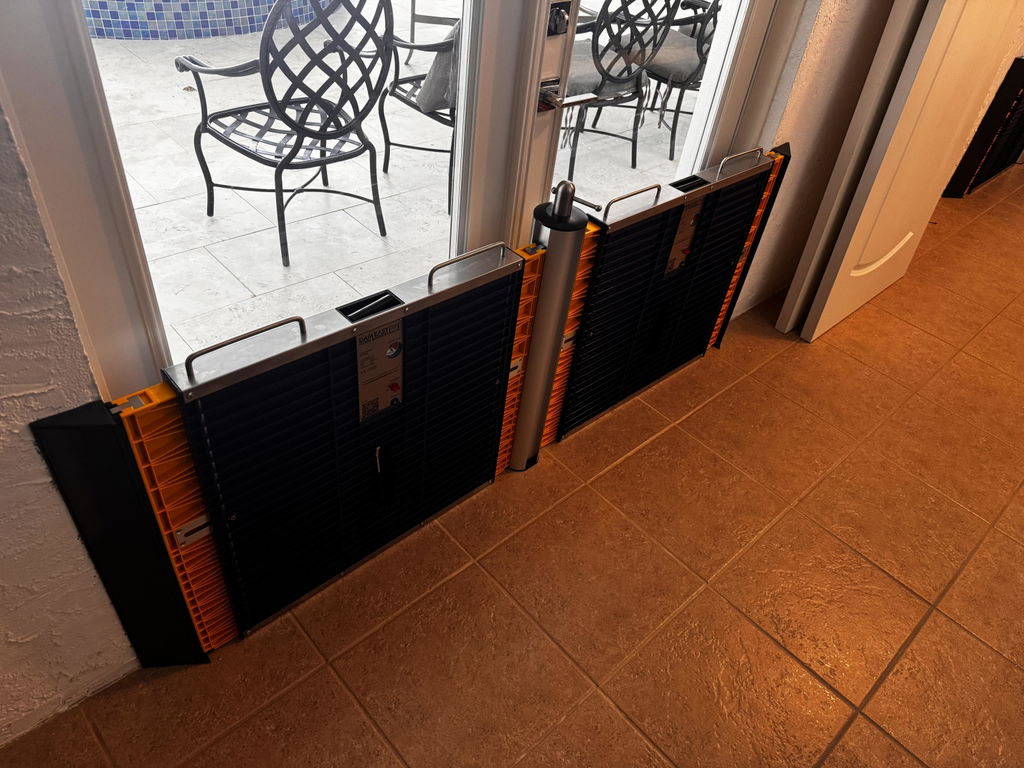
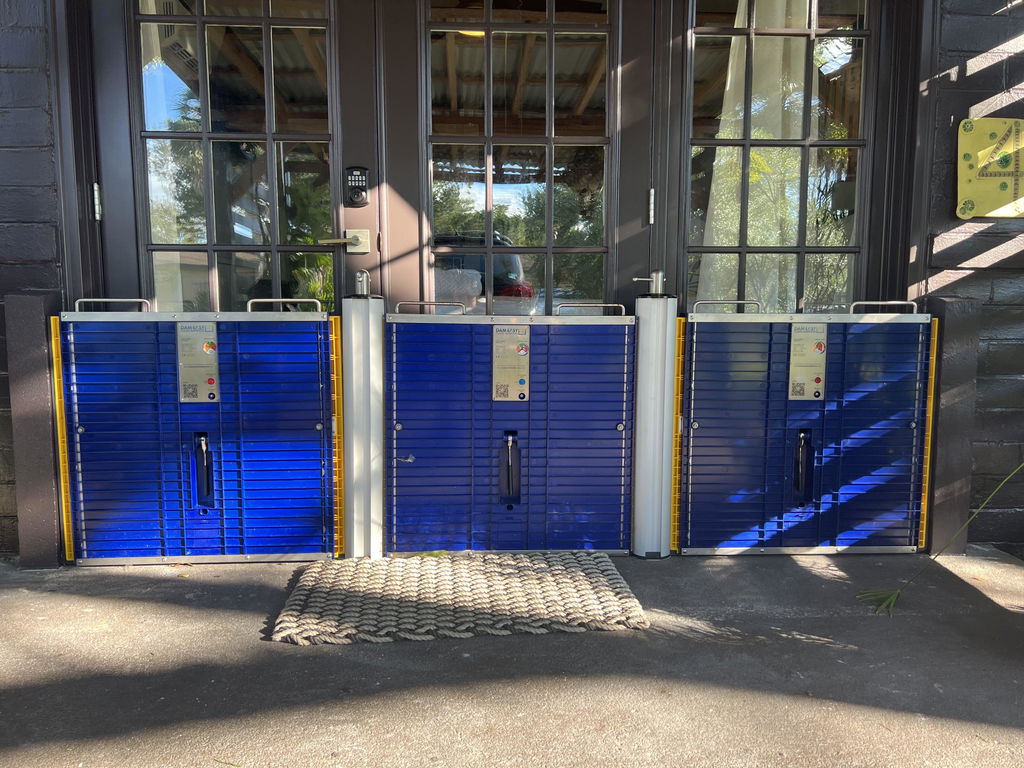
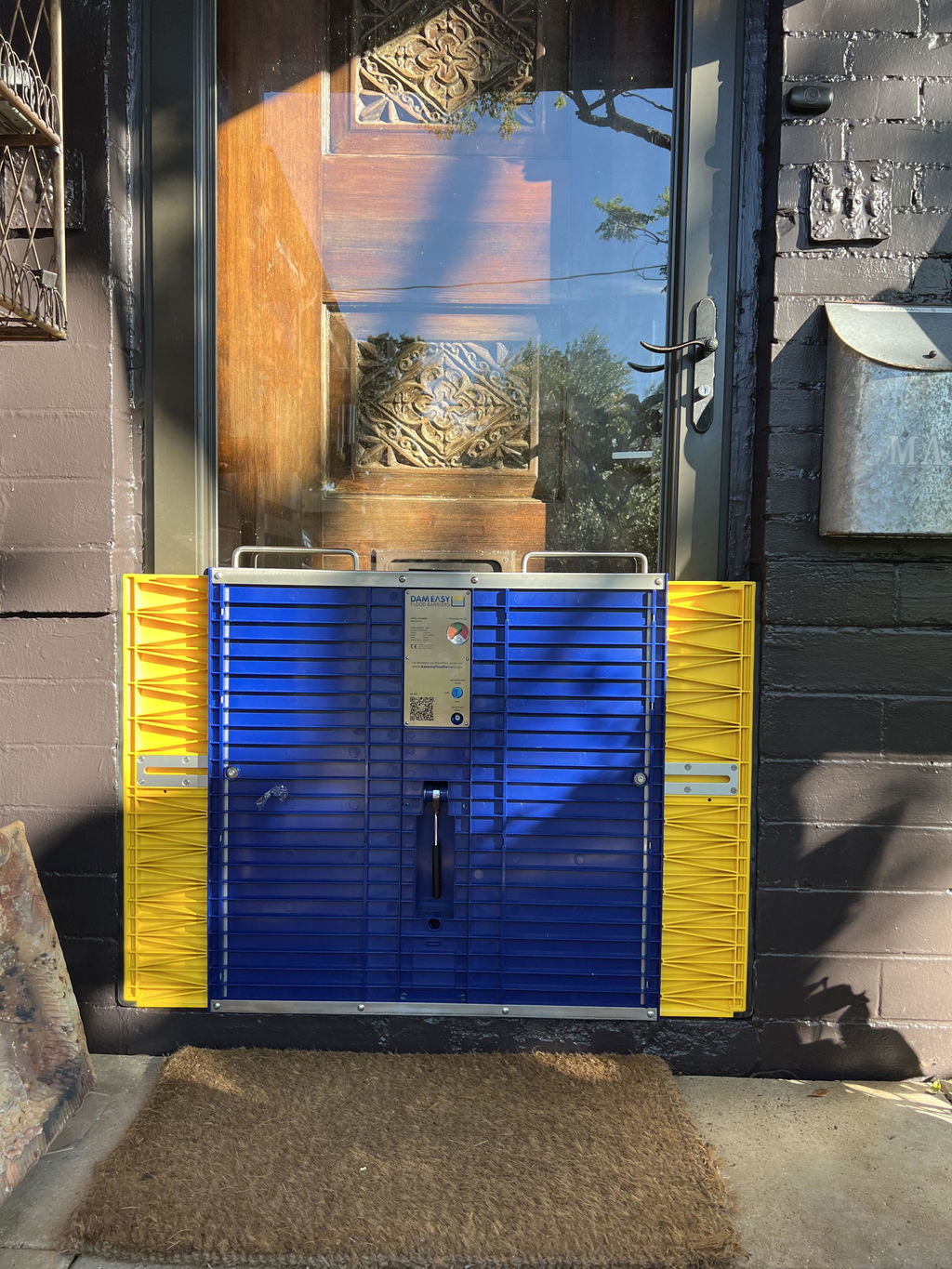
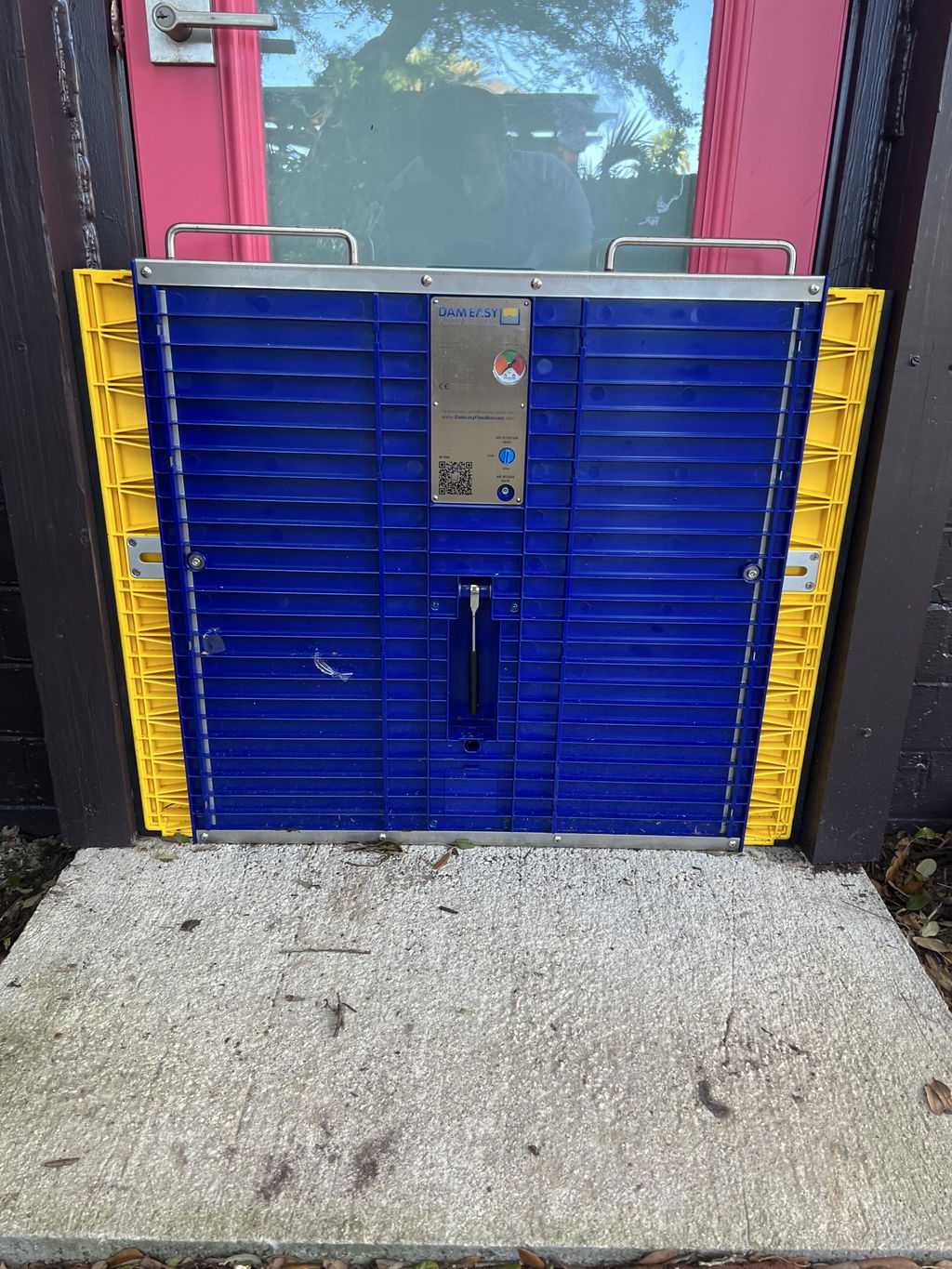
Traditional sandbags are heavy, messy, and hard to store. When an atmospheric river is forecast, you need a solution that is fast and reliable. Dam Easy Flood Barriers are designed for exactly this. They can be installed in minutes without any tools. You simply place them in the doorway and expand them to create a watertight seal.
Empangan Pintu Penghadang Banjir

$949.00
PINTU DAM EASY® FLOOD BARRIER Banjir menjadi lebih biasa di seluruh dunia. Apa yang pernah menjadi fenomena 100 tahun sekarang adalah trend bermusim yang mesti ditangani oleh pemilik rumah. Itulah sebabnya anda memerlukan Dam Door Flood Barrier Door… Read More
4. Seal Your Walls
Check for cracks in your exterior walls or where pipes enter the home. Use waterproof sealant to plug these gaps. During an atmospheric river, water will find even the smallest hole to get inside.
Why an Atmospheric River is Different from a Regular Storm
A normal thunderstorm might last an hour and pass through. An atmospheric river is different because it is persistent. It provides a constant stream of water that can last for days.
During these events, the risk of landslides increases in hilly areas like Ventura, CA, or the Scottish Highlands. In flat areas like Norfolk, UK, or Western Sydney, AU, the risk is "ponding," where the water simply sits on the land for a long time because it has nowhere to drain.
Because of climate change, these "rivers" are also moving faster and hitting areas that haven't flooded in 100 years. This is why "low risk" zones are now seeing heavy rain damage.
What to Do During a Severe Weather Event
If you are in the path of an atmospheric river, safety must be your top priority.
- Stay Informed: Listen to local news and weather apps. Look for "Flood Watches" (flooding is possible) and "Flood Warnings" (flooding is happening).
- Move to Higher Ground: If you live in a basement or a low-lying area, move your most important items to the second floor.
- Don't Drive: Most flood-related deaths happen in cars. It only takes 12 inches of rushing water to sweep a car away.
- Deploy Barriers: If you have a flood gate or barrier, put it in place as soon as the warning is issued. Don't wait for the water to reach your street.
Dam Easy Mini Barrier

$739.00
The Mini barrier is a smaller version of the dam easy barrier, smaller in width, the span is from 515mm - 675mm (20.27 inches - 26.5 inches)… Read More
The Future of Living with Water
We have to accept that an atmospheric river will be a part of our lives for years to come. As the world deals with climate change, our infrastructure—like city drains and dams—is struggling to keep up. This means the responsibility of protecting a home often falls on the property owner.
The good news is that technology is getting better. We have better weather satellites to track an AR before it hits. We also have better tools, like the Dam Easy family of products, to keep the water out.
In the past, people just hoped for the best. Today, smart homeowners in Houston, TX, London, UK, and Melbourne, AU, are taking action early. They are "flood-proofing" their lives.
Bottom Line, Don't Wait for the Next Drop
The atmospheric river is a powerful force of nature. It brings the heavy rain that fuels our crops and fills our reservoirs, but it also brings the severe weather that can destroy a home in an instant.
As climate change continues to shift our weather patterns, "unprecedented" rain will become the new normal. You don't have to be a victim of the next storm. By understanding the risks and preparing your home with the right tools, you can stay safe and dry.
Whether you live in a flood-prone valley in the UK, a coastal town in the USA, or a river-side suburb in Australia, the time to prepare is now—before the next atmospheric river appears on the radar.
Protect your home today.
Contact the Dam Easy team to find the right protection for your Home
Don't let the next heavy rain event take you by surprise.
FAQs
What is an atmospheric river?
An atmospheric river is a long, narrow region in the atmosphere—like a river in the sky—that transports most of the water vapor outside of the tropics. When these columns of vapor move over land, they often release it as heavy rain or snow. They are a major cause of severe weather and flooding on the West Coast of the USA, the UK, and Australia.
How does climate change affect atmospheric rivers?
Climate change makes an atmospheric river more intense because warmer air holds more moisture. For every 1C (1.8F) of warming, the atmosphere can hold about 7% more water vapor. This leads to much heavier rainfall totals during a single storm, increasing the risk of flash floods and property damage.
Why is heavy rain becoming more frequent?
The increase in heavy rain is linked to rising global temperatures. As the planet warms, the water cycle speeds up, causing more evaporation and more intense precipitation. This means that instead of steady, light rain, many regions now experience "rain bombs" or extreme severe weather events that overwhelm city drainage systems.
Where are the most flood-prone areas for atmospheric rivers?
While an atmospheric river can hit many coastal areas, the most common hotspots include:
- USA: California (Sacramento, Santa Cruz), Oregon, and Washington.
- UK: Cumbria, Somerset, and Western Scotland.
- Australia: New South Wales (Lismore, Hawkesbury River) and Southeast Queensland.
How can I protect my home from severe weather floods?
To protect your home from heavy rain caused by an atmospheric river, you should:
Install Flood Barriers: Use products like Dam Easy to seal doorways and air vents.
Maintain Gutters: Keep downspouts clear so water flows away from the foundation.
Improve Drainage: Use French drains or sump pumps in basements.
Landscaping: Grade your yard so that soil slopes away from the house.
Is an atmospheric river the same as a hurricane?
No, an atmospheric river is not a hurricane. While both bring heavy rain and strong winds, an atmospheric river does not have a "central eye" and does not rotate like a tropical cyclone. However, the amount of water an atmospheric river carries can be equal to or greater than the liquid flow at the mouth of the Mississippi River.