Table of Contents
For homeowners in flood-prone areas, your reusable flood barriers are a critical first line of defense. But like any essential tool, their reliability depends entirely on how you care for them. A neglected barrier is no barrier at all.
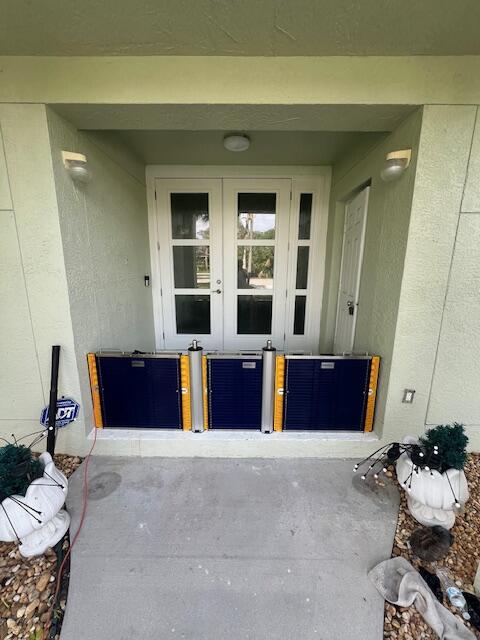
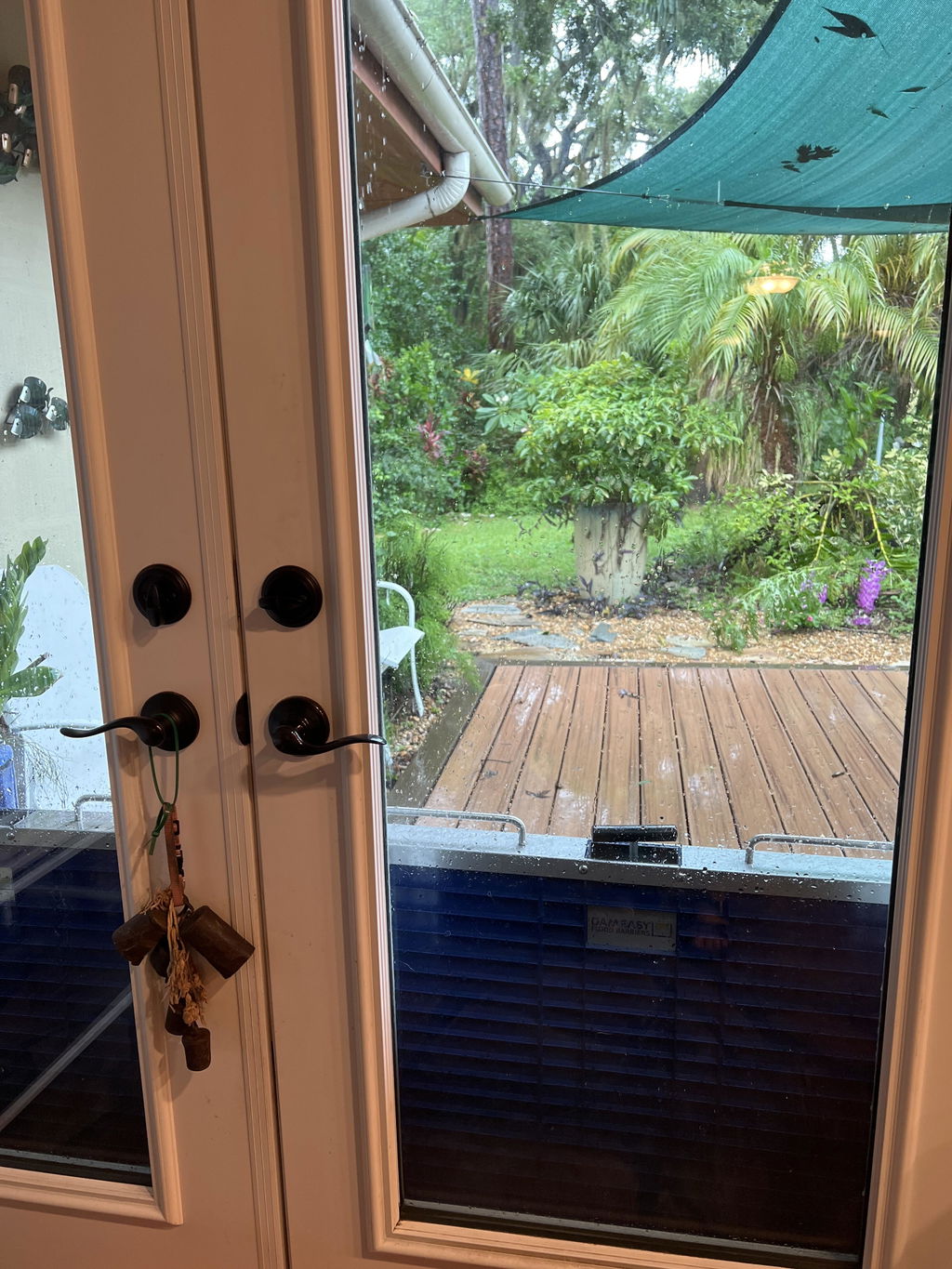
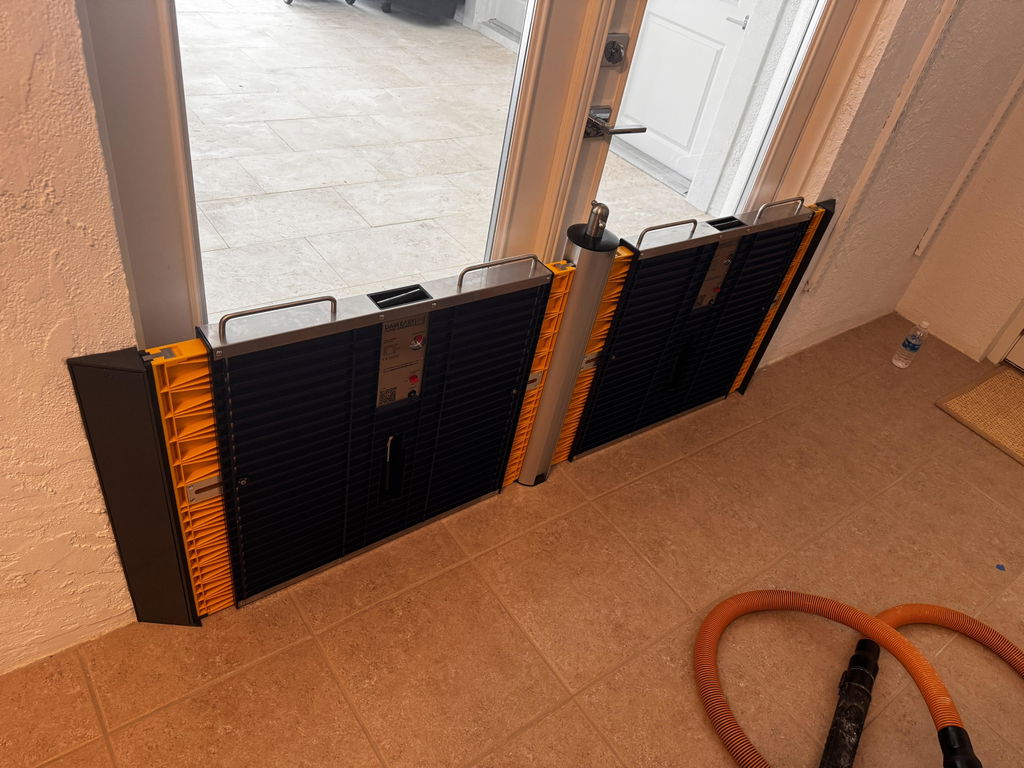
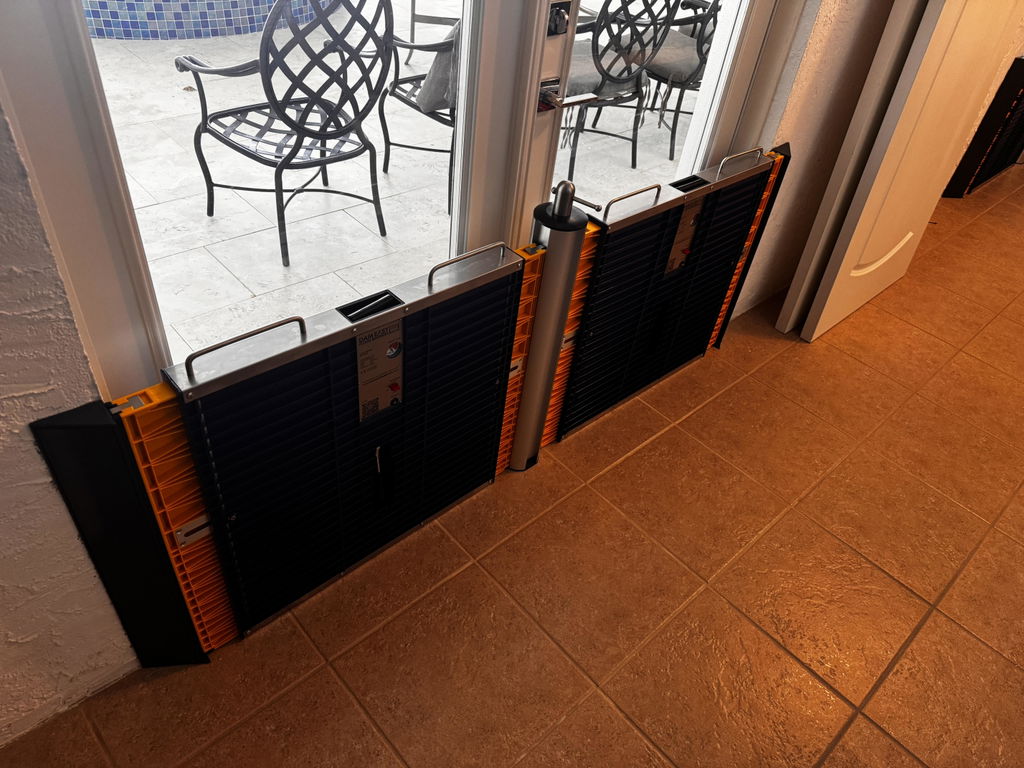
This simple, step-by-step checklist will guide you in storing and maintaining your Dam Easy reusable flood barriers. Follow it to ensure they stand strong, protecting your home and your peace of mind for a decade or more.
Why Your Flood Barrier’s Longevity Matters More Than Ever
For residents in areas like the Gold Coast, Queensland, or Lismore, New South Wales, the stakes couldn’t be higher.
Flooding isn't just a temporary inconvenience; it has a lasting financial impact. Recent analysis shows flood risk has collectively wiped $42.2 billion from the value of Australian homes, with the median flood-prone home valued $75,500 less than a comparable safe home.
In the UK and USA, similar patterns emerge where flooding affects insurance premiums and property values. Your flood barrier is more than a product; it’s an investment in protecting your single largest asset. Proper maintenance ensures that investment pays off for years, keeping your home dry and its value intact.
Your Dam Easy Maintenance & Storage Checklist
Well-maintained reusable flood barriers are reliable barriers. Here’s your actionable guide to long-term care.
Post-Use Cleaning & Drying (Immediate Action)
After a flood event or a practice deployment, proper cleaning is non-negotiable. Floodwater can contain debris, silt, and chemicals that degrade materials.
Rinse Thoroughly: Use a garden hose or damp cloth with clean water to remove all mud, grit, and residue. Pay special attention to the rubber seal and the tracks of the side panels.
Clean Gently: For stubborn dirt, use a soft brush and a mild soap solution. Never use harsh chemicals, solvents, or petroleum-based cleaners, as they can damage the seal and components.
Dry Completely: This is the most critical step. Wipe the entire barrier down with a dry towel. Then, allow it to air-dry fully in a shaded, well-ventilated area before storing. Storing it wet is the fastest way to cause mold and material degradation.
Correct Long-Term Storage
When not guarding your door, your barrier needs a safe home.
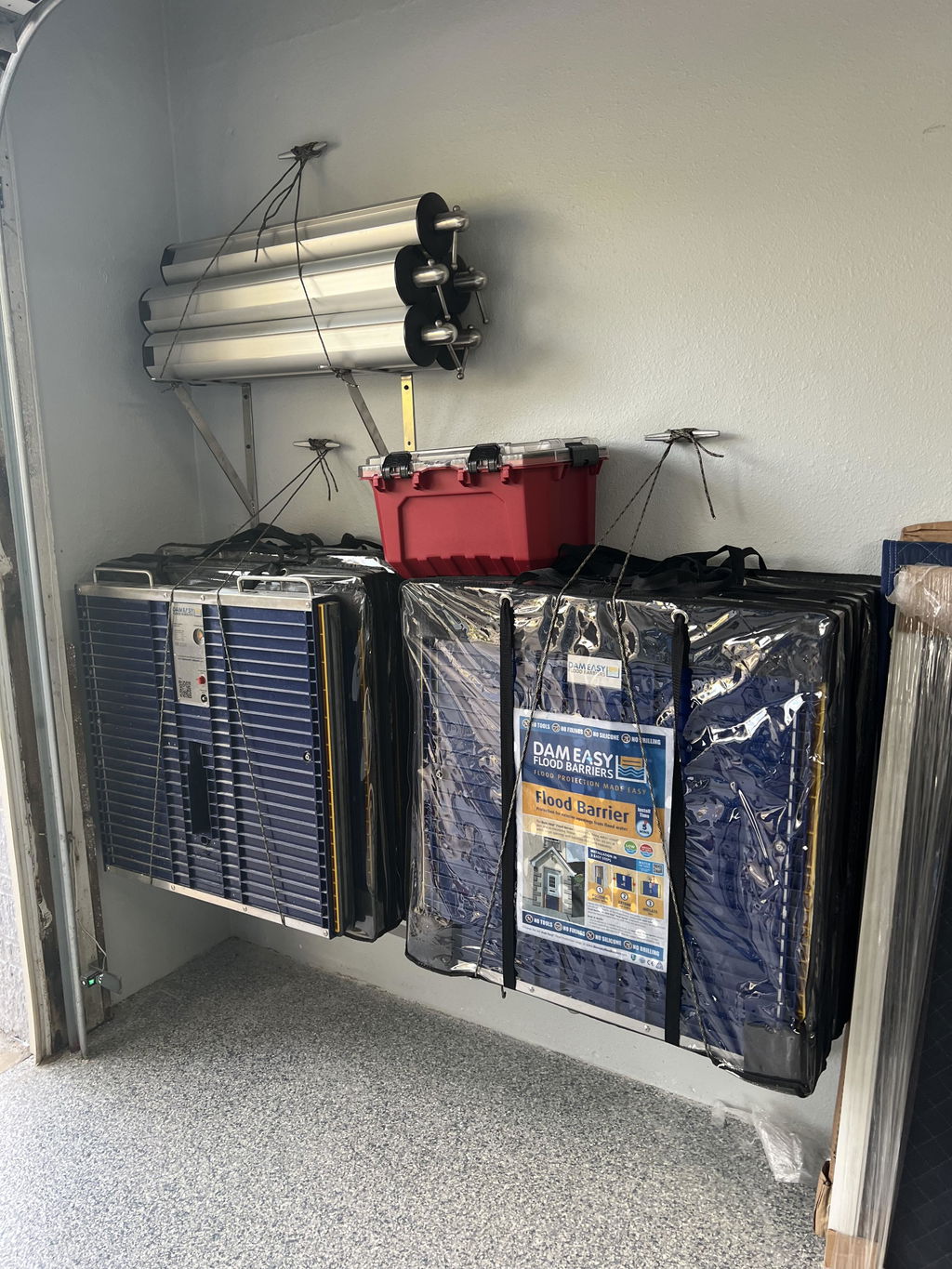
Location, Location, Location: Store in a cool, dry, and dark place. A closet, under a bed, or a dedicated storage shelf is ideal. Avoid damp basements, hot attics, or garages with wide temperature swings.
Avoid Pressure & Distortion: Store the barrier flat or upright on its end. Never lean heavy items against it or store other objects on top of it, as this can warp the frame and affect the seal.
Keep Accessories Together: Store the hand pump and any extension poles or security covers in the same location. Use the original packaging or a dedicated container if possible to keep everything organized and ready for rapid deployment.
Ultimate Flood Barrier

$949.00
Floods are becoming more common around the world. What was once a 100-year phenomenon is now a seasonal trend that homeowners must deal with. That’s EXACTLY why you need this Dam Easy Ultimate Flood Barrier! An excellent alternative to heavy… Read More
Annual Maintenance & Inspection (Set a Calendar Reminder!)
Once a year—perhaps at the start of the storm season—give your barrier a full check-up.
Inspect the Seal: Examine the inflatable rubber seal along its entire length. Look for any signs of cracking, brittleness, peeling, or punctures. The seal is the heart of the watertight barrier.
Check the Frame & Mechanism: Extend and retract the side panels to ensure they move smoothly. Look for any dents, corrosion, or damage on the frame.
Test the Pump: Attach the hand pump and inflate the seal. Listen for air leaks (hissing sounds) and ensure the seal holds pressure. Let it sit inflated for 15 minutes to confirm it remains firm.
The Essential Seal Replacement
Even with perfect care, the rubber seal is a wear item.
Dam Easy experts recommend replacing the seal every 12 months for maximum safety and performance.
This is the single most important part of long-term flood protection. A fresh seal guarantees the airtight, watertight seal you depend on.
Don’t Wait for Failure: Proactively changing the seal is cheap insurance. A Dam Easy seal replacement kit is an affordable, user-serviceable part.
How to Replace: The process is straightforward. Simply deflate the old seal, peel it from its channel, clean the channel, and press the new seal firmly into place. No special tools are needed.
Summary: Your Maintenance Schedule at a Glance
| Task | Frequency | Key Action |
|---|---|---|
| Clean & Dry | After every use (real or practice) | Rinse, wash with mild soap, dry completely before storage. |
| Storage Check | Ongoing | Keep in a cool, dry, dark place, stored flat to avoid warping. |
| Full Inspection | Annually (start of flood season) | Check seal for damage, test pump, ensure moving parts work smoothly. |
| Seal Replacement | Every 12 months | Proactively install a new seal for guaranteed performance. |
Beyond Maintenance: Maximizing Your Protection
Maintenance keeps your gear ready, but strategy ensures it’s used correctly.
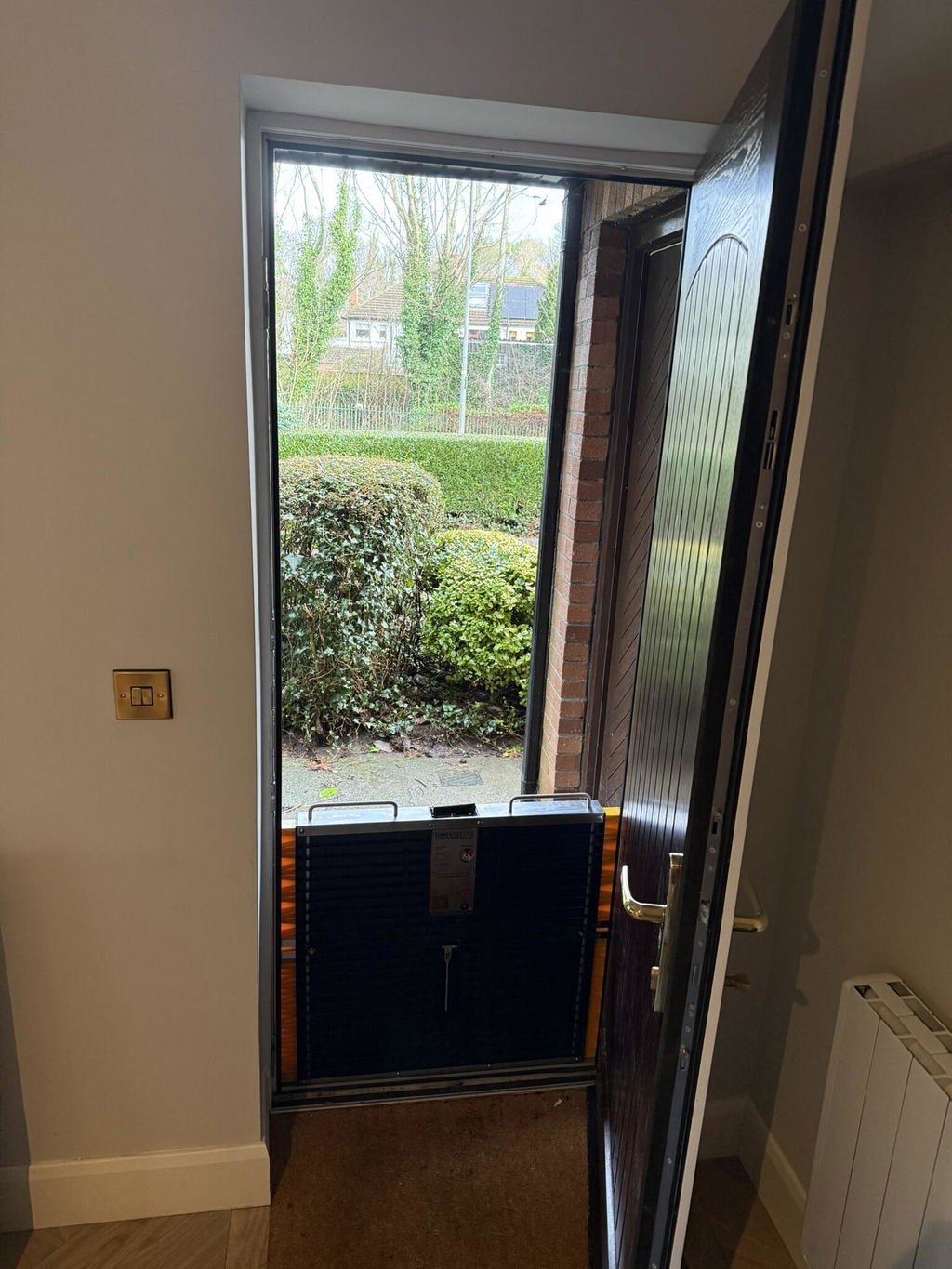
Practice Deployment: When you perform your annual inspection, take five minutes to install the barrier in a doorway. Familiarity is key during the stress of a real flood warning. Remember, the goal is deployment “in under 5 minutes with no tools required.”.
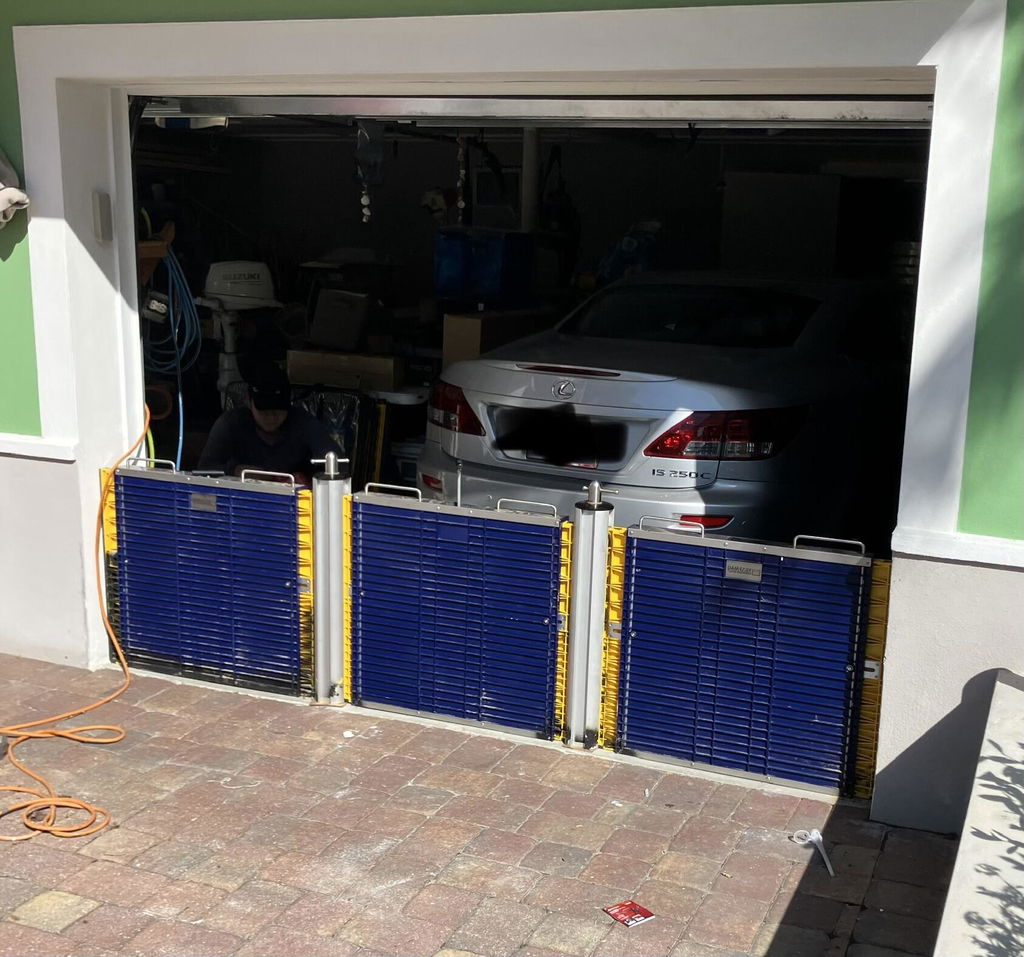
Know Your System: Understand how to connect multiple reusable flood barriers with extension poles for wider openings like garage doors.
Build a Multi-Layer Defense: No single solution stops every flood. Your Dam Easy barrier is a superb core layer of defense against typical flash floods, high tides, and moderate water levels. For comprehensive protection, consider it part of a system that includes sump pumps, backflow valves, and good drainage.
Trust in a System Built to Last
Choosing Dam Easy means choosing a product designed for longevity. Customers from Florida to Yorkshire report relying on their reusable flood barriers for over five years with proper care. This commitment to durable, reusable flood barriers stands in contrast to single-use solutions like sandbags, which create waste and require frantic, last-minute effort.
By following this simple checklist, you’re not just maintaining a product. You are preserving the resilience of your home in Brisbane, Chelmer, or Miami. You are safeguarding the property value that flooding threatens. You are ensuring that when the water rises, your barrier—and your confidence—remains high and dry.
Take Action for Long-Term Protection:
Bookmark this checklist for easy reference.
Set a calendar reminder for your annual inspection and seal replacement.
Order your replacement seal kit today so you have it on hand when needed.
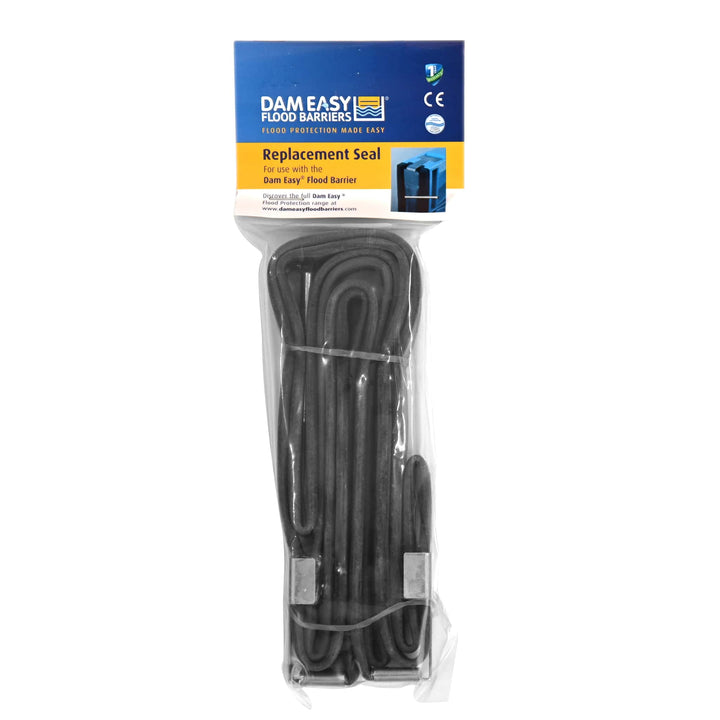
Replacement Seal for Dam Easy Barrier
$20.00
One of the main benefits of our flood barriers is their versatility. Indeed, with the help of just one flood control solution, you can easily and securely seal any door or passage. Our flood barriers fit and adjust to your… Read More
Your future self, facing a forecast of heavy rain, will thank you for the peace of mind that comes with truly prepared long-term flood protection.
FAQs
How do I properly store my reusable flood barriers when not in use?
Store your barriers in a cool, dry, and dark place—like a closet or under a bed. Always ensure they are completely dry and clean before storing, and keep them flat to avoid warping the frame or damaging the seal.
How often should I replace the seal on my Dam Easy flood barrier?
For guaranteed performance, Dam Easy recommends replacing the inflatable rubber seal every 12 months. This proactive Dam Easy seal replacement is the single most important step for long-term flood protection.
Can I really use the same flood barriers for over 10 years?
Yes, absolutely. With proper flood barrier maintenance—including annual inspections, correct storage, and yearly seal replacement—your reusable flood barriers are designed to provide reliable protection for a decade or more.
What’s the most common mistake people make with flood barrier maintenance?
Storing the barrier while it’s still damp. This can lead to mold, mildew, and degradation of the materials. Always clean and thoroughly dry your barrier after use or practice before putting it away.
Do I need any special tools for maintenance or seal replacement?
No special tools are needed. The Dam Easy seal replacement is a simple user-serviceable task. The kit includes everything required, and the process involves peeling out the old seal and pressing the new one firmly into the channel.
Is an annual check-up really necessary if my barrier hasn't been used?
Yes. An annual inspection ensures all components are ready for action. Check the seal for cracking, test the hand pump, and ensure side panels move smoothly. This habit is crucial for long-term flood protection in places like Brisbane, Sydney, or Miami.
How does maintaining reusable barriers save money compared to sandbags?
Reusable flood barriers are a one-time investment. Proper maintenance eliminates the recurring cost and physical labor of buying and disposing of sandbags every flood season, protecting your property value year after year.