Table of Contents
A sudden warm spell in January can feel like a lovely break from winter, but for many homeowners, it brings the hidden danger of a flooded basement. This phenomenon, often called the "January thaw," occurs when a rapid rise in temperature melts a deep snowpack too quickly. The ground, still frozen solid beneath, cannot absorb the massive amount of water, causing it to run off and pool around your home’s foundation. Understanding this risk and preparing for it is key to protecting your property from costly water damage.
This guide will help you understand snowmelt flooding, show you simple steps to protect your home, and introduce you to a fast, modern solution for peace of mind.
Why Snowmelt Is a Sneaky Threat to Your Basement
Unlike a flood from a rising river, snowmelt flooding can feel unexpected. It doesn’t always come with a major storm warning. Instead, it happens when several factors align: an above-average snowpack, a quick spike in temperature, and sometimes, added rainfall. Scientists note that climate change is making these weather patterns more unpredictable, leading to both earlier and later snowmelt floods than in the past.
The main problem is volume and speed. A deep snowpack holds a huge amount of water. When it melts gradually, the soil can soak it up. But during a rapid thaw, the water arrives all at once. Since the soil is often still frozen, it acts like concrete, forcing all that water to run over the surface, seeking the path of least resistance—which is often into your basement.
Cleaning up a flooded basement is not only stressful but also very costly, with repair bills varying dramatically based on the scale of the incident and where you live.
- In the United States, the average cost to repair a flooded basement is around $4,300, though prices can range from as little as $500 for a minor, clean water leak to over $50,000 for severe structural damage from a major flood.
- In the United Kingdom, the average cost to pump water out and begin drying a basement is around £2,000, but comprehensive cleanup and restoration typically start from £5,000 and can escalate significantly from there.
- For homeowners in Australia, major water damage restoration can exceed $10,000, with costs heavily dependent on the extent of the affected area and the type of water involved.
The single biggest factor driving cost is the type of water:
- cleanup after a burst pipe (clean water) is far less expensive
- contaminated "grey water" comes from an appliance.
- hazardous "black water" from a sewage backup.
Furthermore, acting slowly can double or even triple the final bill, as mold begins to grow within 24-48 hours, requiring more extensive demolition and professional mold remediation.
Your Home Flood-Proofing Checklist: Before the Thaw Hits
You don’t have to be a passive victim of the weather. Taking these proactive steps can drastically reduce your risk of a flooded basement.
Start from the Top: Clean your gutters and downspouts. If they’re clogged with leaves and ice, melting snow has nowhere to go but over the sides, dumping water right next to your foundation.
Direct Water Away: Ensure your downspouts extend at least 2 meters (about 6 feet) away from your house. The ground around your foundation should also slope away to guide water elsewhere.
Move the Snow: After a snowfall, shovel snow away from your home’s foundation. Piles of melting snow right against your wall are a direct ticket to a wet basement.
Seal the Cracks: Inspect your foundation and basement walls for any cracks or holes. Seal them with hydraulic cement or masonry caulk to block water’s entry.
Check Critical Systems: Ensure your sump pump is working and has a backup power source. Consider installing a backwater valve to prevent sewage from backing up into your home during a flood.
The Modern Solution: Fast and Reusable Flood Barriers
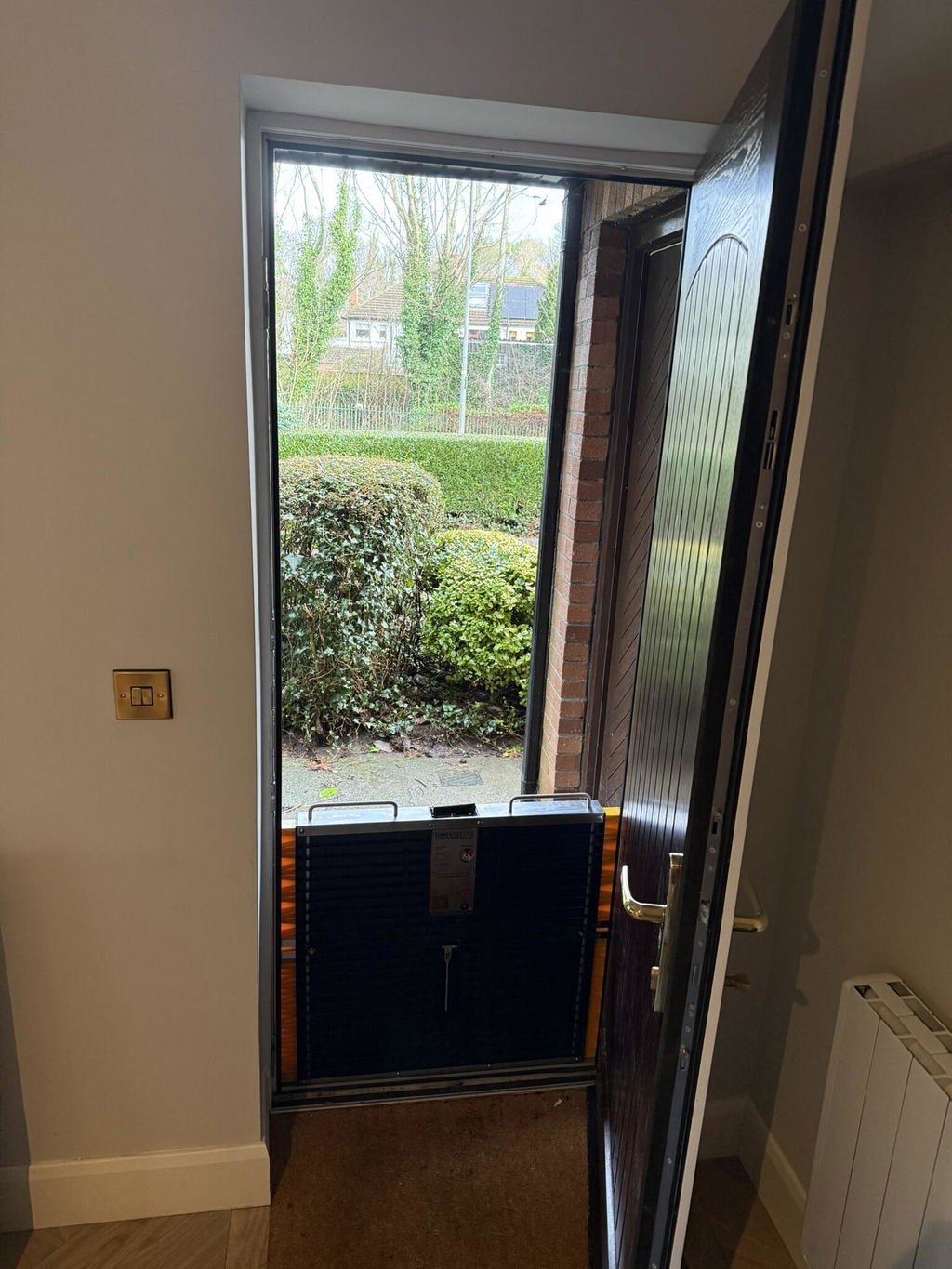
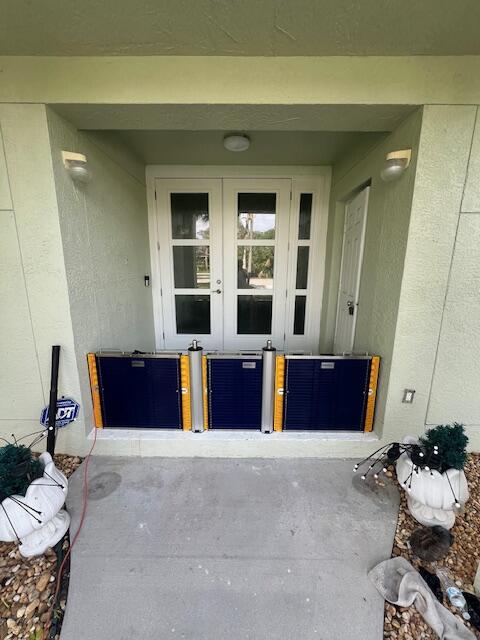
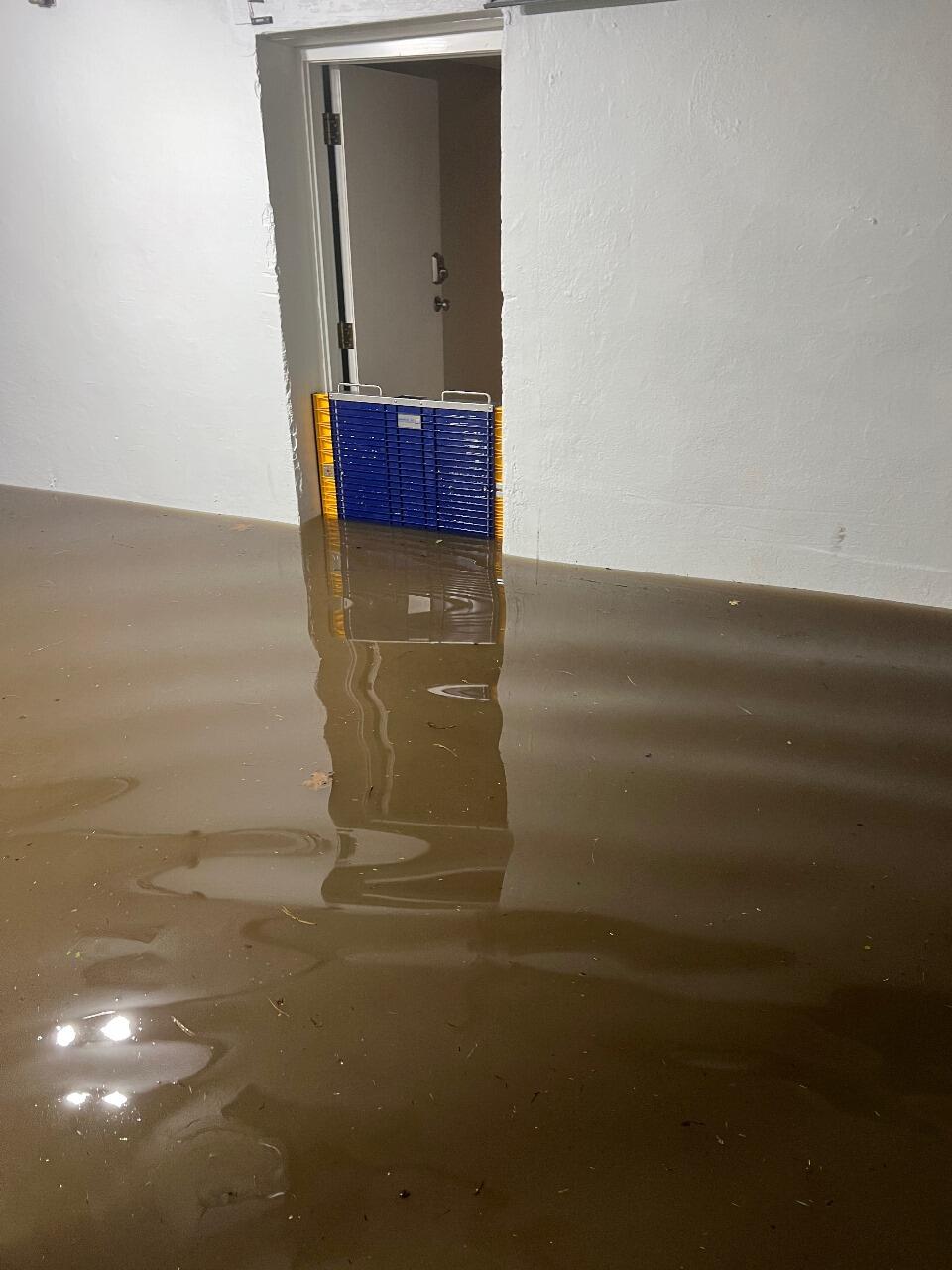
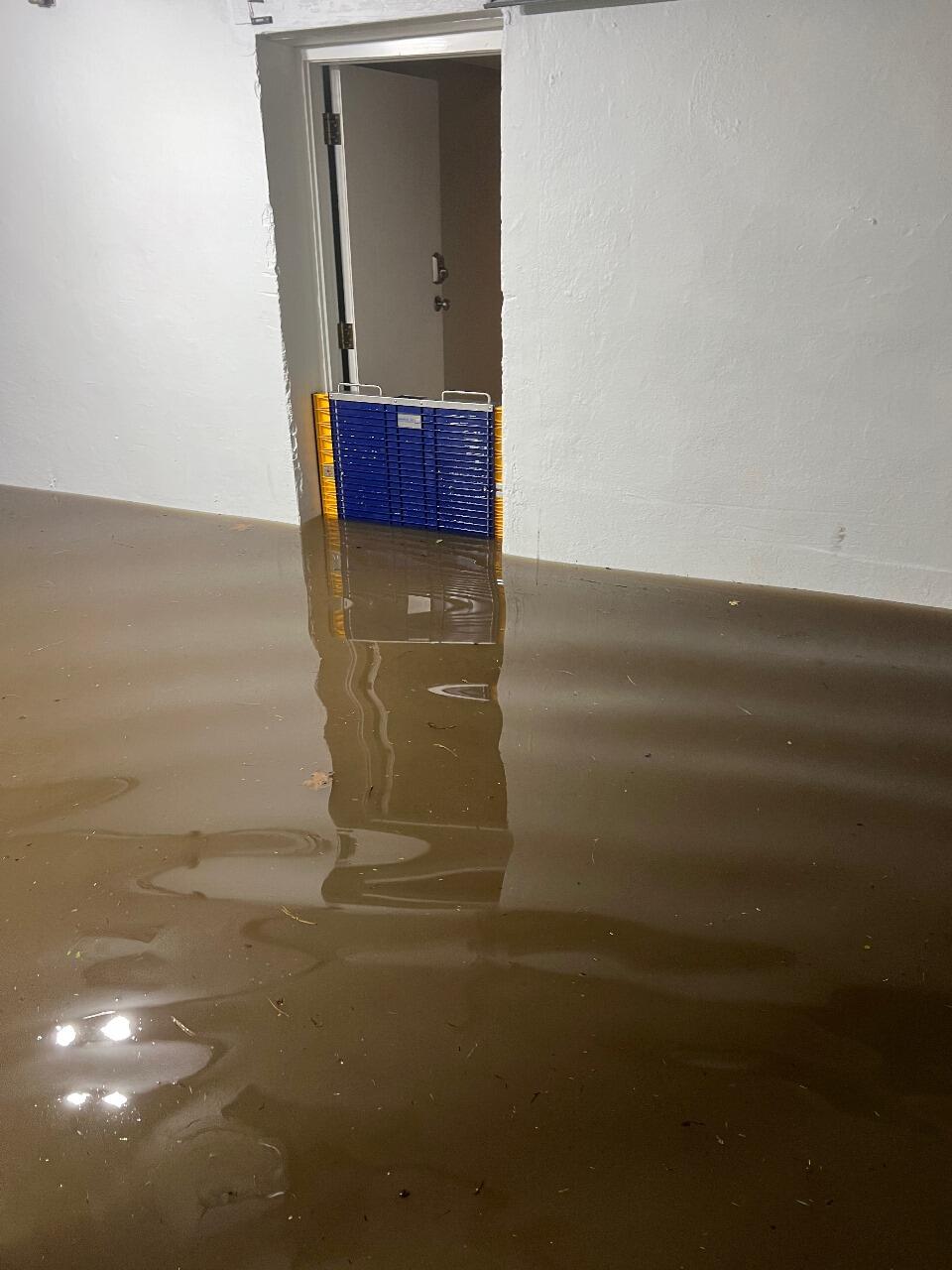
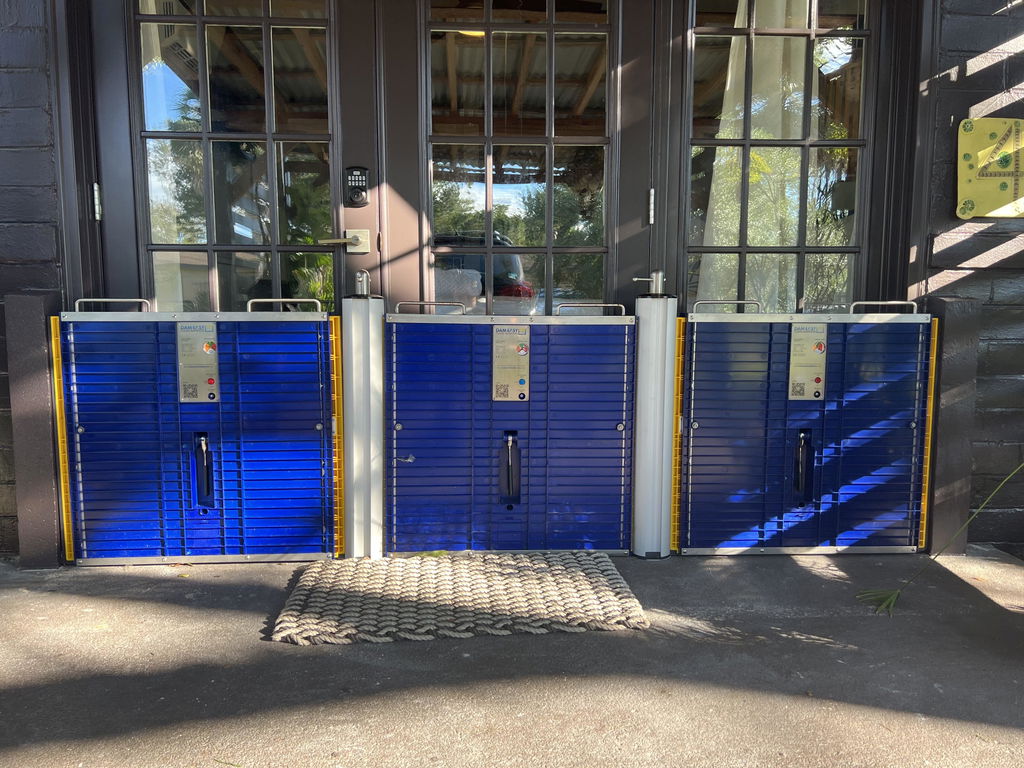
When water is rising, traditional methods like sandbags are messy, physically exhausting, and often ineffective. A modern, reusable flood barrier like those from Dam Easy offers a smarter line of defense.
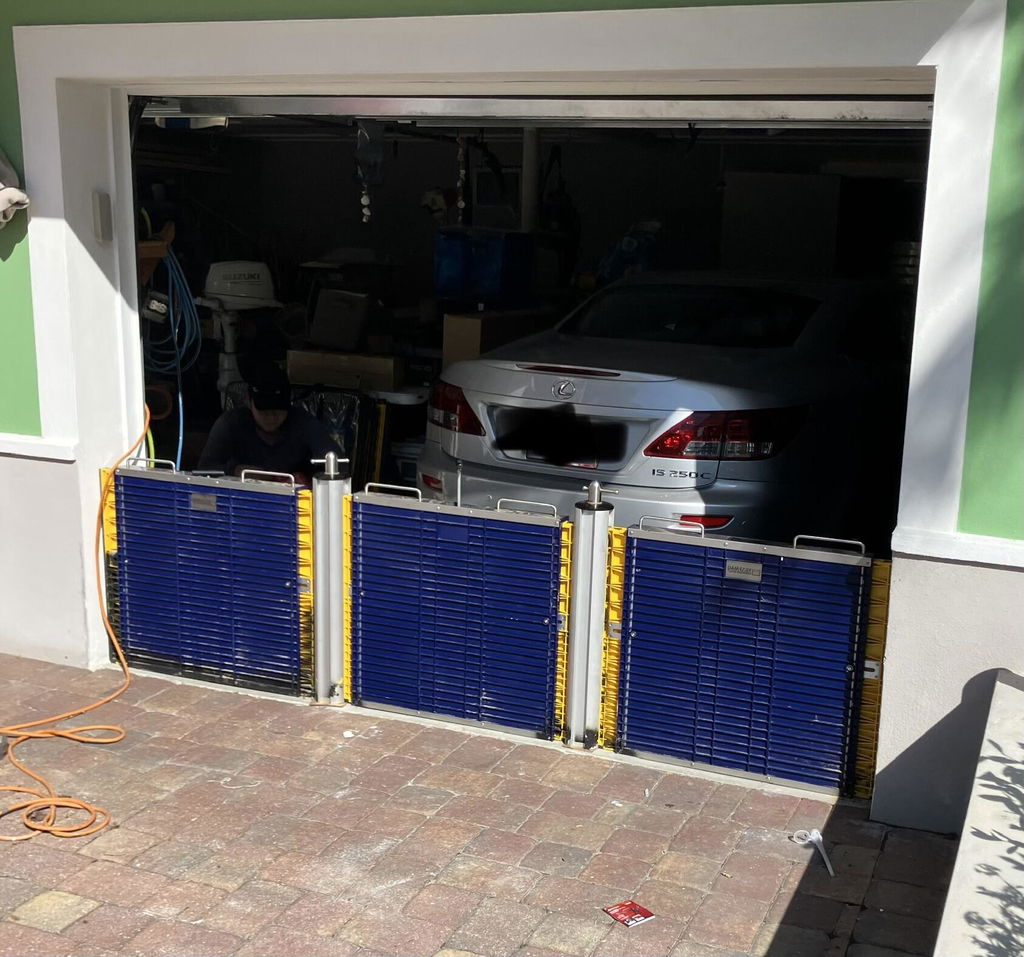
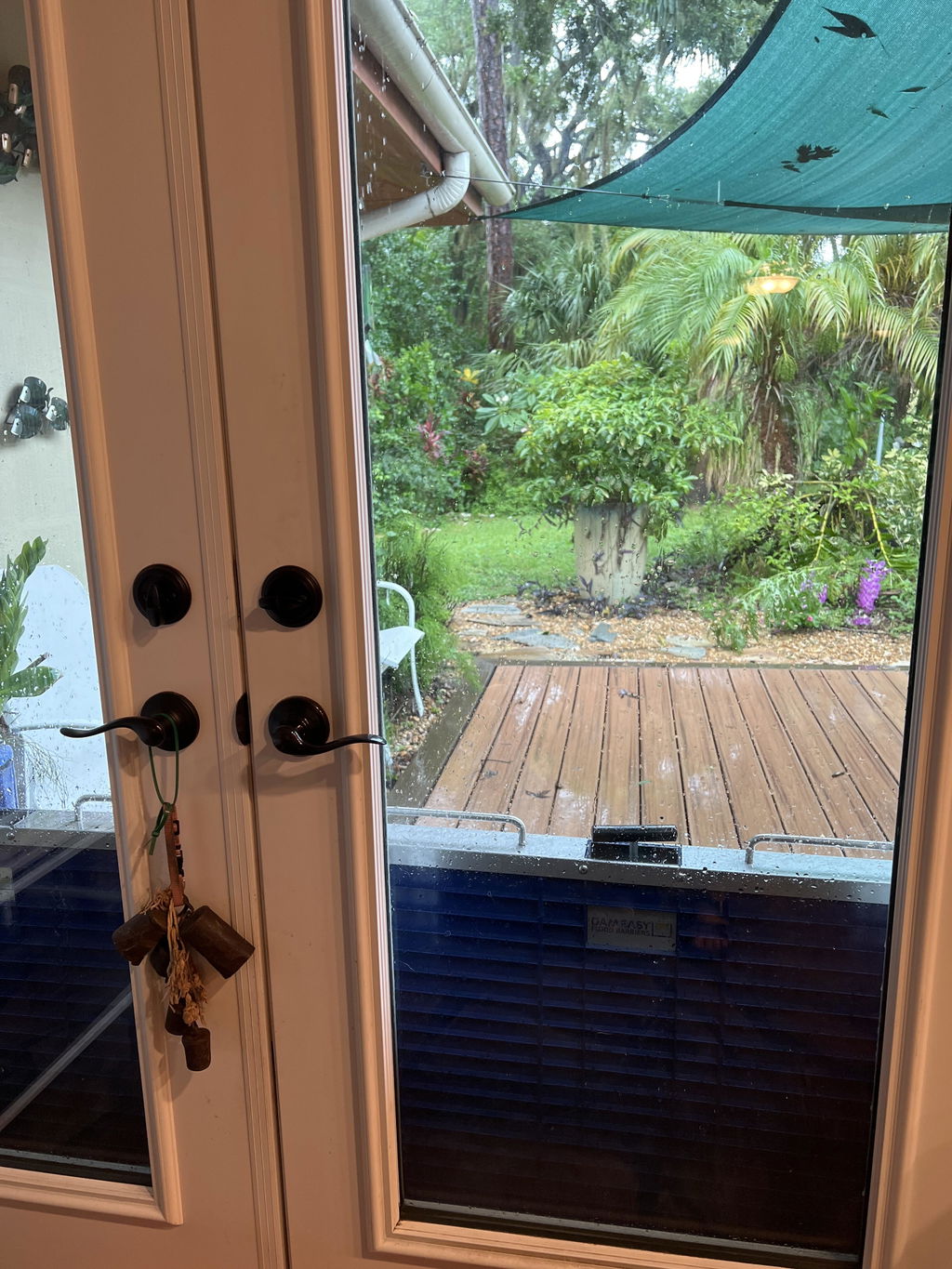
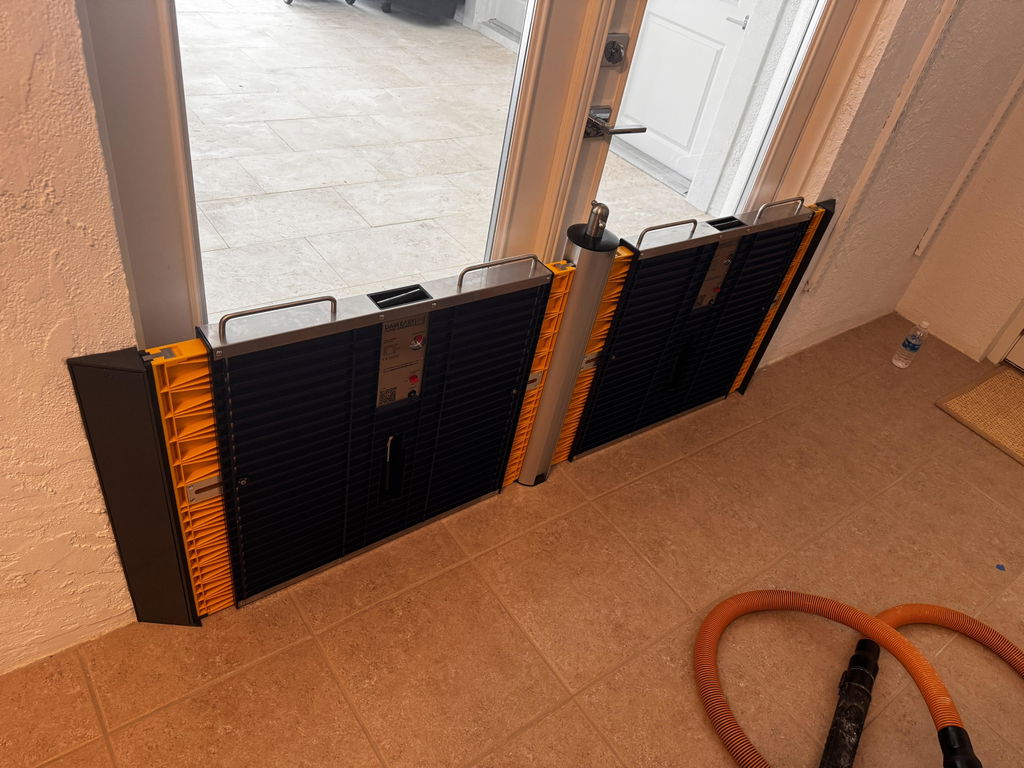
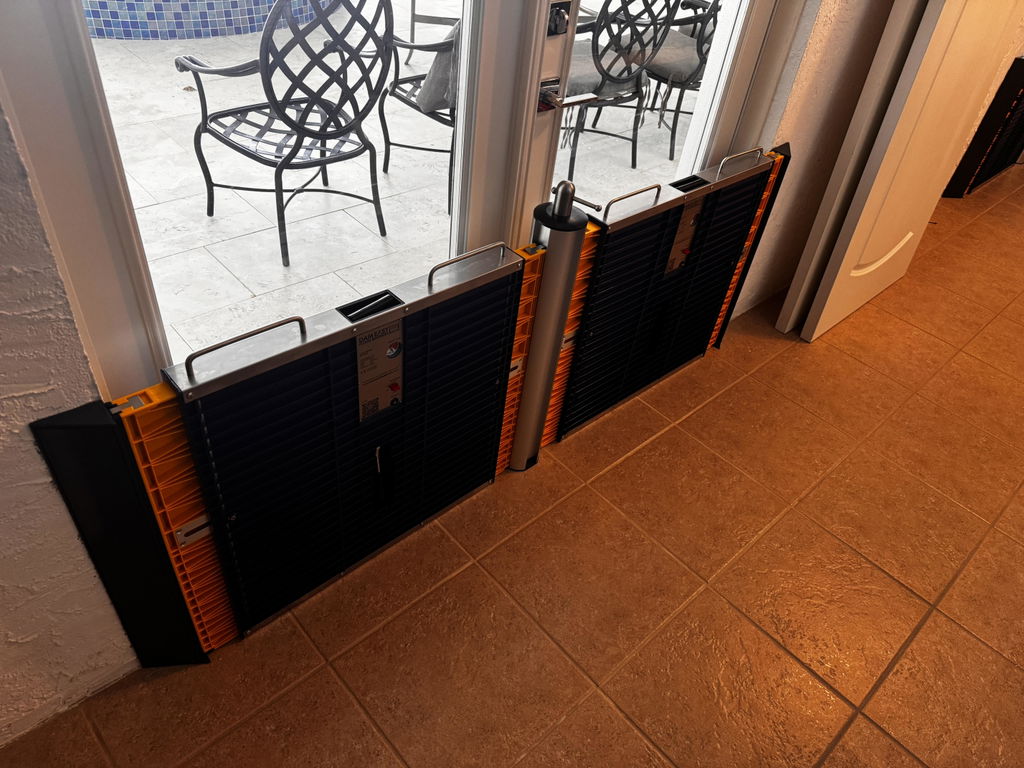
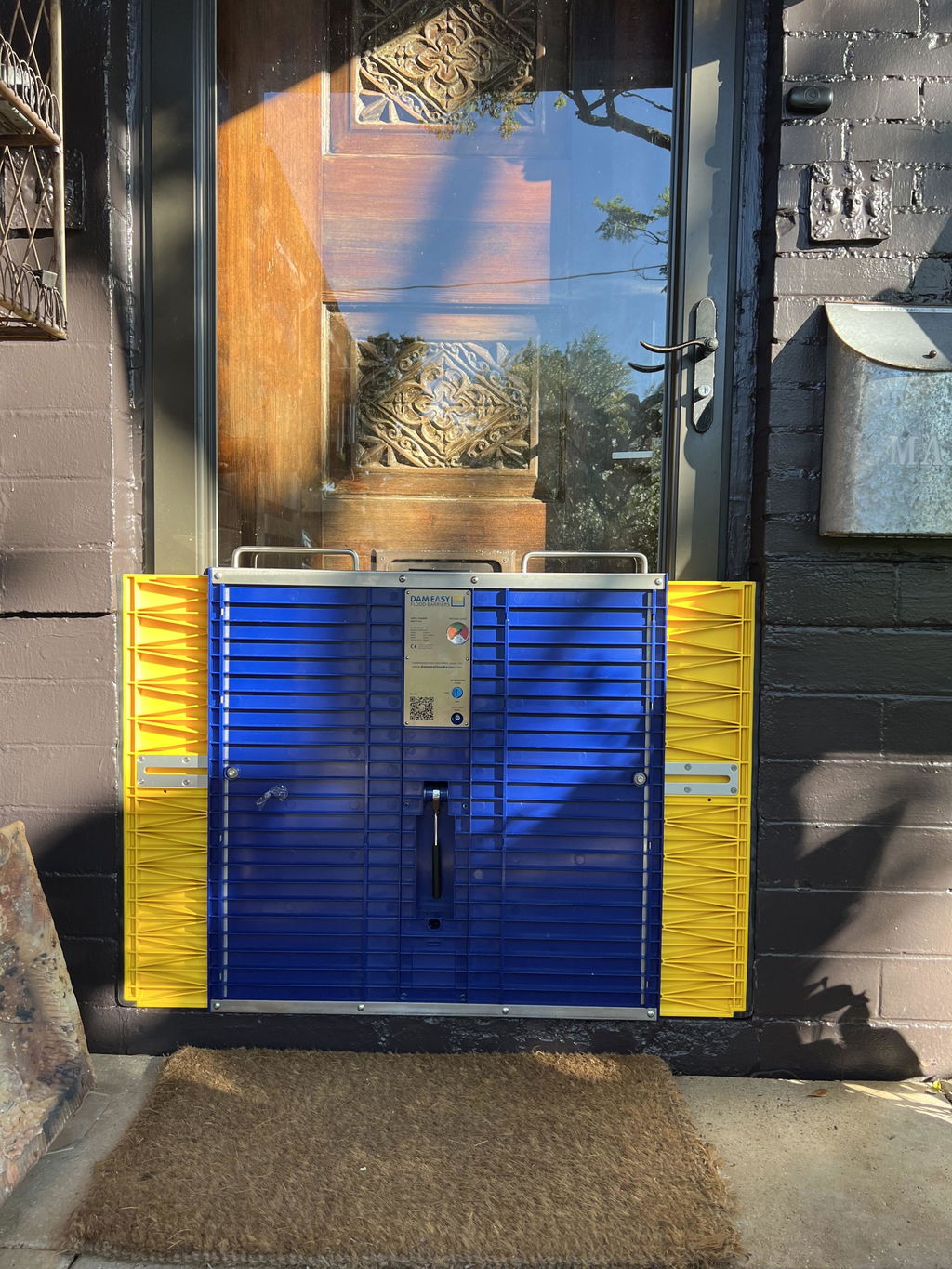
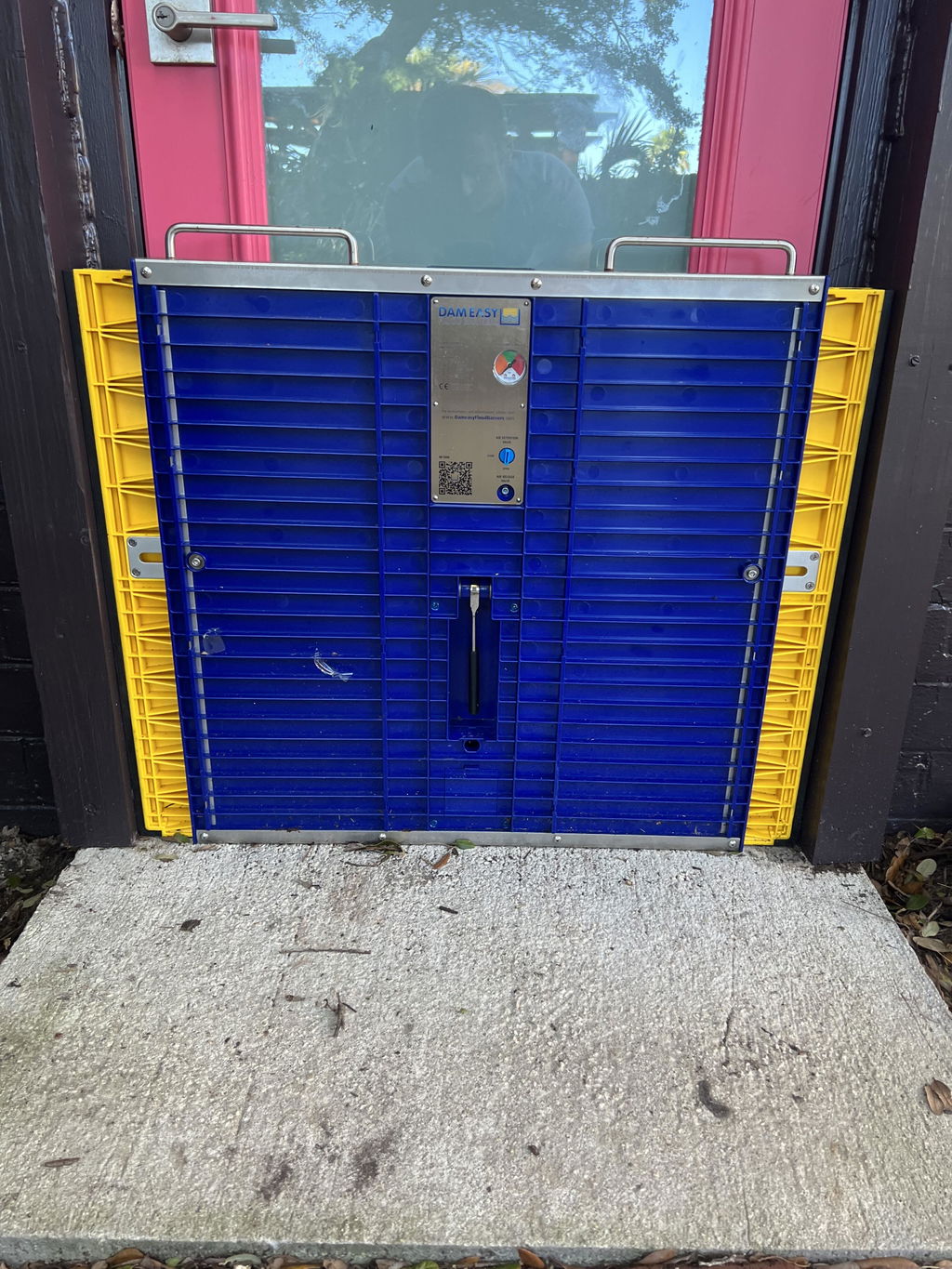
The Dam Easy Flood Barrier is designed for rapid deployment in under five minutes, without needing tools or permanent installation. Here’s how it works as your ultimate basement shield:
Position: Place the adjustable barrier into your doorway or opening.
Expand: Extend the side panels to create a snug fit.
Seal: Use the manual pump to inflate a special seal, creating a watertight lock against the frame.
It’s a system trusted by thousands of homeowners worldwide to protect doors, garages, and other ground-level openings and prevent flooded basement.
Ultimate Flood Barrier

$949.00
Floods are becoming more common around the world. What was once a 100-year phenomenon is now a seasonal trend that homeowners must deal with. That’s EXACTLY why you need this Dam Easy Ultimate Flood Barrier! An excellent alternative to heavy… Read More
Dam Easy vs. Traditional Sandbags: A Clear Choice
| Feature | Dam Easy Flood Barrier | Traditional Sandbags |
|---|---|---|
| Setup Time | Under 5 minutes | 1-2 hours for a single door |
| Physical Effort | Minimal; one person can install | Very heavy; requires a team |
| Effectiveness | Watertight pneumatic seal | Often leaks between bags |
| Reusability | Fully reusable; clean and store | Single-use; messy disposal |
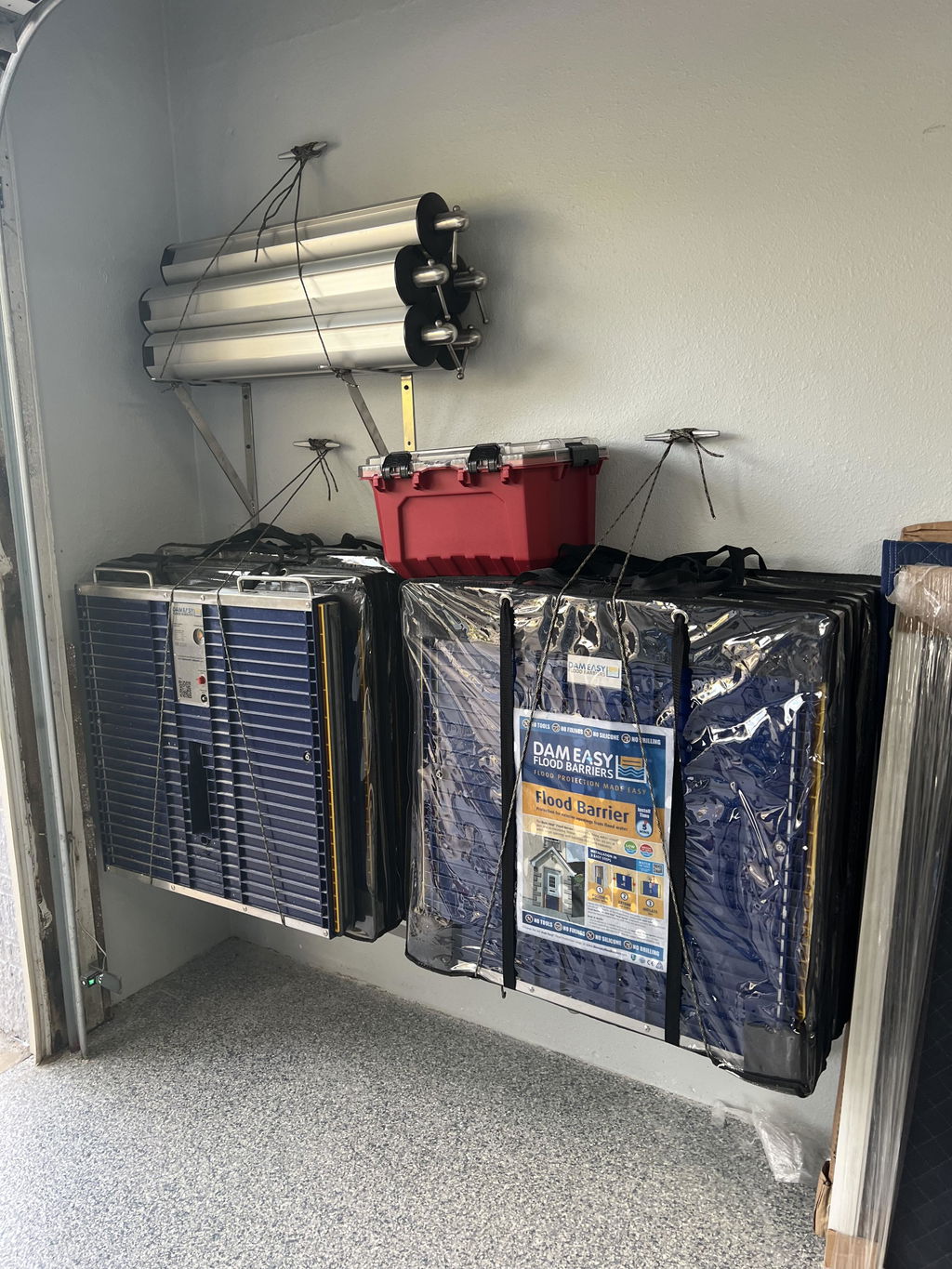
| Storage | Compact and clean | Bulky, dirty, and attracts pests |
Is Your Area at Risk? Flood-Prone Regions to Watch
Snowmelt flooding and basement water damage are major concerns in many regions across our key countries. If you live in one of these areas, being prepared is especially important:
USA: Mountain and northern states like Colorado, Utah, Montana, Minnesota, Wisconsin, Michigan, and Upstate New York.
Canada: Provinces like Ontario, Alberta, British Columbia, and Quebec, where deep winter snow is common.
United Kingdom: Areas prone to surface water flooding, including parts of Yorkshire, Cumbria, and communities along major rivers like the Severn and Thames.
Australia: While less associated with snowmelt, urban flash flooding from intense rainfall is a severe risk in cities like Sydney (NSW), Brisbane (QLD), and Melbourne (VIC), where rapid water runoff can overwhelm systems.
Don't Wait for the Water to Come
A flooded basement is more than just an inconvenience. It means ruined belongings, the threat of toxic mould, and repair bills that can run into the tens of thousands. The stress of cleaning up and repairing your home is something no family should have to experience.
The key is to act before the January thaw arrives. By following the simple home maintenance checklist and investing in a reliable, fast-deploying line of defense, you can turn a season of risk into a season of security.
Ready to stop worrying about snowmelt and protect your basement for good? Explore the Dam Easy Flood Barrier system today. Use our simple online calculator to see exactly what you need for your doors and garage, and join over 10,000 customers who have found true peace of mind.
Visit our product family page to find your perfect flood barrier solutio
FAQs
How can I stop my basement from flooding during snowmelt?
The key is directing water away. Clean gutters, extend downspouts, shovel snow away from your foundation, and seal cracks. For active protection, installing a reusable flood barrier at doorways provides a fast, watertight seal against rapid snowmelt flooding.
What causes a flooded basement in winter?
"January thaw"—a rapid warm-up that melts snow faster than the frozen ground can absorb it. This causes massive runoff that pools around foundations. Frozen pipes that burst are another common cause.
How do I floodproof my basement?
Floodproofing a basement is a multi-step process:
1) Improve exterior drainage (gutters, grading),
2) Seal foundation cracks,
3) Maintain a working sump pump, and
4) Use flood barriers at entry points for proven protection against incoming water.
How does a Dam Easy flood barrier work?
Our flood barrier is designed for speed. You place it in a doorway, expand the side panels for a snug fit, and use a hand pump to inflate a rubber seal. This creates an instant, watertight dam that protects your basement without tools or sandbags.
Are flood barriers better than sandbags?
Absolutely. Unlike messy, single-use sandbags, a Dam Easy barrier is reusable, sets up in under 5 minutes, and creates a perfect seal that doesn't leak. It's a modern, effective solution for how to floodproof a basement quickly.
Where can I buy Dam Easy flood barriers?
You can view our full product family and purchase directly through our official website.
https://dameasyfloodbarriers.com/collections/dam-easy-product-family
We ship to homeowners across the U.S., UK, and other regions prone to snowmelt flooding.
How much does it cost to fix a flooded basement?
Repair costs vary wildly. A minor cleanup can cost a few hundred dollars, but severe flooding with contaminated water, mold remediation, and structural repairs can exceed $10,000. Prevention with a flood barrier is far more cost-effective.
How quickly do I need to clean up a flooded basement?
Act within 24-48 hours. Mold can start growing in a flooded basement very quickly. Immediate water extraction and drying are crucial to prevent secondary damage and much higher repair costs.