Table of Contents
- Why the Flood Insurance Cost Per Year is Changing
- FEMA Flood Map Updates: What You Need to Check
- Understanding Flood Insurance Grace Periods
- Flood Risk Assessment for Commercial Property
- How Location Affect Your Bill
- Practical Ways to Lower Your Rates
- What is a "Normal" Flood Insurance Cost Per Year?
- Looking Ahead to 2026
- How Dam Easy Can Help
- Final Thoughts
- FAQs
When you own a home or a business, the weather is always on your mind. Lately, it seems like the rain is getting heavier and the storms are getting stronger. If you live in a place like New Orleans, Louisiana, or the coastal areas of Florida, you already know that water is a constant threat. One of the biggest questions on everyone's mind right now is, what is the flood insurance cost per year going to look like in 2026?
Understanding your insurance bill is hard enough, but with changing climates and new government rules, it feels like the price keeps climbing. In this guide, we will break down why rates are changing, how to check your risk, and what you can do to keep your costs down.
Why the Flood Insurance Cost Per Year is Changing
For many years, the price people paid for flood insurance didn't always match the actual risk of their house getting wet. In the USA, FEMA (the Federal Emergency Management Agency) changed how they calculate prices. This new system is called Risk Rating 2.0. Instead of just looking at big zones on a map, they now look at the specific features of your individual home.
Because of this, the flood insurance cost per year is expected to keep shifting as we head into 2026. If you live in a high-risk spot like Houston, Texas, or Norfolk, Virginia, you might see your premiums go up. The goal of the insurance companies is to make sure they have enough money to pay out claims when a big disaster hits.
In the UK, programs like Flood Re help keep things affordable for now, but even there, residents in flood-prone areas like Somerset or Yorkshire are seeing changes. In Australia, specifically in places like Lismore or Brisbane, private insurance companies are hiking rates because the cost of rebuilding after a flood has gone up so much.
FEMA Flood Map Updates: What You Need to Check
One of the biggest factors that changes your bill is FEMA flood map updates. These maps are the official documents that show which areas are likely to flood. If a new map is released and your house is moved from a "low-risk" zone to a "high-risk" zone, your bank might suddenly require you to buy insurance.
In 2026, many states will see updated maps. These updates use new technology and satellite data to see exactly where water flows. Even if you have lived in your home for thirty years and never saw a drop of water in your kitchen, a map update could change your financial future.
It is a good idea to check the FEMA Flood Map Service Center website once a year. If you see that your area is being re-mapped, you should talk to your insurance agent immediately. Being proactive can save you thousands of dollars.
Understanding Flood Insurance Grace Periods
Life gets busy, and sometimes we forget to pay a bill. However, when it comes to water damage, timing is everything. You need to be aware of flood insurance grace periods.
Usually, if you miss a payment, you have a very short window—often around 30 days—to pay the bill before your coverage is cancelled. If your policy lapses and a storm hits the next day, you are stuck paying for the repairs out of your own pocket.
More importantly, most new flood insurance policies have a 30-day waiting period before they start. You cannot wait until a hurricane is named on the news to buy insurance. If you buy it today, it won't protect you for a full month. This is why keeping your policy active is the smartest way to manage your flood insurance cost per year. If you let it drop, you might lose your "grandfathered" lower rate and have to pay the new, higher 2026 prices.
Flood Risk Assessment for Commercial Property
If you own a business, the stakes are even higher. A flood risk assessment for commercial property is a deep dive into how water could ruin your livelihood. Commercial insurance is often more expensive than residential insurance because the buildings are larger and the equipment inside—like computers, machinery, and inventory—is worth a lot of money.
For business owners in London near the Thames or in the business districts of Sydney, a professional assessment can show you where your weak spots are. Do you have expensive stock stored in the basement? Are your electrical panels on the ground floor?
By doing an assessment now, you can make changes to the building that might lower your insurance premiums. Insurance companies like to see that you are taking steps to protect yourself. They see you as a "lower risk," which can lead to a lower flood insurance cost per year.
How Location Affect Your Bill
Where you live is the number one reason your bill is high or low. Here are some of the most flood-prone locations where residents are seeing the biggest price jumps:
- USA: Miami, FL; Charleston, SC; and Atlantic City, NJ.
- UK: Hull, Doncaster, and parts of East London.
- Australia: Western Sydney, Northern Rivers (NSW), and South East Queensland.
In these spots, the flood insurance cost per year can range from $800 to over $5,000 depending on how close you are to the water. In 2026, as sea levels rise and drainage systems get older, these numbers are likely to trend upward.
Practical Ways to Lower Your Rates
The good news is that you aren't totally helpless. You can take physical steps to protect your home and lower your flood insurance cost per year.
- Elevate Utilities: Move your air conditioner, water heater, and furnace to a higher floor or onto a raised platform.
- Install Flood Vents: These are small openings in a crawlspace or garage that let water flow through the building instead of pushing against the walls and knocking the house down.
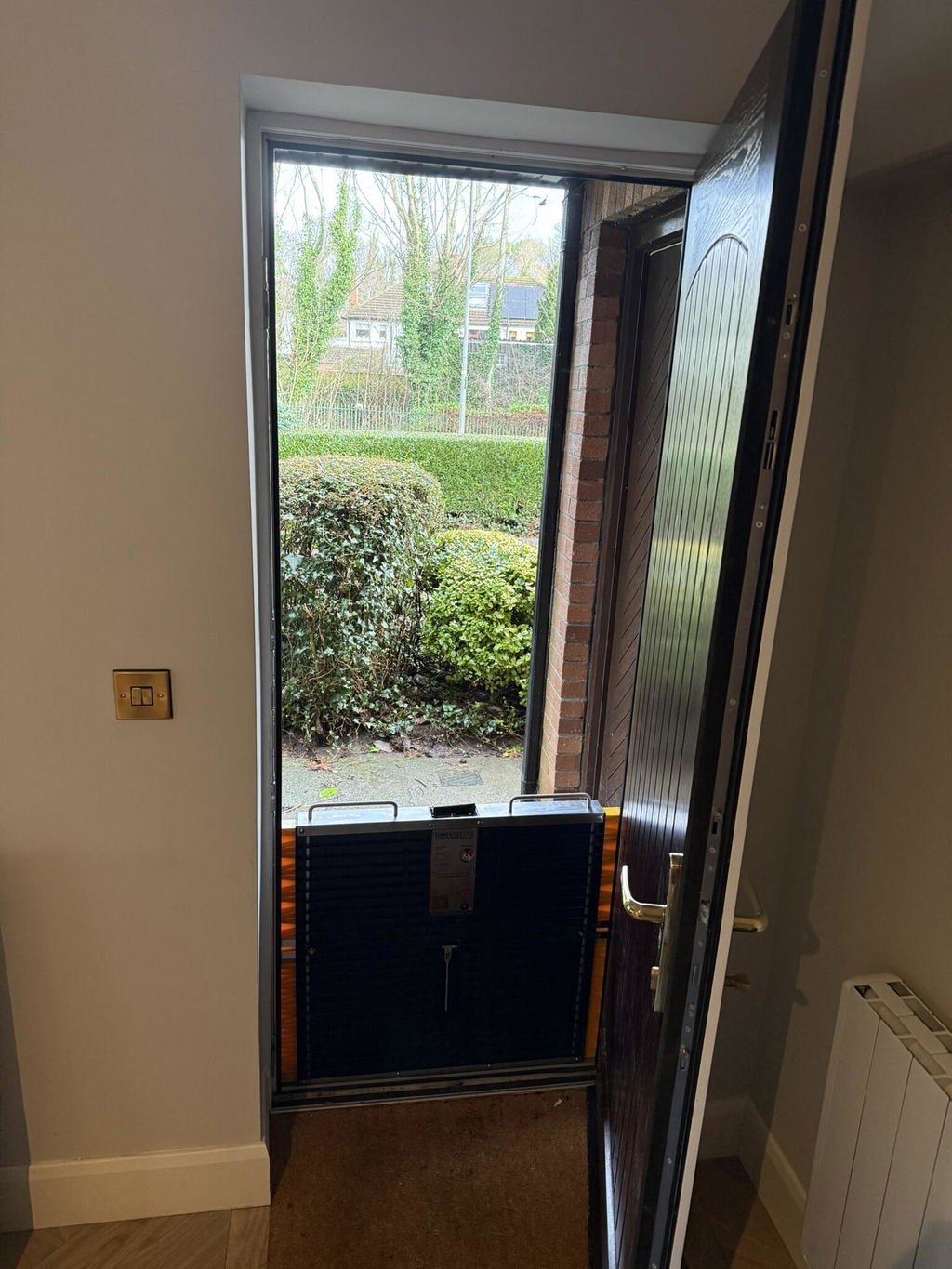
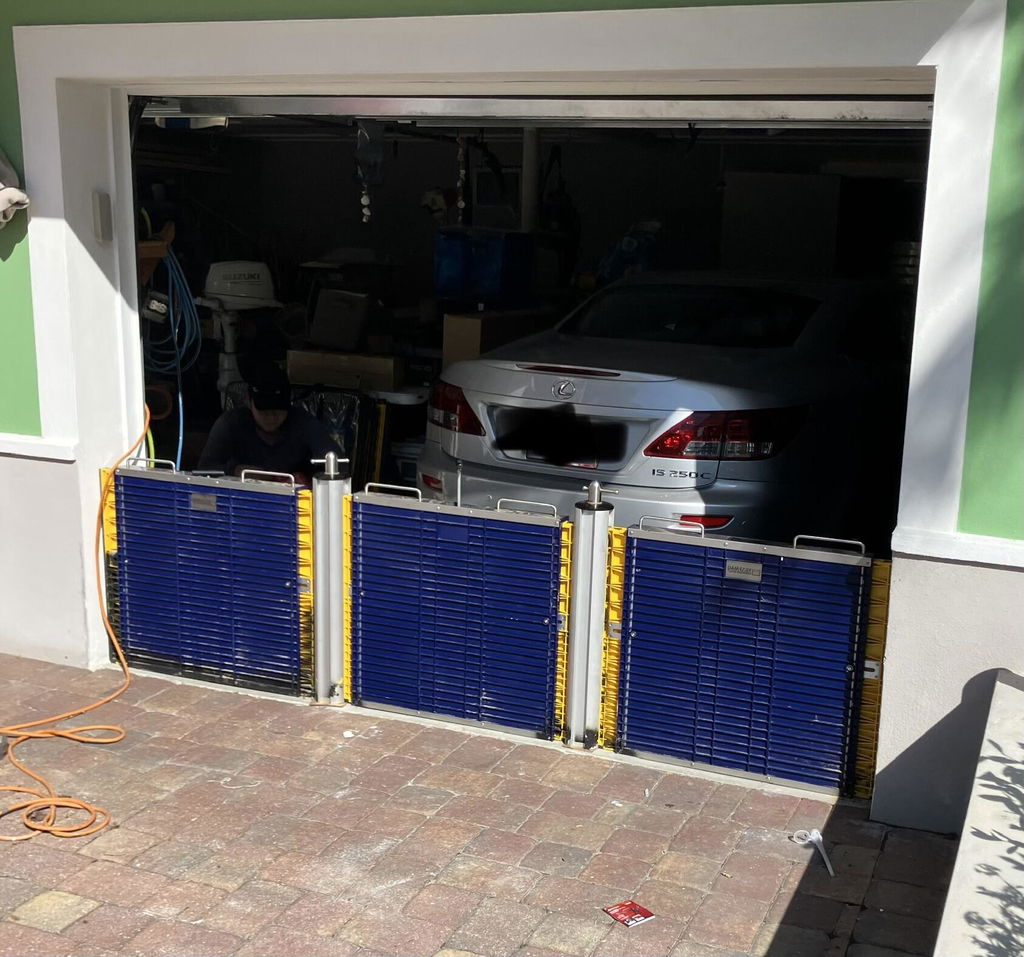
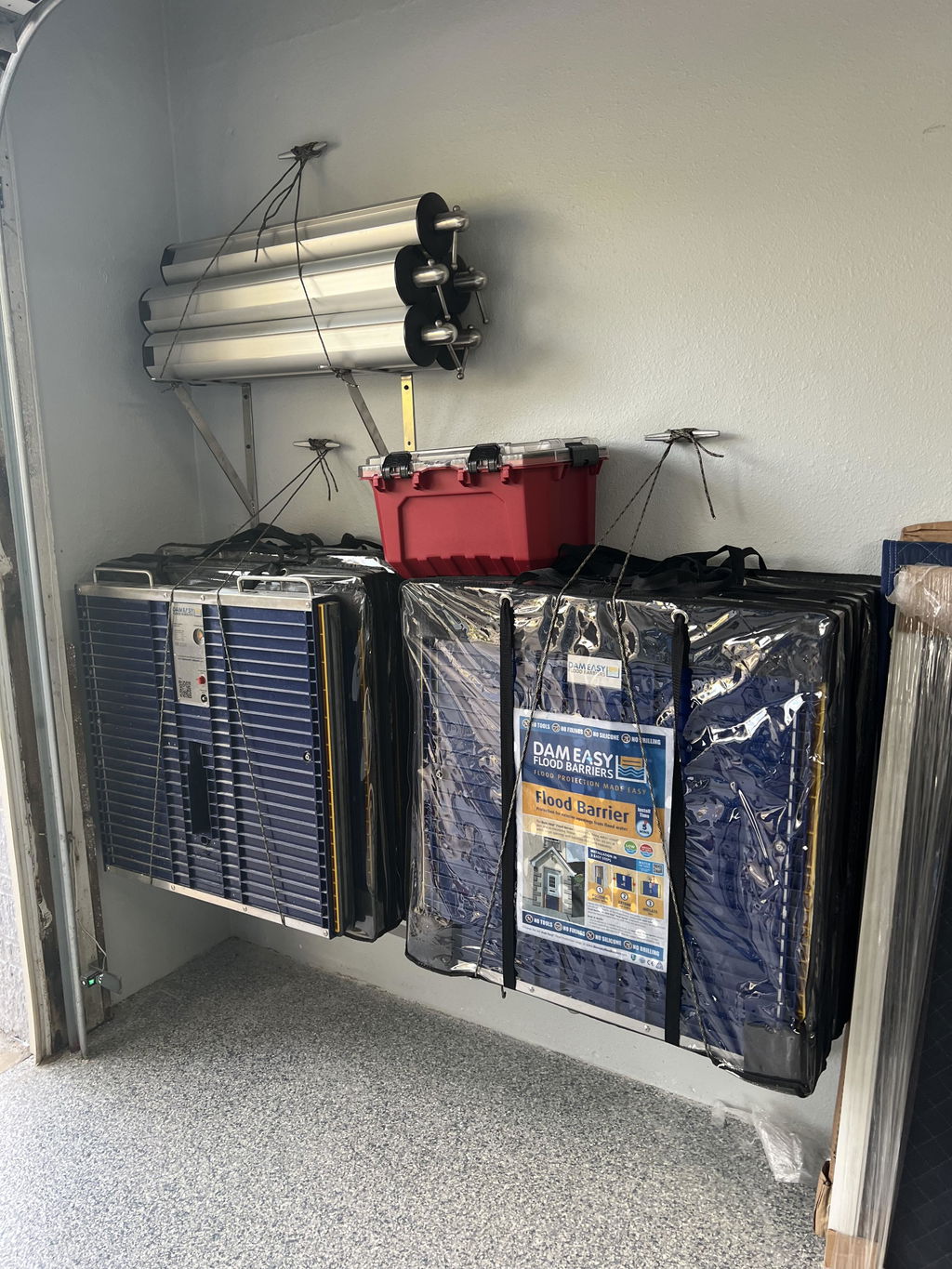
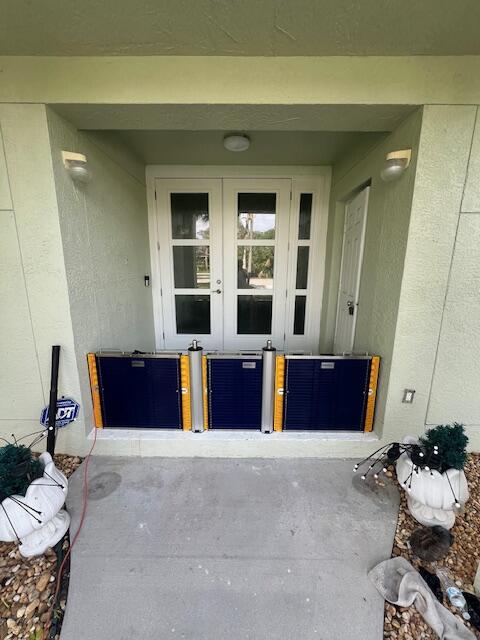
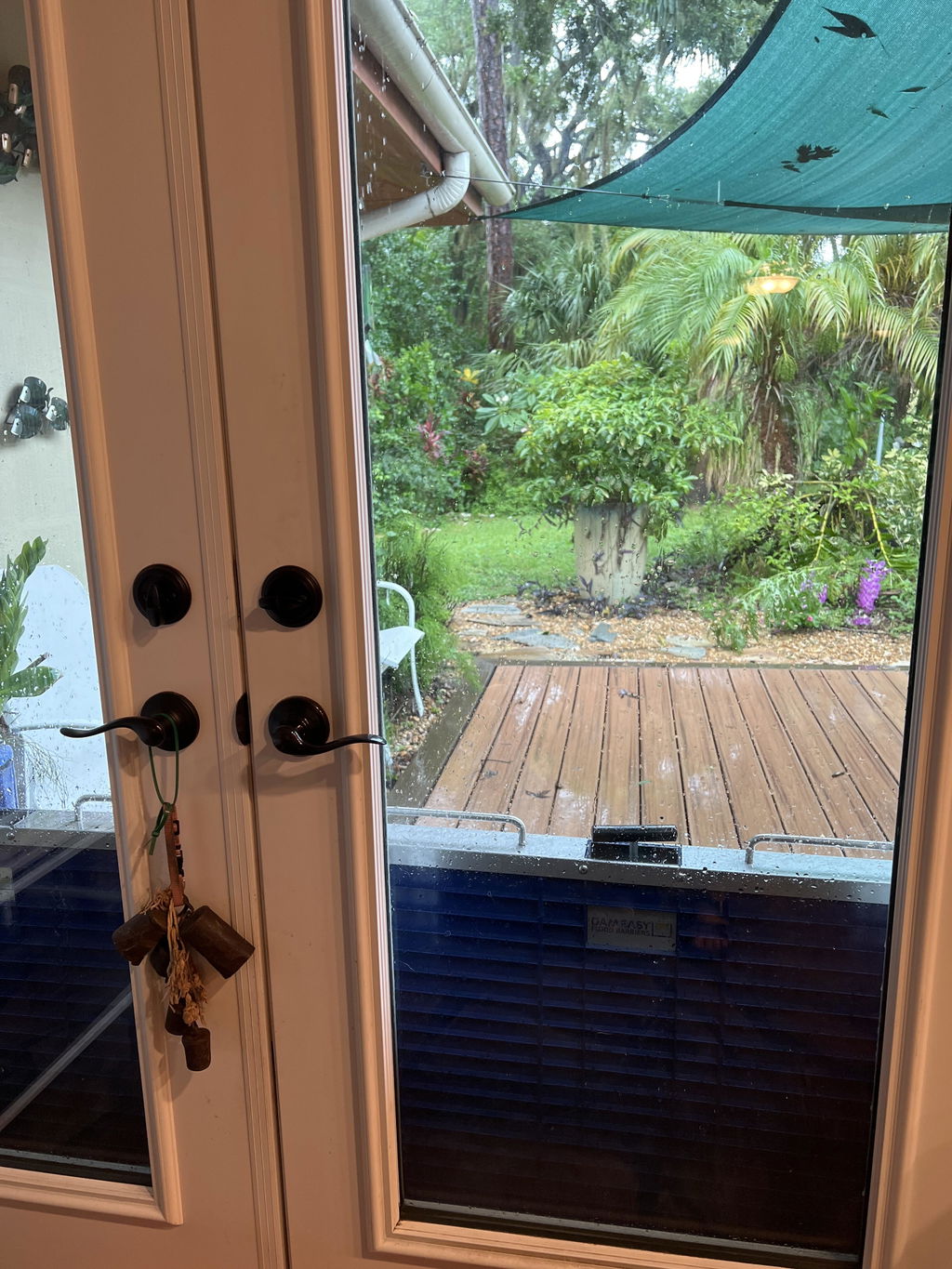
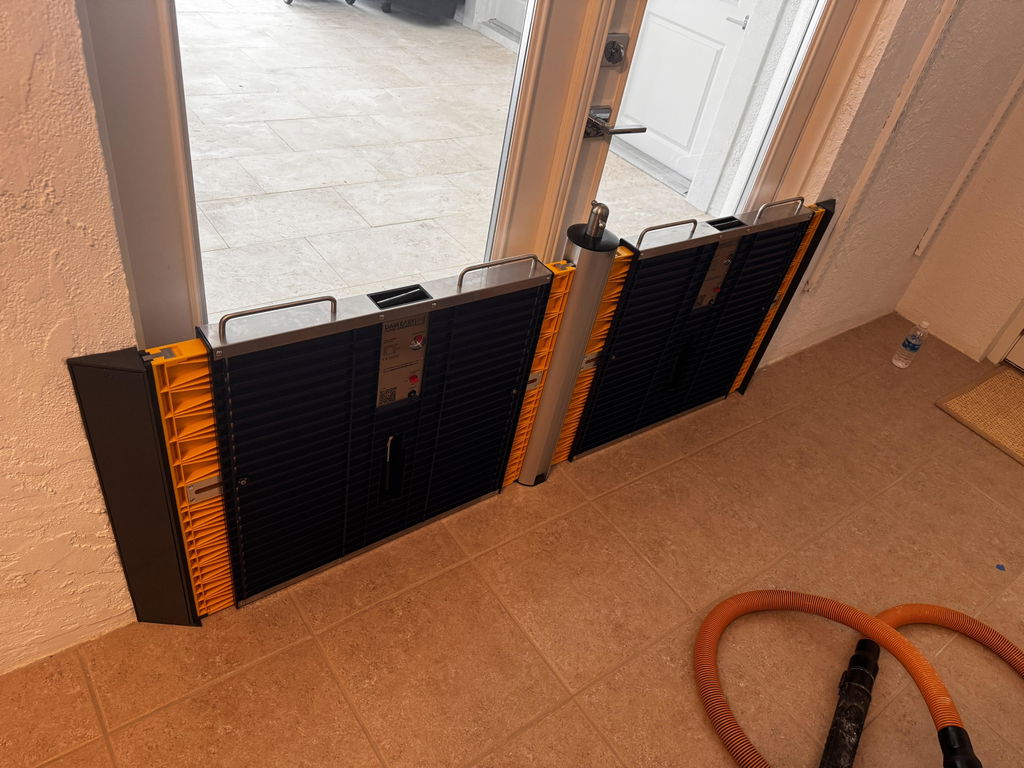
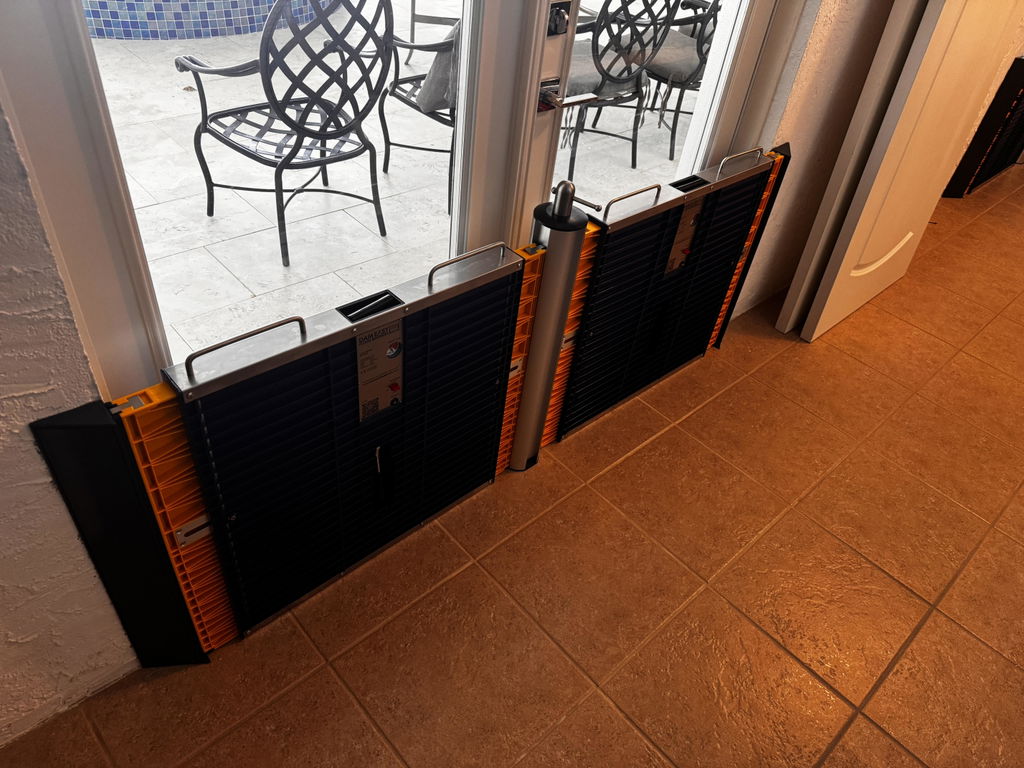
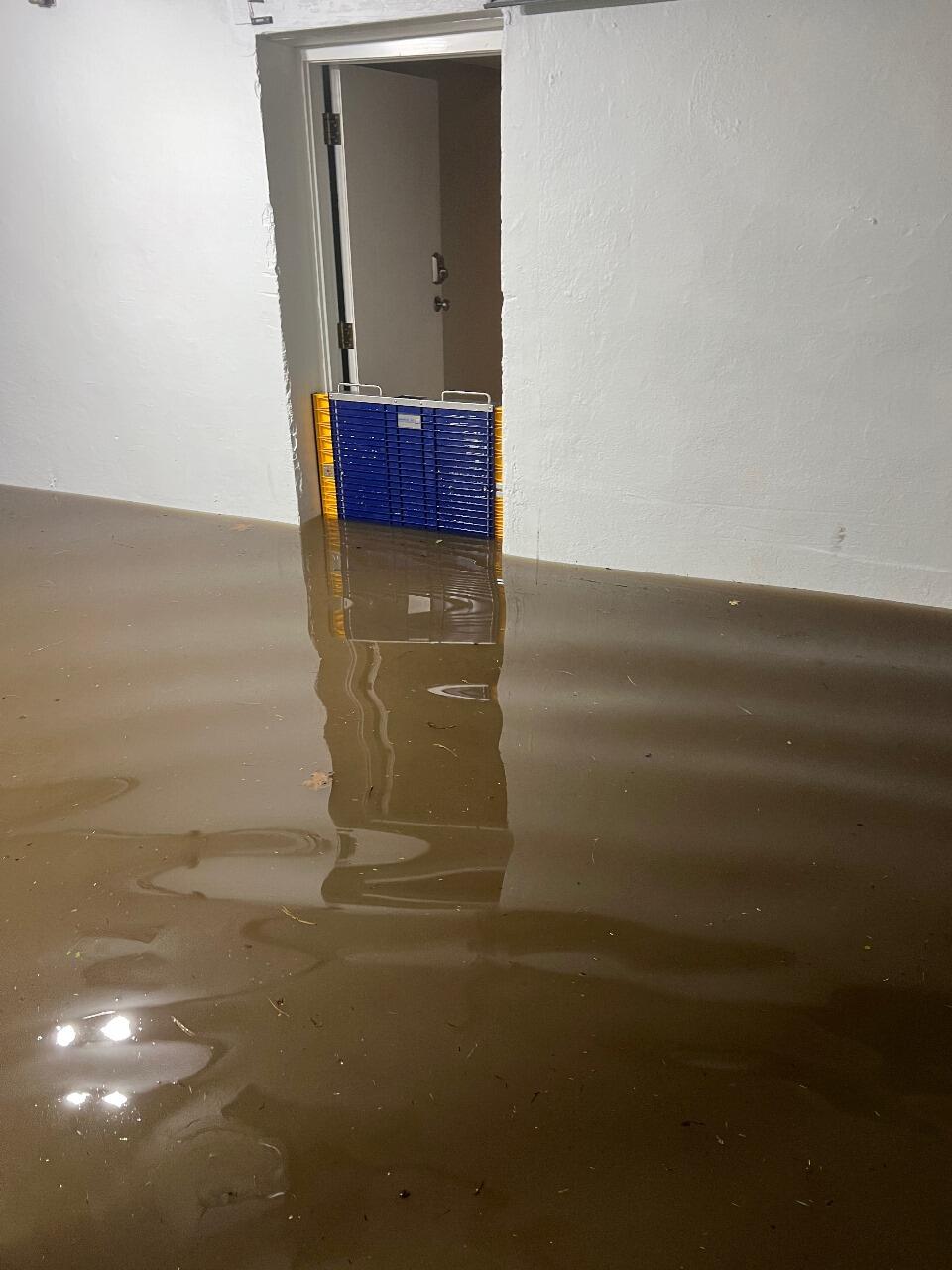
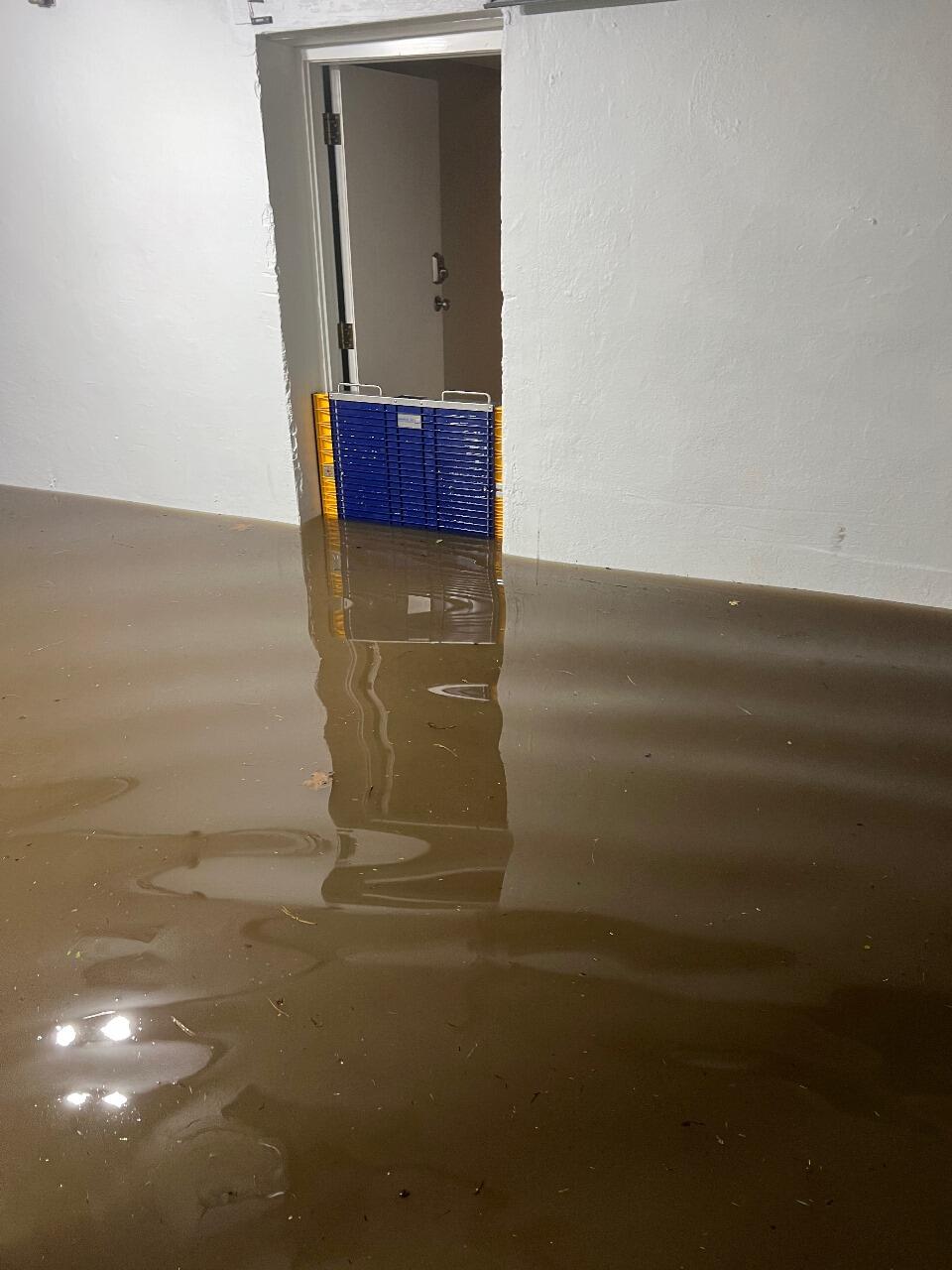
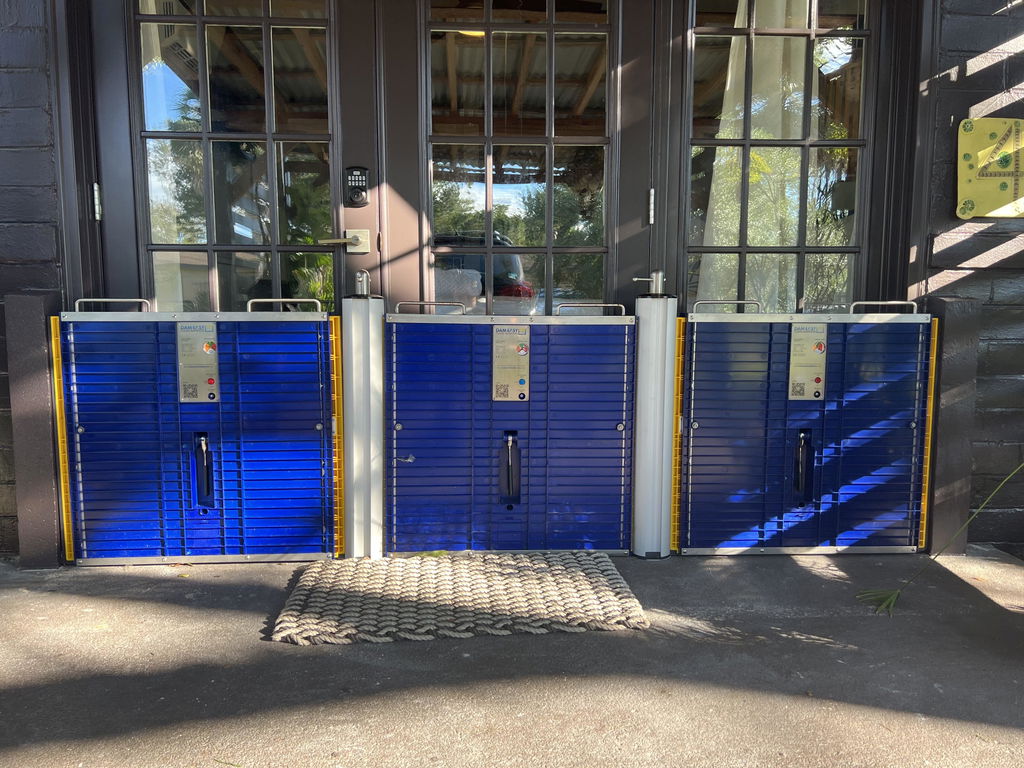
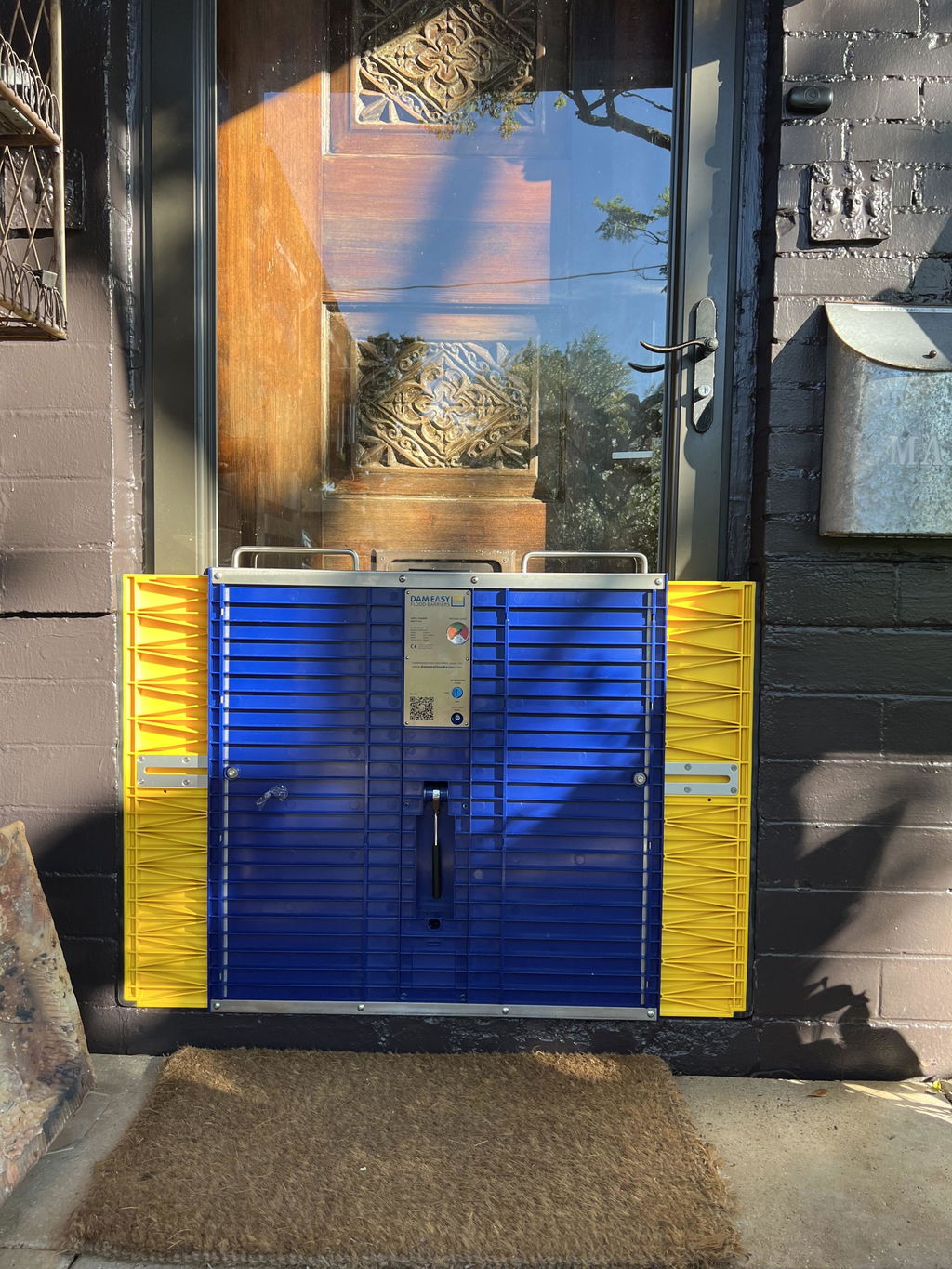
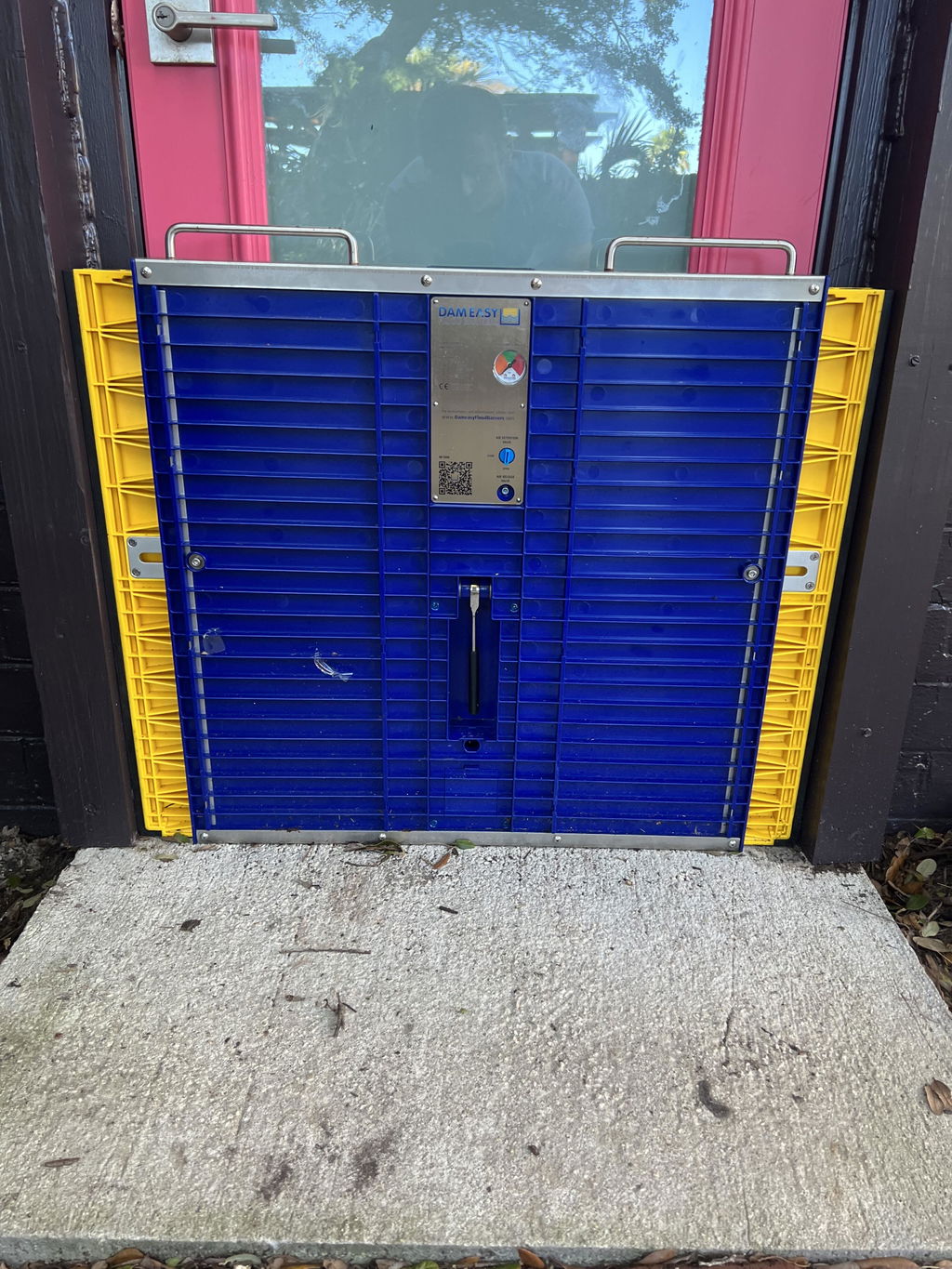
- Use Flood Barriers: This is where Dam Easy Flood Barriers come in. Our products are designed to create a watertight seal across your doorways.
-
Ultimate Flood Barrier

$949.00
Floods are becoming more common around the world. What was once a 100-year phenomenon is now a seasonal trend that homeowners must deal with. That’s EXACTLY why you need this Dam Easy Ultimate Flood Barrier! An excellent alternative to heavy… Read More
- Clean Your Gutters: It sounds simple, but keeping water moving away from your foundation is the first line of defense.

When you show your insurance company that you have invested in flood protection, some providers may offer a discount. Even if they don't give a direct discount, preventing a claim is the best way to keep your rates from spiking in the future.
What is a "Normal" Flood Insurance Cost Per Year?
It is hard to give one single number because a house in the mountains of Colorado will pay much less than a house on the beach in North Carolina. However, the average flood insurance cost per year in the United States is currently around $900 to $1,000.
By 2026, experts predict this average could rise by 5% to 10% in high-risk zones. For some people, that is an extra $100 or $200 a year. For others, it could be much more. This is why it is so important to shop around. While FEMA’s National Flood Insurance Program (NFIP) is the most common choice, there are private insurance companies that might offer a better deal.
Looking Ahead to 2026
As we approach 2026, the key word for homeowners is "preparation." Don't wait for the FEMA flood map updates to catch you by surprise. Start looking at your policy now.
Check your coverage limits. Does your insurance cover the "actual cash value" or the "replacement cost"? There is a big difference. Actual cash value takes away money for the age and wear-and-tear of your items. Replacement cost gives you enough money to buy brand-new versions of what you lost. Choosing the right one will change your flood insurance cost per year, but it could save your bank account after a storm.
How Dam Easy Can Help
At Dam Easy, we believe that the best way to handle a flood is to keep the water out of your house in the first place. Insurance is great for fixing things after they are broken, but it doesn't replace the family photos or the stress of having to move out of your home for six months while it dries.
We offers a simple, DIY-like way to protect your home. Our barriers can be installed in minutes without any permanent fixings. This means when the clouds turn dark and the local news starts talking about flood warnings, you can have peace of mind.
Final Thoughts
The flood insurance cost per year is likely to rise for many people in 2026. Between the map updates and the rising cost of repairs, staying protected is getting more expensive. However, by understanding your risk, keeping an eye on your policy's grace period, and using physical barriers to protect your property, you can stay ahead of the curve.
Don't let the next big storm be the reason you lose your home. Take action today, check your local flood maps, and invest in protection that works.
Want to learn more about protecting your home?
Talk to our team now and book your FREE live demo now!
FAQs
What is the average flood insurance cost per year in 2026?
While prices vary by location, the average flood insurance cost per year for a standard home in 2026 is roughly $950 to $1,050 in the USA. In high-risk areas like Florida or Louisiana, this can be much higher. In the UK, premiums have also risen, often exceeding £600, while residents in flood-prone parts of Australia may see annual costs reach $1,500 AUD or more due to recent extreme weather events.
Are there any flood insurance grace periods if I miss a payment?
Yes, most policies have flood insurance grace periods. For the National Flood Insurance Program (NFIP) in the USA, there is typically a 30-day grace period. If you pay your full renewal premium within these 30 days, your coverage stays active without a gap. However, if a flood happens before you pay, your claim might be denied. Private insurers may have shorter windows, so always check your specific policy.
How do FEMA flood map updates affect my bill?
FEMA flood map updates can change your insurance costs overnight. If a new map shows your home is now in a "Special Flood Hazard Area" (SFHA), your flood insurance cost per year will likely go up. Conversely, if your risk level is lowered, your bill might go down. These updates happen every few years to account for new building developments and changing weather patterns.
What is involved in a flood risk assessment for commercial property?
A flood risk assessment for commercial property is a professional review of how water could impact a business. It looks at the building's elevation, its proximity to rivers or coasts, and the local drainage system. For business owners, this assessment is vital for securing a fair insurance rate and identifying where to install protections, like heavy-duty flood barriers.
Why is my flood insurance cost per year higher than my neighbor’s?
Under new systems like FEMA’s Risk Rating 2.0, insurance is priced on your specific home, not just your neighborhood. Factors include the distance to the water source, the type of foundation you have (like a crawlspace versus a slab), and the cost to rebuild your home. Even a small difference in ground elevation can change your flood insurance cost per year significantly.
Can I buy flood insurance right before a big storm?
Usually, no. Most flood insurance policies have a 30-day waiting period before they become active. This is to stop people from only buying insurance when a disaster is already on its way. If you want your home protected for the 2026 storm season, you need to have your policy in place well in advance.
Which locations have the highest risk of rising rates in 2026?
Residents in the following "hot zones" are seeing the fastest-growing flood insurance cost per year:
- USA: New Orleans (LA), Houston (TX), Miami (FL), and Charleston (SC).
- UK: Somerset, Cumbria, and coastal Yorkshire.
- Australia: Lismore (NSW), Brisbane (QLD), and parts of Western Sydney.
How can I lower my flood insurance cost per year?
The best way to lower your rate is to reduce your risk. You can do this by:
- Installing permanent flood vents.
- Moving your electrics and HVAC systems to higher floors.
- Using certified removable flood barriers for doors and garages.
- Providing an Elevation Certificate to your insurer to prove your home sits above the predicted flood level.