Table of Contents
Imagine this: The weather news is on. The meteorologist is pointing at a spinning map of the ocean. They are talking about a "major weather event." Then, they say the words every coastal homeowner fears: storm surge.
For families living near the coast, those two words mean serious trouble. A storm surge is not just rain. It is a massive wall of seawater pushed onto land by strong storm winds. It happens fast, and it hits hard. When the ocean rises above the normal tide, it swallows beaches, streets, and eventually, front yards.
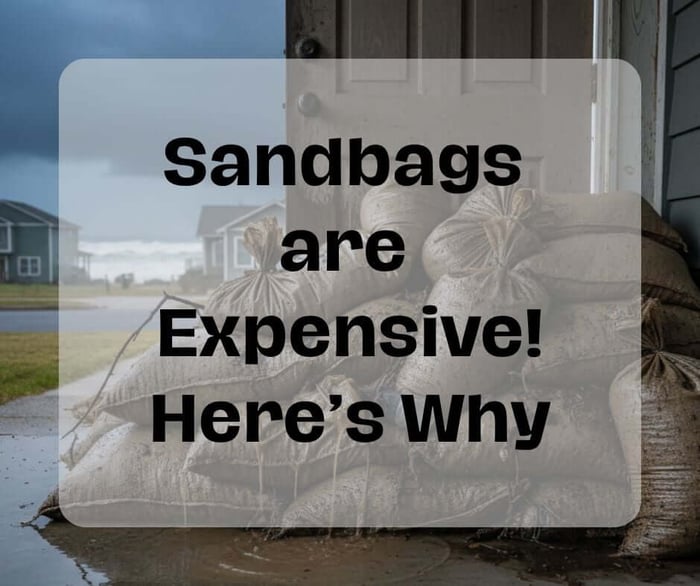
Most people panic. They run to the local hardware store. They buy shovels. They order a truckload of sand. They spend hours filling heavy, scratchy bags in the rain. They build a wall of sandbags for flood protection and hope for the best.
But here is the hard truth: Sandbags are old technology. In fact, they are ancient. And when you actually do the math, they are not cheap at all. They might be the most expensive mistake you make this storm season.
In this post, we are going to look at the real price of protecting your home. We will show you why the "cheap" option often costs thousands of dollars more than you think.
What is a Storm Surge, And Why is it So Dangerous?
Before we talk about money, let’s talk about water. A storm surge is the abnormal rise of water generated by a storm. It is over and above the predicted astronomical tides.
Think of it like this: The wind from a hurricane or cyclone acts like a giant bulldozer. It pushes the ocean water toward the shore. If the tide is already high, the water has nowhere to go but up—and into your home.
This isn't clean rainwater. It is saltwater. It is mixed with dirt, debris, and whatever else was on the street. Saltwater ruins everything it touches. It rusts metal, kills electrical wiring, and soaks into drywalls. A coastal flood caused by a surge can cause tens of thousands of dollars in damage in just a few minutes.
If you live in Florida or along the Gulf Coast, you know this fear. If you are in Brisbane or Queensland in Australia, you have seen how fast creeks and rivers can swell. If you are in the UK, specifically places like Cornwall or Hull, you know the North Sea doesn't play nice.
When a storm surge is coming, you need protection that works. And sadly, sandbags often fail when you need them most.
The "Cheap" Sandbag Myth
Let’s break down the biggest myth in flood protection: "Sandbags are cheap."
On paper, an empty sack costs maybe 50 cents. Sand is relatively cheap, too. So, you think, "I can build a wall for $100."
But that price tag is a lie.
To stop a storm surge, you cannot just throw a few bags by the door. You need a proper wall. To build a wall that is just 1 foot high and covers a standard doorway, you need dozens of bags. If you need to protect a garage or a patio, you need hundreds.
Here is where the hidden costs start to pile up:
1. The Cost of Labor (Your Back and Time)
Filling sandbags is brutal work. It is heavy, wet, and dirty.
Time: It takes two people about an hour to fill and place just 12 to 15 sandbags correctly. To protect a whole house? You are looking at a full day of back-breaking labor.
Health: Injuries are common. strained backs, smashed fingers, and exhaustion. If you have to hire someone to do it for you, the price skyrockets. Paying a handyman or a crew to fill and stack sandbags for flood defense can cost hundreds of dollars before the rain even starts.
2. They Only Work Once
This is the part most people forget. You cannot reuse wet sandbags. Once they are soaked with floodwater, they are garbage.If you get hit by two storms in one season—which is common in North Carolina, Texas, and Louisiana—you have to buy everything twice. You have to do the work twice.
3. They Are Not Waterproof
This is the scariest part. Sandbags are porous. That means water can seep right through them. They are designed to slow down water, not stop it completely. In a heavy storm surge, water will trickle through the gaps. You will still end up with a wet floor, damaged carpets, and mold.
The Environmental Nightmare (Disposal Fees)
The cost does not stop when the water goes away. The most expensive part of using sandbags often happens after the storm.
Floodwater is gross. It picks up oil from cars, chemicals from lawns, and sewage from overflowing drains. When your sandbags get wet, they soak up all those toxins like a sponge.
Now, you have a pile of 50 heavy, contaminated bags sitting in your driveway.
You cannot dump them in the garden. The salt and chemicals will kill your grass and flowers.
You cannot put them in your normal trash bin. They are too heavy, and the trash collectors will not take them.
You cannot keep them. They will start to smell and grow mold.
So, how do you get rid of them? You have to pay.
You often have to hire a specialized waste removal company. In places with strict environmental laws, like parts of the UK and California, disposing of contaminated waste is expensive. You might pay dump fees by the pound.
Suddenly, your "$100" sandbag wall has cost you $500 in labor, $200 in disposal fees, and it didn't even keep your floor dry.
Is Your Home on the Map?
We talk to homeowners all over the world. The story is always the same. "I didn't think it would happen here." But the climate is changing, and the risk of storm surge is growing in many places.
United States:
Florida & The Gulf Coast: This is ground zero for hurricane surges.
New York & New Jersey: Remember Superstorm Sandy? The East Coast is very vulnerable to rising sea levels.
South Carolina & North Carolina: Low-lying coastal areas here flood regularly now, even from smaller storms.
Australia:
Queensland: From Brisbane to Far North Queensland, cyclones bring massive surges.
New South Wales: Coastal erosion and flooding are becoming a yearly battle for many residents.
United Kingdom:
The East Coast: Towns like Great Yarmouth and Hull have been fighting the sea for centuries.
The South West: Somerset and Cornwall face high tides and strong Atlantic storms that push water inland.
If you live in these areas, relying on sandbags is a gamble. The odds are not in your favor.
The Smart Alternative: Modern Flood Barriers
So, if sandbags are expensive and heavy, what should you do?
You need a modern flood barrier.
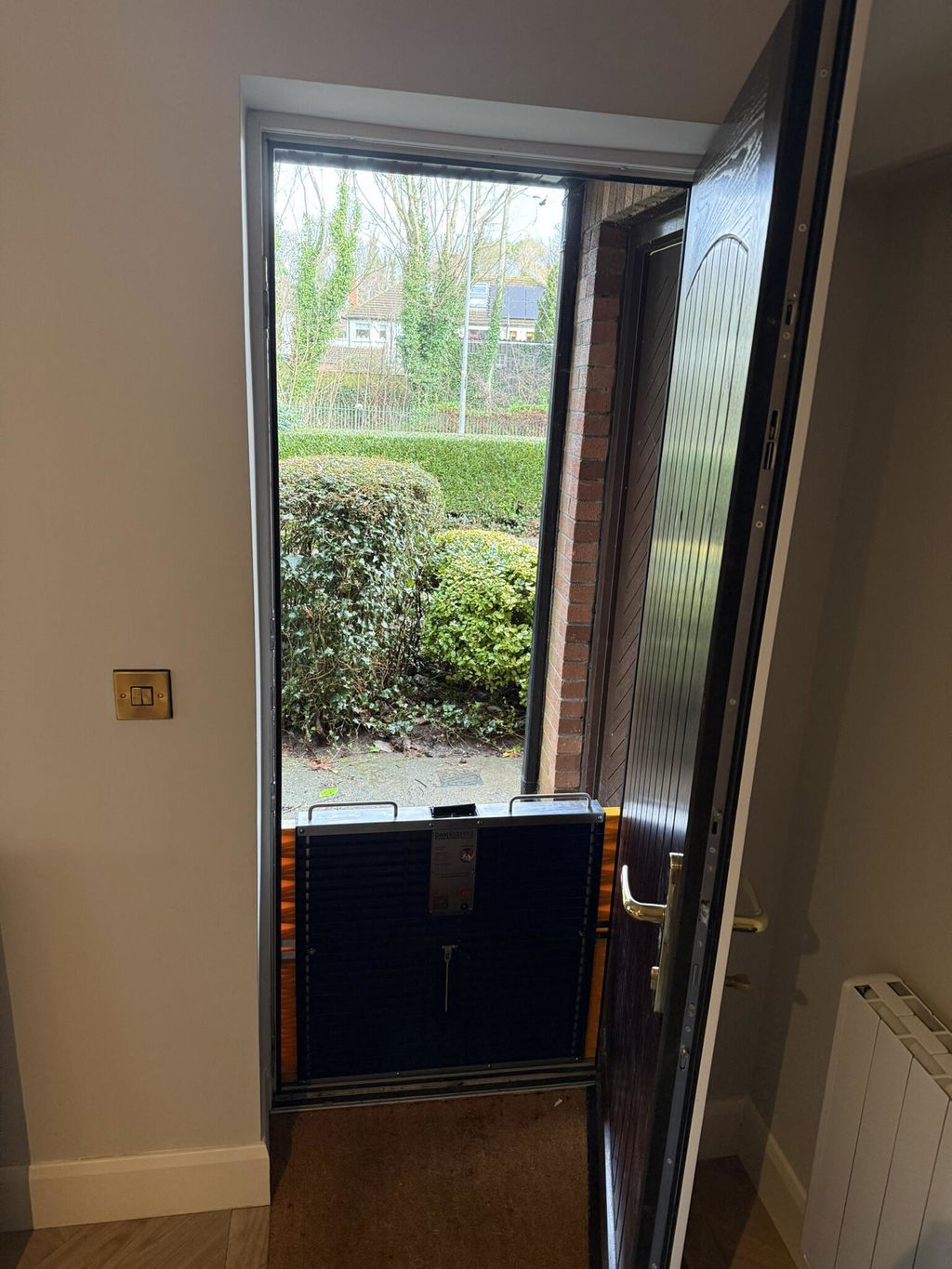
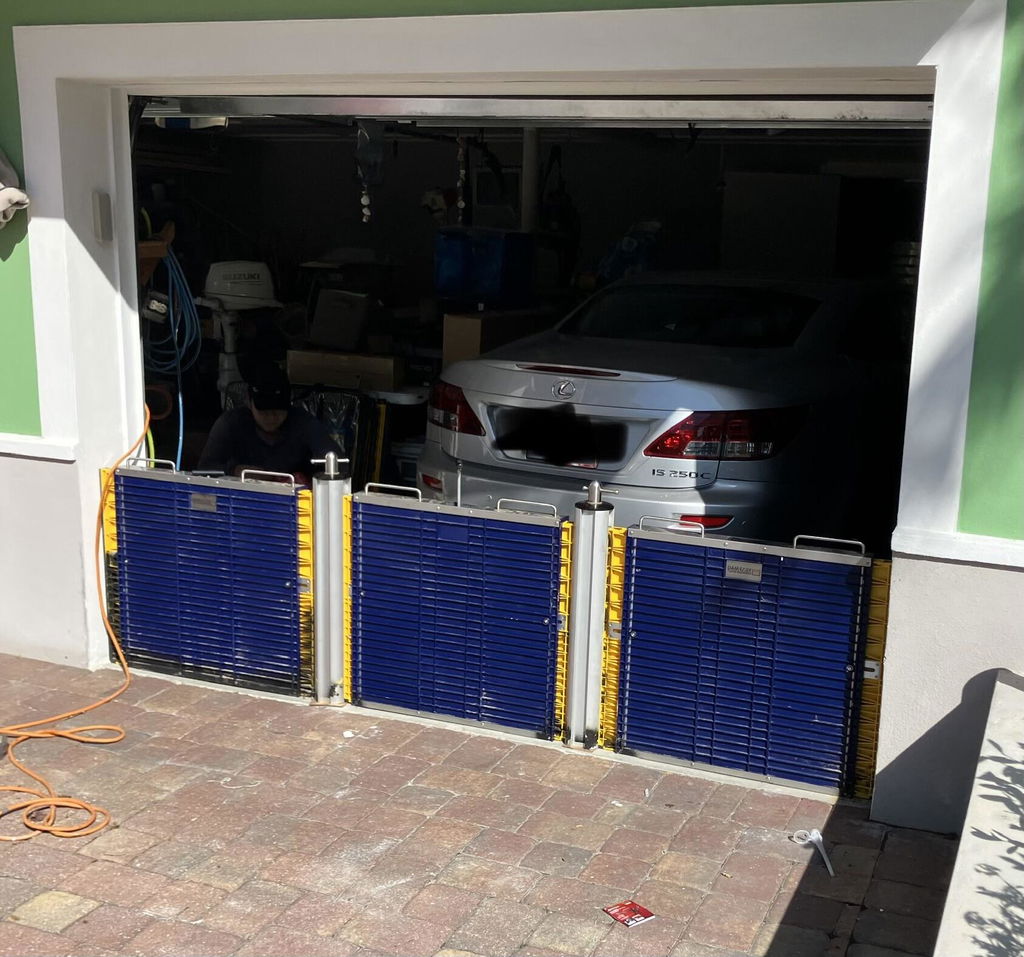
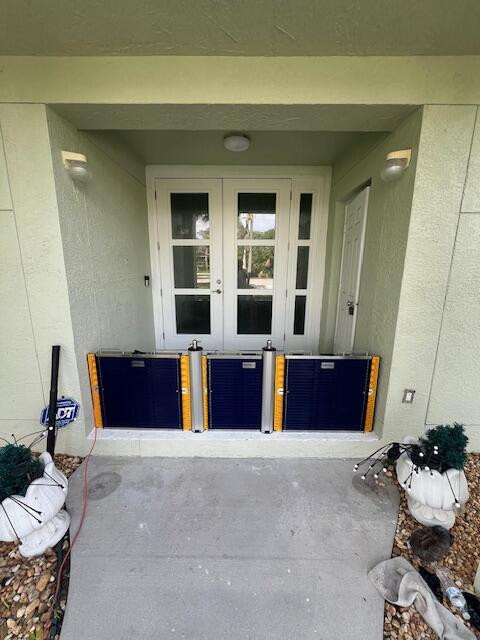
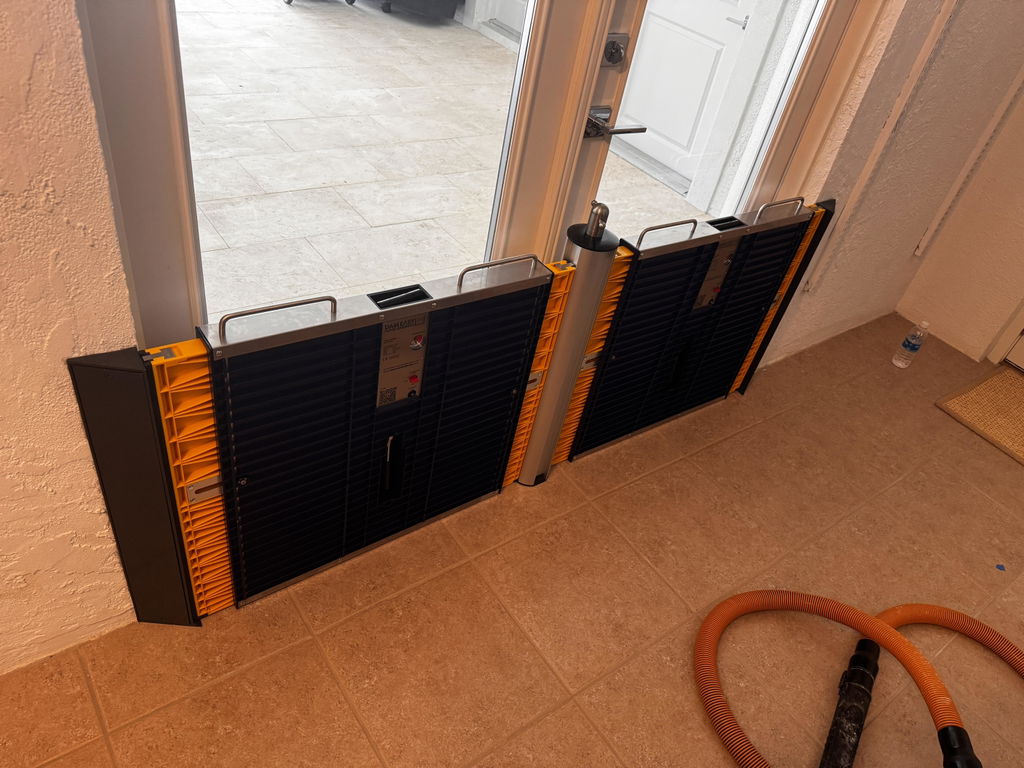
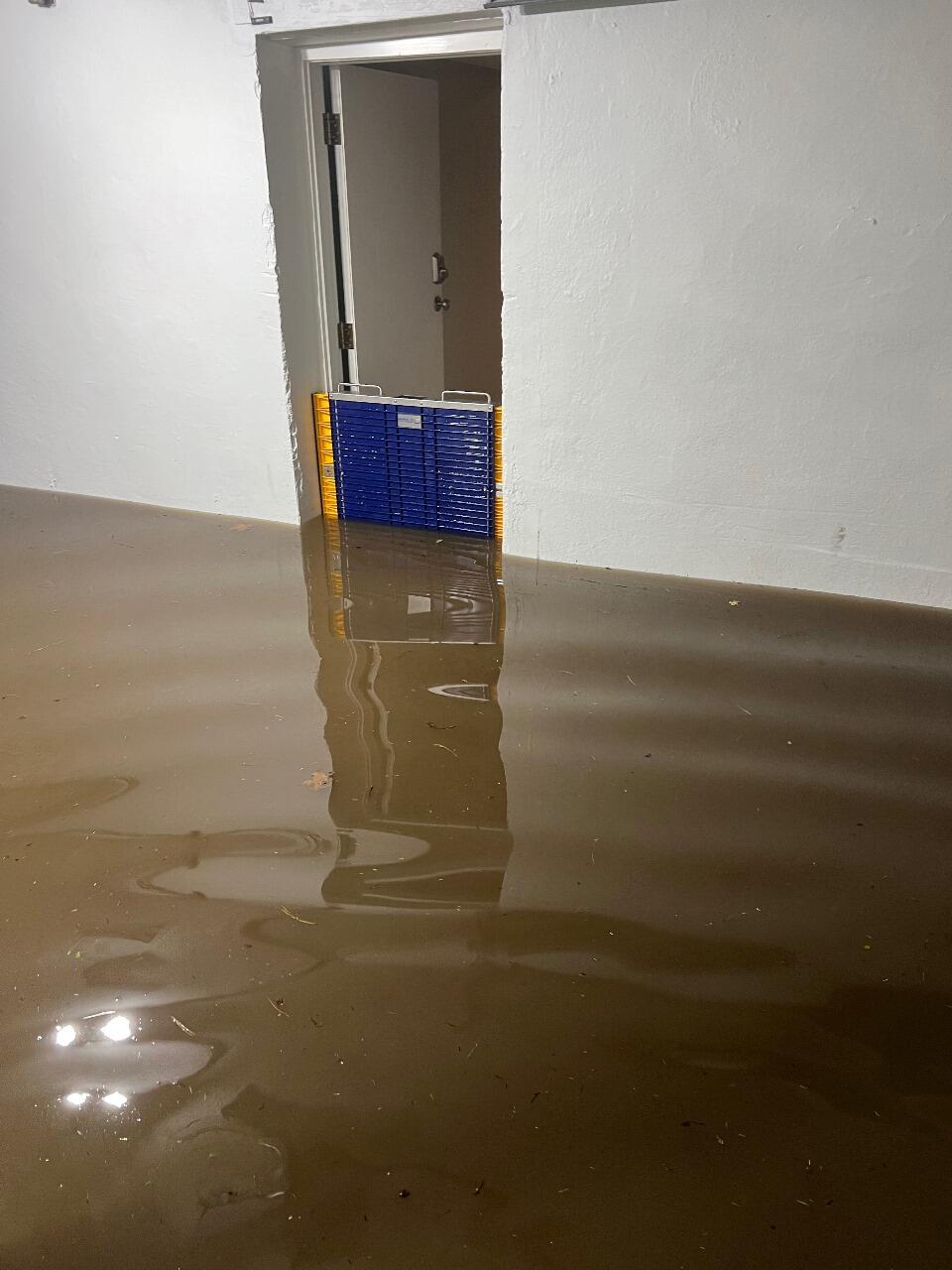
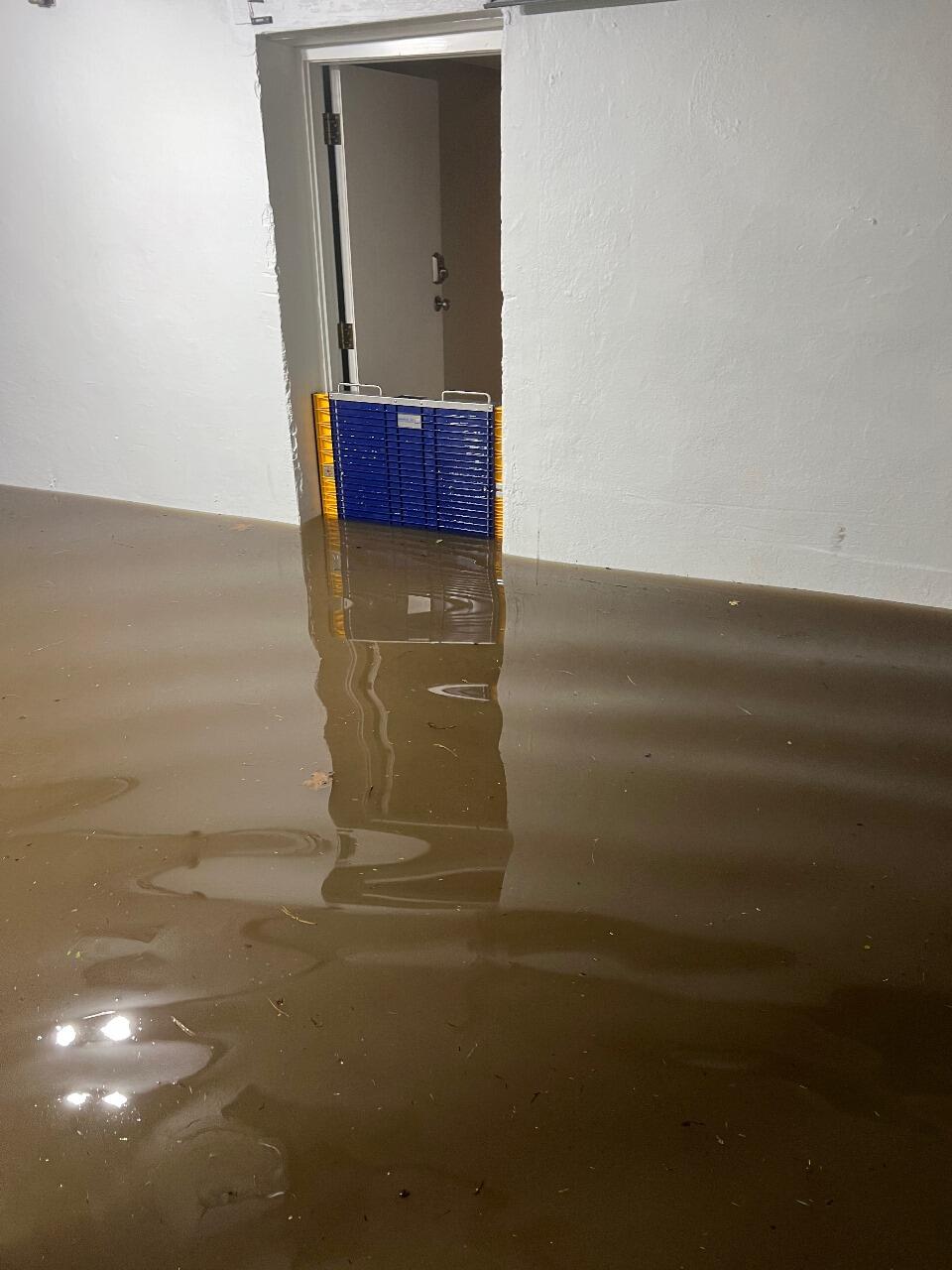
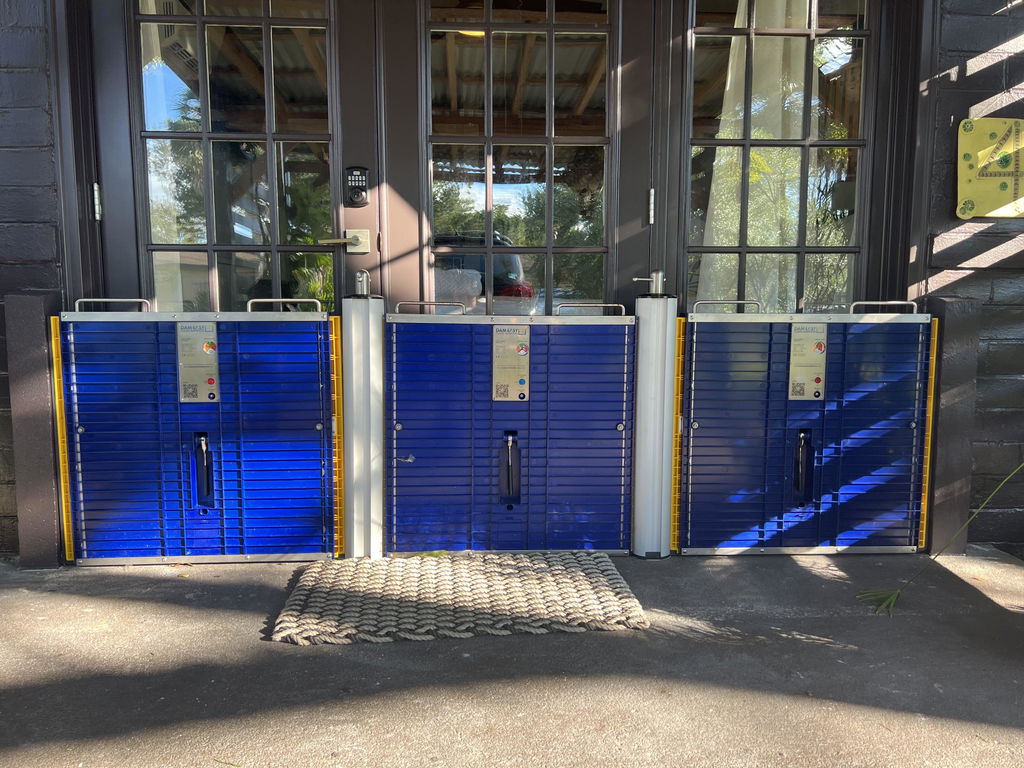
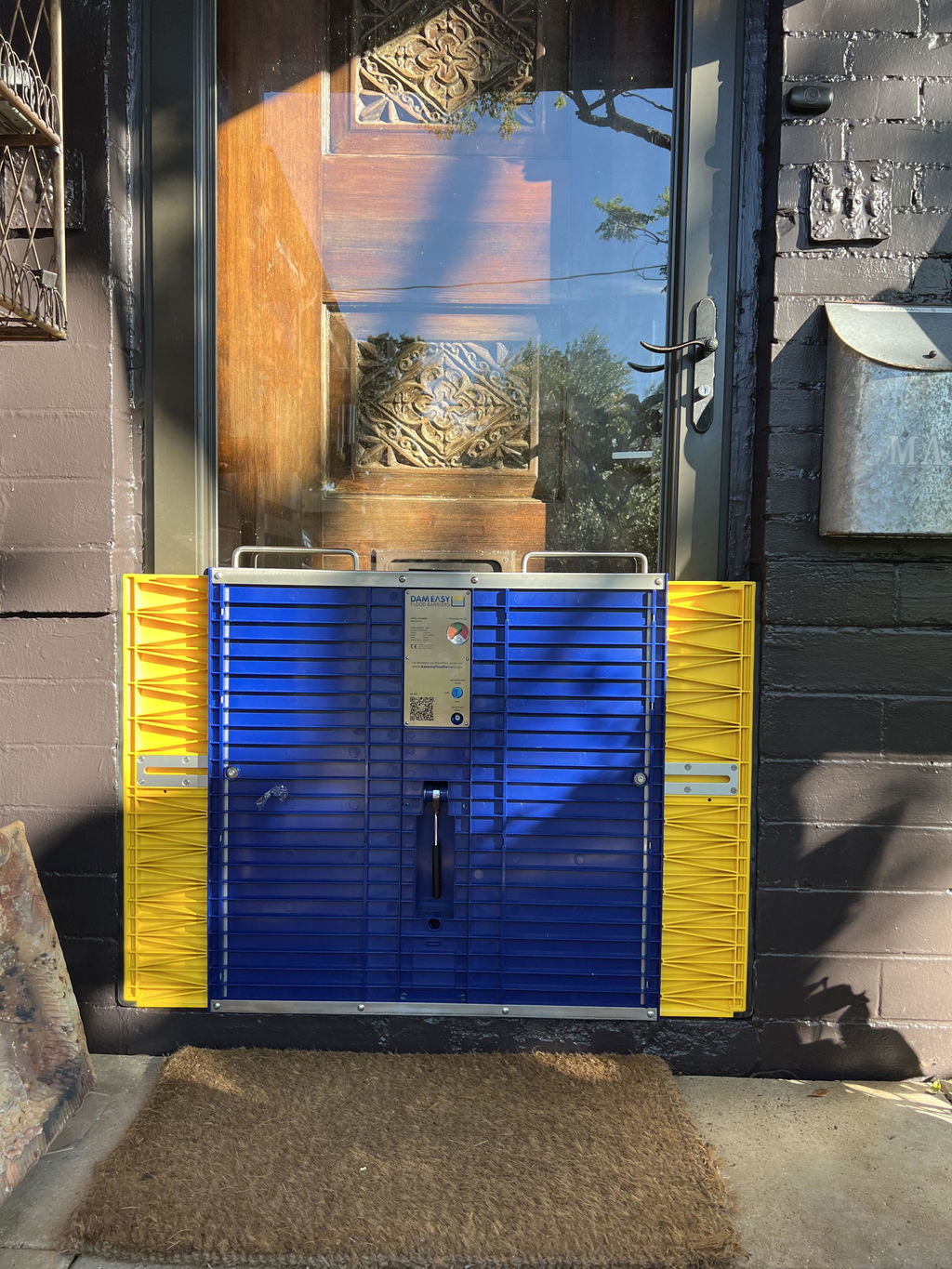
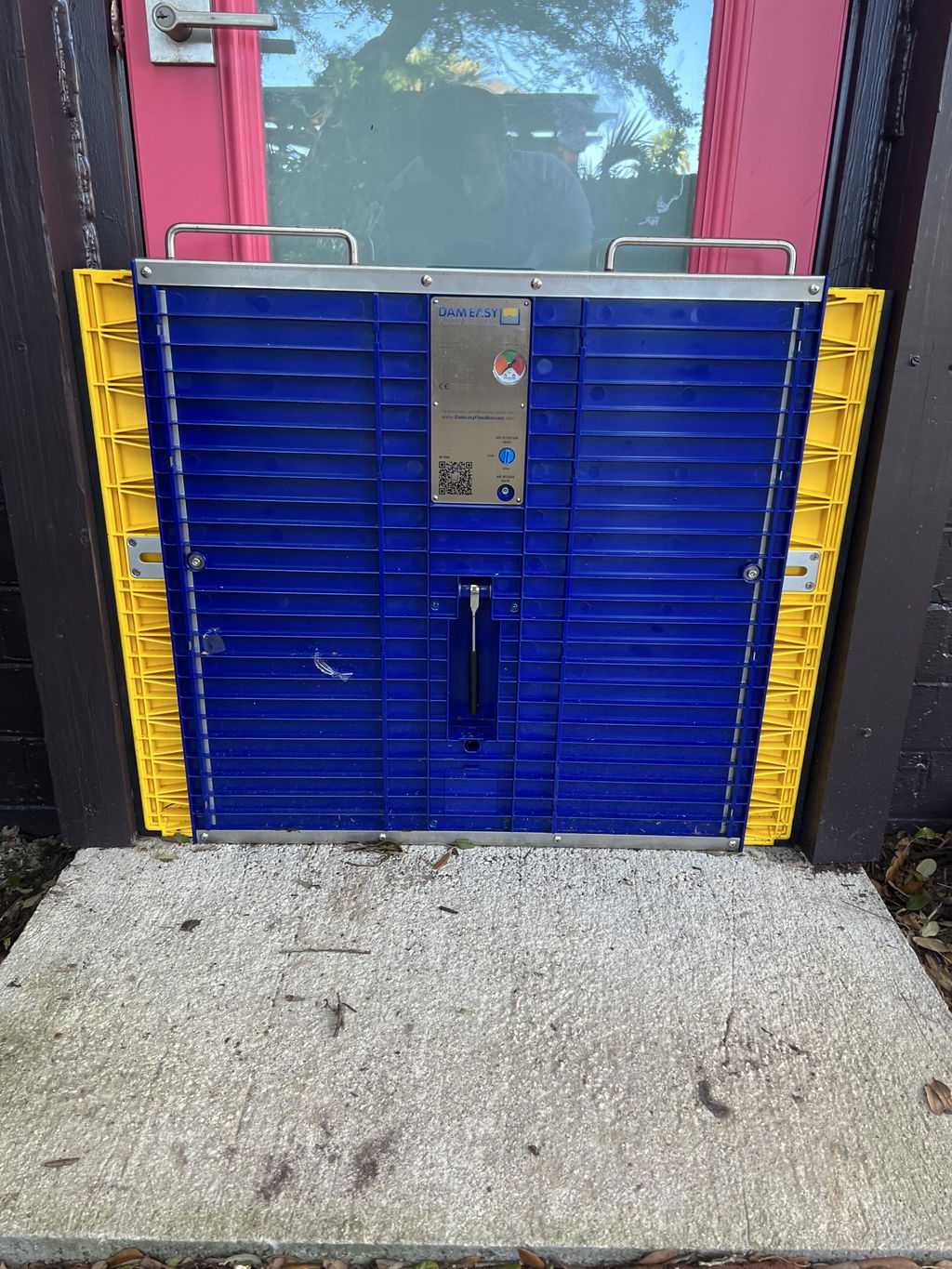
At Dam Easy, we created a solution that makes sense for regular homeowners. Our barriers are not heavy sacks of dirt. They are engineered panels that fit right into your doorway.
Here is why a flood barrier is cheaper than sandbags in the long run:
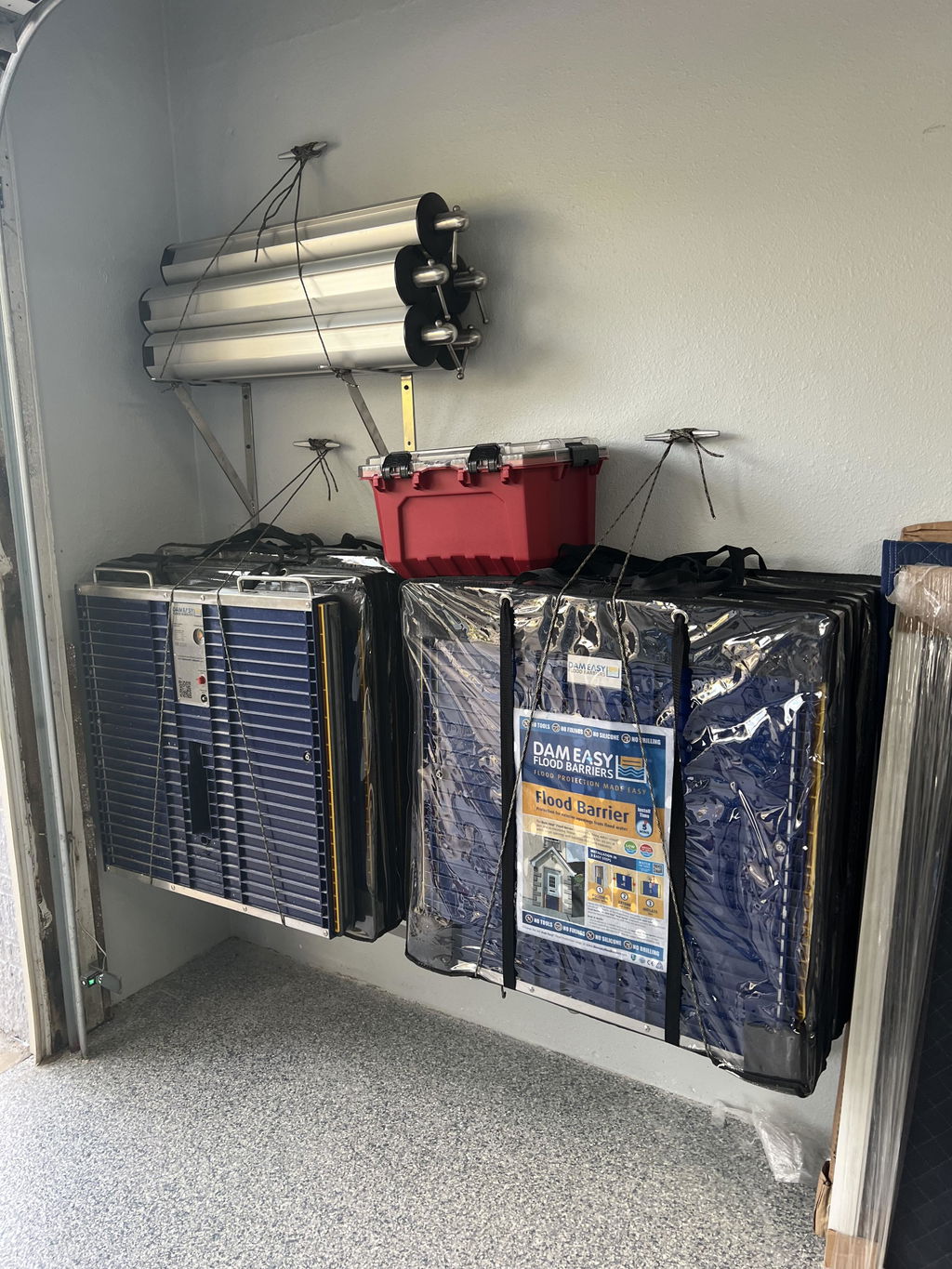
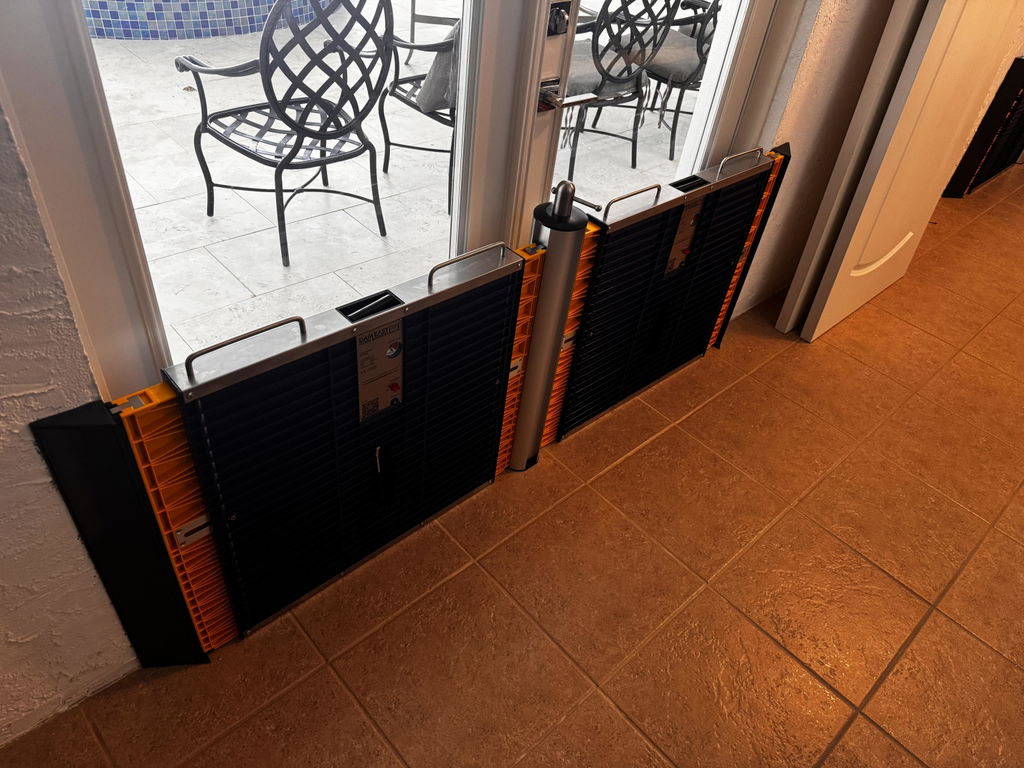
1. Buy It Once, Use It Forever Our barriers are reusable. When the storm surge warning comes, you take them out of storage. When the storm is over, you wipe them down and put them away. You don't buy new ones every time it rains. One purchase protects you for years.
2. Zero Labor Costs You do not need a team of workers. You do not need shovels. You do not need sand.You can install a Dam Easy flood barrier in under 5 minutes. No tools required. You extend the sides, pump the pneumatic seal, and you are done. It is so easy, you can do it alone.
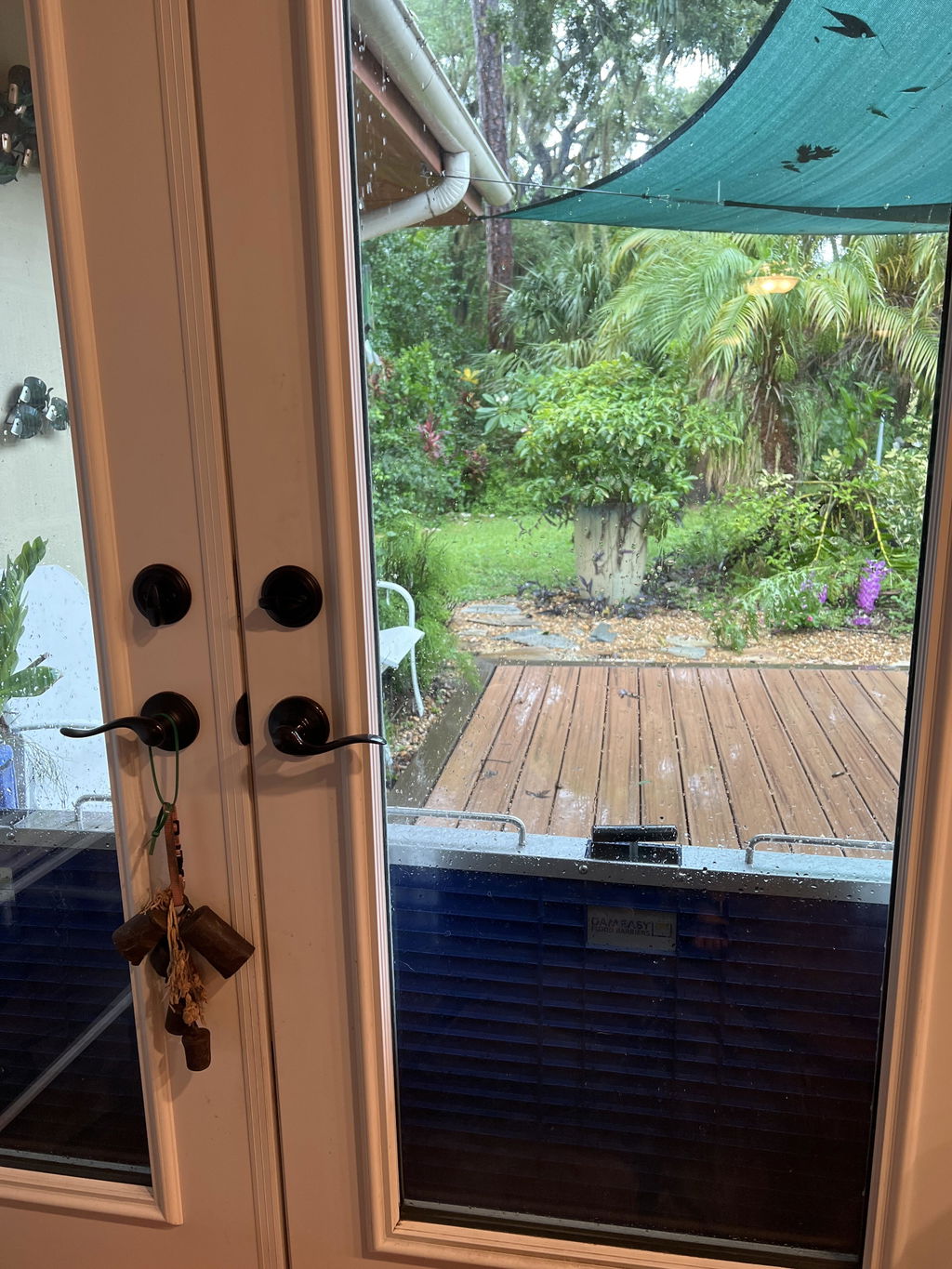
3. It Actually Stops the Water Sandbags leak. Our barriers seal. The unique pneumatic pump creates a watertight seal against your doorframe. It keeps the coastal flood water outside, where it belongs. This saves you thousands of dollars in home repairs.
4. No Disposal Fees There is no mess to clean up. No contaminated sand to haul away. No dump fees.
Empangan Pintu Penghadang Banjir

$949.00
PINTU DAM EASY® FLOOD BARRIER Banjir menjadi lebih biasa di seluruh dunia. Apa yang pernah menjadi fenomena 100 tahun sekarang adalah trend bermusim yang mesti ditangani oleh pemilik rumah. Itulah sebabnya anda memerlukan Dam Door Flood Barrier Door… Read More
The Cost Comparison: A Real-Life Example
Let’s look at the math over a period of 5 years. Let's assume you live in a flood-prone area like Miami or Brisbane, and you face one major flood threat per year.
Option A: The Sandbag Method
Year 1: Buy bags and sand ($150). Spend 4 hours filling/stacking. Flood happens. Water leaks in (repair cost $500). Pay for disposal ($200). Total: $850
Year 2: Buy bags and sand again ($150). Labor again. Disposal again ($200). Total: $350
Year 3, 4, 5: Repeat.
5-Year Total Cost: Over $2,000 (plus the cost of your time and back pain).
Option B: The Dam Easy Flood Barrier
Year 1: Buy the barrier once. Install in 5 minutes. No leaks. No repairs. No disposal.
Year 2: Re-use barrier. Cost: $0.
Year 3, 4, 5: Re-use barrier. Cost: $0.
5-Year Total Cost: Just the initial purchase price.
The winner is clear. A flood barrier is an investment that pays for itself after the very first storm.
Don't Wait Until the Water Rises
When a storm surge is predicted, panic buying starts. Stores run out of sand. Contractors get booked up. If you wait until the last minute, you might be left with nothing.
Being prepared is about being smart with your money and your safety. Sandbags feel like the traditional choice, but they are a drain on your wallet and your energy.
Your home is your biggest asset. It deserves better protection than a pile of dirt.
Are you ready to stop worrying about the next storm?
Click Here to Book Your FREE Home Visit and Live Demo
Protect your home the smart way.
FAQs
What exactly is a storm surge?
A storm surge is an abnormal rise of water generated by a storm. It is not just high tide. Strong winds from hurricanes or cyclones push ocean water onto the shore. This creates a wall of water that moves inland quickly, causing severe flooding in coastal areas.
Do sandbags for flood protection actually work?
Sandbags for flood protection only work partially. They are designed to slow water down, not stop it completely. Water can still seep through the gaps between the bags. Sandbags are also heavy, hard to install, and can become contaminated with sewage and chemicals during a flood.
Is a flood barrier better than sandbags?
Yes, a modern flood barrier is generally better than sandbags. Barriers like the Dam Easy solution are waterproof and create a tight seal against your door. Unlike sandbags, a flood barrier is lightweight, reusable, and can be installed by one person in just a few minutes.
What causes a coastal flood?
A coastal flood is usually caused by a combination of high tides and storm surge. When a storm hits during high tide, the water level rises much higher than normal. This allows seawater to flow over dunes and barriers, flooding streets and homes near the ocean.
How much does it cost to protect a home from a storm surge?
Using sandbags might look cheap, but the labor and disposal fees add up quickly. A reusable flood barrier costs more upfront but saves money over time because you can use it for years. It protects against the high cost of water damage caused by a storm surge, which can ruin floors and walls in minutes.