Table of Contents
- Stop Water Damage Before It Starts: The Power of a Home Flood Barrier
- The Race Against Time: Why Mold Loves Your Home After a Flood
- Immediate Action: Taming the Water Damage Chaos
- Your Guide to Cleaning Up and Getting Rid of Visible Mold
- When to Call a Professional Mold Remediation Team
- Long-Term Protection and Prevention: Keeping the Water Out
- Conclusion
- FAQs
Dealing with a flood is one of the most stressful things a property owner can face, but the trouble doesn't end when the water goes away. The hidden danger that follows any major water event is mold.
This tiny, fast-growing fungus loves wet places, and if your home has recently suffered flood damage or major water damage, you are in a serious race against time.
In just 24 to 48 hours, standing water or even damp materials can turn into a perfect breeding ground for mildew. Ignoring this problem can lead to expensive repair costs and serious health issues for your family. But don't worry. As professional flood experts, we are here to give you the simple, clear, step-by-step process of cleaning up, drying out, and protecting your home from this unwelcome guest. We will cover everything from stopping the water before it comes in using a reliable home flood barrier to deep-cleaning after the worst has passed.
Stop Water Damage Before It Starts: The Power of a Home Flood Barrier
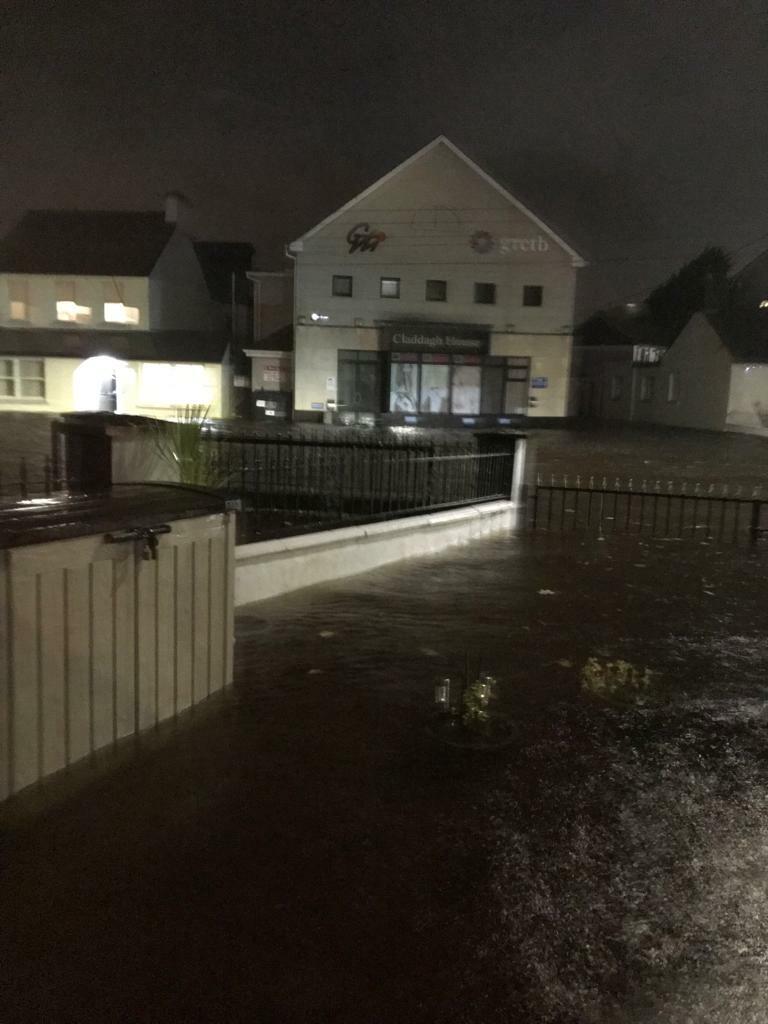
When we talk about stopping mold, the first and best defense is preventing the flood itself. This is especially true for homes in areas that see regular flooding. Think about properties in low-lying coastal areas like New Orleans, Louisiana, or communities along the rivers in Brisbane, Queensland. These owners know that relying only on old, leaky sandbags is a big, costly mistake.
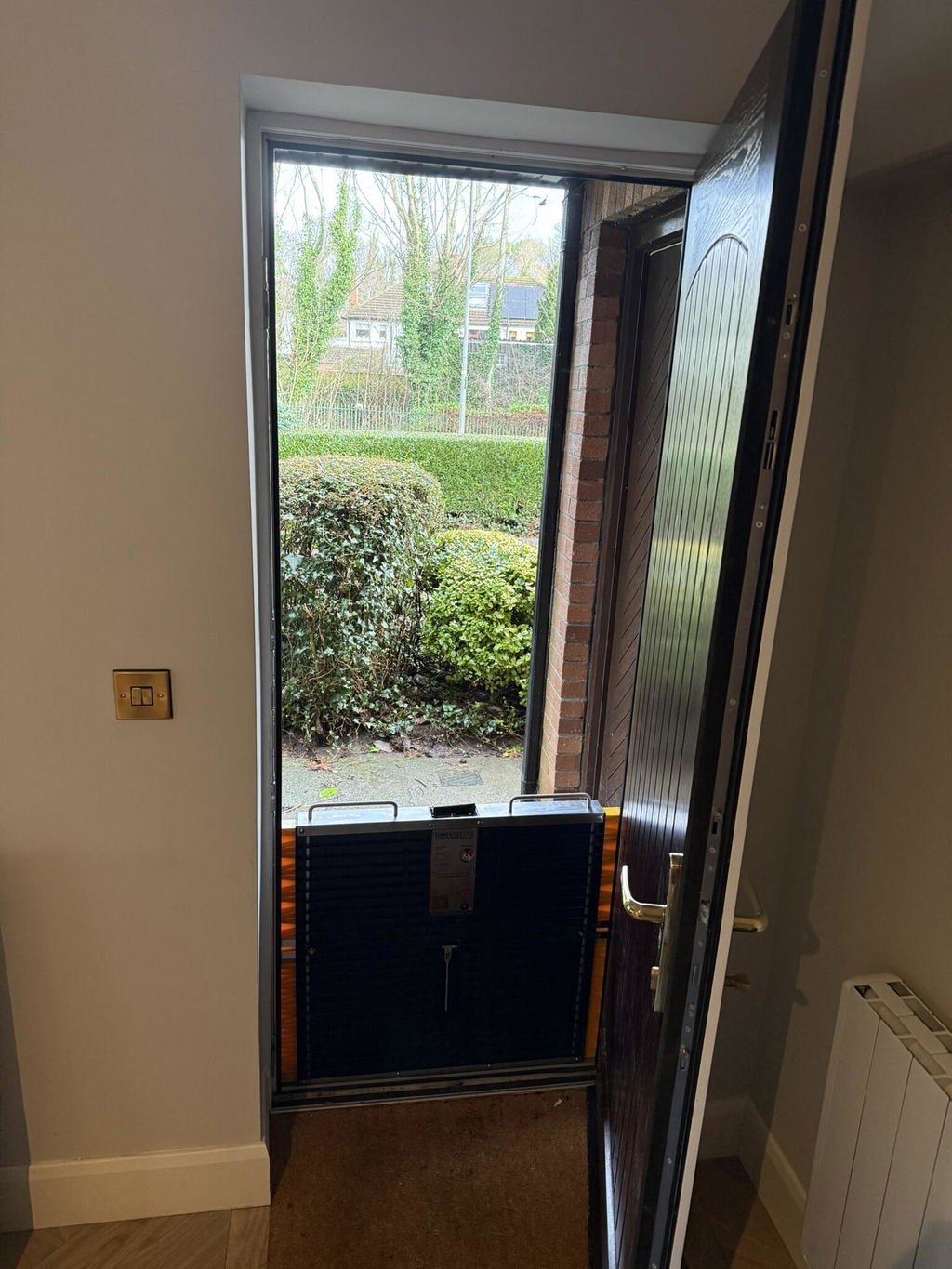
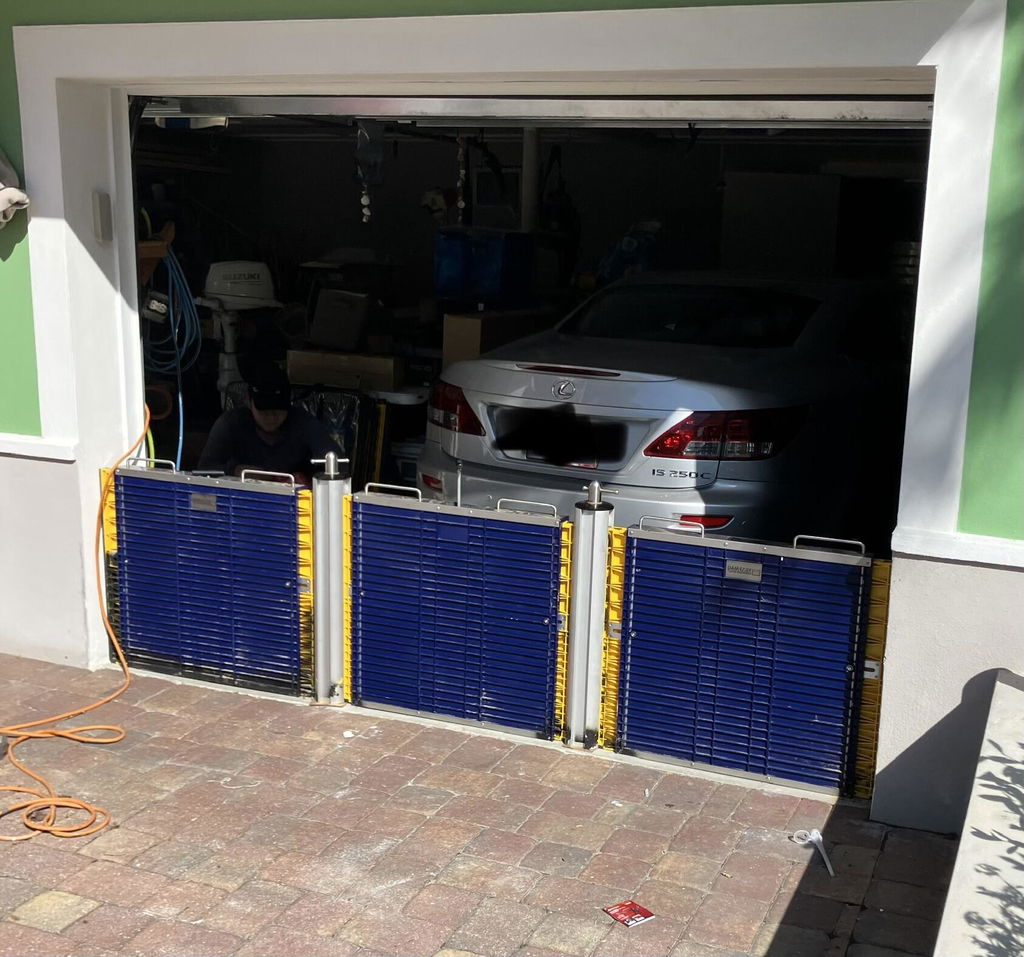
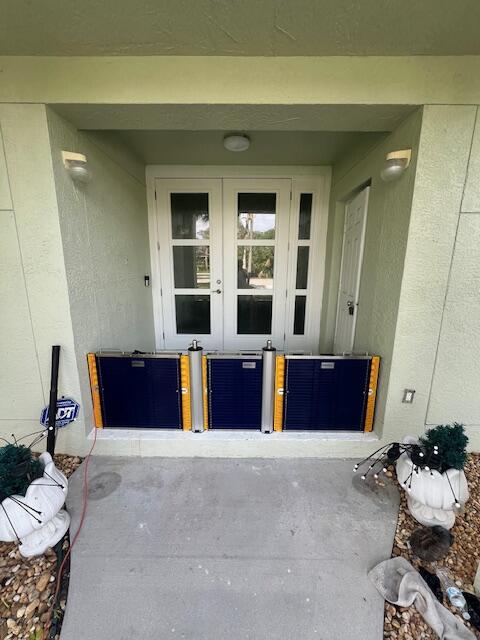
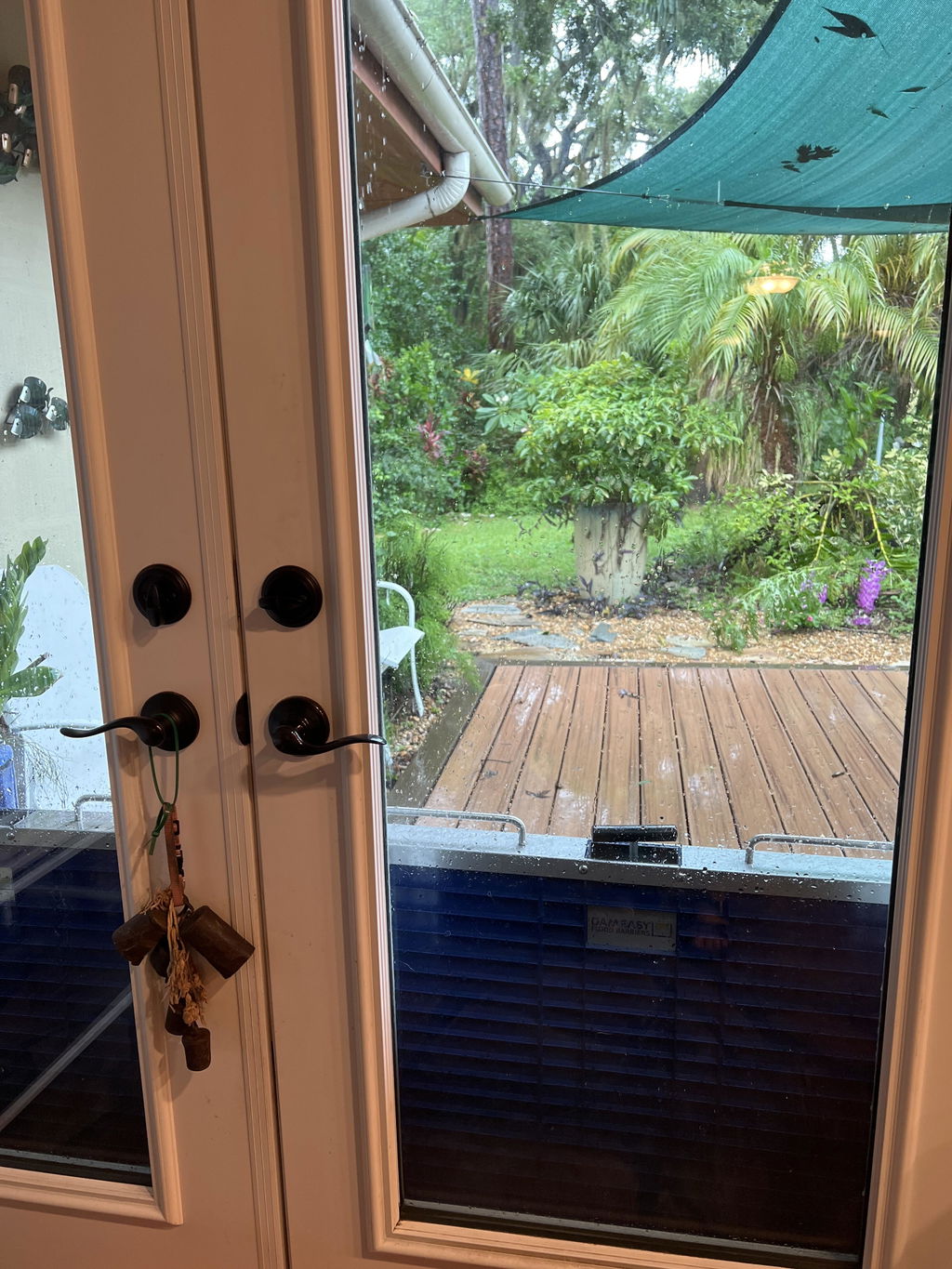
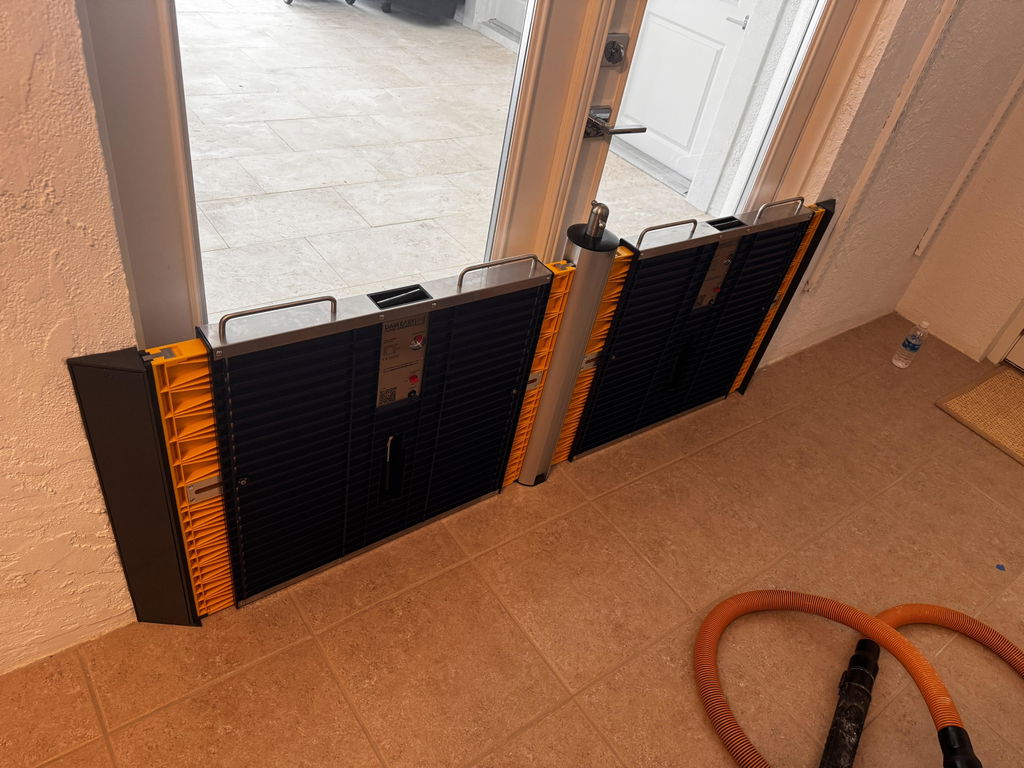
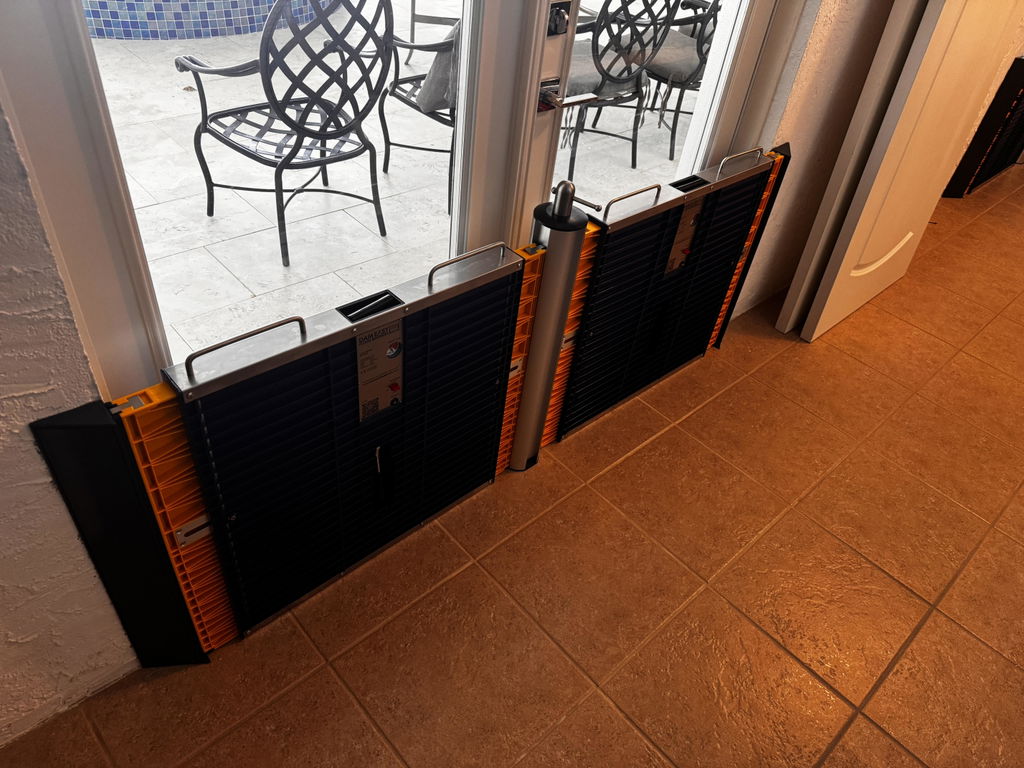
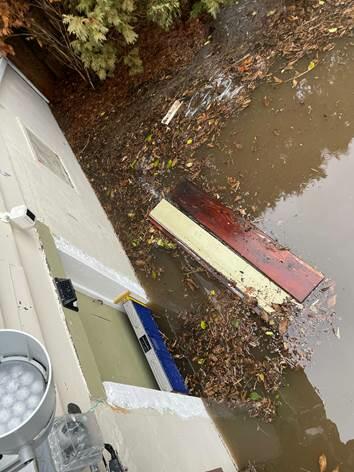
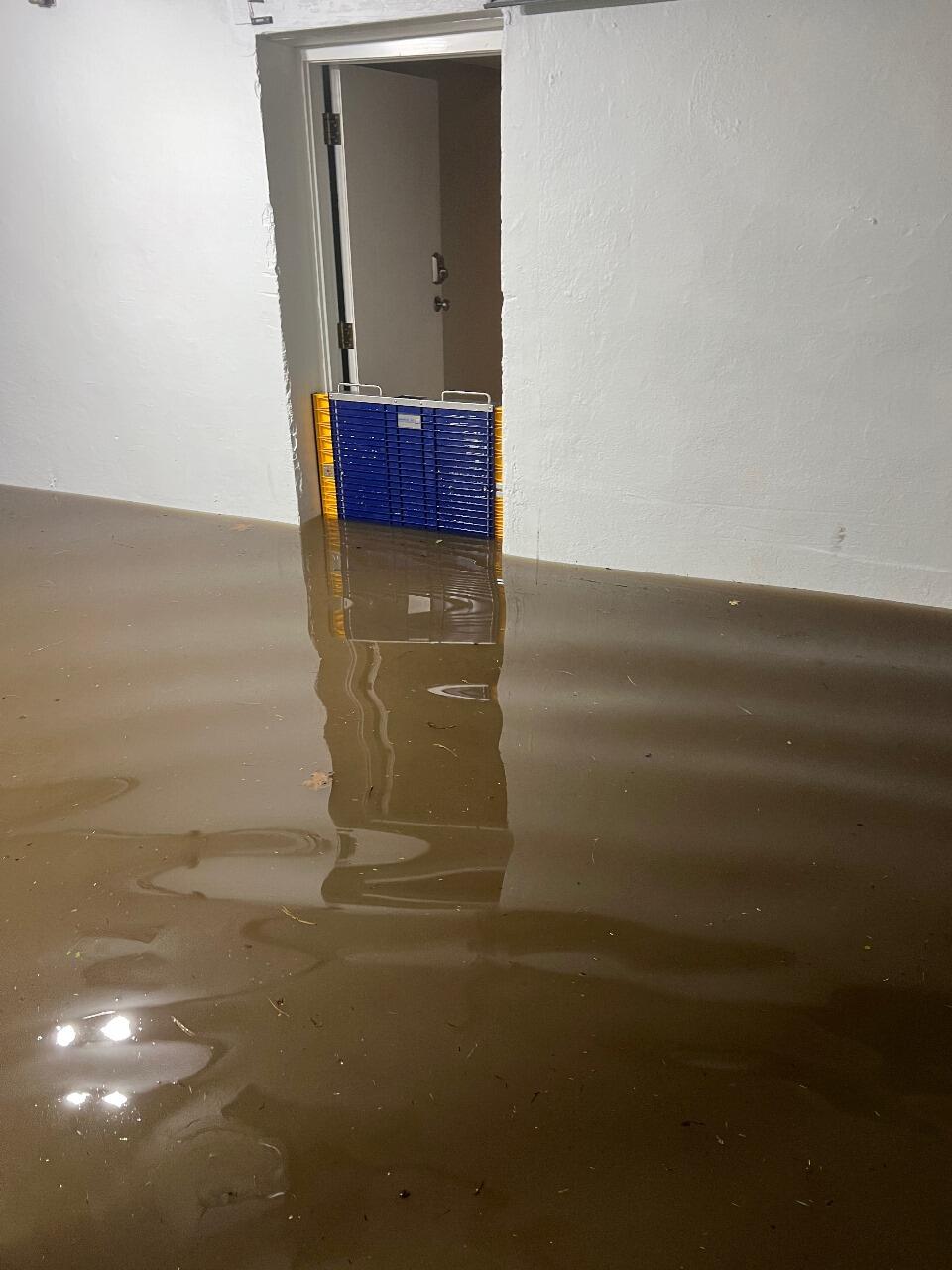
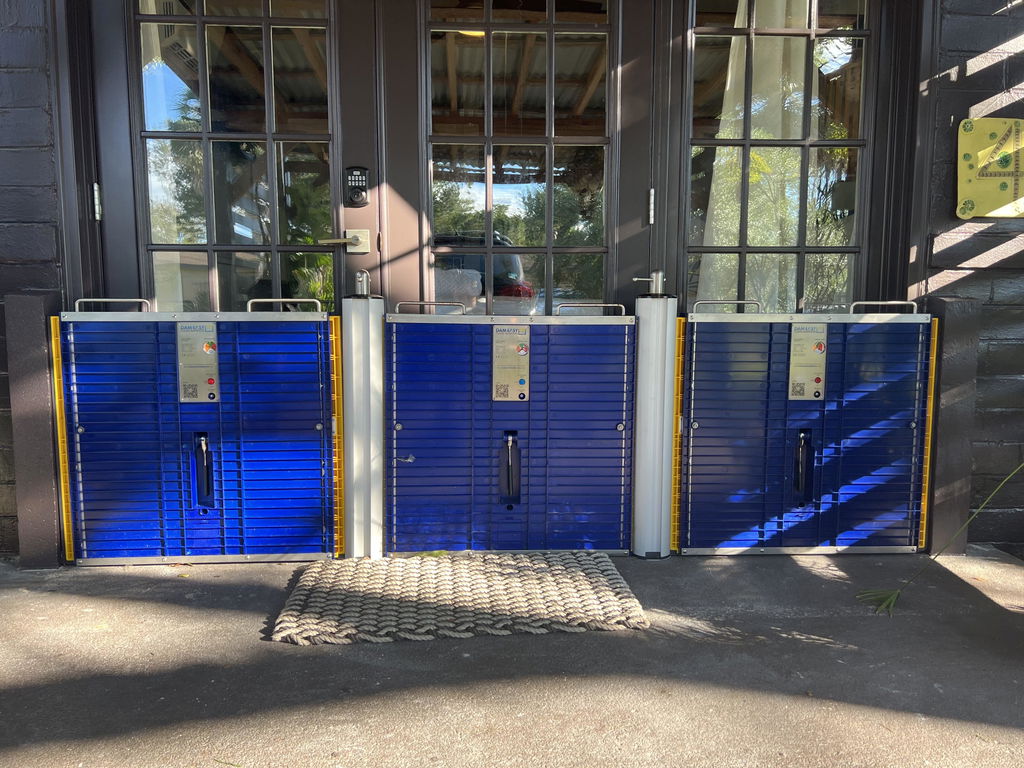
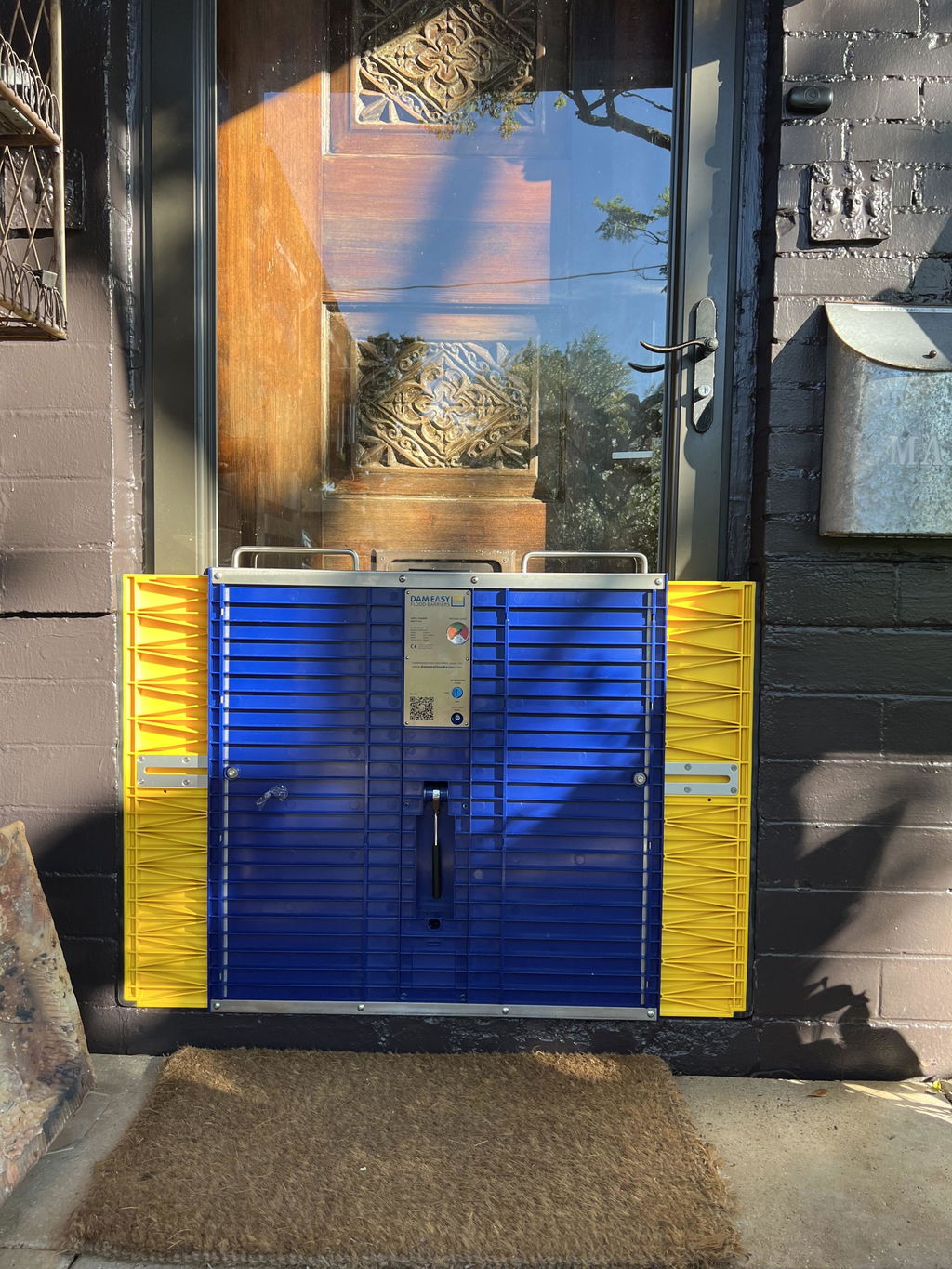
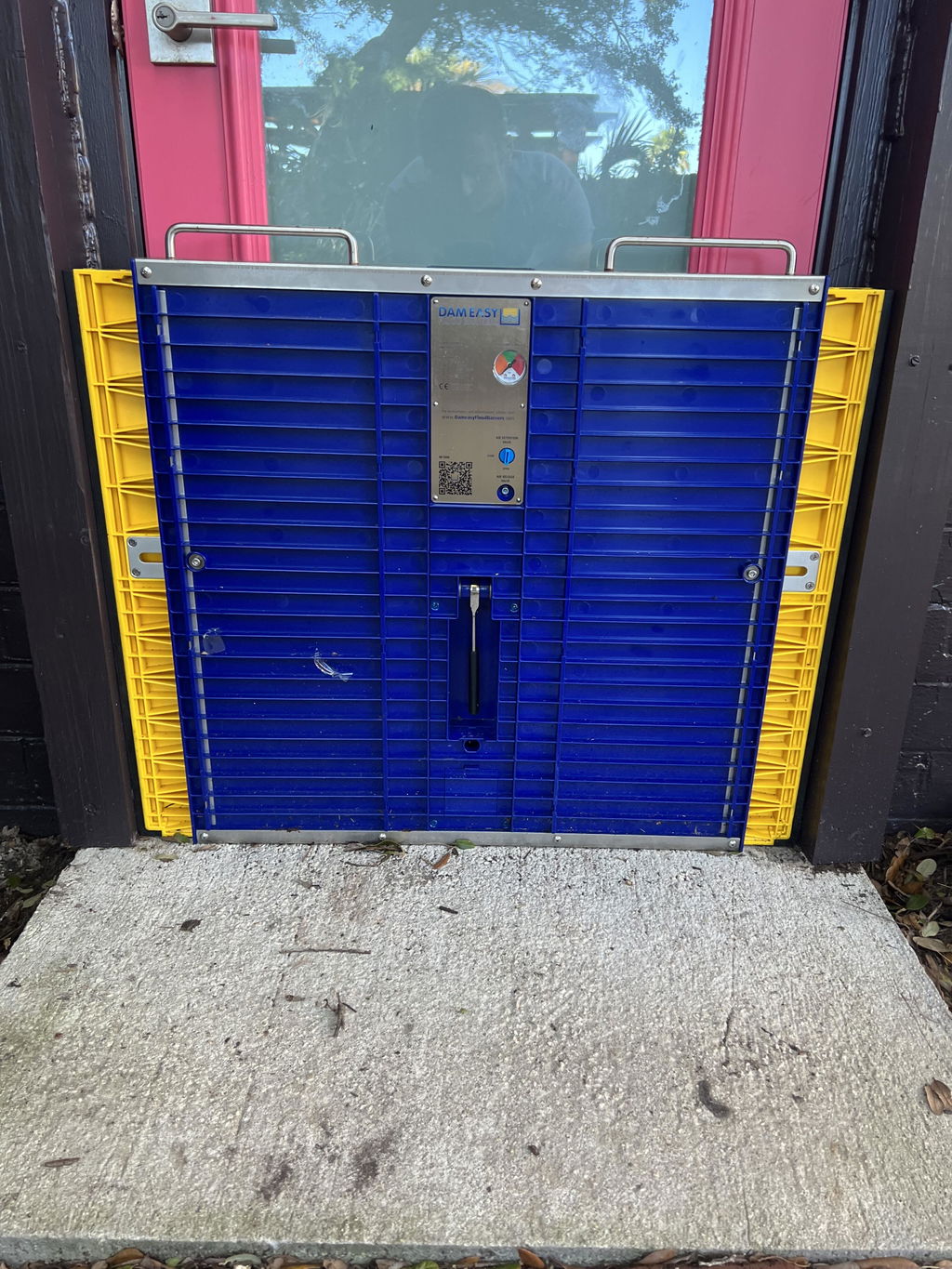
A reliable home flood barrier is the key to preventing the massive cleanup that often leads to severe water damage and dangerous mold growth. Products like the Dam Easy Flood Barrier are designed exactly for property owners who experience regular flooding. They fit quickly and easily right into door frames and patio doors, creating a strong, watertight seal in minutes.
Using an easy-to-install product like the Dam Easy barrier means that instead of dealing with deep structural flood damage later, you can keep the home dry from the start. You don't need tools, and one person can install it. This is not just about keeping your furniture dry; it’s about protecting the very structure of your house. Investing in a proper home flood barrier saves you time, saves you thousands of dollars, and most importantly, saves you the major headache of dealing with a house full of dangerous mold and its related issues.
The Race Against Time: Why Mold Loves Your Home After a Flood
Why does mold grow so quickly after a flood? It’s because the flood brings together everything mold needs to survive and spread. The answer is simple: it needs three things—food, warmth, and moisture.
Moisture: Flooding provides all the moisture mold could ever need. Even when the visible flood water is completely gone, moisture has sunk deep into drywall, wooden beams, insulation, carpets, and furniture.
Food: Mildew eats organic materials. Guess what most of your house is made of? Wood, the paper backing on drywall, fabrics, and dust. These are all an endless food source for the fungus.
Warmth: Houses are naturally warm environments, and often, after a disaster, the humidity and temperature rise. This is like a fast-forward button, speeding up serious mold growth.
Because of this perfect storm, you only have a small window—usually 24 to 48 hours—to get your home completely dry before tiny mold spores start to root and spread everywhere. Ignoring swift cleanup means facing major, expensive flood damage repairs down the line.
El dique de contención de inundaciones.

$949.00
Dam easy® para evitar la inundación de la represa. Las inundaciones son cada vez más frecuentes en todo el mundo.Lo que solía ser un fenómeno centenario se ha convertido en una tendencia estacional que los propietarios deben afrontar. … Read More
Immediate Action: Taming the Water Damage Chaos
If your home has suffered flood damage, time is truly of the essence. Every hour that passes increases the risk of permanent water damage and wide-spread mold growth. Follow these steps immediately to win the fight against moisture and stop mold before it takes hold.
Step 1: Safety First—Protect Yourself
Before you step back into your property, you must make sure it is safe. Floodwater can contain sewage, chemicals, and things that can make you sick.
Turn off the power: Do not use electrical appliances or even flip a light switch if the area is wet. Call an electrician first to make sure it is safe.
Wear protective gear: Always wear an N-95 or P-100 mask, heavy-duty rubber gloves, and eye protection (goggles) when cleaning up flood damage. This is vital to protect yourself from bacteria in the floodwater and from breathing in invisible mold spores.
Call your insurance: Document everything. Take photos and videos of the damage before you start moving things.
Step 2: Remove the Water and Soggy Items Fast
Your first job is to get rid of standing water immediately. Use pumps, wet vacuums, and buckets. The faster the water leaves, the less time it has to soak into your building materials.
Toss the unsavable: Sadly, things that are porous and have been soaked by contaminated floodwater must be thrown away. This includes carpets, padding, mattresses, books, and most upholstered furniture. These items hold water and are impossible to clean fully, making them perfect homes for mildew. If you live in a location prone to rising water, such as Grafton, New South Wales, it’s best to be realistic about what can be saved.
Remove drywall: If drywall has been soaked, you must cut it away at least 12 inches above the visible water line. This allows the wall structure and the area behind the walls to dry out completely and removes the food source for mold.
Step 3: Start the Drying Process Aggressively
Drying must be aggressive. This is the single most important action in winning the fight against mildew.
Increase Airflow: Open all windows and doors (if the weather outside is dry and the air is warmer than inside) to increase air movement. If the weather is humid, keep windows shut and rely on machines.
Use Fans and Air Movers: Place high-power fans, dehumidifiers, and air movers everywhere. Direct fans at wet walls and floors. If you have a two-story home, you may need to move the equipment constantly to focus on the wettest areas.
Run the Dehumidifiers: These machines are your best friends right now. They pull moisture out of the air, which is the key to stopping mold growth. In humid climates, like parts of Houston, Texas, or the coastal areas of Lismore, New South Wales, running these machines 24/7 for several weeks is a must to prevent a new wave of mildew. The goal is to get the humidity in your home below 50% as soon as possible.
Your Guide to Cleaning Up and Getting Rid of Visible Mold
If more than 48 hours have passed since the flood, you are likely dealing with some level of mold growth. Small areas (less than 10 square feet—about a 3-foot by 3-foot patch) can often be handled safely by the homeowner. Bigger jobs need a professional.
Treating Non-Porous Surfaces
Non-porous surfaces are things that don't soak up water, like glass, metal, hard plastics, and sealed wood. These are the easiest to clean.
Clean: Scrub the area with a stiff brush and a solution of water and non-ammonia soap or detergent. Physical scrubbing is crucial to lift the mildew roots from the surface.
Disinfect: After cleaning, you can use a diluted bleach solution (no more than 1 cup of household bleach mixed into a gallon of water). Apply the bleach mix, let it sit for a few minutes, then rinse.
A critical safety warning: NEVER mix bleach with ammonia or other cleaners, as this creates dangerous, toxic fumes.
Dry: This is the most important step after disinfecting. Make sure the area is completely dry afterward. If you leave moisture, the mold will certainly come right back.
Handling Porous Materials
Porous materials (wood, insulation, unsealed concrete, fabric) are tricky because the mold roots deep inside.
Wood: For structural wood like floor joists, if the wood is solid and not rotting, you can sand or wire-brush the mildew away. Then, apply a commercial mold-killing cleaner or a borate-based solution. Make sure the wood is fully dry (you can check with a cheap moisture meter) before covering it up with new drywall or paint.
Everything Else: If items like fabric, carpet, ceiling tiles, or drywall have heavy visible mold on them from flood damage, they must be bagged up tightly and thrown out immediately. It is simply too hard to get the mold completely out of these soft, spongy materials.
When to Call a Professional Mold Remediation Team
Sometimes, the flood damage is too severe, or the contamination level is too high for a simple DIY cleanup. Knowing when to call in the experts can protect your health and your home's long-term value.
You should hire a professional team if:
The moldy area is larger than 10 square feet (about the size of one sheet of drywall).
You or family members have chronic health problems like asthma, lung issues, or severe allergies, as even small amounts of mildew can cause severe reactions. The area affected includes your home's HVAC (heating and cooling) system or air ducts.
The flooding was caused by sewage or highly contaminated (Category 3) water.
Professionals have the right gear—like HEPA vacuums, strong air scrubbers that filter the air, and special containment barriers—to safely remove and prevent future mold growth without spreading spores throughout the rest of your home. They can often spot hidden mildew behind walls that a homeowner might miss.
Long-Term Protection and Prevention: Keeping the Water Out
The best defense against future mildew and flood damage is preparing for the next flood now. Residents in flood-prone spots worldwide, from communities near London, UK, especially in areas like Bermondsey and Old Southwark, to the river communities of Boston and Skegness, Lincolnshire, know that regular floods are a costly reality.
Here is how to stay ahead of the next disaster:
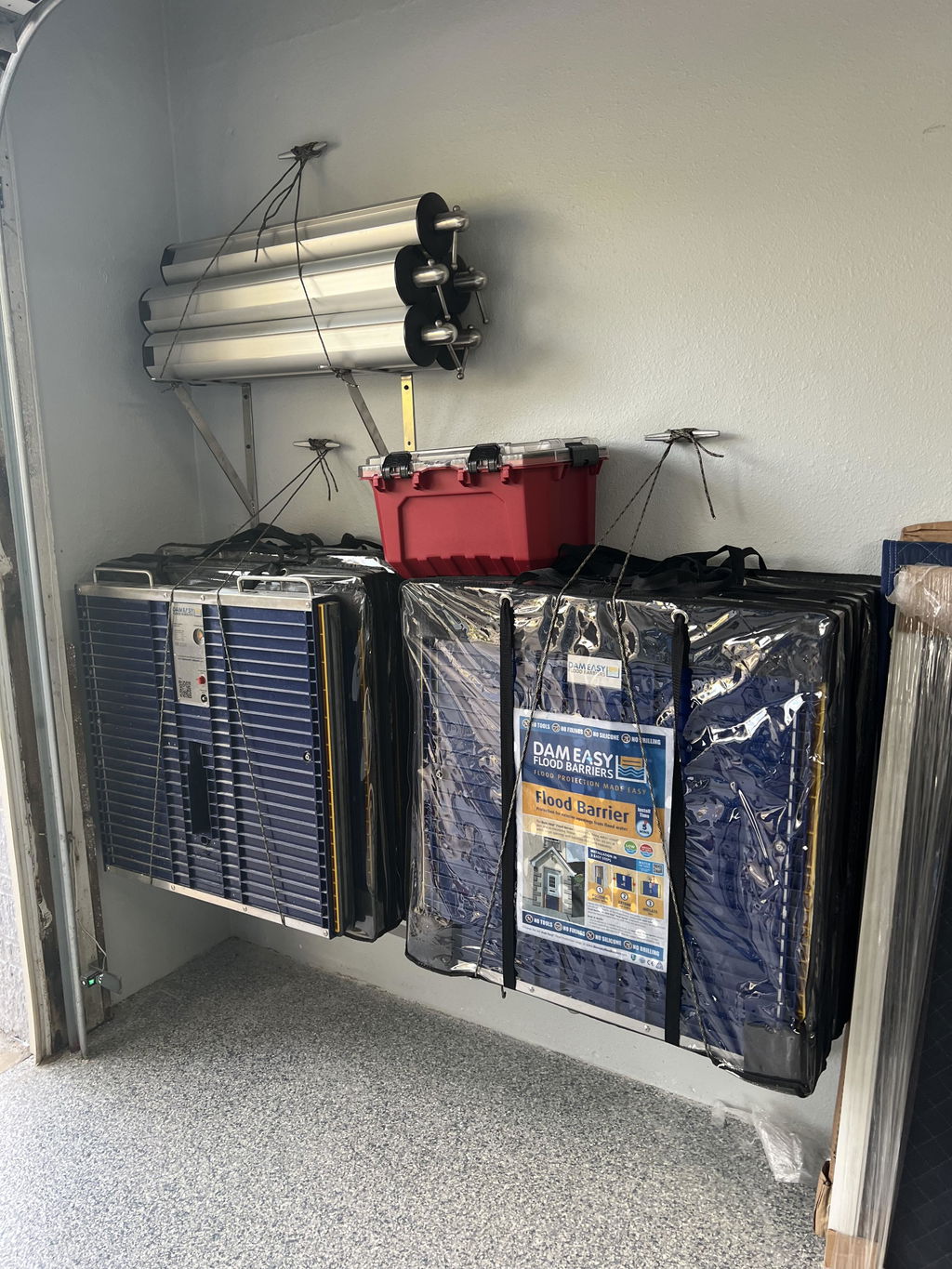
Invest in a Home Flood Barrier Now: Get a strong, tested product like the Dam Easy Flood Barrier. It stores easily and seals your doors tightly in minutes, giving you peace of mind. It is much, much easier and cheaper to spend 5 minutes putting up a home flood barrier than spending weeks cleaning up severe water damage and dealing with professional mold removal.
Raise Appliances and Valuables: If you live in a flood zone, consider raising electrical panels, furnaces, and water heaters up onto concrete blocks or platforms. Move valuables out of basements or ground floors when flood warnings are issued.
Use Mold-Resistant Materials: When you rebuild after serious flood damage, use water-resistant drywall (often called "green board" or "purple board") and use paint that has anti-mildew inhibitors added to it. These materials make it much harder for the fungus to take root in the future.
Check for Leaks: After the big cleanup is done, regularly check your pipes, roof, and foundation for small, hidden leaks that could bring new moisture into your home. The key to preventing mildew is keeping your home as dry as possible, all the time, even when the sun is shining.
Conclusion
Dealing with water damage and flood damage is a massive job, but by acting fast and planning ahead, you can protect your family and your property. The goal is simple: stop the water before it comes in with a reliable home flood barrier, and if water does get in, dry your home out faster than mildew can grow. Be safe, act quickly, and protect your home today.
The Dam Easy Flood Barrier is a simple, reusable flood protection solution designed for property owners worldwide. Learn more and find the right fit for your doors on our product page. Dam Easy Product Family
FAQs
How quickly does mold start to grow after a flood?
Mold can start growing in as little as 24 to 48 hours after a flood. This rapid growth makes immediate cleanup and drying of all water damage essential to stop the spores from rooting and spreading.
What is the best way to prevent flood damage and mold from entering my home?
The single best preventative measure is installing a reliable, quick-to-deploy home flood barrier, such as the Dam Easy system, in your doorways and openings before a flood hits. This physically stops the water, preventing major flood damage and the resulting mold growth.
What should I do immediately after my property has water damage from a flood?
You must act fast:
1) Turn off the power.
2) Wear protective gear (N95 mask and gloves).
3) Remove standing water.
4) Aggressively dry the area using fans and dehumidifiers 24/7 to halt mold growth and limit long-term water damage.
When is flood damage mold too severe for DIY cleaning?
If the area of mold covers more than 10 square feet, or if it is affecting your HVAC system, you should call a professional mold remediation team. Professionals are necessary for severe flood damage cleanup in high-risk areas like New Orleans, Louisiana, or Carlisle, UK.
How does a home flood barrier protect against water damage?
A home flood barrier creates a watertight seal across door and window openings. By physically blocking the entry of water, it completely eliminates the initial water damage that leads to saturated materials and later structural problems, keeping your home dry.