Table of Contents
You’ve checked the tickets and packed the bags, and the excitement for your holiday trip is building! But before you lock the front door and head to the airport, there’s one vital check you need to make: the risk of a sudden flash flood! Especially if you live in a flood-prone area like Lismore, NSW, Australia, the low-lying parts of Brisbane, QLD, the coastal towns near Tweed and Ballina, NSW, the communities near the Murray River in Nicholls, Victoria, or even areas like Chelmer, Brisbane.
Across the globe—from the river valleys of the UK, the coastal regions of Australia, to the storm-affected states in the USA—the risk of a sudden flash flood is real. A flash flood is not your regular slow-rising river flood. It’s a rush of water, often appearing with little notice, and it can turn a planned vacation into a homeowner's worst nightmare.
For property owners in places like coastal Louisiana, USA, parts of Florida, the Severn Estuary in the UK, or the many areas around Shrewsbury and Worcester, taking a quick 48 hours to secure your home is a small price to pay for true peace of mind.
This guide, brought to you by Dam Easy Flood Barriers, gives you a simple, easy-to-follow, 48-hour checklist to make sure your home is safe from a flash flood while you’re away.
48 Hours Out: The Essential Checks
This is your final two-day window. If a flood warning is already in place or extreme weather is expected, you may have even less time. You need to focus on quick, effective actions.
Step 1: Check the Forecast and Alerts (Minute 1)
Before you do anything else, check your local emergency alerts.
USA: Look for alerts from the National Weather Service (NWS) and FEMA. Sign up for local text or email warnings.
Australia: Check the Bureau of Meteorology (BOM) for flood warning updates. Your State Emergency Service (SES) is your best friend.
UK: Monitor the Environment Agency and your local council’s flood alert system.
A strong flood warning or severe storm outlook means you need to move fast. If authorities suggest an evacuation, you must follow their advice immediately. No holiday is worth risking your safety.
Step 2: Clear the Drains and Gutters (The Water's Pathway)
Water can’t flood your home if it can’t get to it.
Clear Gutters and Downspouts: Leaves, sticks, and debris are the enemy. Make sure all your roof gutters and the pipes that carry the water down are completely clear. A blocked downspout will dump water right next to your foundation, which is a big cause of flash flood damage.
Check Yard Drains: Ensure any drains on your driveway or lawn are free of dirt and leaves. You want rain to run away from your house, not pool up near your walls.
Step 3: Secure Your Valuables and Utilities (The Upper Floor Move)
If water does get in, you want your most important items safe and dry.
Move to Higher Ground: Quickly move valuable electronics, sentimental photos, important papers (like your insurance policy!), and small furniture to the highest floor of your house. If you don't have an upstairs, put them on counters, tables, or into the roof space.
Anchor Fuel Tanks: Any outdoor fuel tanks should be secured or anchored so they don't float away and cause a safety issue during a flash flood.
Turn Off Utilities: If you are expecting a severe flash flood or you are told to do so by local police or emergency services, turn off the main gas and electric power at the breaker box. This prevents electrical fires and greater damage if water enters your home. Only do this if it is safe and you are not standing in water.
24 Hours Out: Installing Your Home Flood Barrier
This is the most important step for protecting your home’s openings. Sandbags are messy, heavy, and take too long to fill and place. They are simply not the best way to stop a flash flood.
The Dam Easy Solution: Quick, Clean Protection
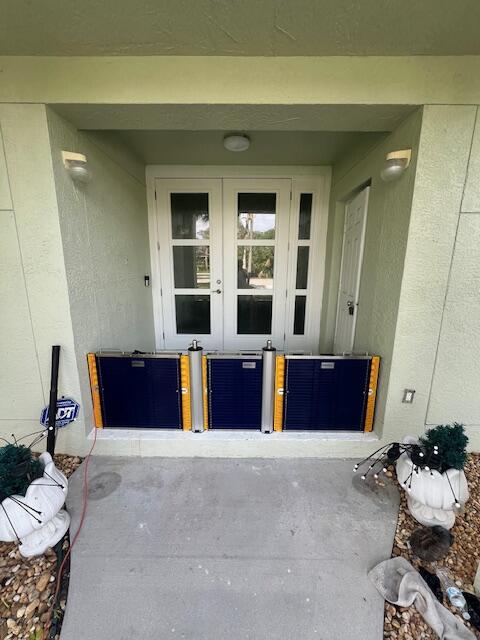
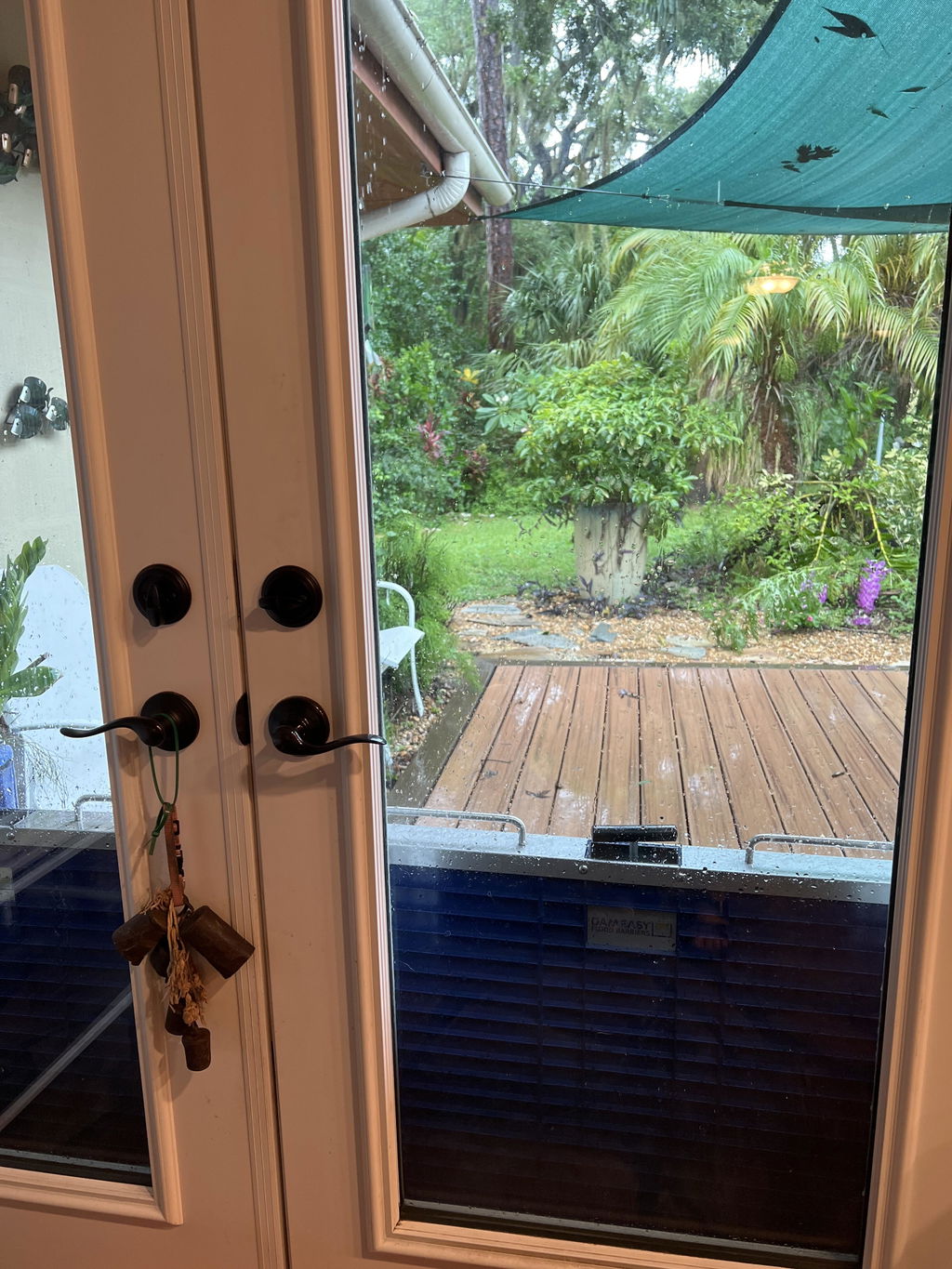
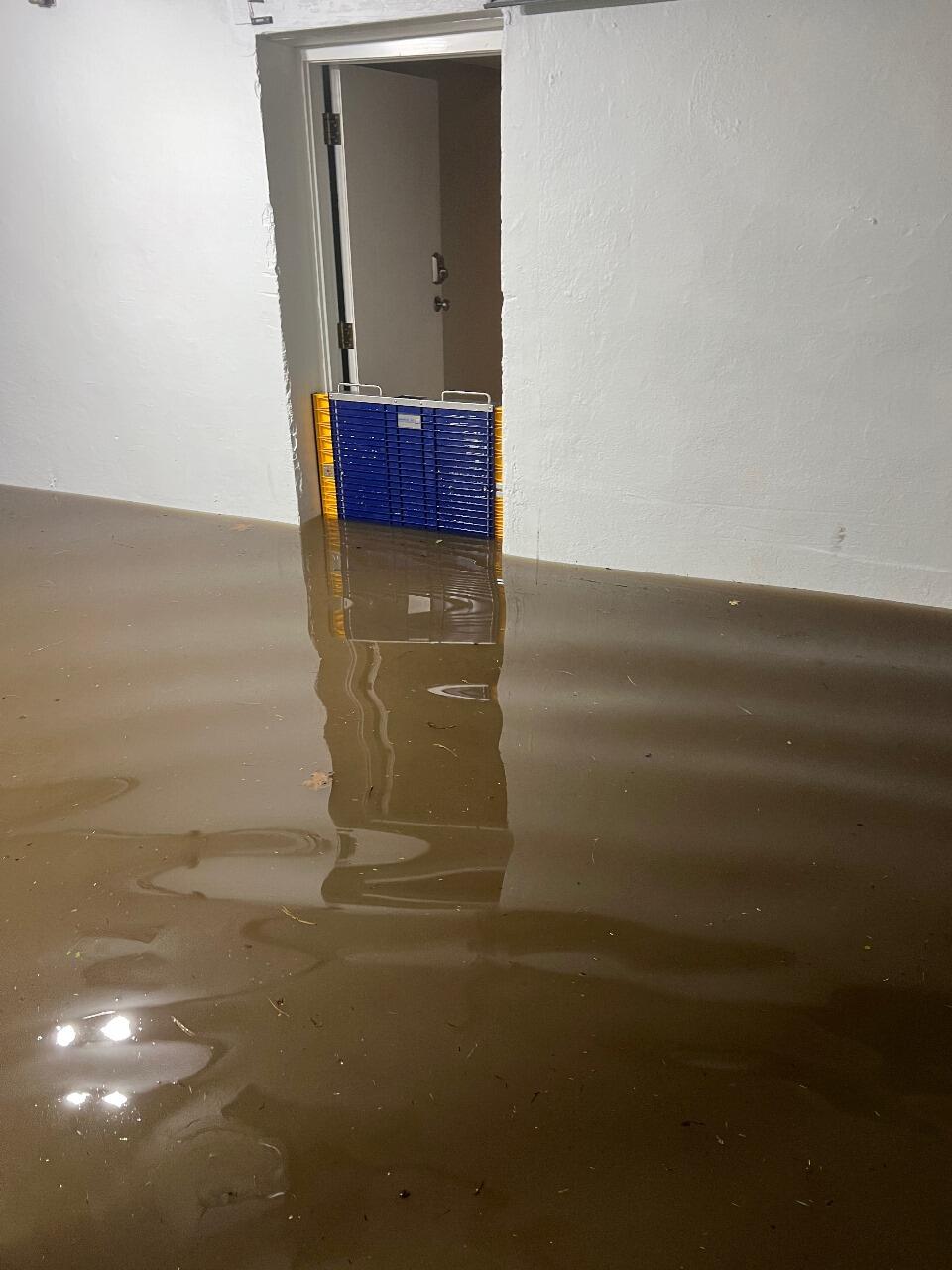
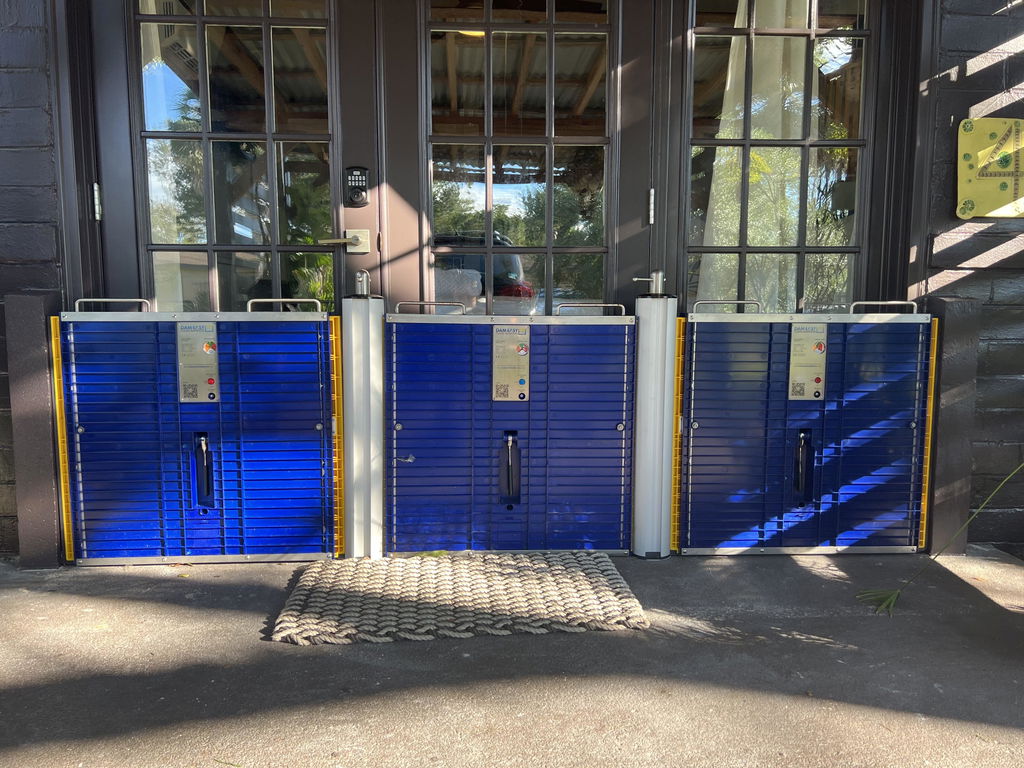
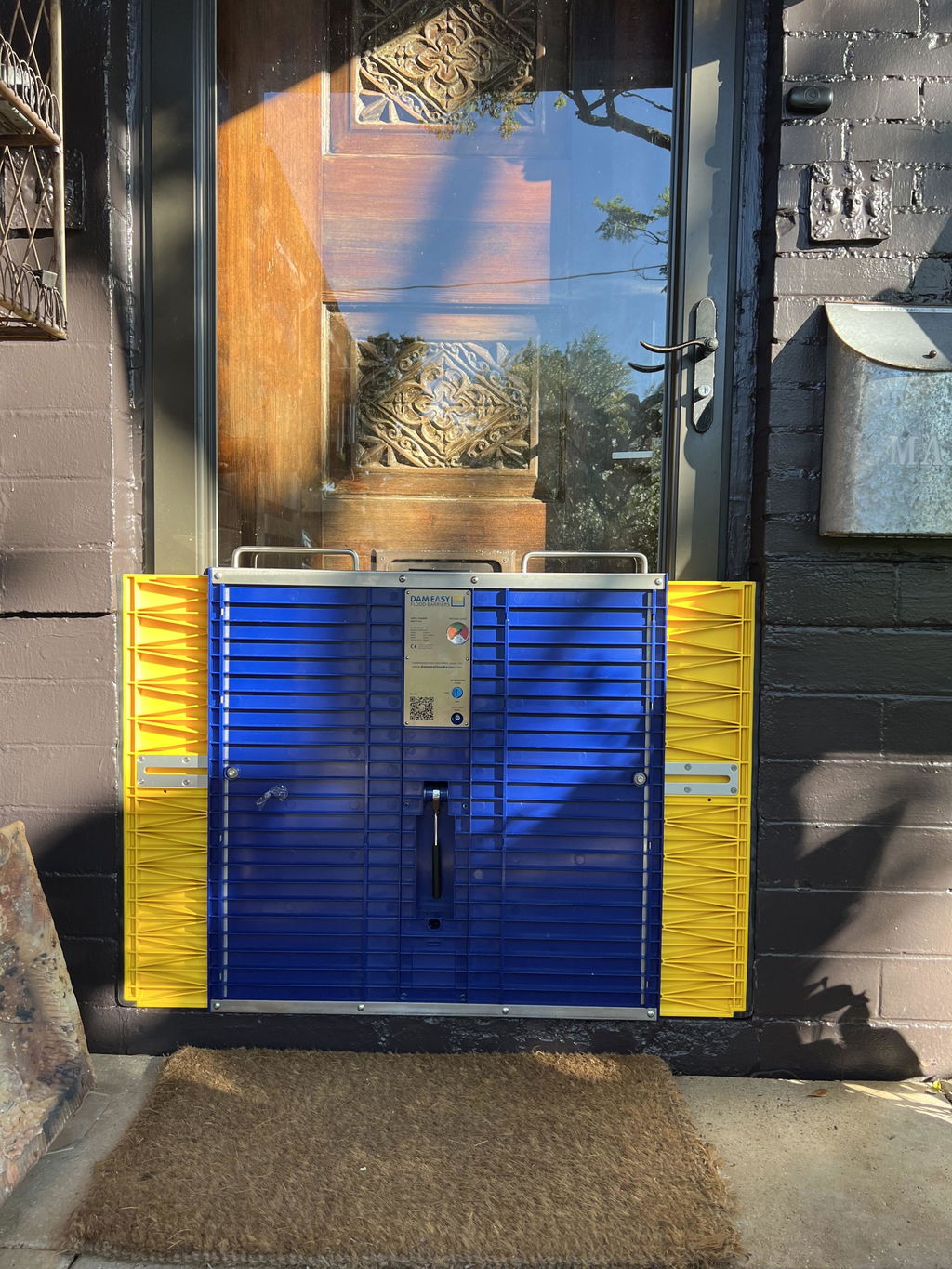
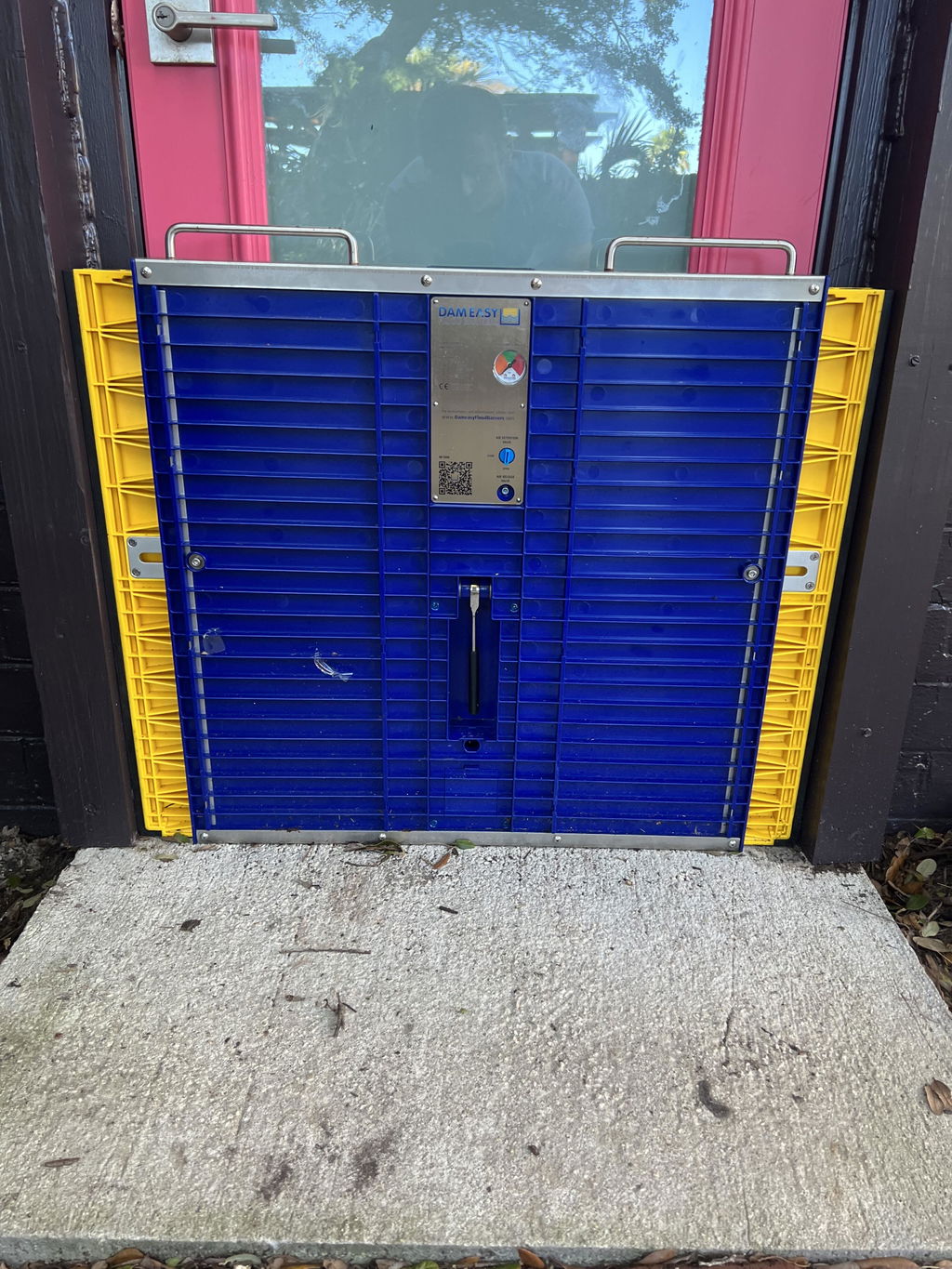
The Dam Easy Flood Barrier is an easy, fast-acting home flood barrier that gives you the best protection against a sudden flash flood.
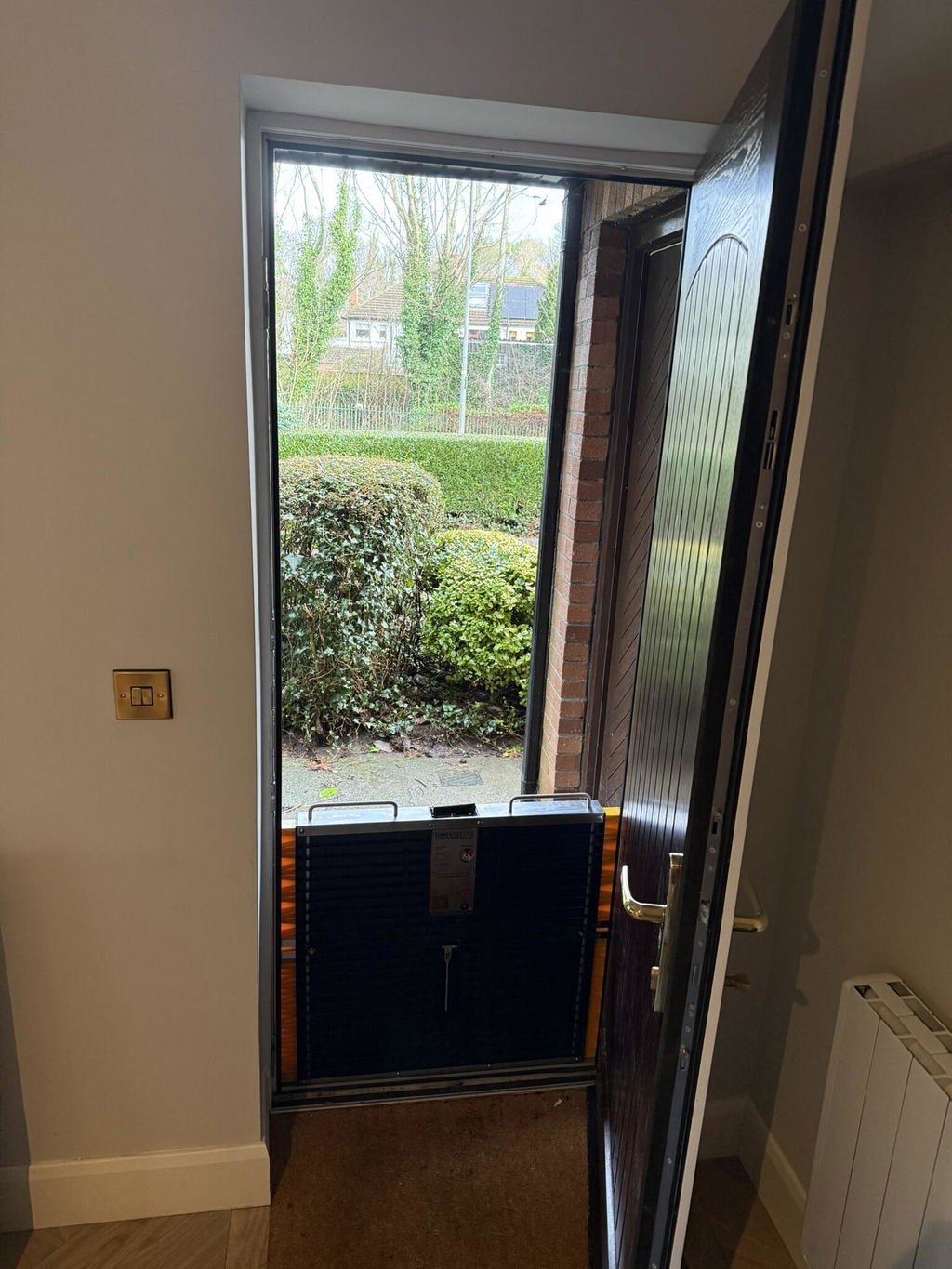
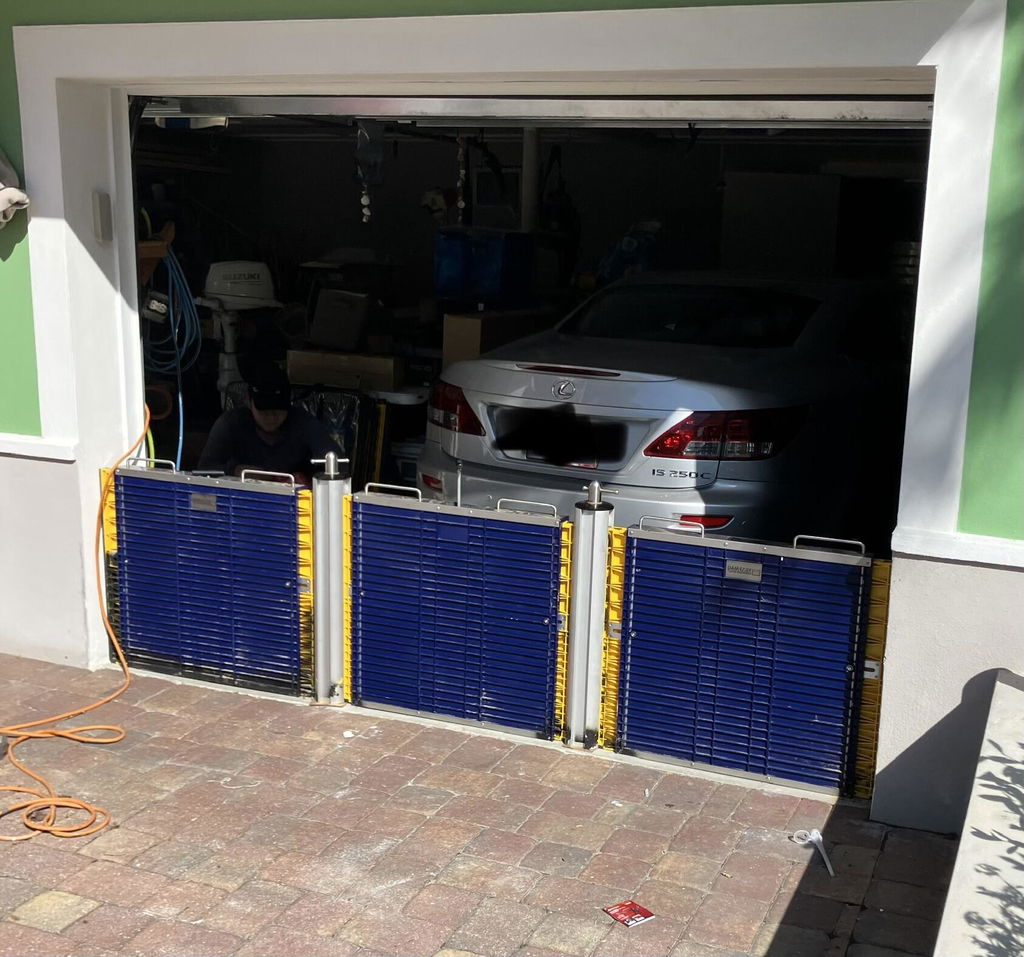
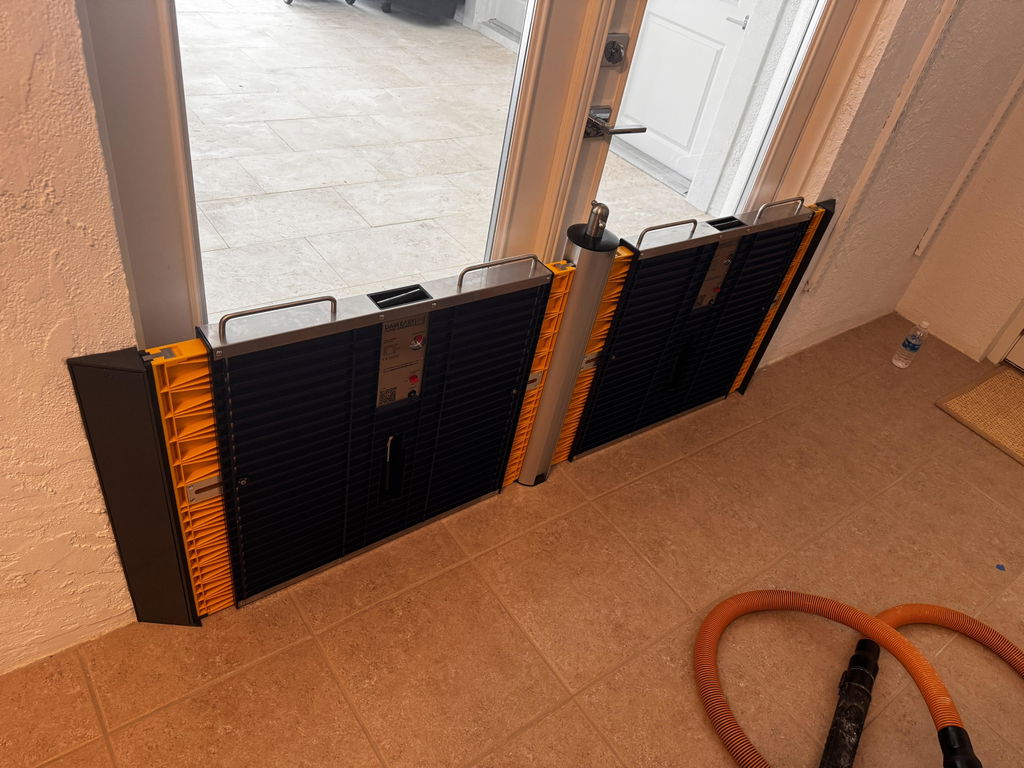
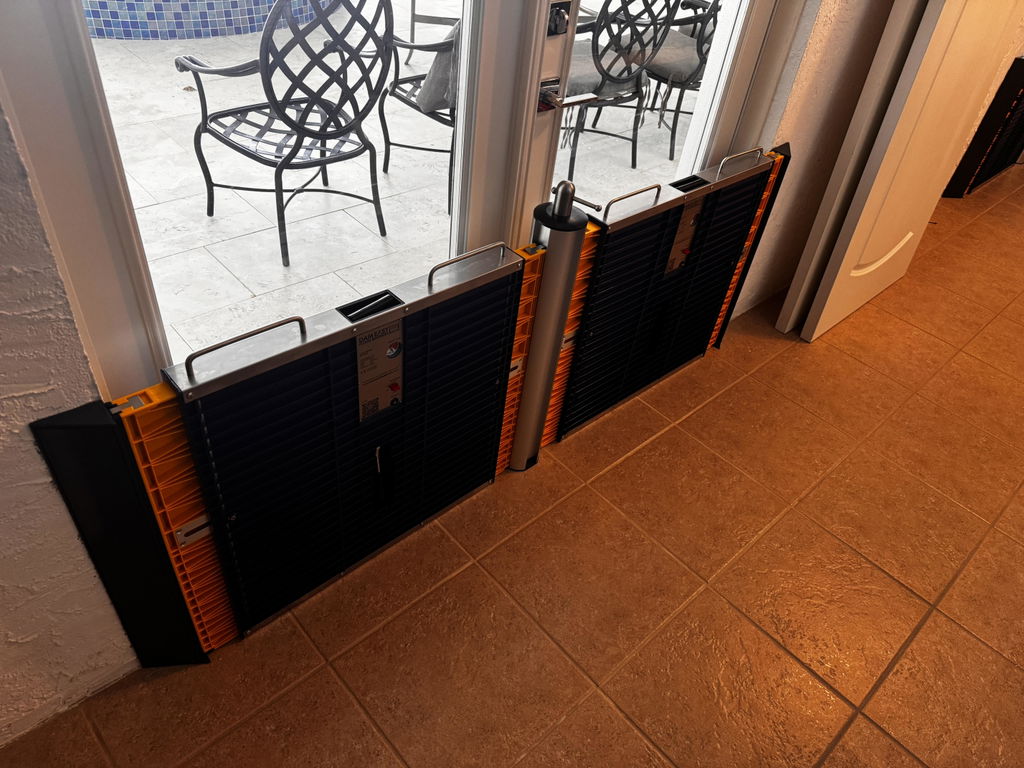
Place the Barrier: Simply put the Dam Easy barrier into the doorway you want to protect. It works on most standard doors, including garages with the right kit.
Extend to Fit: Use the handle to quickly expand the barrier until it touches both sides of the doorframe.
Inflate the Seal: Use the built-in hand pump to inflate the patented tube around the edge. This simple action creates a water-tight seal against the door frame.
Why this matters for a flash flood: When a flash flood hits, every minute counts. You can install a Dam Easy barrier in under five minutes. That’s enough time to secure two or three doors while your neighbors are still rushing to fill their first sandbag.
Key Protection Points: Don't forget all ground-floor entrances. This includes your front door, back door, sliding patio doors, and garage door.
Focus on the Entry: A single home flood barrier at the door can stop the water from rushing into your living space, giving you massive peace of mind while you are away.
Φράγμα πόρτας φραγμού πλημμύρας

$949.00
DAM EASY® FLOOD BARRIER ΠΟΡΤΑ ΦΡΑΓΜΑ Οι πλημμύρες γίνονται πιο συχνές σε όλο τον κόσμο. Αυτό που κάποτε ήταν ένα φαινόμενο 100 ετών είναι τώρα μια εποχική τάση που πρέπει να αντιμετωπίσουν οι ιδιοκτήτες σπιτιού. Γι 'αυτό ακριβώς… Read More
The Final Countdown: Just Before You Leave
With the main work done, here are the last things to check before you walk out the door.
1. Final Evacuation Preparations
Even though you are leaving for a planned holiday, you should have an evacuation bag ready to go in case the weather forces an early return and further danger.
The Grab-and-Go Bag: Keep copies of your key documents (passports, insurance details, a list of medications), some cash, and a charged mobile phone in a backpack near the door.
Neighbor Check: Let a trusted neighbor know you are leaving. Give them your travel contact details and a key. Ask them to check on your home after any major flood warning or storm.
2. Move Outdoor Items
Everything outside that is not tied down is a potential source of damage in a flash flood.
Bring In: Garden furniture, BBQs, tools, trash cans, and anything that can float away and smash against your windows or walls.
Secure: Lock down sheds or gates.
3. Shut Off the Water Main
While this won't stop a flash flood from outside, it is a crucial step to prevent internal water damage. If a pipe freezes or bursts while you are away, the small amount of effort to turn the main water valve off can save you thousands in repairs. It’s a simple preventative step that takes less than one minute.
The Dam Easy Advantage: Your Peace of Mind
For homeowners in high-risk areas—like the riverbanks near Shrewsbury, UK, the low-lying areas of New Orleans, USA, or the coastal regions of Queensland, Australia—preparing for a flash flood is a necessity, not a choice.
Leaving your home empty for a holiday can bring stress if you're worried about an unexpected flash flood. By investing in a high-quality home flood barrier like the Dam Easy Flood Gate, you are buying yourself protection and peace of mind.
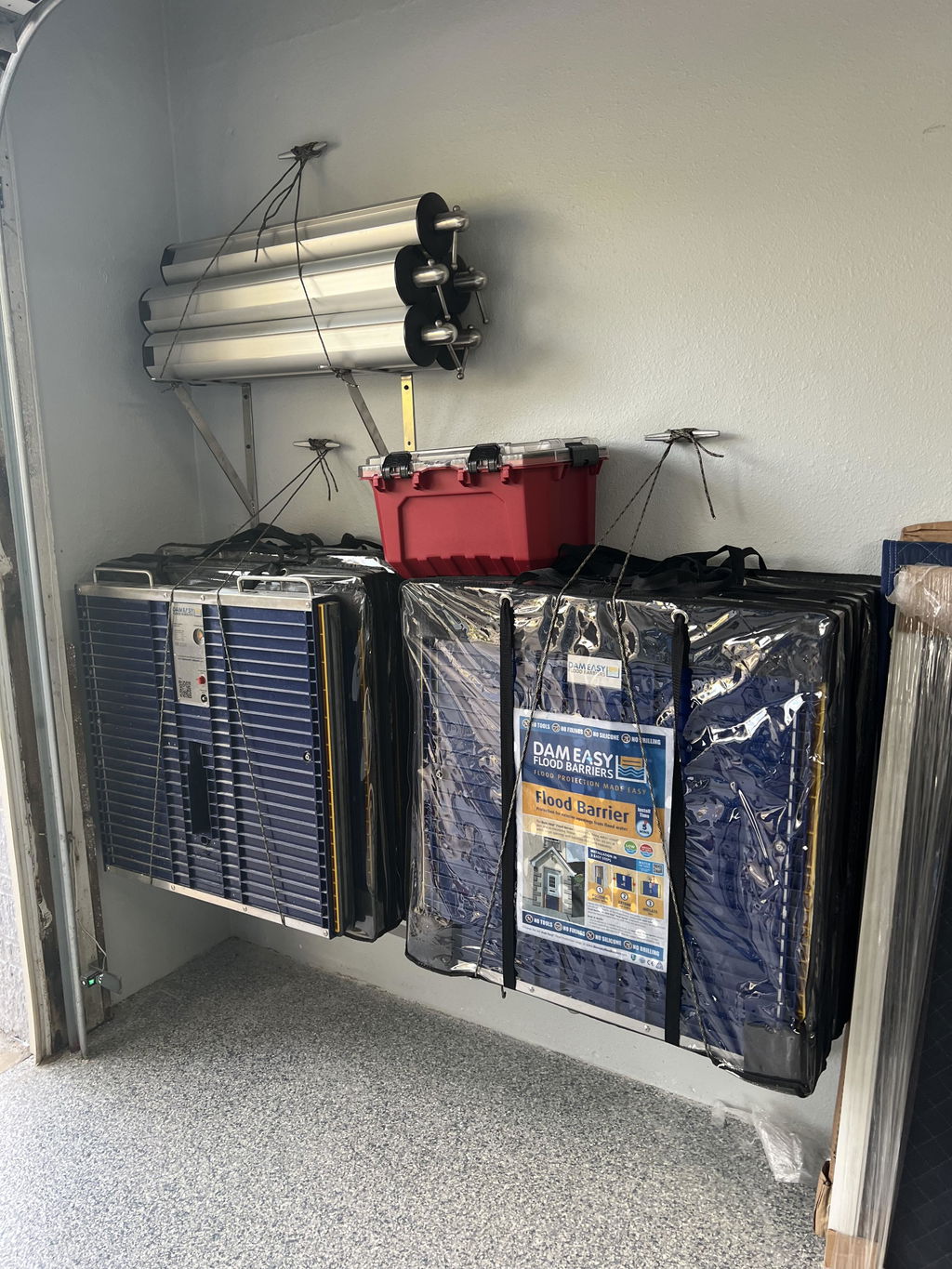
Our barriers are tested and proven to work, stopping water from a flash flood in its tracks. They are reusable, easy to store, and simple enough for anyone to install quickly before a trip.
Don't let the thought of a disaster spoil your holiday. Follow this 48-hour plan, secure your doorways with a reliable home flood barrier, and travel knowing you’ve done everything possible to keep your property safe from a sudden flash flood.
Contact Us Today and Book Your FREE Live Demo
FAQs
What is the difference between a regular flood and a flash flood?
A flash flood is extremely dangerous because it happens very quickly—often within minutes—due to heavy rain or a dam failure. A regular flood rises slowly, giving you much more time to prepare.
When should I start thinking about evacuation during a flood?
You should begin preparing for evacuation as soon as a severe flood warning is issued for your area. If local authorities order an evacuation, you must leave immediately. Never wait until the water starts rising.
What essential items should be in my evacuation kit?
Your kit should contain critical papers (insurance, IDs), medicine, a first-aid kit, some bottled water, non-perishable food, cash, and a fully charged phone. Keep it ready near the door for a fast evacuation.
Where can I get a reliable flood warning in the USA, Australia, or the UK?
USA: National Weather Service (NWS). Australia: Bureau of Meteorology (BOM) and State Emergency Service (SES). UK: Environment Agency. Always check official sources for the most current flood warning information.
I received a flood warning, but it’s not raining. Should I still prepare?
Yes! A flood warning means flooding is likely. The severe rain may have fallen upstream or far away. A flash flood can arrive from a distance with little local rain. Always follow the flood warning.
Are sandbags effective against a flash flood?
Sandbags are heavy, messy, and take a long time to fill and place correctly. They often fail against the fast-moving water pressure of a flash flood. A modern, quick-deploy home flood barrier is a much more effective and reliable choice.
How fast can I install a Dam Easy home flood barrier?
A high-quality home flood barrier like Dam Easy can be installed by one person in less than five minutes. The speed of installation is key when dealing with a fast-moving flash flood event.
Should I protect my garage door, or just my house doors?
You should absolutely protect your garage door! Garages are often lower than the main house and are vulnerable to a flash flood. Using a specialized home flood barrier for the garage is crucial for keeping vehicles and stored items safe.