Table of Contents
If you own a business or property, you know the fear that comes with stormy weather. Heavy rain and rising rivers can quickly lead to devastating flood damage. And when disaster does strike, knowing how to access the flood relief fund can be the key to getting back on your feet quickly.
This is especially true if you live in a high-risk area, whether you're in London or Yorkshire in the UK, Lismore or Brisbane in Australia, or places like St. Louis, Missouri or the coastal areas of Louisiana in the US.
This guide will walk you through preventing water damage, understanding your flood insurance, and navigating the process to claim a much-needed flood relief fund.
Part 1: Your First Line of Defense: Preventing Flood Damage
When it comes to floods, a little effort now beats a lot of heartbreak later. Preventing flood damage is always cheaper than repairing it.
The Dam Easy Solution: Physical Protection
This is where the most powerful step comes in. You need a fast, simple, and effective way to seal off your property.
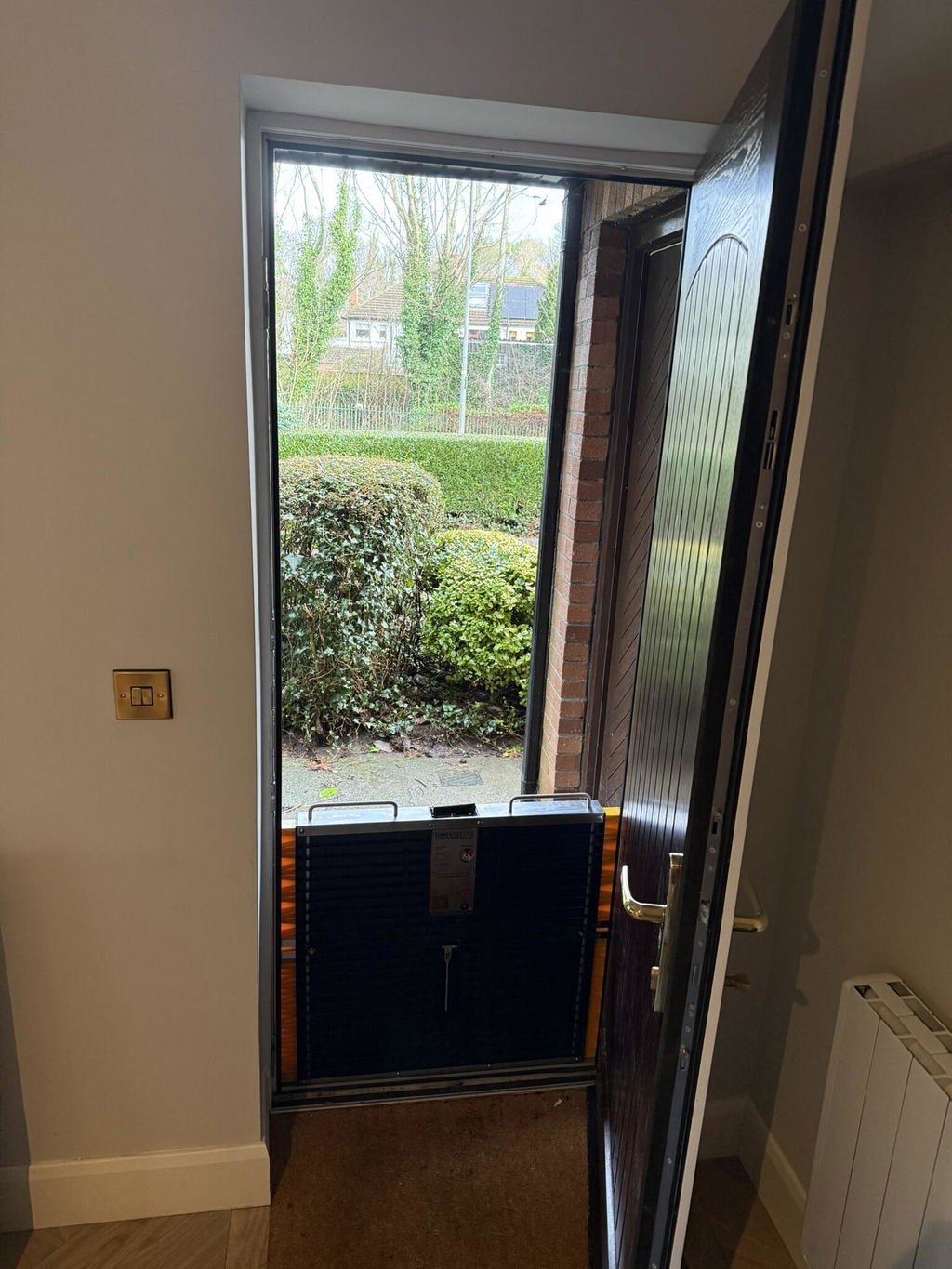
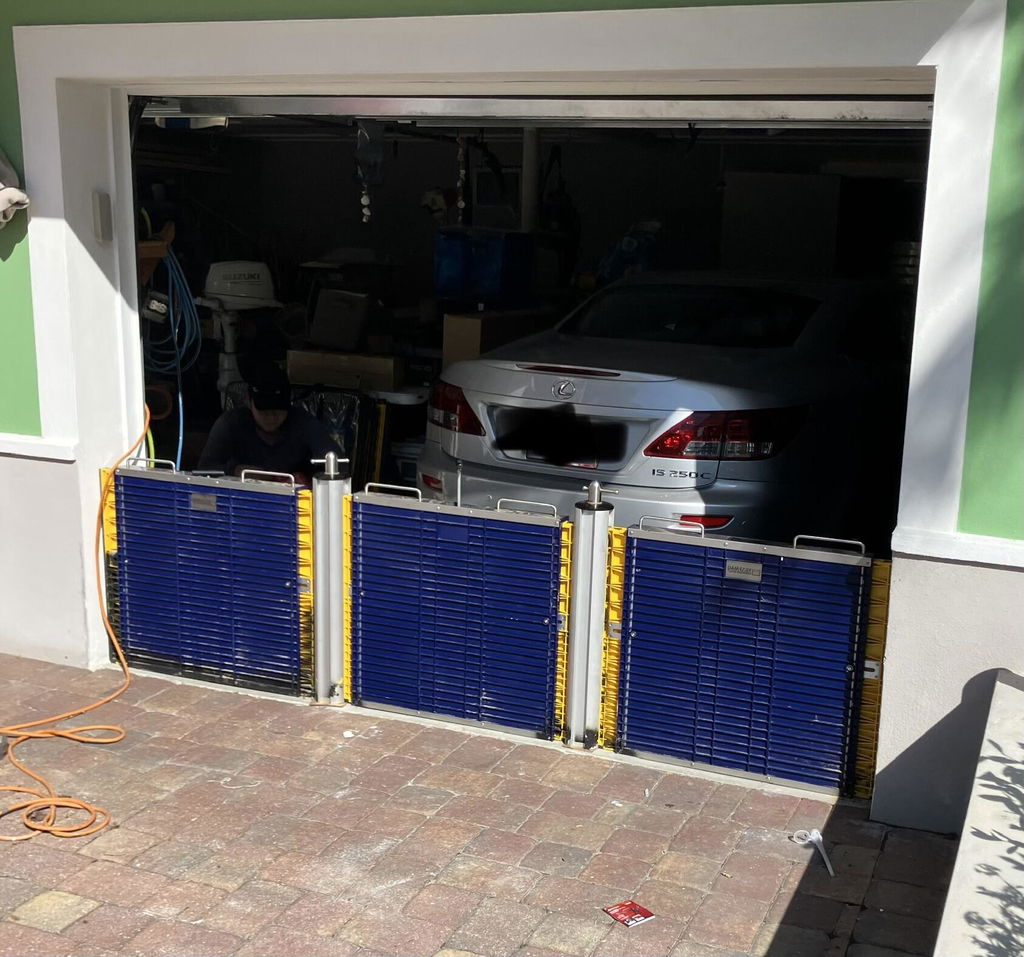
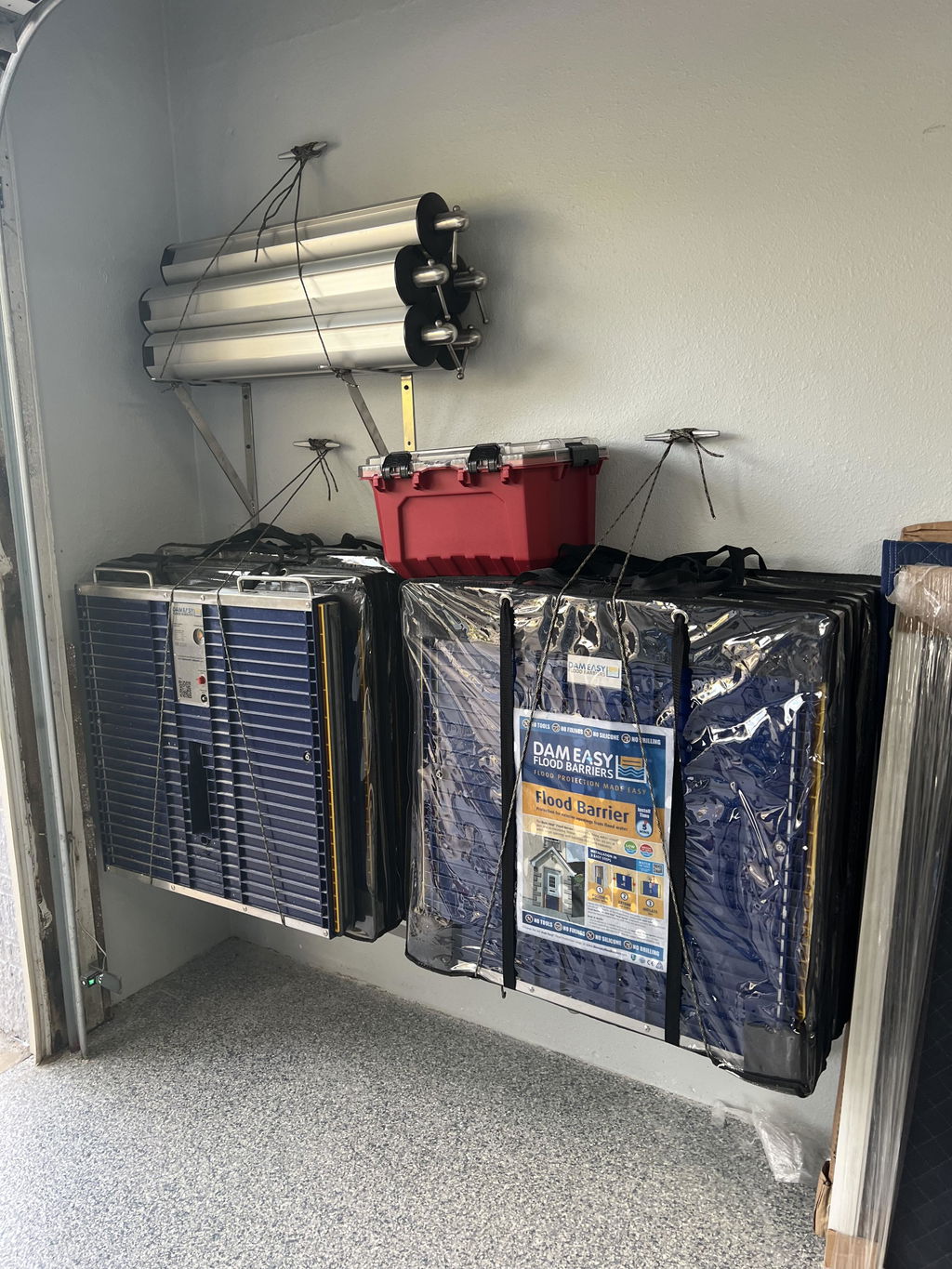
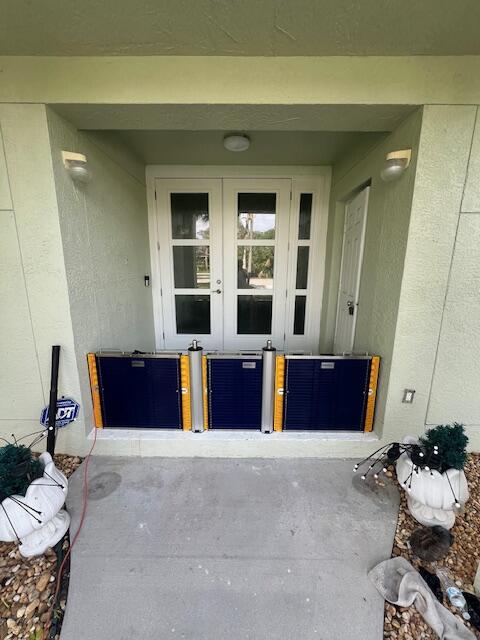
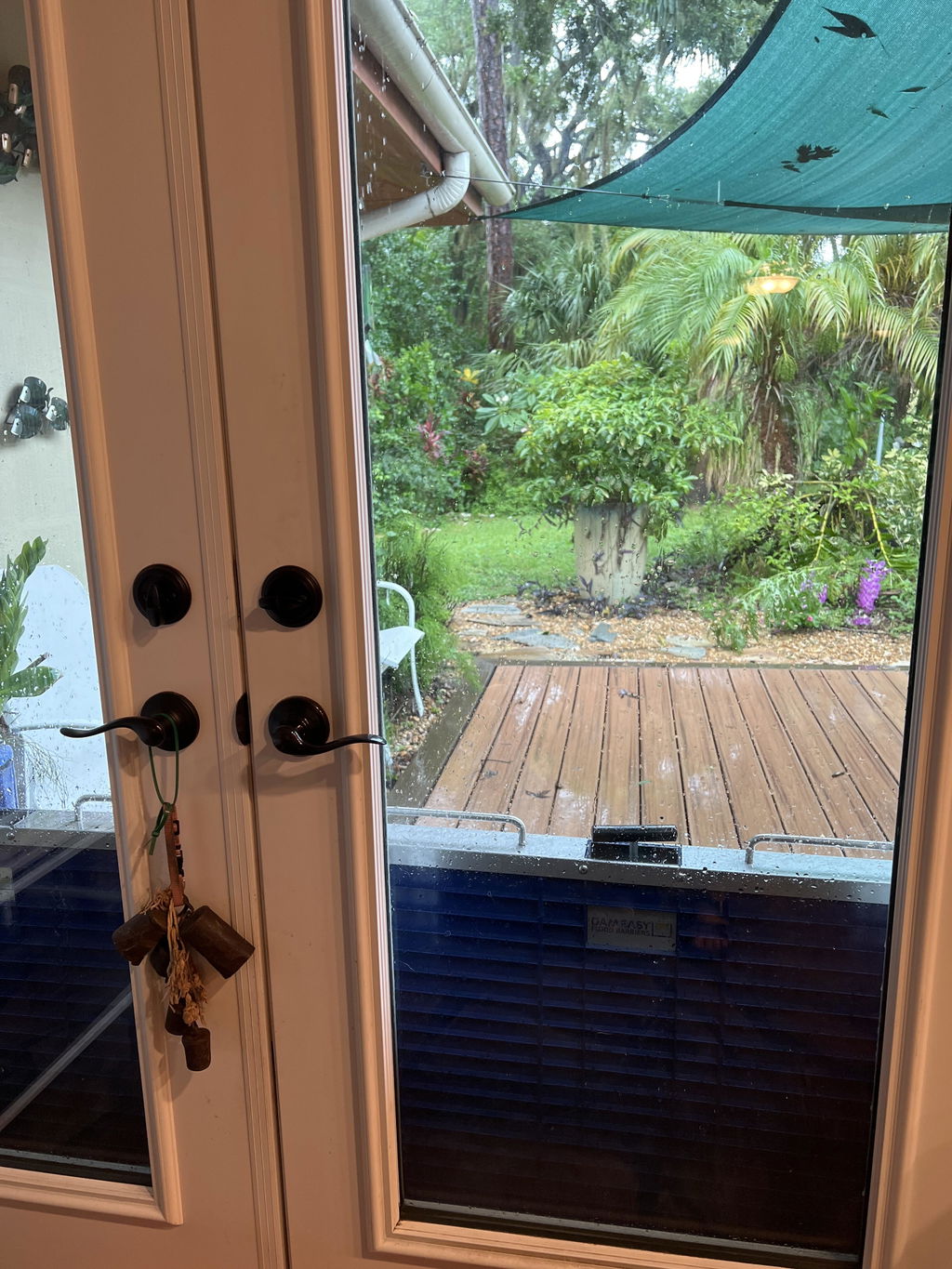
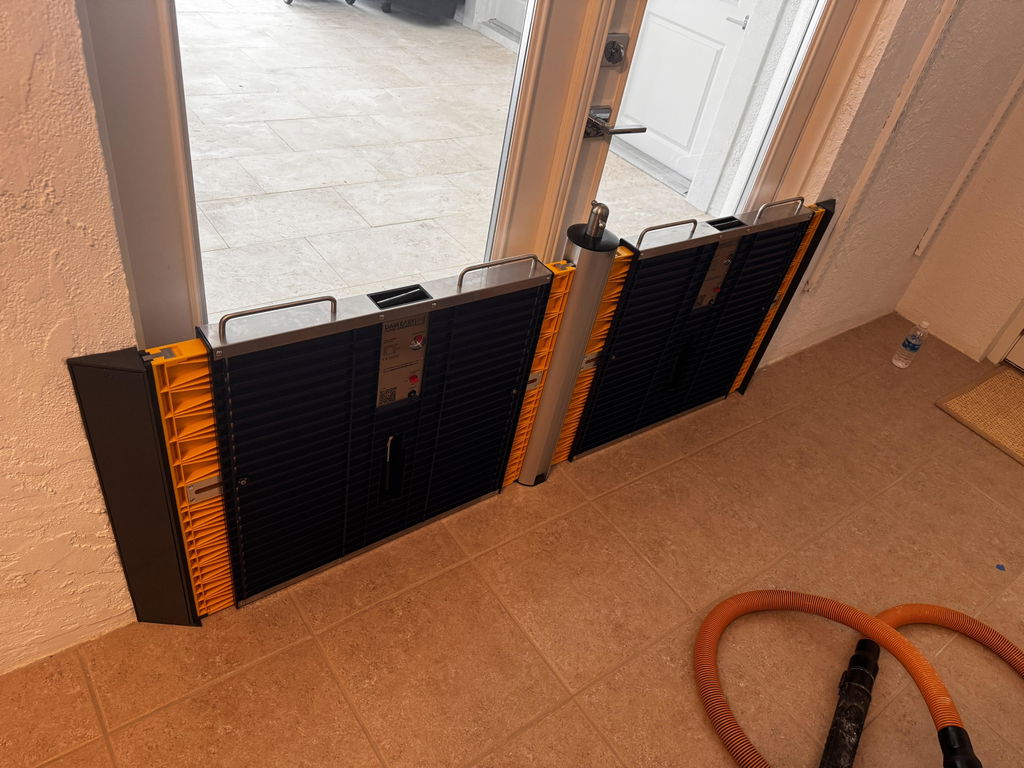
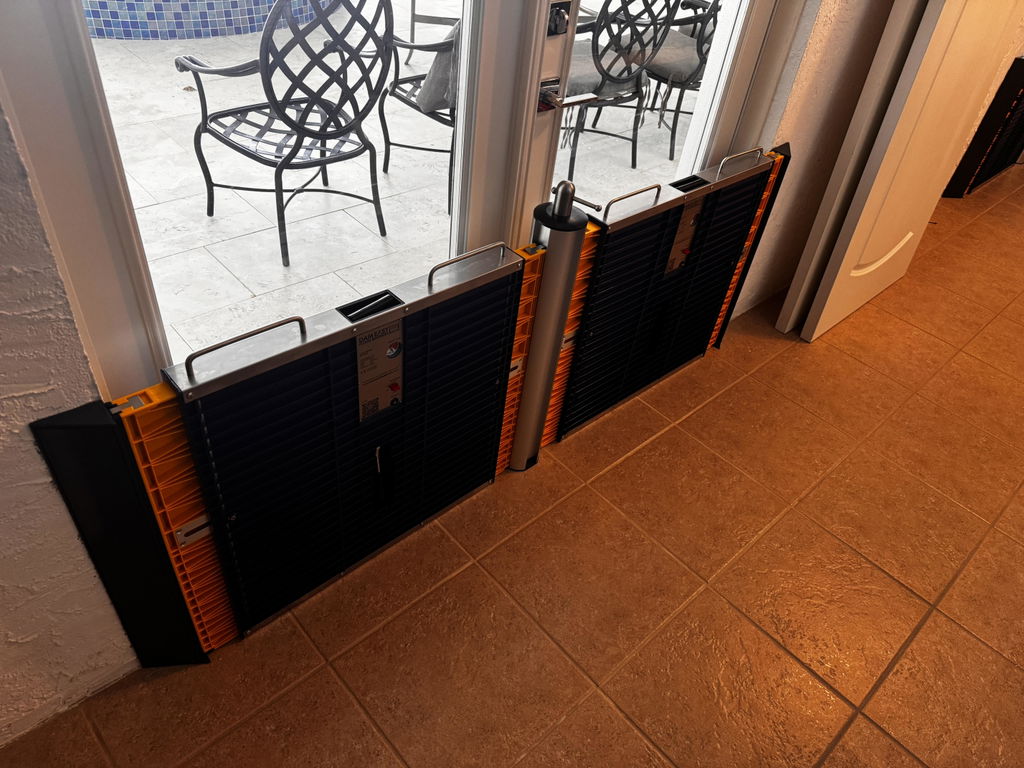
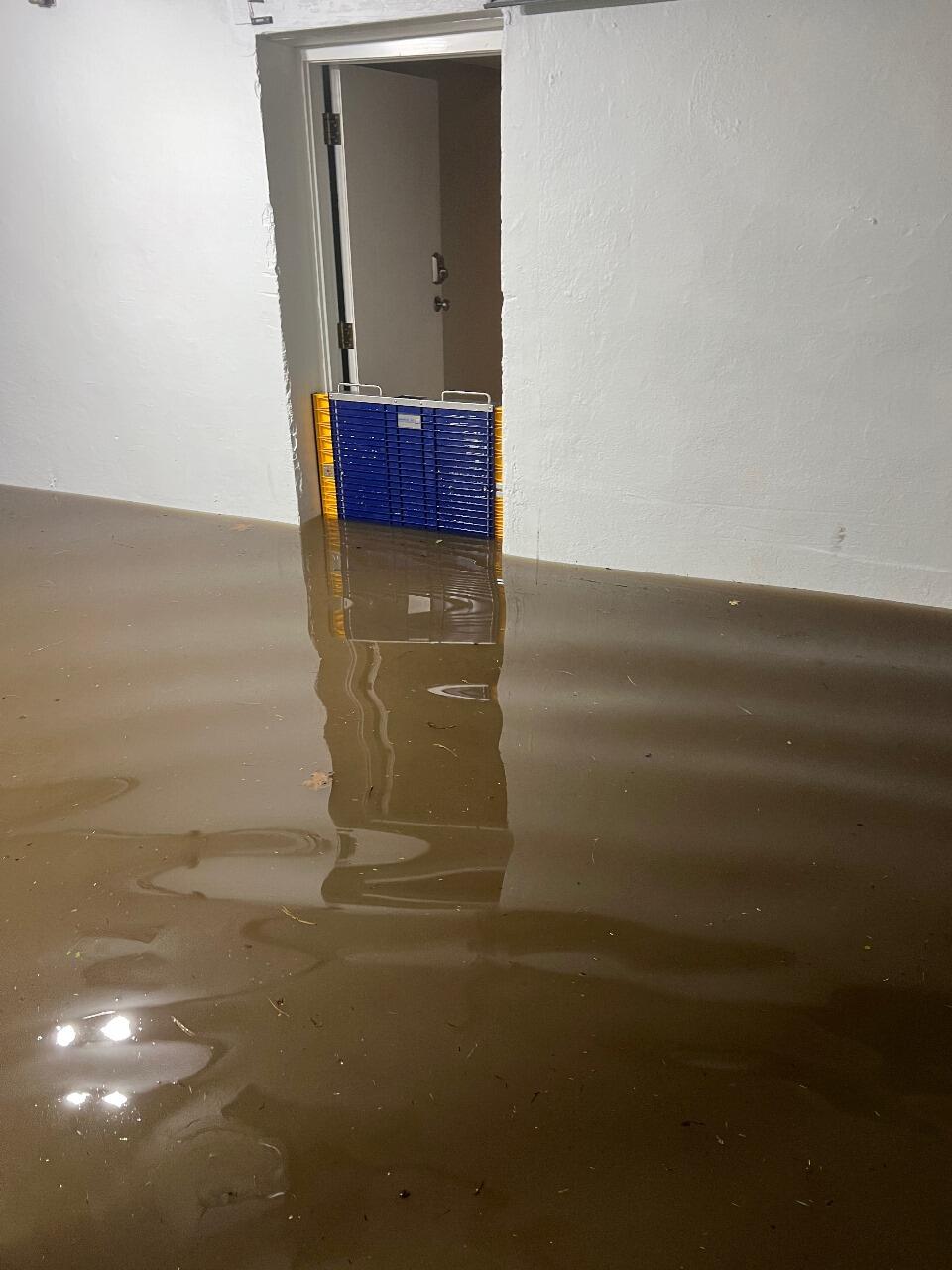
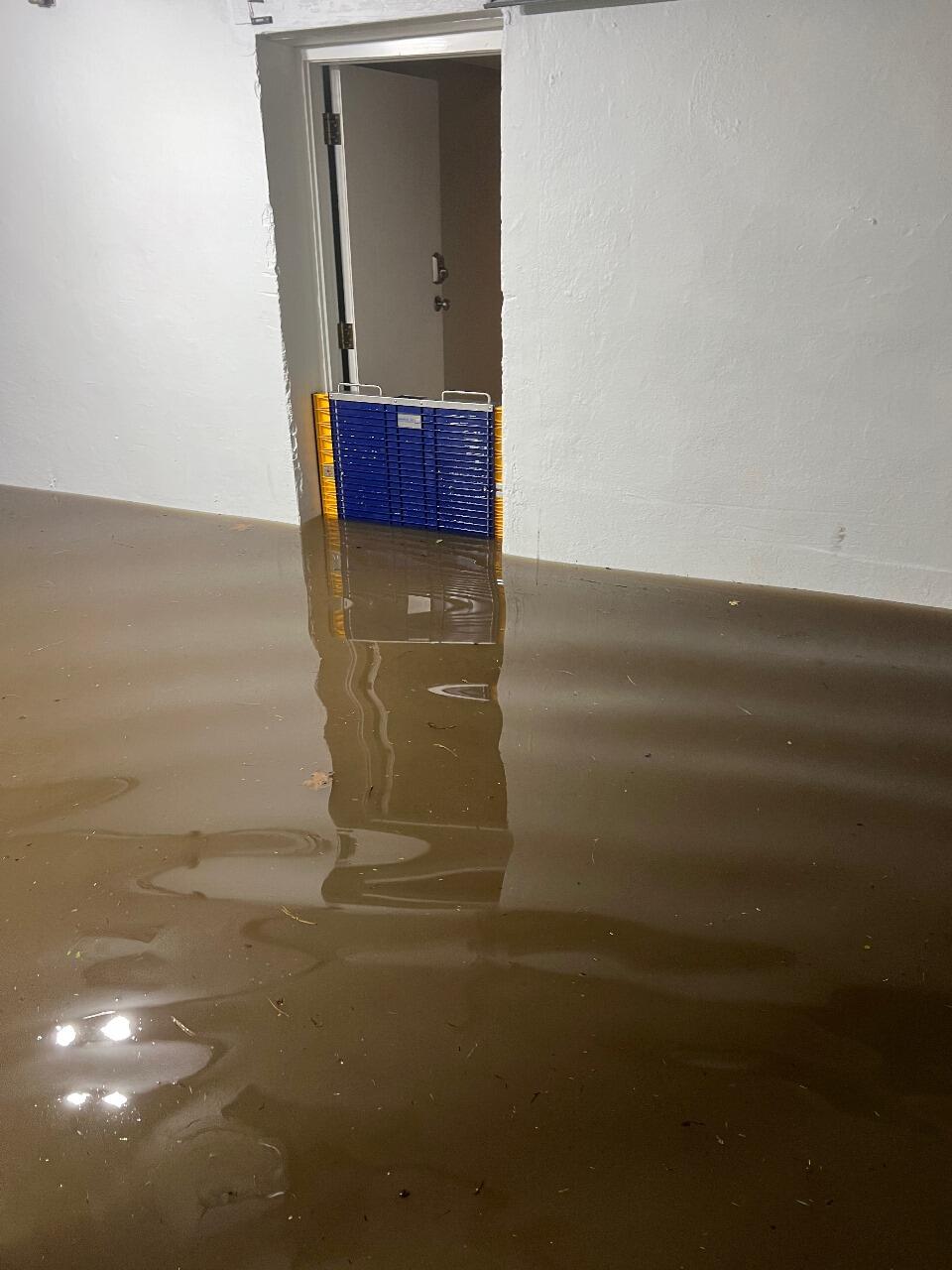
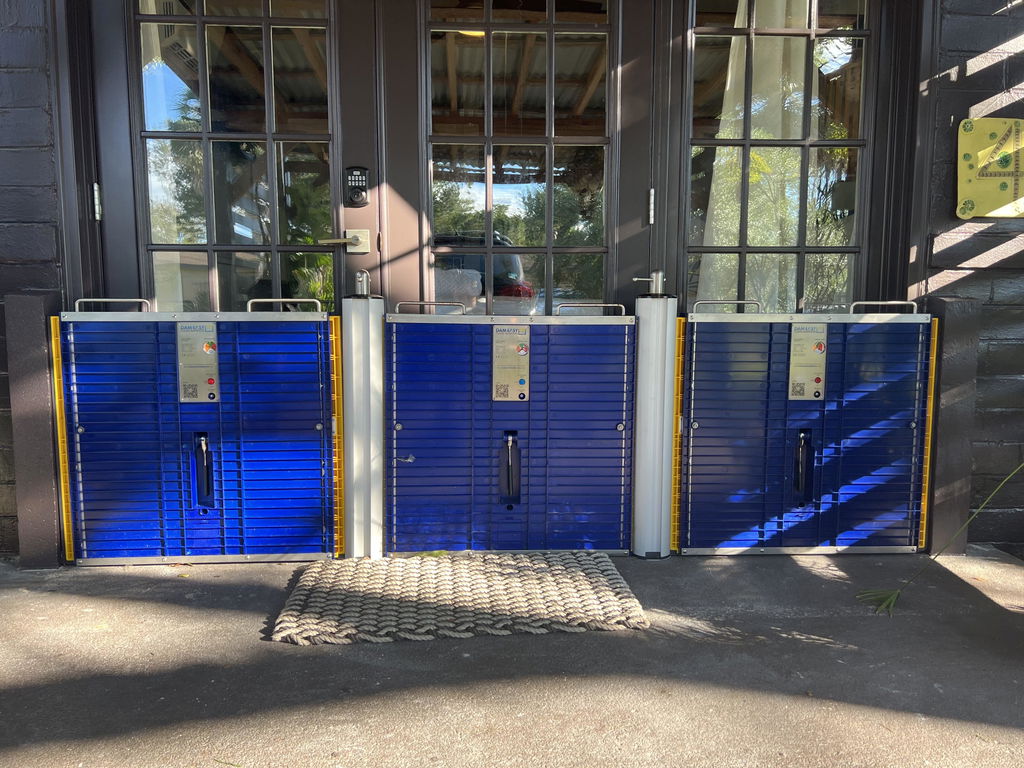
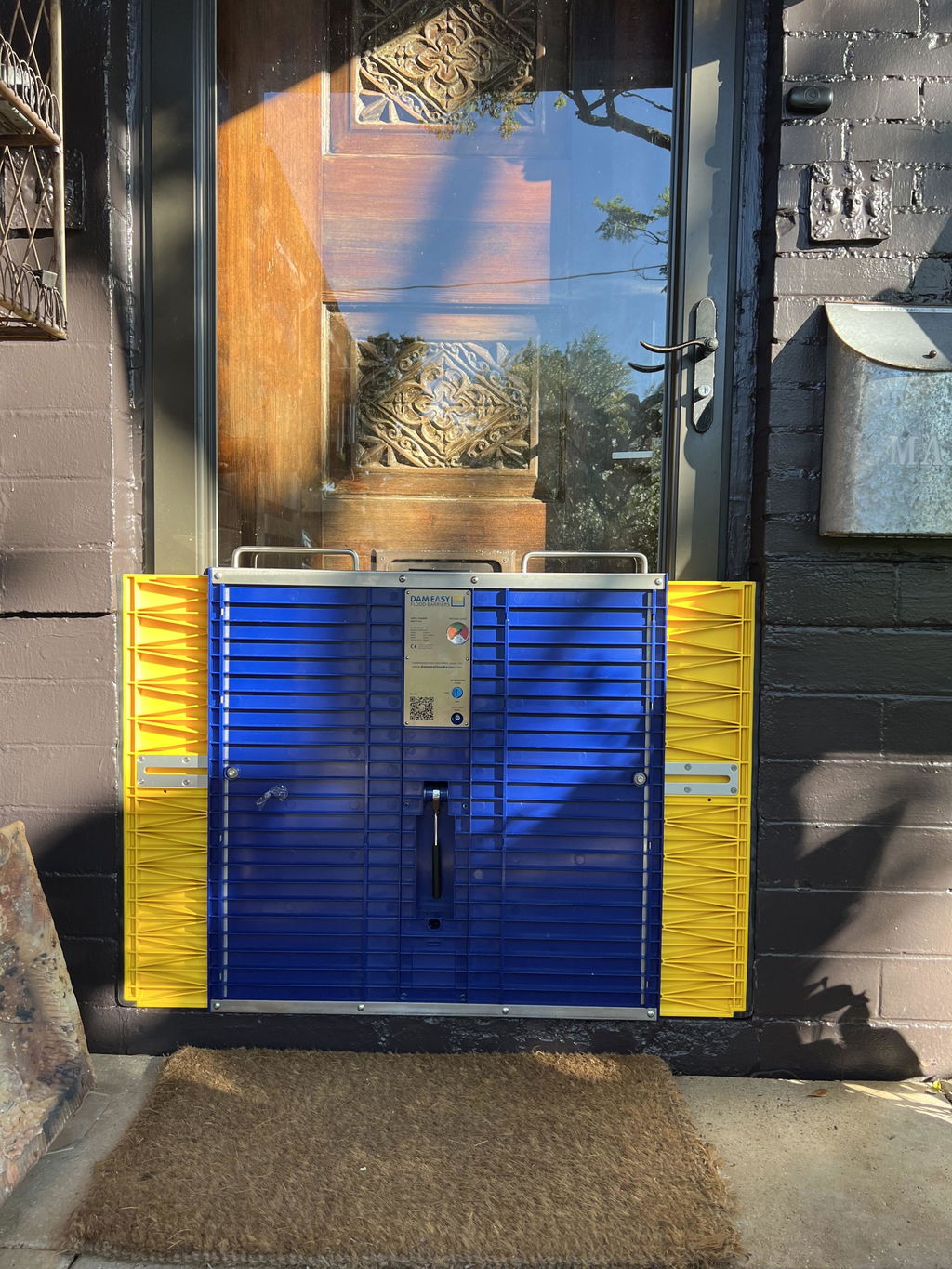
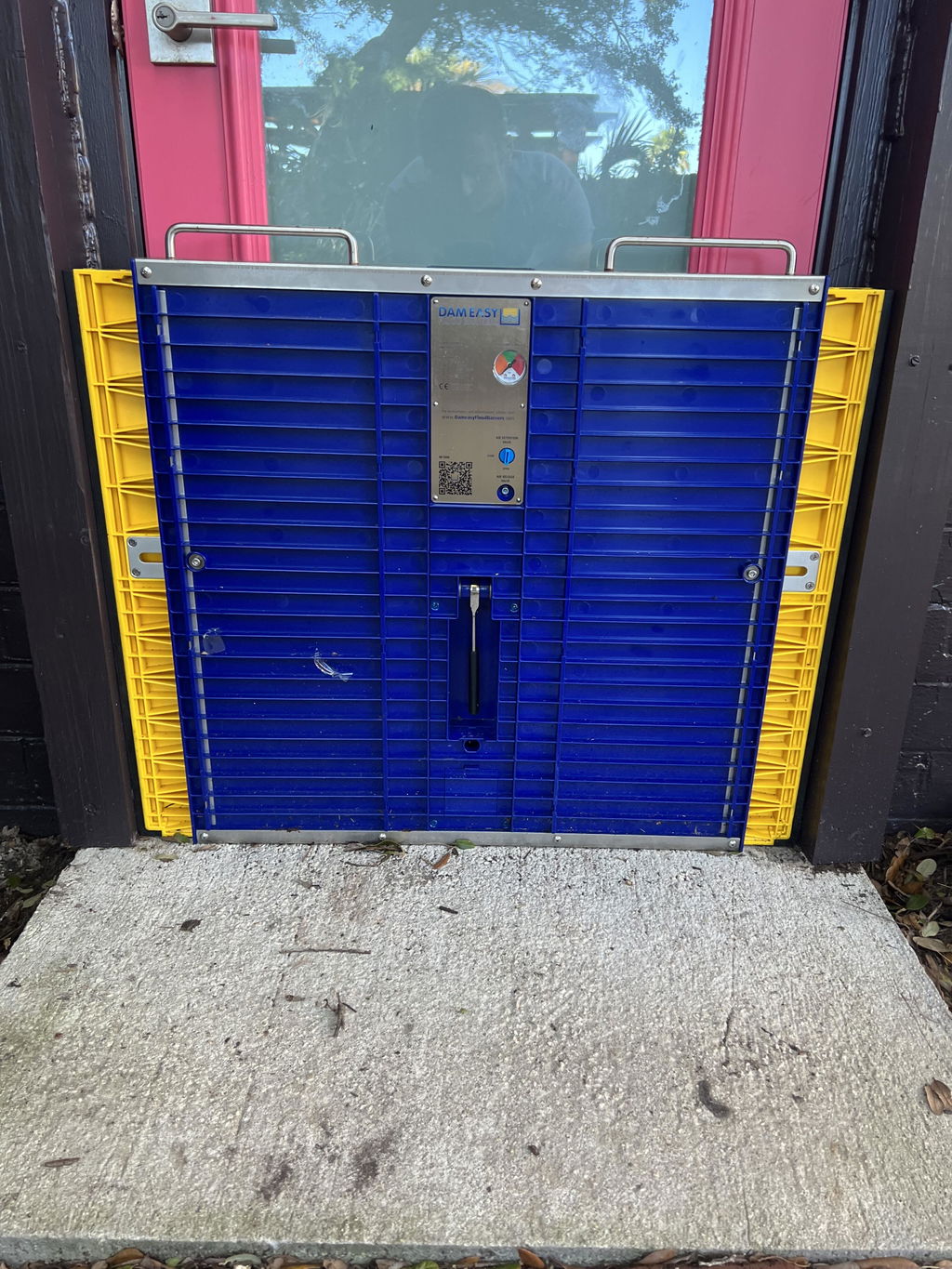
Door and Gate Barriers: Traditional methods like sandbags are messy and often don't work well. Products like the Dam Easy Flood Barrier are designed to create a watertight seal in minutes, protecting doors, windows, and garage openings. It's a simple, reusable tool that stops water damage right at the source.
Check Your Vents and Pipes: Floodwater can sneak in through sewer and air vents. Look for vent covers or non-return valves to block these entry points.
Φράγμα πόρτας φραγμού πλημμύρας

$949.00
DAM EASY® FLOOD BARRIER ΠΟΡΤΑ ΦΡΑΓΜΑ Οι πλημμύρες γίνονται πιο συχνές σε όλο τον κόσμο. Αυτό που κάποτε ήταν ένα φαινόμενο 100 ετών είναι τώρα μια εποχική τάση που πρέπει να αντιμετωπίσουν οι ιδιοκτήτες σπιτιού. Γι 'αυτό ακριβώς… Read More
Around Your Property
Clear Gutters and Drains: Make sure water can run away from your building easily. Clogged gutters and downspouts will send water right into your foundation, leading to serious water damage.
Slope the Landscape: The ground around your building should slope away from the walls. This directs rainwater away instead of letting it pool near your foundation.
Elevate Key Items: If you are in a flood-prone spot—like parts of New Orleans, Louisiana, or Echuca, Victoria—lift valuable items like electrical equipment, heating systems, and important documents off the ground floor. Even a few inches can make a huge difference.
Part 2: Understanding Your Financial Safety Net: Flood Insurance
Many business owners wrongly assume their regular business insurance covers floods. This is a costly mistake. Most standard policies do NOT cover flood damage.
Do You Have the Right Flood Insurance?
Check Your Policy: Talk to your insurance agent. Ask directly: "Is my flood damage covered?" If the answer is no, get a separate flood insurance policy as soon as possible.
Business vs. Home: For business owners, your policy should cover the structure (the building) and the contents (equipment, inventory, furniture).
Know the Waiting Period: Most new flood insurance policies do not start immediately—there is often a 30-day waiting period. This is why you must act before the storms are in the forecast.
⚠️ Quick Tip: Even with great flood insurance, there will be limits and deductibles. The insurance money might not cover everything. This is why a flood relief fund can be so important for your full recovery.
Part 3: Claiming Your Recovery: Accessing the Flood Relief Fund
After a disaster, the focus shifts to recovery. This is where the flood relief fund comes in. These funds are special grants or low-interest loans offered by governments and charities to help people who have suffered severe flood damage and other losses.
US Flood Relief Fund Information
In the United States, after a major disaster is declared by the President, the main resources become available:
FEMA (Federal Emergency Management Agency): FEMA can provide grants for basic needs not covered by insurance.
SBA (Small Business Administration) Disaster Loans: The SBA offers low-interest disaster loans for businesses of all sizes, homeowners, and renters. These loans are often the biggest source of federal recovery money. They can cover repairs, replacements, and even business operating costs that you can't pay because of the disaster.
How to Apply: You usually apply through the main disaster assistance website or in person at a FEMA Disaster Recovery Center. Make sure you are in a declared disaster area! This is key. For example, business owners in areas like Houston, Texas, that are often hit by flooding, should know this process well.
Australia Flood Relief Fund Information
In Australia, disaster assistance is often managed under the Disaster Recovery Funding Arrangements (DRFA):
Grants for Small Businesses: State and territory governments—often with the help of the Federal Government—offer grants to small businesses and non-profits that have suffered direct flood damage.
Businesses in flood-hit areas like Lismore, New South Wales, or Brisbane, Queensland, can often apply for grants to help cover the costs of cleanup and restoring their business.
Check your state government's business and recovery websites (e.g., Business Victoria, NSW Government) or organizations like the Australian Red Cross or GIVIT for help and a specific flood relief fund.
UK Flood Relief Fund Information
In the UK, support is available through various programs, especially after severe flooding in areas like Cumbria or West Yorkshire:
The Flood Recovery Framework: Local councils often coordinate aid using this framework. It can include financial help for properties that have suffered flood damage.
Business Recovery Grants: Special grants may be offered to help businesses that have been affected. You might be able to get money to help make your property more resilient against future floods.
How to Claim: Contact your local council immediately after a flood to find out what specific local and national funding is available in your area.
Part 4: Your Step-by-Step Recovery Checklist
To successfully get money from a flood relief fund and your flood insurance, you need to be organized.
1. Document Everything
Take Photos/Videos: Before you clean up anything, take hundreds of photos and videos of all the flood damage inside and outside your property. Show the depth of the water and the items destroyed.
Create an Inventory: List every single damaged item. Include the brand, model, and year you bought it, if possible. This is vital for your flood insurance claim.
Keep Receipts: Save all receipts for emergency repairs, clean-up tools, temporary housing, and everything else related to the disaster.
2. Contact Insurance Immediately
Call your flood insurance company as soon as it is safe to do so. The sooner you report the water damage, the sooner they can send an adjuster.
3. Apply for Flood Relief Fund
As soon as a disaster is declared in your area, start the application for a flood relief fund or low-interest loan (like the SBA loan in the US). Do not wait for your insurance claim to be finished; these processes can run at the same time.
4. Start the Clean-Up
Do not wait for the adjuster to start essential clean-up like drying out your property. Stopping more water damage (like mold) is your duty. Just remember Step 1: document everything first!
Conclusion: Be Prepared, Be Protected
Flood damage can be scary, but being a prepared business owner makes all the difference.
Investing in strong, reliable flood barriers—like the Dam Easy Flood Barrier—is your smartest move for stopping water damage before it happens. Getting the right flood insurance is your necessary financial safeguard. And knowing how to access the government and charity flood relief fund programs is your path to a faster, stronger recovery.
Don't wait for the next storm to hit London, UK, Sydney, Australia, or Miami, Florida, USA. Act now to protect your livelihood.
Want to learn more about how Dam Easy can protect your property in minutes?
Contact us today for a free assessment!
FAQs
How do I apply for a flood relief fund after a flood disaster?
You apply for a flood relief fund through different government and non-profit channels depending on your location:
In the US: If your area is declared a major disaster, apply for assistance through FEMA (Federal Emergency Management Agency) at DisasterAssistance.gov. Businesses also apply to the SBA (Small Business Administration) for low-interest disaster loans.
In Australia: Check with Services Australia (for payments like the Disaster Recovery Payment) and your specific State or Territory Government for local small business grants and recovery funds.
In the UK: Contact your local council immediately. They coordinate support through the Flood Recovery Framework, which can include grants for homes and businesses affected by flood damage.
Is water damage from a flood covered by standard business or homeowner's insurance?
No. Standard business and homeowner's policies typically do not cover flood damage. This type of loss, caused by external rising water, requires a separate flood insurance policy. If the water damage is from an internal source (like a burst pipe or overflowing sink), it is usually covered by your standard property insurance.
What does commercial flood insurance actually cover?
Commercial flood insurance (like the NFIP in the US) covers direct physical flood damage to your building and its contents. This includes:
Building: The physical structure, foundation, electrical and plumbing systems, and permanently installed fixtures (like built-in cabinets).
Contents: Inventory, equipment, machinery, and furniture inside the building.
It typically does not cover financial losses from business interruption, damage to vehicles, or landscaping.
What are the key signs of hidden water damage I should look for?
Hidden water damage often appears as subtle changes before it becomes a major problem. Look for these signs:
Musty Odors: A persistent, earthy, or moldy smell, especially near walls or in basements.
Discoloration: Yellow, brown, or dark stains on ceilings or walls that appear without an obvious cause.
Warped Materials: Floors (wood or laminate) that buckle or feel spongy, or wallpaper/paint that peels or bubbles.
Soft Drywall: Drywall or plaster that feels soft or crumbling when pressed, indicating absorbed moisture.
Can I get a flood relief fund if I have flood insurance?
Yes. Government disaster assistance programs, including the flood relief fund (like FEMA grants or SBA loans in the US), are often available to cover necessary expenses that your flood insurance policy does not fully pay for. You must first file a claim with your insurer and provide documentation of your settlement or denial letter to the assistance program.