Table of Contents
- The Crucial Role (and Limits) of Your Sump Pump
- Beyond the Pump: A Layered Defence Strategy
- Layer 1: The Outer Moisture Barrier (Gutters, Grading, and Drains)
- Layer 2: The Structural Seal (Waterproofing and Sealing)
- Layer 3: The Final, Physical Barricade (Flood Barriers)
- The Nightmare Scenario: When You Need Basement Water Extraction
- Building Your Complete Flood Defence Plan
- Conclusion: Don’t Just Pump, Protect
- FAQs
Let’s be honest: if you’re a homeowner in a flood-prone area, your basement’s first line of defense is likely a water pump for basement setup, commonly known as a sump pump. For residents in places like Penrith (NSW, Australia), St Ives (Cambridgeshire, UK), or Miami Beach (Florida, USA), that hum during heavy rain is a sound of relief. It’s a trusted workhorse, and when it works, it’s brilliant.
But here’s the hard truth your plumber might not emphasize:
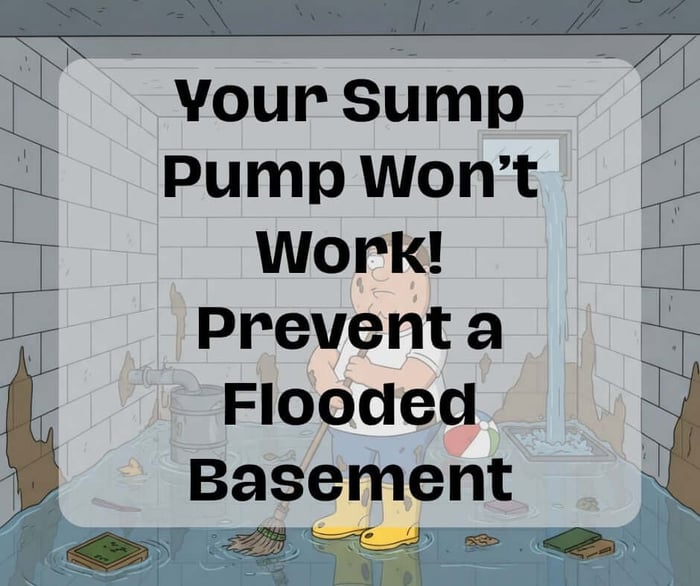
A water pump for basement is not a complete flood prevention system. It’s a last-ditch reaction to water that’s already inside your home.
Relying on it alone is like wearing a parachute but leaving the airplane door wide open. This post will explain why your water pump for basement is just one piece of the puzzle and how to build a truly flood-resilient home.
The Crucial Role (and Limits) of Your Sump Pump
First, let’s give credit where it’s due. The best sump pump for heavy rain is engineered to handle significant volumes. It sits in a pit (the sump) below your basement floor, collecting groundwater that seeps in through the perimeter drains. When the water level rises, the pump activates and pushes it out and away from your house.
It’s vital for managing regular groundwater. But "flooding" often comes from more directions than just below.
Where Your Sump Pump Can Fail You:
Power Failure: The most common culprit. During severe storms—exactly when you need it most—the power often goes out. A battery backup helps, but it only runs for a limited time, sometimes less than the duration of the flood event.
Overwhelming Volume: Heavy, sustained rain can deliver water faster than any pump can eject it. The inflow simply outpaces the outflow.
Mechanical Failure: Pumps wear out, switches jam, and float arms get stuck. Without regular testing and maintenance, you might not know it’s broken until you have a swimming pool in your basement.
The Wrong Path: A water pump for basement fights water from below. It does nothing to stop water from entering through doors, window wells, vents, or cracks in the walls. Surface water runoff is a leading cause of basement flooding and completely bypasses your sump.
This is where the concept of flood-resilient architecture comes in. True resilience isn’t about just removing water; it’s about creating multiple barriers to stop it from entering in the first place.
Beyond the Pump: A Layered Defence Strategy
Think of your home like a castle. A moat (drainage) is good, but you also need strong walls and sealed gates. Here are the critical layers to add to your water pump for basement.
.
Layer 1: The Outer Moisture Barrier (Gutters, Grading, and Drains)
Gutters & Downspouts: Keep them clean and clear. Extend downspouts at least 2 meters (6 feet) away from your foundation. In soggy UK towns like Tewkesbury (Gloucestershire) or parts of York, this simple step is a game-changer.
Proper Grading: Ensure the ground around your house slopes away from the foundation. Over time, soil settles and can slope toward your home, funnelling water right to your basement walls.
Layer 2: The Structural Seal (Waterproofing and Sealing)
Seal Cracks: Inspect your foundation walls and floor for cracks. Use hydraulic cement or specialized sealants to close them.
Window Well Covers: Install clear, sturdy covers over basement window wells to keep rain and debris out.
Check Vents and Utility Penetrations: Where pipes or cables enter your home, ensure the seals are intact and waterproof.
Layer 3: The Final, Physical Barricade (Flood Barriers)
This is the most proactive and often overlooked layer. When a flash flood warning hits for suburbs like Kellyville (Sydney, Australia) or when a high tide surges in Charleston (South Carolina, USA), you need to act fast to protect points of entry.
While sandbags are the traditional go-to, they are messy, labor-intensive, and often ineffective. Modern flood-resilient architecture favors engineered solutions.
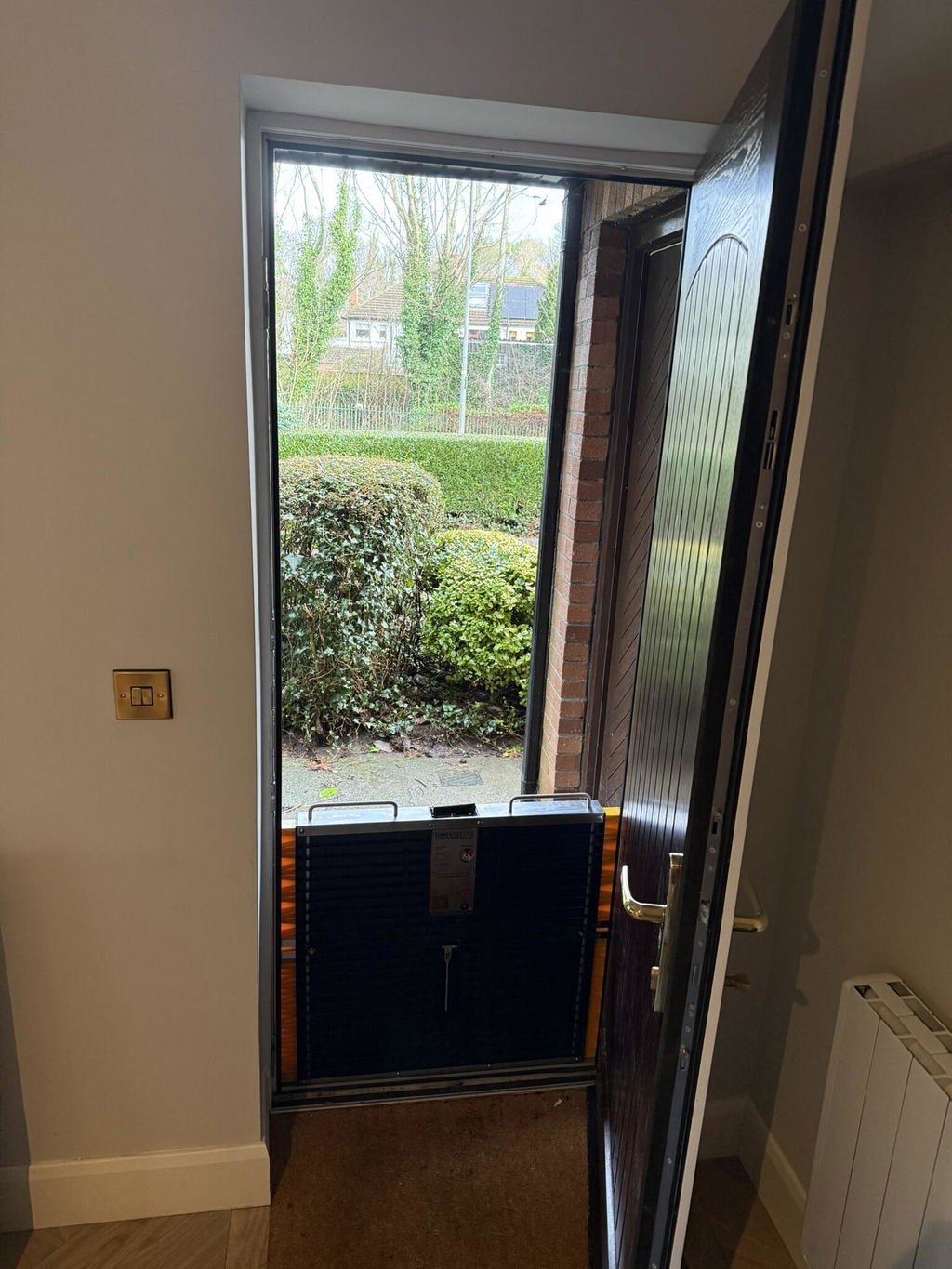
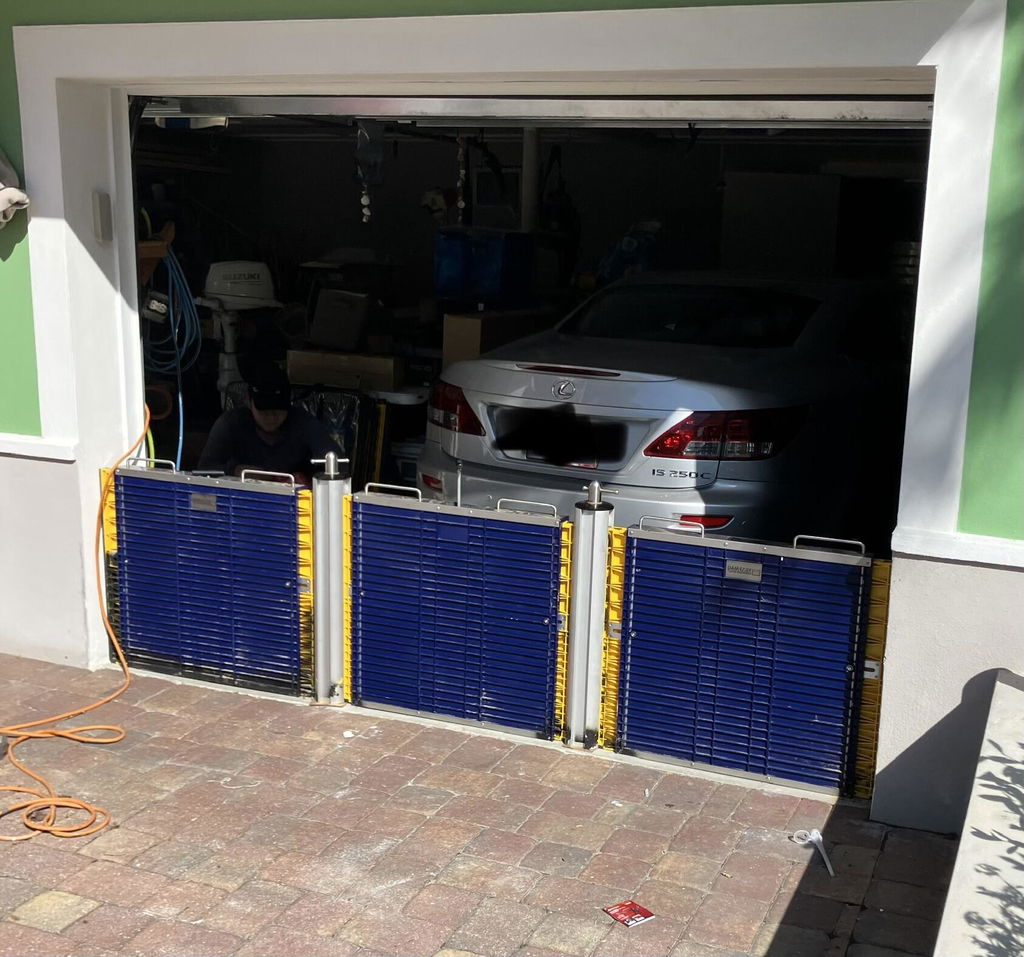
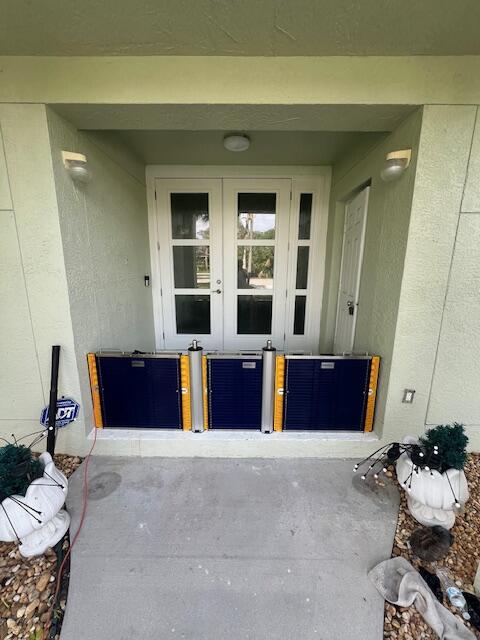
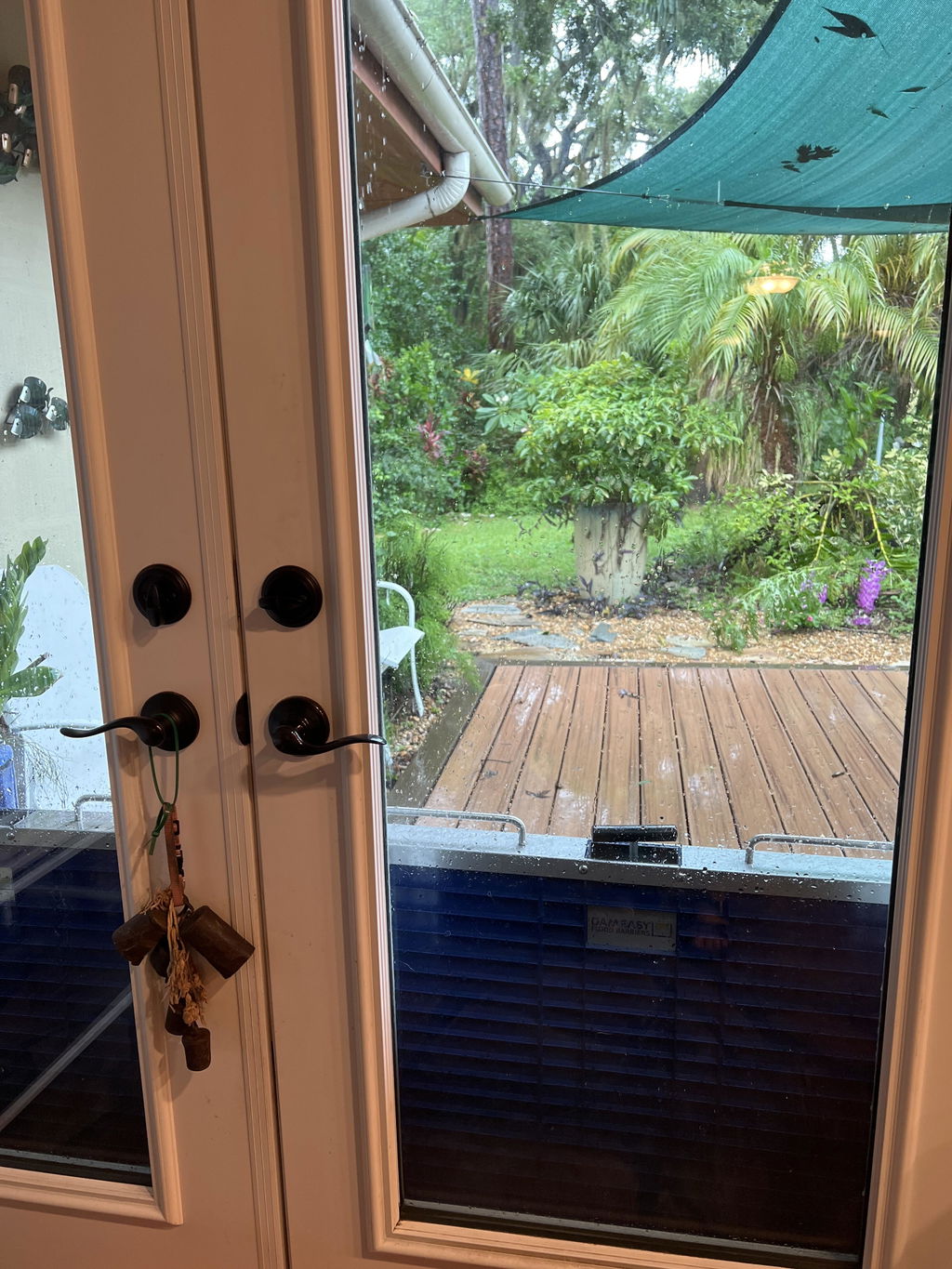
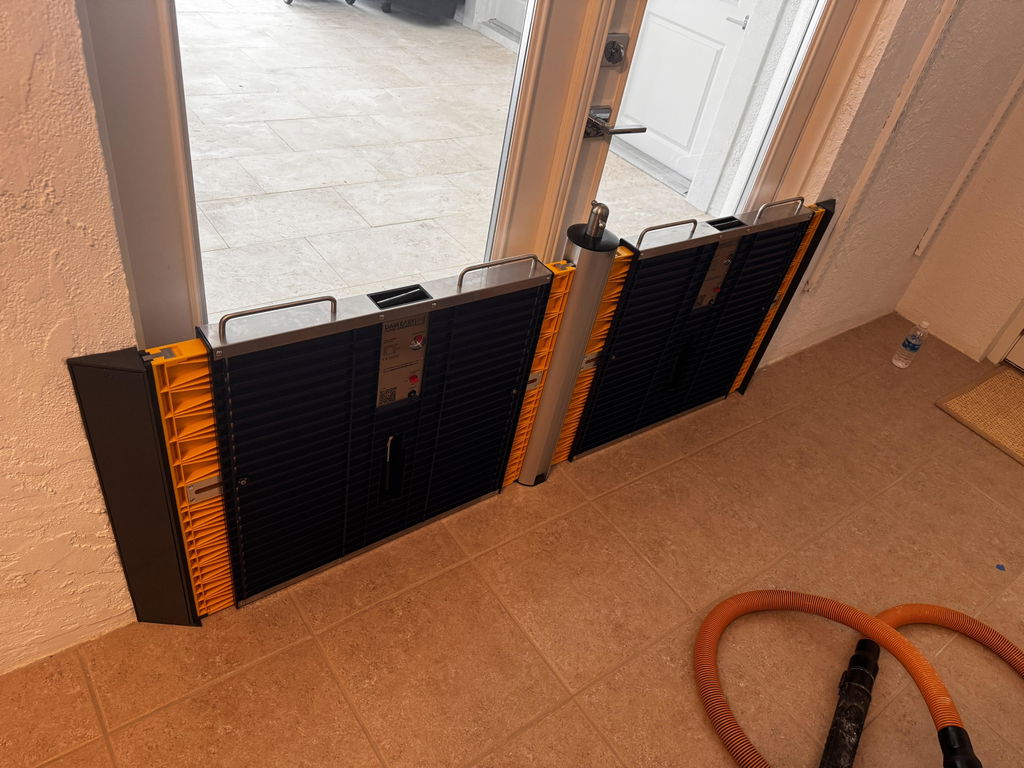
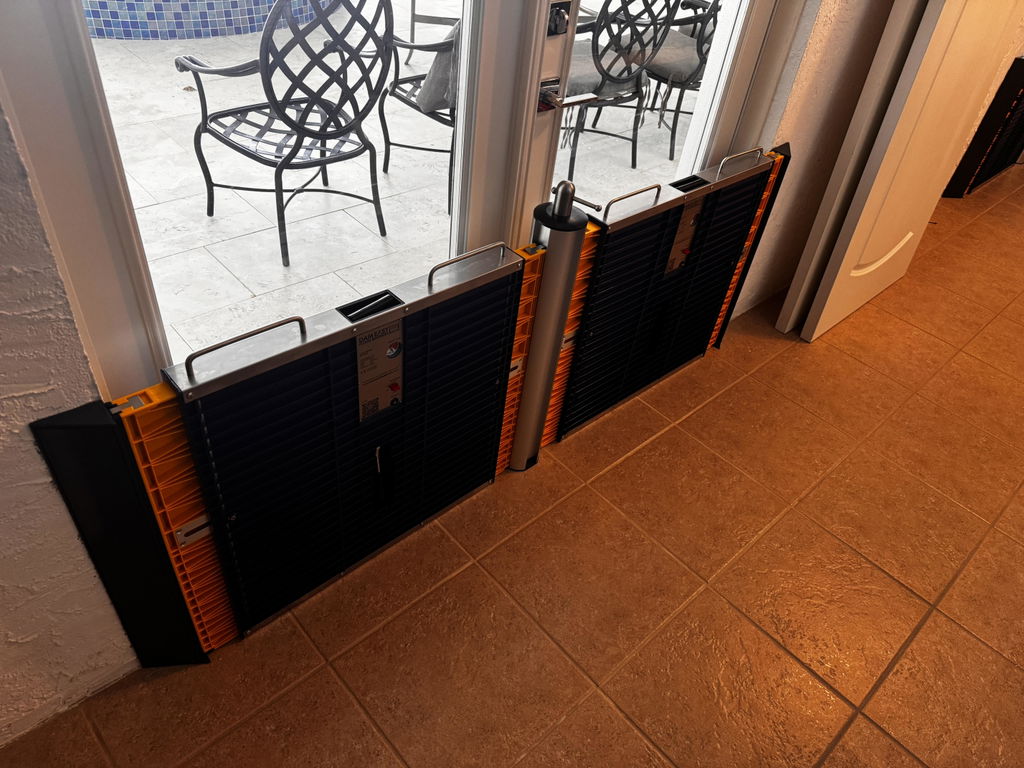
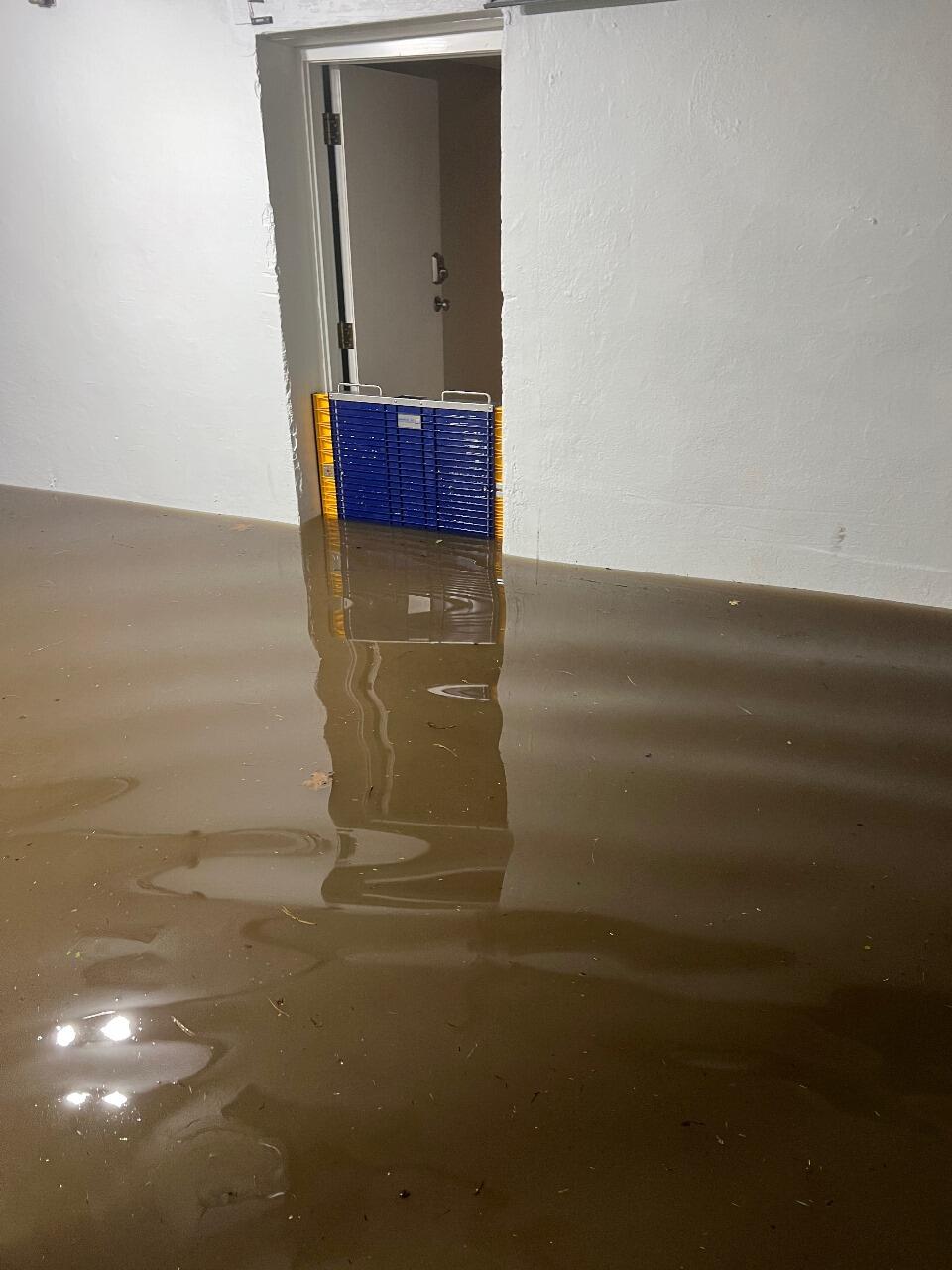
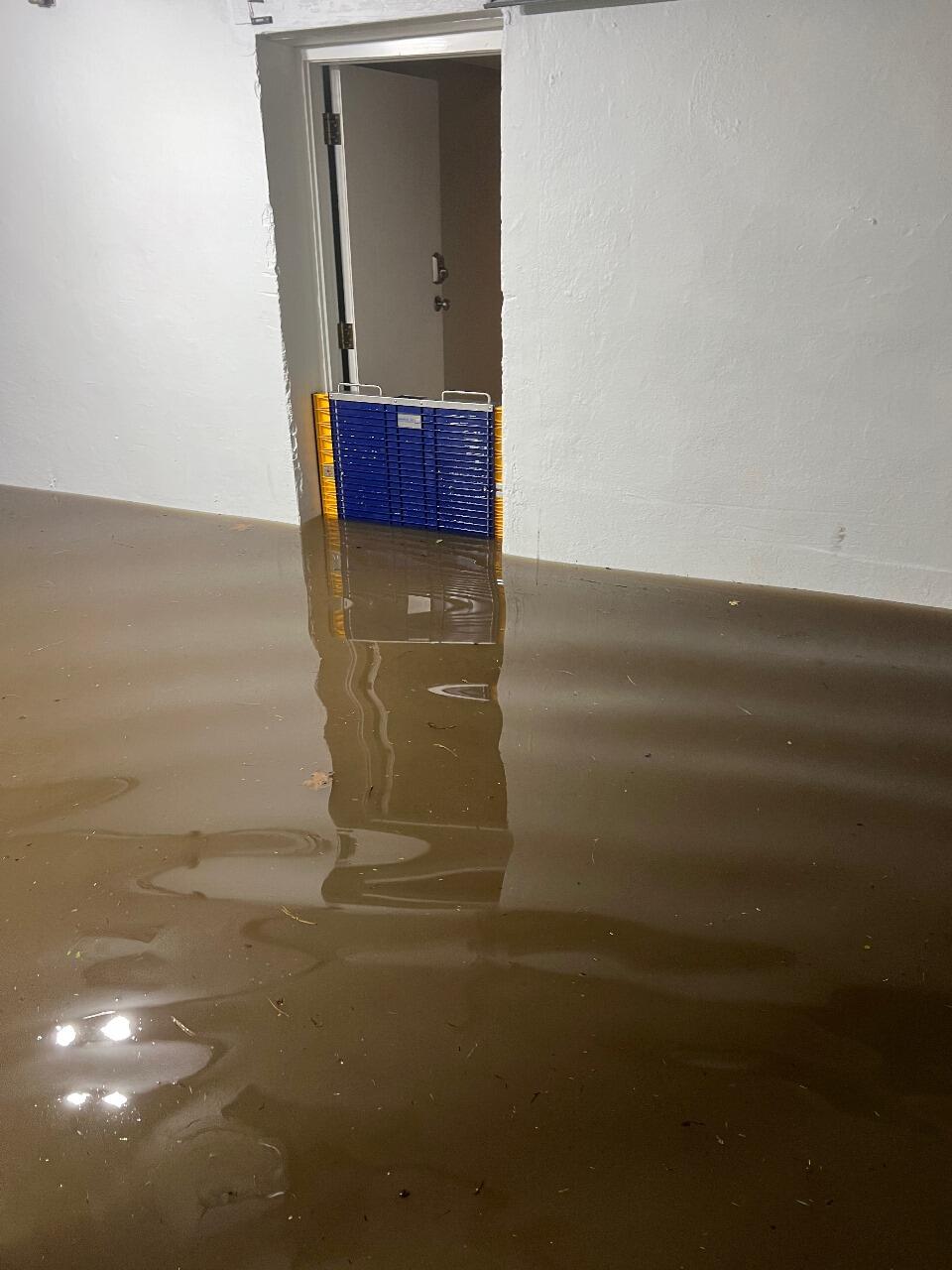
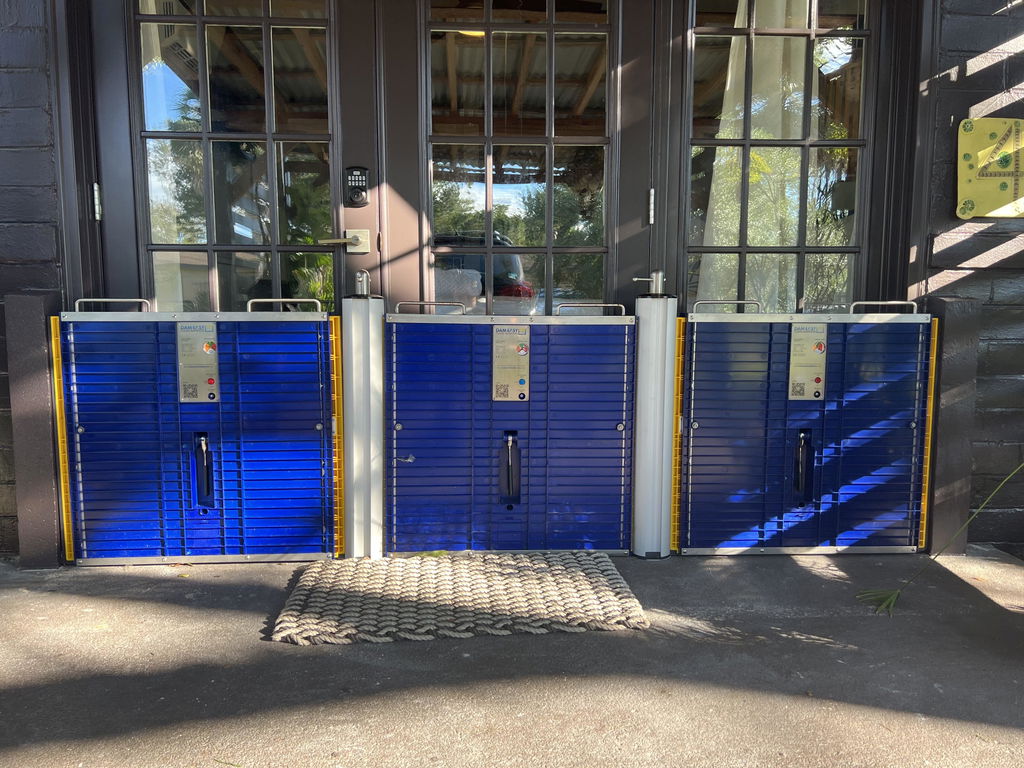
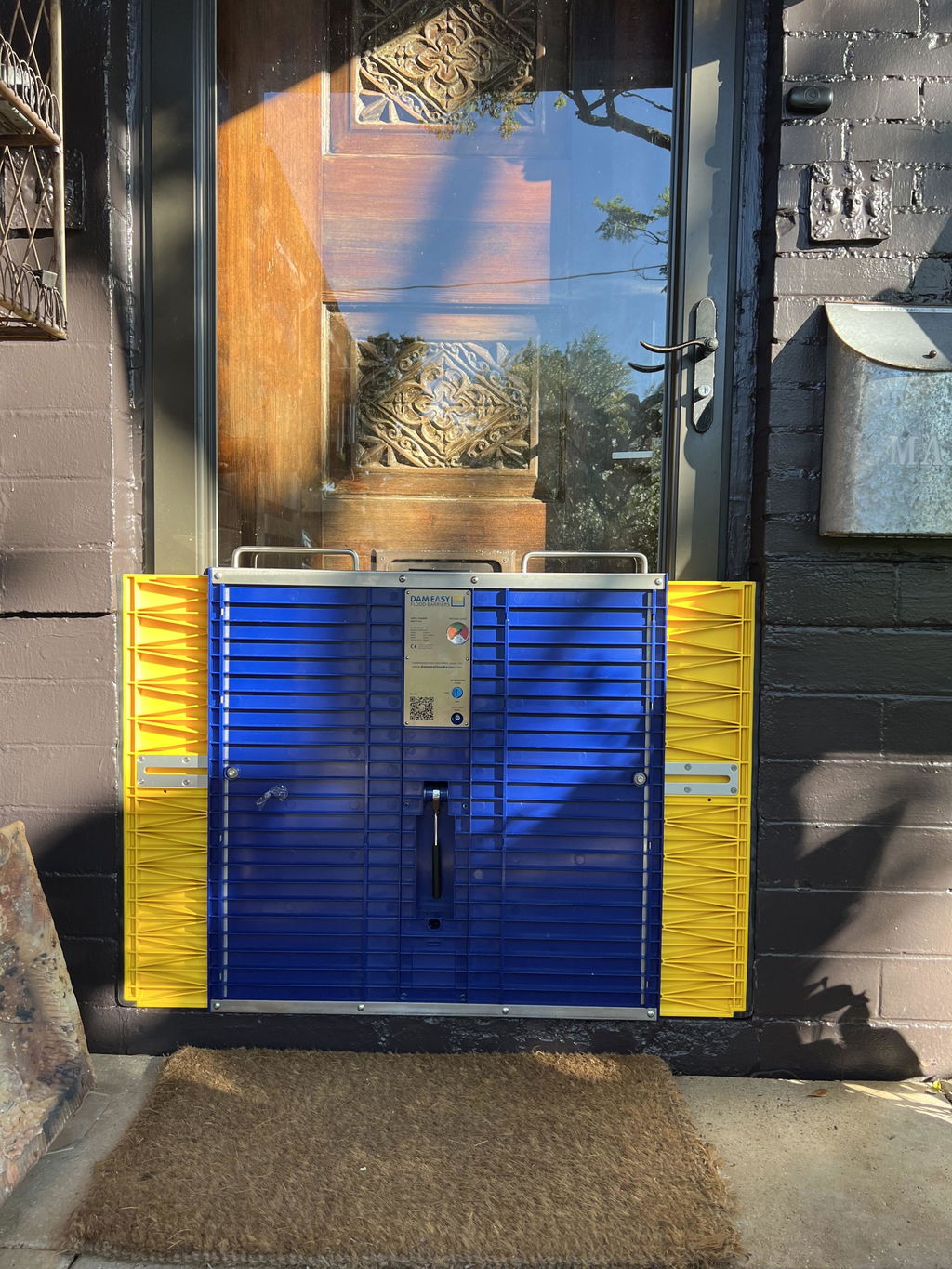
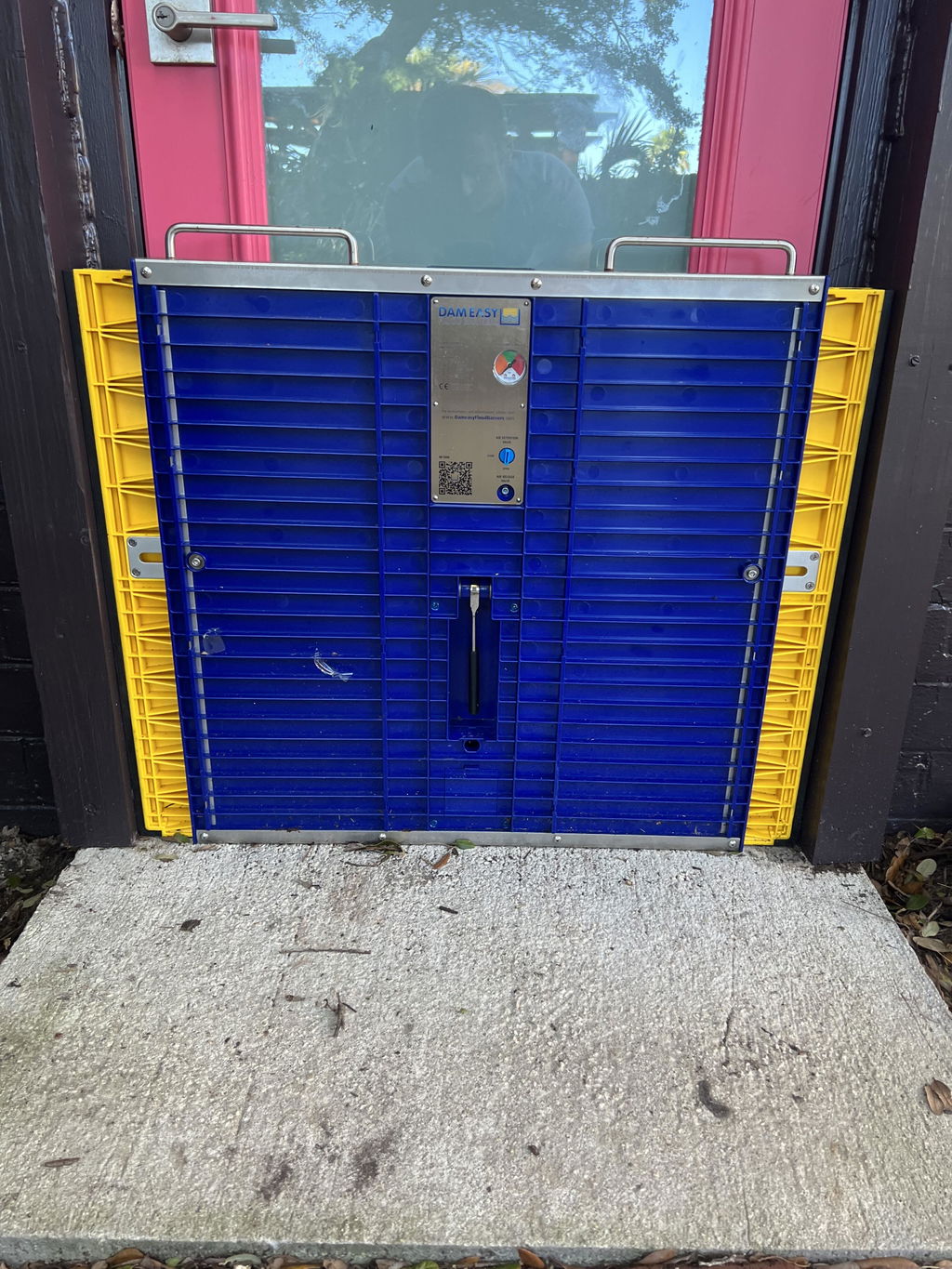
This is where a product like the Dam Easy Flood Barrier changes the game. It’s designed for the single most vulnerable point of entry in most homes: the external door.
It’s Your First Line of Defense: While your sump pump deals with groundwater, a flood barrier stops the deluge at the doorstep. It blocks surface water from ever crossing your threshold.
Speed & Simplicity: In under 3 minutes, one person can seal a standard doorway. No sand, no bags, no heavy lifting. When minutes matter, this speed is invaluable.
Ultimate Reliability: It requires no power, has no moving parts to break, and won’t get overwhelmed by volume—it simply blocks it. It works in perfect tandem with your sump pump; the barrier stops the bulk water, and the pump handles any residual seepage.
DamEasy防洪闸门坝 -终极防洪

$949.00
大坝容易®防洪闸门大坝 洪水在世界各地越来越普遍。曾经的百年现象,现在是房主必须面对的季节性趋势。 这正是为什么你需要这个大坝容易防洪闸门大坝! 作为重型和凌乱沙袋的一个很好的替代品,这个屏障提供了第一道防线,防止水进入你家的门窗。当洪水发生时,快速行动的能力至关重要。此防洪屏障可在 5 分钟内安装,为您提供可靠的防洪保护! 不要等到为时已晚。得到这个防洪屏障门坝,现在保护你的房子! … Read More
Adding this barrier transforms your strategy from reactive (pumping water out) to proactive (keeping water out).
The Nightmare Scenario: When You Need Basement Water Extraction
If your defenses fail, the crisis shifts from prevention to damage control. Water pump for basement is the costly, disruptive, and stressful , process of removing standing water, followed by drying, sanitizing, and repairing.
This isn’t just mopping up. It involves industrial-grade water pump for basement, dehumidifiers, and air movers running for days. It means tearing out ruined drywall, carpets, and flooring. It risks mold growth, structural damage, and the loss of irreplaceable personal belongings.
The financial and emotional toll is immense. Investing in preventive layers like flood barriers isn’t an expense; it’s insurance against this exact nightmare.
Building Your Complete Flood Defence Plan
Maintain Your Sump Pump: Test it every few months, especially before rainy seasons. Clean the pit, check the valve, and ensure you have a robust battery backup. Choose the best sump pump for heavy rain with a strong horsepower rating and a reliable switch mechanism.
Inspect and Improve Exterior Defenses: Walk your property after a rain shower. See where water pools? Fix the grading. Clean those gutters.
Seal Structural Weak Points: Do an annual inspection of your foundation and basement interior for new cracks or leaks.
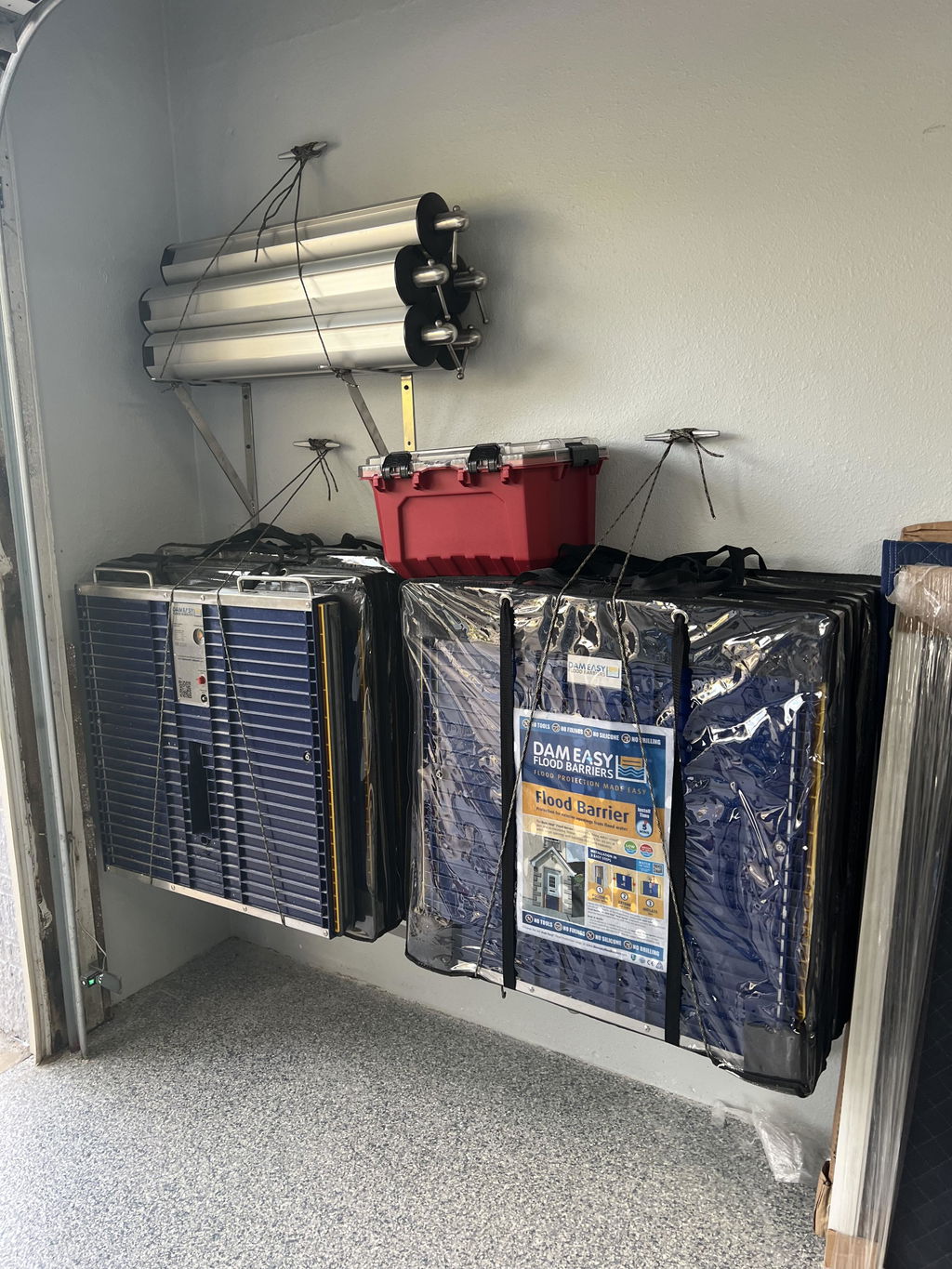
Deploy Proactive Barriers: For every external door that leads to a basement or lower level, have a fast-deploy flood barrier like Dam Easy on hand. Store it nearby, know how to use it, and deploy it at the first sign of serious flood risk.
Conclusion: Don’t Just Pump, Protect
Your sump pump is a critical teammate in the fight against basement flooding. But it can’t win the game alone. By embracing a strategy of flood-resilient architecture—combining good drainage, solid maintenance, and proactive physical barriers—you build a defense that is far greater than the sum of its parts.
Don’t wait for the flood to test your system. Prepare your layered defense today. Explore how a Dam Easy Flood Barrier can be the simple, reliable final piece that seals your home against disaster.
Visit our product family page to find the right flood barrier for your doors and ensure your basement is truly protected.
Book your FREE live demo today!
FAQs
I already have a water pump for basement flooding (a sump pump). Isn't that enough to keep my home dry?
While a sump pump is essential, it's often not enough on its own. It only removes water that has already gotten under your home. It can't stop floodwater from coming through doors, windows, or foundation cracks. True protection needs a layered approach: good drainage, a reliable pump, and physical barriers for doorways.
What is the best sump pump for heavy rain and power outages?
For heavy rain, look for a pump with sufficient horsepower (e.g., 1/2 HP or more) and a sturdy switch. Crucially, you must pair it with a high-capacity battery backup system to keep it running during blackouts. Remember, even the best pump can fail if it's overwhelmed by water entering from other points, which is why external flood barriers are a critical addition.
What happens if my sump pump fails and my basement floods? What is "basement water extraction"?
Basement water extraction is the emergency process after a flood. It involves pumping out standing water, then using industrial dehumidifiers and air movers to dry everything. This is a costly, disruptive professional service to prevent mould and structural damage. The best strategy is to prevent the water from entering in the first place with a combination of a good pump, maintenance, and door barriers.
My home is in a flood-prone area like Penrith, NSW / St Ives, UK / Miami Beach, USA. What more can I do beyond a pump?
Residents in flood-prone areas need to adopt principles of flood-resilient architecture. This means creating multiple lines of defence:
Exterior: Proper grading, clean gutters, and extended downspouts.
Structural: Sealing foundation cracks and covering window wells.
Barriers: Installing quick-deploy flood barriers at all external doorways to stop surface water.
Mechanical: Maintaining your sump pump with a backup.
This layered approach is the standard for modern flood resilience.
How do flood barriers like Dam Easy work with my existing sump pump?
They work together as a perfect team. A flood barrier (like those for doorways) is your first line of defence, stopping large volumes of surface water from ever crossing your threshold. Your sump pump then acts as your secondary defence, handling any residual groundwater seepage. This combo addresses water from both above and below ground.
Aren't sandbags just as good as modern flood barriers?
Sandbags are inefficient, labour-intensive, and often ineffective. They can take 2 people up to an hour to seal one door, and they leak almost immediately. Modern engineered barriers are designed to create a watertight seal in minutes without the mess, providing reliable protection when you need it most.
What is the most common point of entry for basement flooding?
External doorways (including walk-out basement doors and bulkhead doors) are the most vulnerable points. They are direct openings where surface water can pour in. Protecting these with a dedicated flood barrier is one of the most effective single actions you can take to complement your sump pump.
I've waterproofed my basement walls. Do I still need to worry about my doors?
Absolutely. Waterproofing addresses seepage through walls, but it does nothing for the large, open doorway. During a flash flood or surface runoff event, water will take the path of least resistance—right through your door. A complete system protects both the walls and the openings.