Table of Contents
- Dealing With "That" Feeling: The Reality of Modern Flooding
- Why the Old Ways Aren't Cutting It Anymore
- How to Stop Water From Coming Under Door (The Easy Way)
- Where Homeowners Need This Most
- Why Dam Easy is the Smart Choice for Your Age and Lifestyle
- Frequently Asked Questions from Homeowners
- Proactive Tips for Your Emergency Plan
- Don't Wait for the Rain to Start
- FAQs
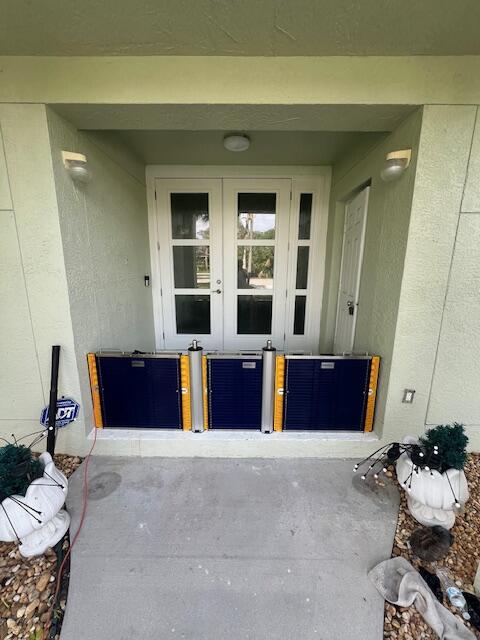
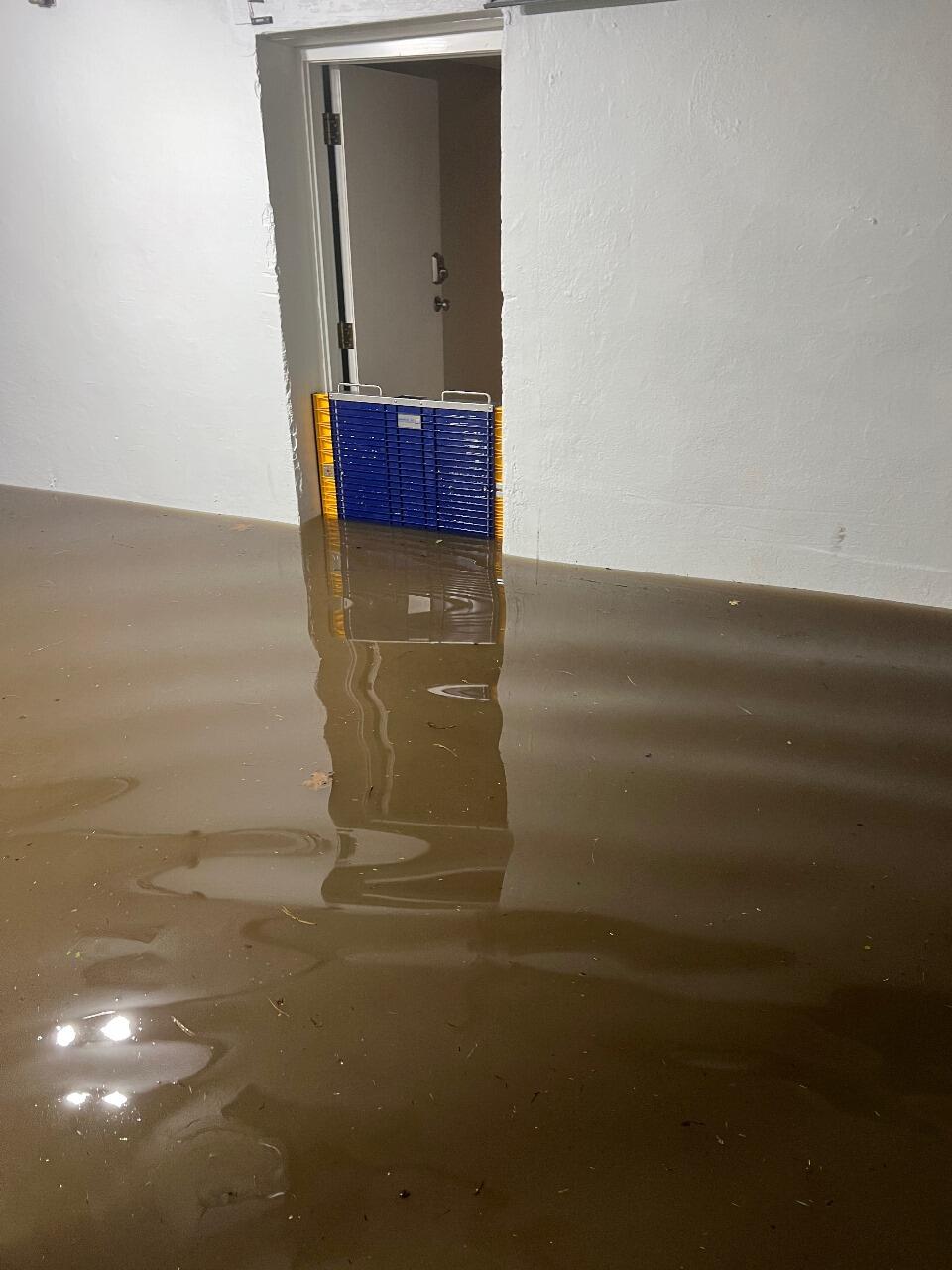
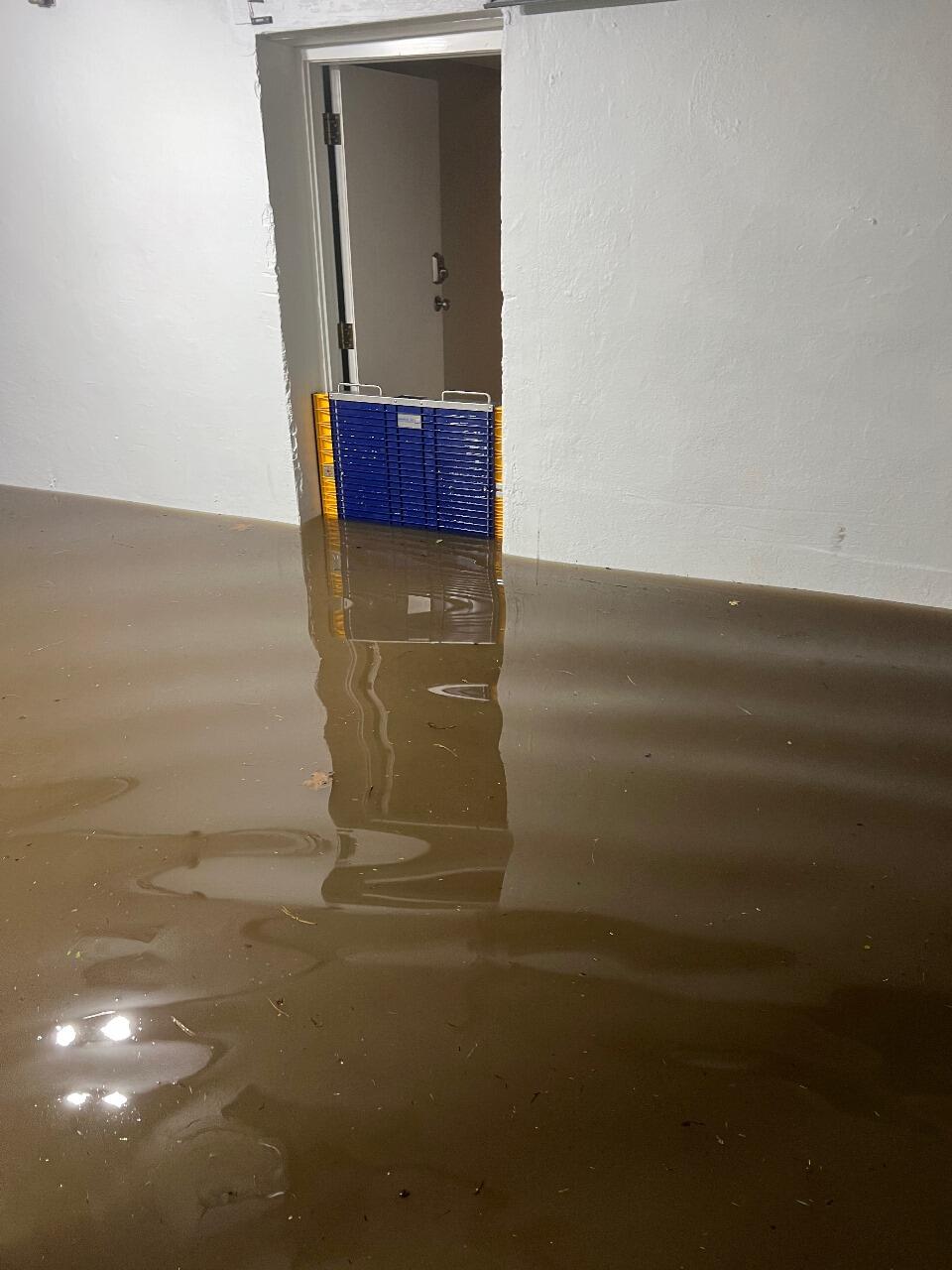
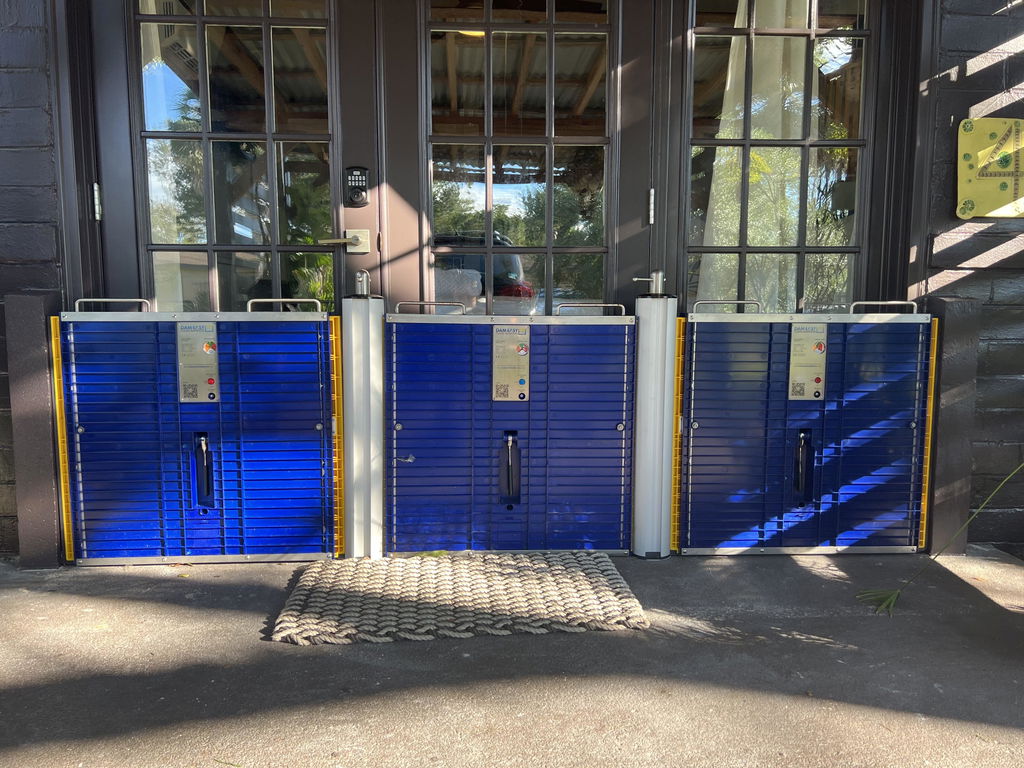
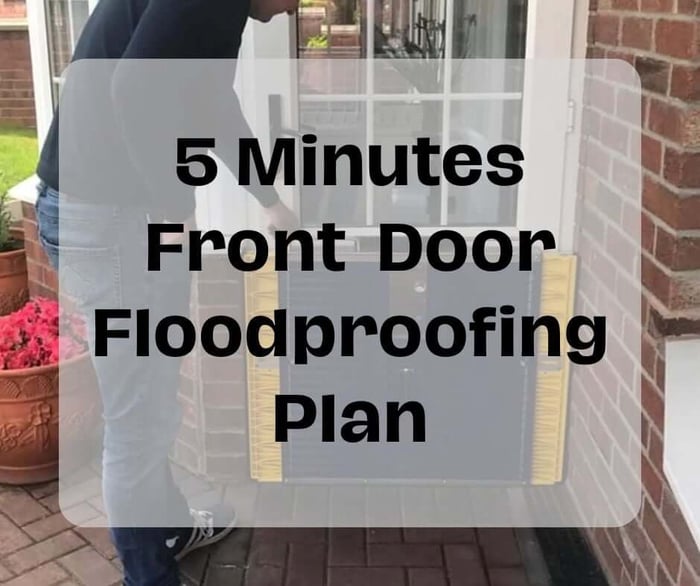
To protect your front door from flooding in under 5 minutes, you need flood barriers for doors. That’s the short answer. Why?
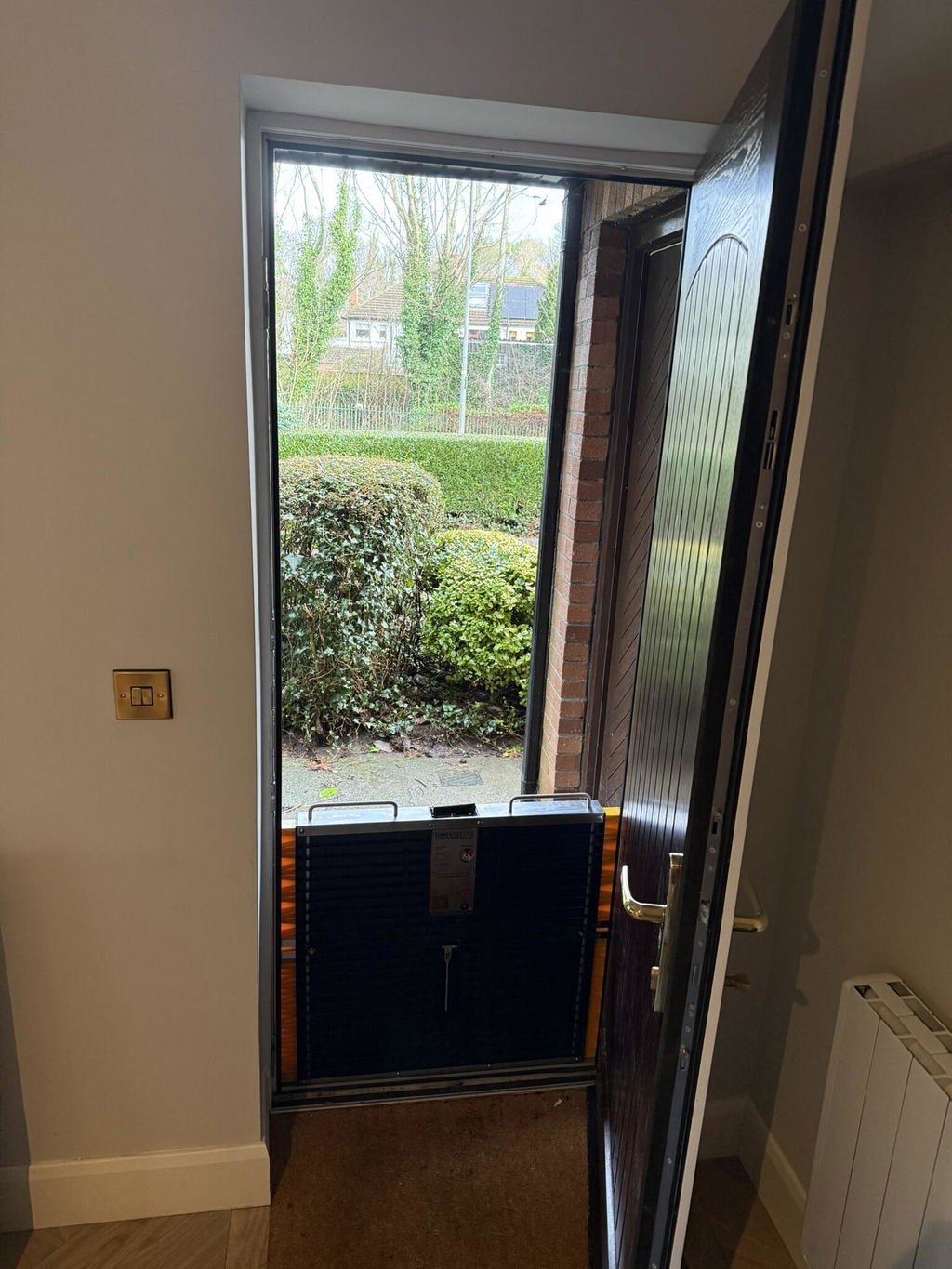
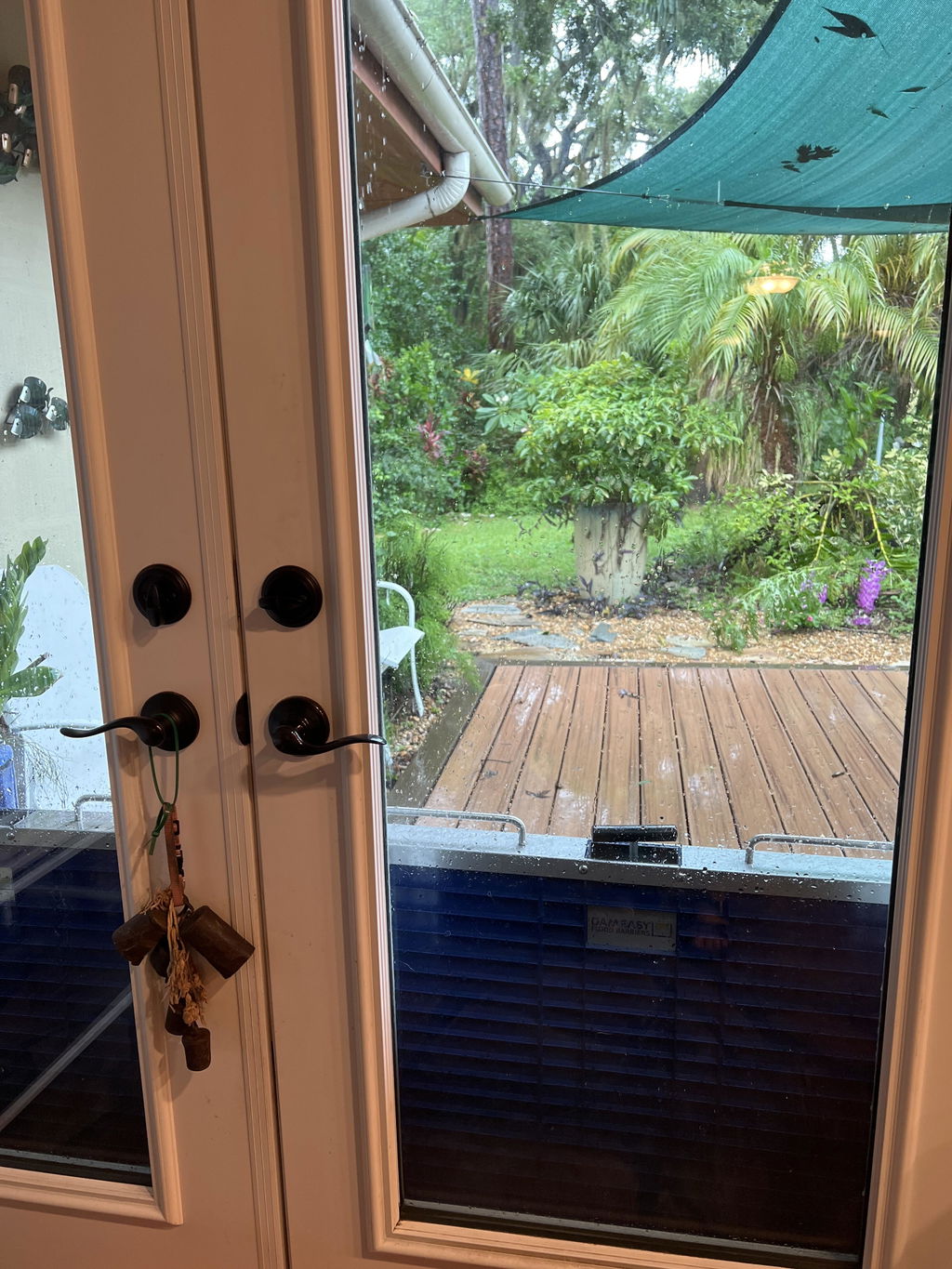
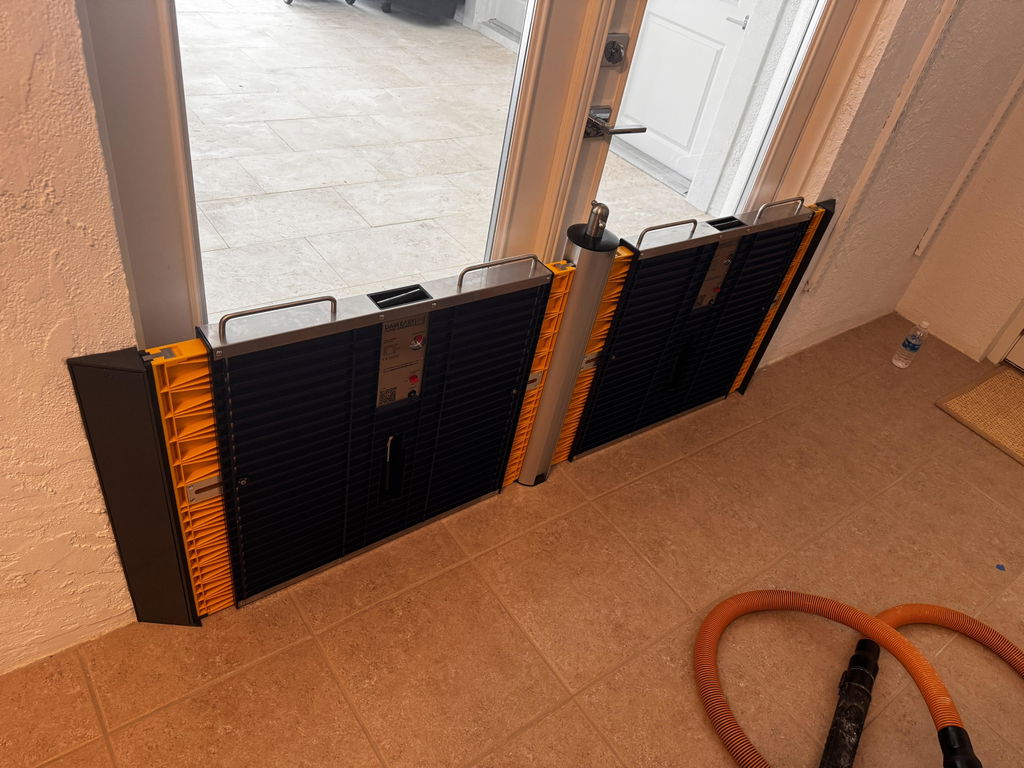
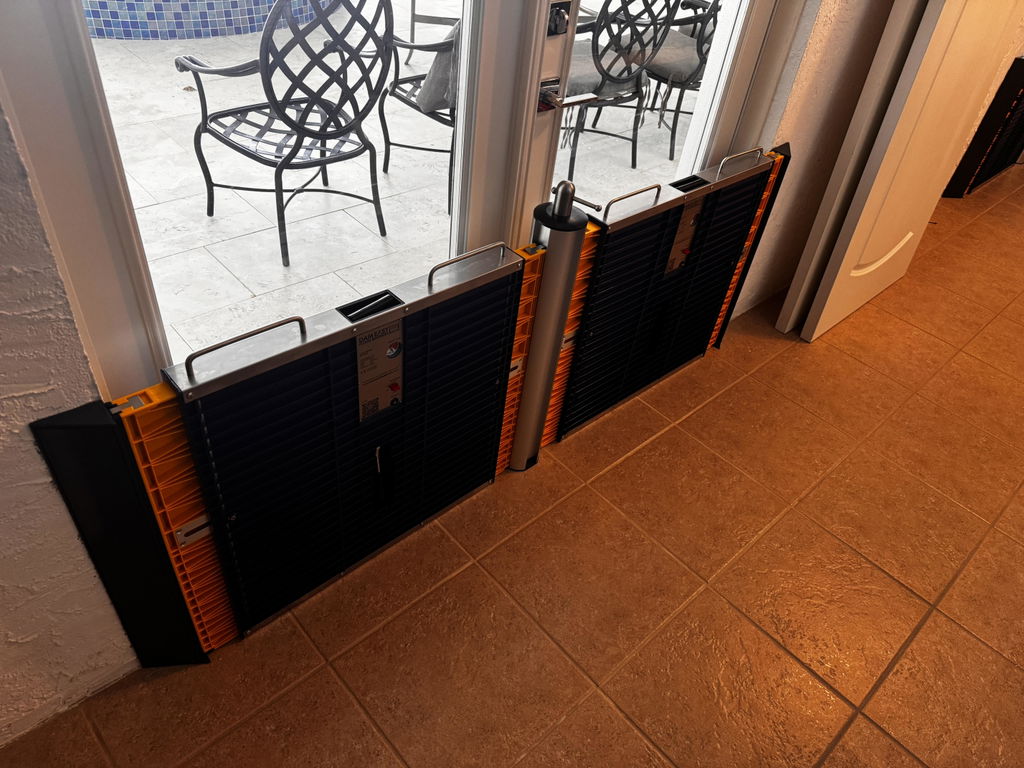
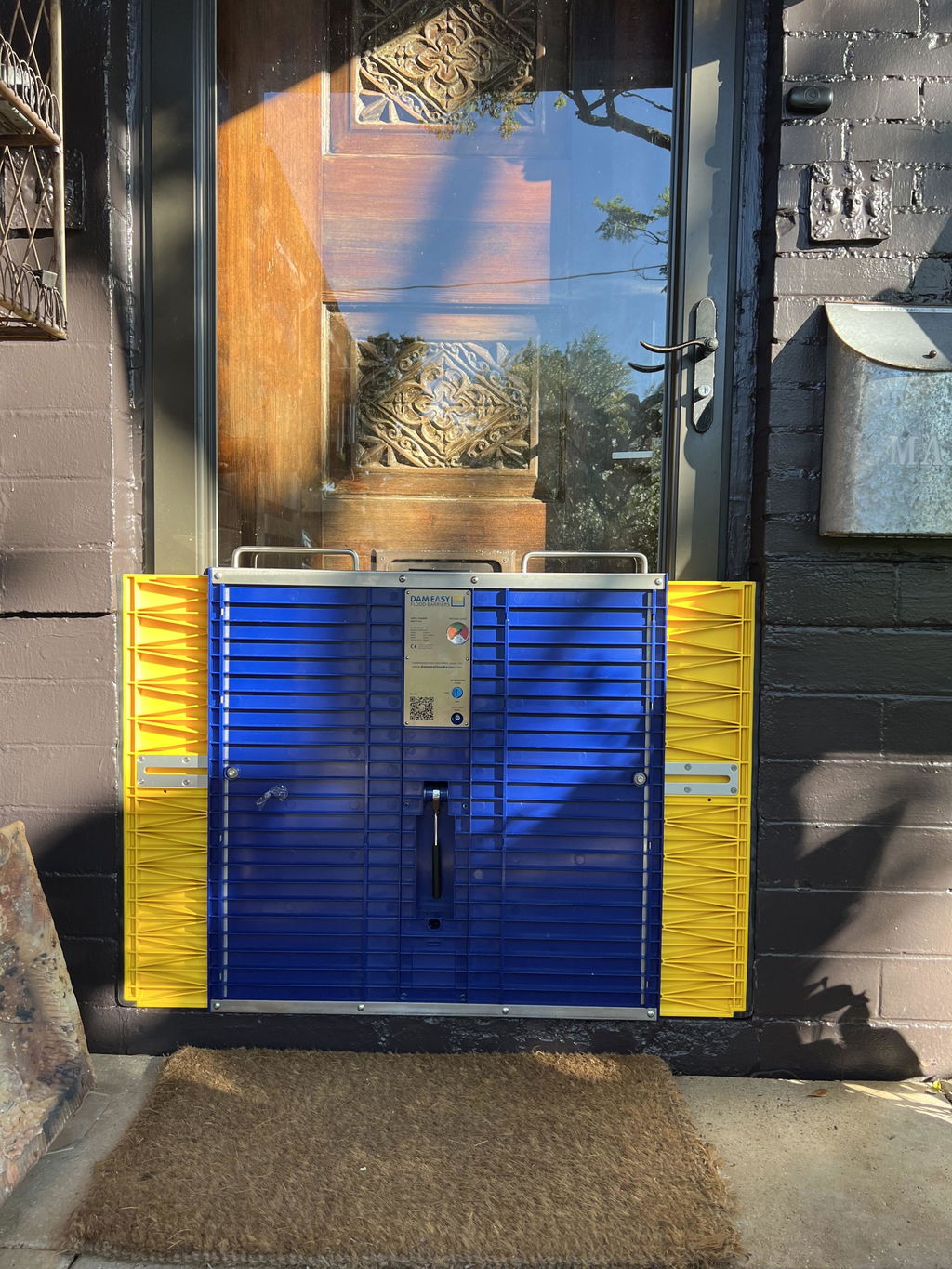
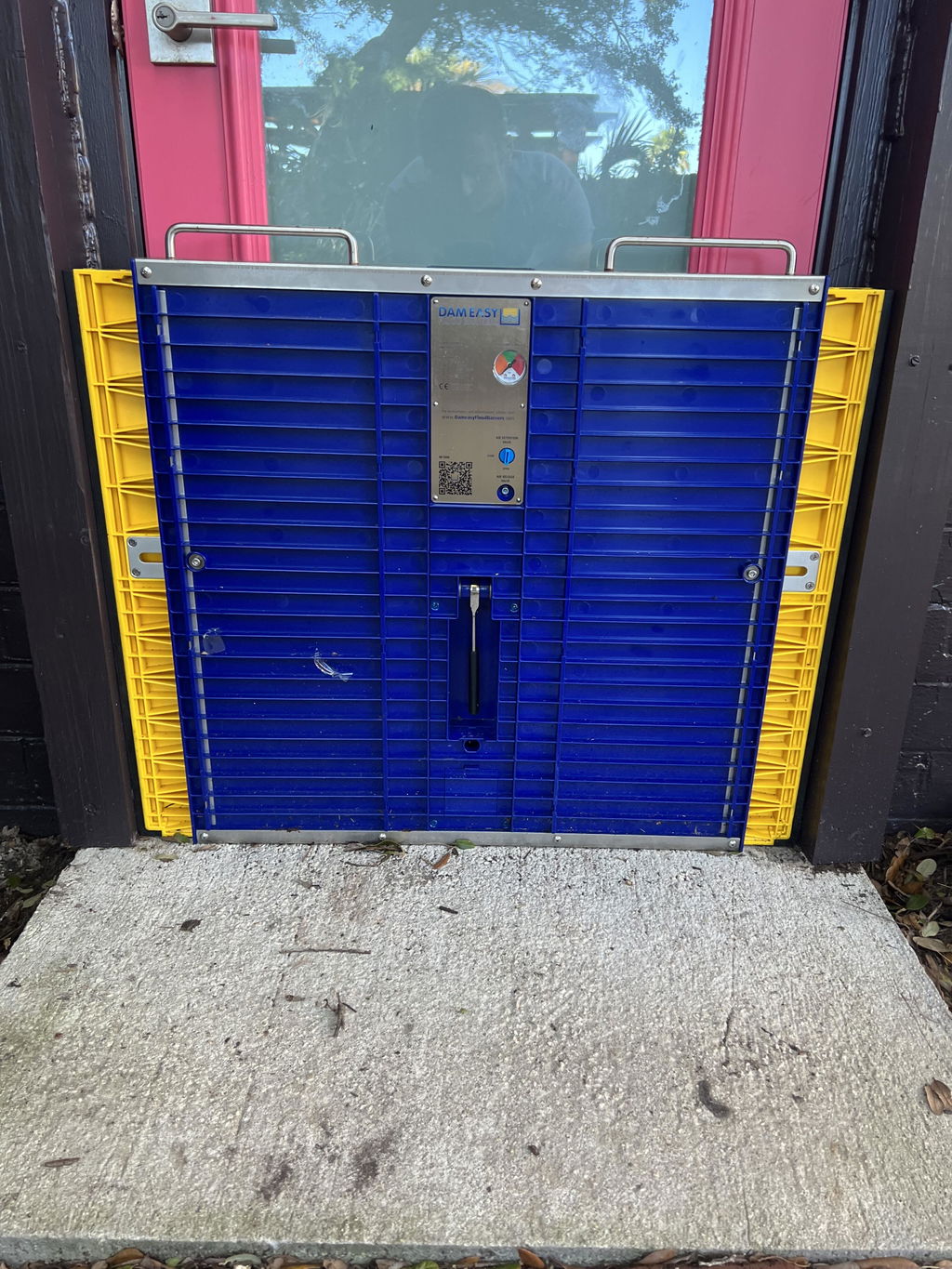
These portable shields are much faster than heavy sandbags; you simply place the flood barriers for doors in your door frame, move the side panels out to fit, and pump a built-in seal to stop water from leaking inside.
Dealing With "That" Feeling: The Reality of Modern Flooding
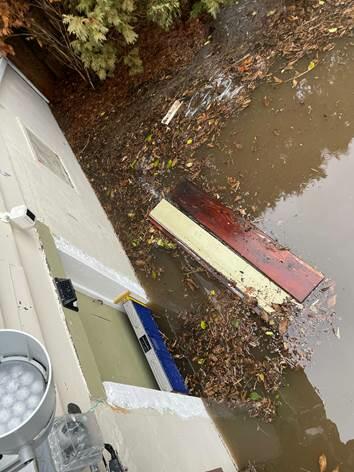
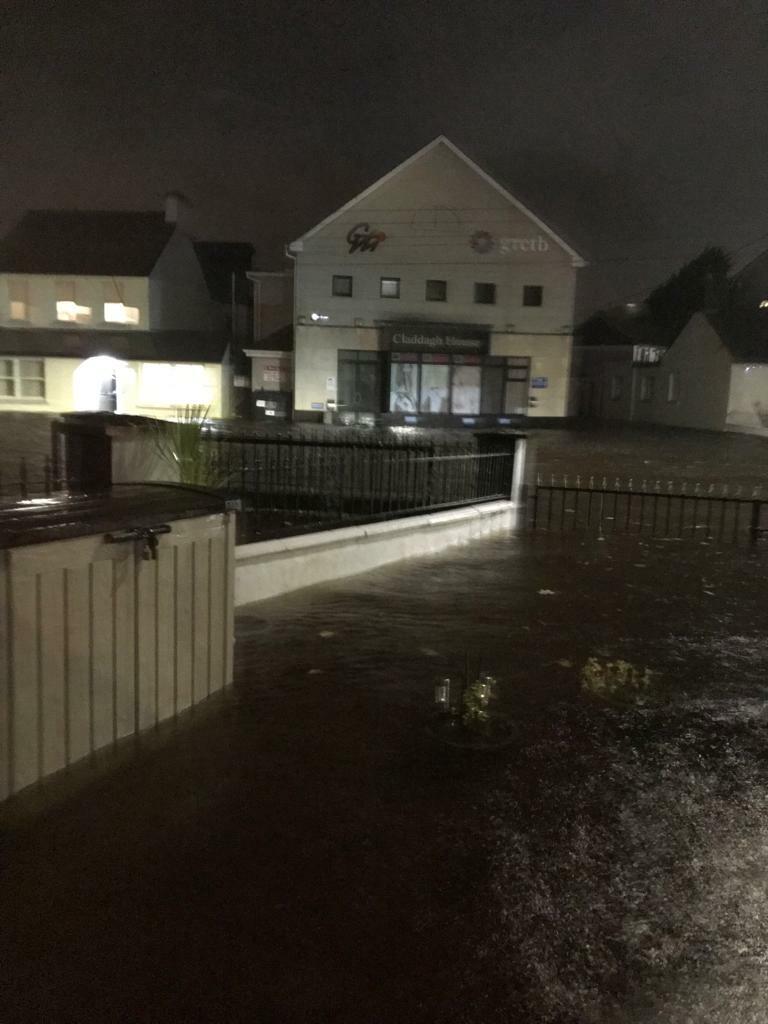
We all know that sinking feeling in the pit of your stomach when the sky turns dark and the rain just won't stop. If you live in a flood-prone spot—whether it’s the coastal streets of Florida, a riverside cottage in the UK, or a neighborhood in New South Wales, Australia—you know the drill. You start eyeing the bottom of your front door and wondering if this is the time the water finally makes it inside.
Your house isn't just a building. It is the place where you raised your kids, hosted holiday dinners, and built your life. Seeing brown, muddy water creep toward your porch is incredibly stressful. The threat of property damage isn't just about money; it’s about the months of cleanup, the loss of sentimental items, and the disruption of your daily peace. That is why having a solid plan for emergency flood protection is no longer a luxury—it is a necessity for anyone living in high-risk zones like Houston, TX, or Brisbane, AU.
Why the Old Ways Aren't Cutting It Anymore
For a long time, the only answer we had was sandbags. We’ve all seen the news footage of people frantically filling burlap sacks while the river rises. But let’s be honest: lugging 40-pound bags of wet sand is back-breaking work. By the time you reach your 40s or 50s, your back might not be up for moving fifty sandbags in an hour.
If you live in New Orleans, Norfolk, or Hull, UK, you’ve probably seen neighbors out there straining themselves trying to pile them up before the storm hits. Not only are they heavy, but sandbags are also "leaky." They don't create a perfect seal. Water often seeps through the gaps between the bags, leaving you with a soggy hallway anyway. Plus, once the storm is over, you’re left with a pile of contaminated, heavy sand that is a nightmare to get rid of.
Some people have switched to self-inflating sandbags. These are much easier on the joints because they are light as a feather until they get wet. They are very handy to have in the garage for minor puddles or blocking small air vents. However, while they are a great part of a backup plan, they don't always give you that "locked-in" feeling during a major surge. To really sleep soundly when the rain is pounding on the roof, you need a mechanical solution that physically seals the gap and holds back the weight of the water.
How to Stop Water From Coming Under Door (The Easy Way)
If you want to know how to stop water from coming under door frames without calling an expensive contractor or drilling ugly permanent holes in your siding, the Dam Easy system is the answer. It was designed for people who want professional results without the DIY headache.
Here is the simple, 5-minute process to secure your home:
- Clear the Threshold. Take thirty seconds to quickly wipe away any dirt, leaves, or pebbles where the flood barriers for doors will sit. A clean surface helps the rubber seal grab onto the ground and the door frame tightly.
- Set the Barrier in Place. Pick up the barrier and place it right in the middle of the door opening. It weighs about the same as a medium suitcase, so it is manageable for one person to handle without help
- Extend the Side Panels. On the back of the barrier, there is a simple lever. As you turn it, the side panels slide out smoothly until they touch the left and right sides of your door frame. This bridges the gap and creates the initial wall.
- Pump Up the Seal. This is the "magic" part. There is a small handle you pump—it feels just like using a bike pump or a blood pressure cuff. This inflates a thick rubber tube that runs all the way around the edge of the barrier. It fills every tiny crack and crevice, creating a completely watertight, pneumatic seal.
- Final Check. Look at the built-in pressure gauge. If the needle is in the green zone, you are done. You have successfully created a dam in under five minutes. You can now head inside, make a cup of coffee, and wait out the storm knowing your entryway is secure.
Where Homeowners Need This Most
Floods are happening in more places than ever before. Areas that never used to flood are now seeing "1-in-100-year" storms every few seasons. We see homeowners using our flood barriers for doors in several key locations across the globe:
DamEasy防洪闸门坝 -终极防洪

$949.00
大坝容易®防洪闸门大坝 洪水在世界各地越来越普遍。曾经的百年现象,现在是房主必须面对的季节性趋势。 这正是为什么你需要这个大坝容易防洪闸门大坝! 作为重型和凌乱沙袋的一个很好的替代品,这个屏障提供了第一道防线,防止水进入你家的门窗。当洪水发生时,快速行动的能力至关重要。此防洪屏障可在 5 分钟内安装,为您提供可靠的防洪保护! 不要等到为时已晚。得到这个防洪屏障门坝,现在保护你的房子! … Read More
USA Residents: We see a huge need in coastal Florida (especially Miami and Tampa), the low-lying coastal plains of South Carolina and Georgia, and the flood-prone neighborhoods of New Jersey and New York that are still mindful of past surges.
UK Residents: Property owners near the River Severn, the Thames Valley, and low-lying parts of Yorkshire and Cumbria deal with "wet winters" that can turn a backyard into a lake overnight.
Australia Residents: In New South Wales and South East Queensland, flash flooding is a major concern. Residents in Lismore, Sydney’s Western Suburbs, and Brisbane need protection that can be deployed in minutes when the warnings go out.
Why Dam Easy is the Smart Choice for Your Age and Lifestyle
By the time we hit our 40s and 50s, we have enough on our plates. Between work, family, and maintaining a home, we don't want to spend three hours prepping for a storm that might pass in thirty minutes. We want solutions that are efficient and reliable.
No Permanent Damage to Your Curb Appeal
Most flood doors or permanent barriers require you to screw metal "U-channels" or tracks into your brickwork or door frame. This can look industrial and ugly, and it can even lower the value of your home. Dam Easy is completely "non-invasive." When the sun comes out, you just deflate the seal, slide the panels back in, and put the flood barriers for doors back in the closet. Your house still looks like the beautiful home you bought.
Easy Storage for Busy Households
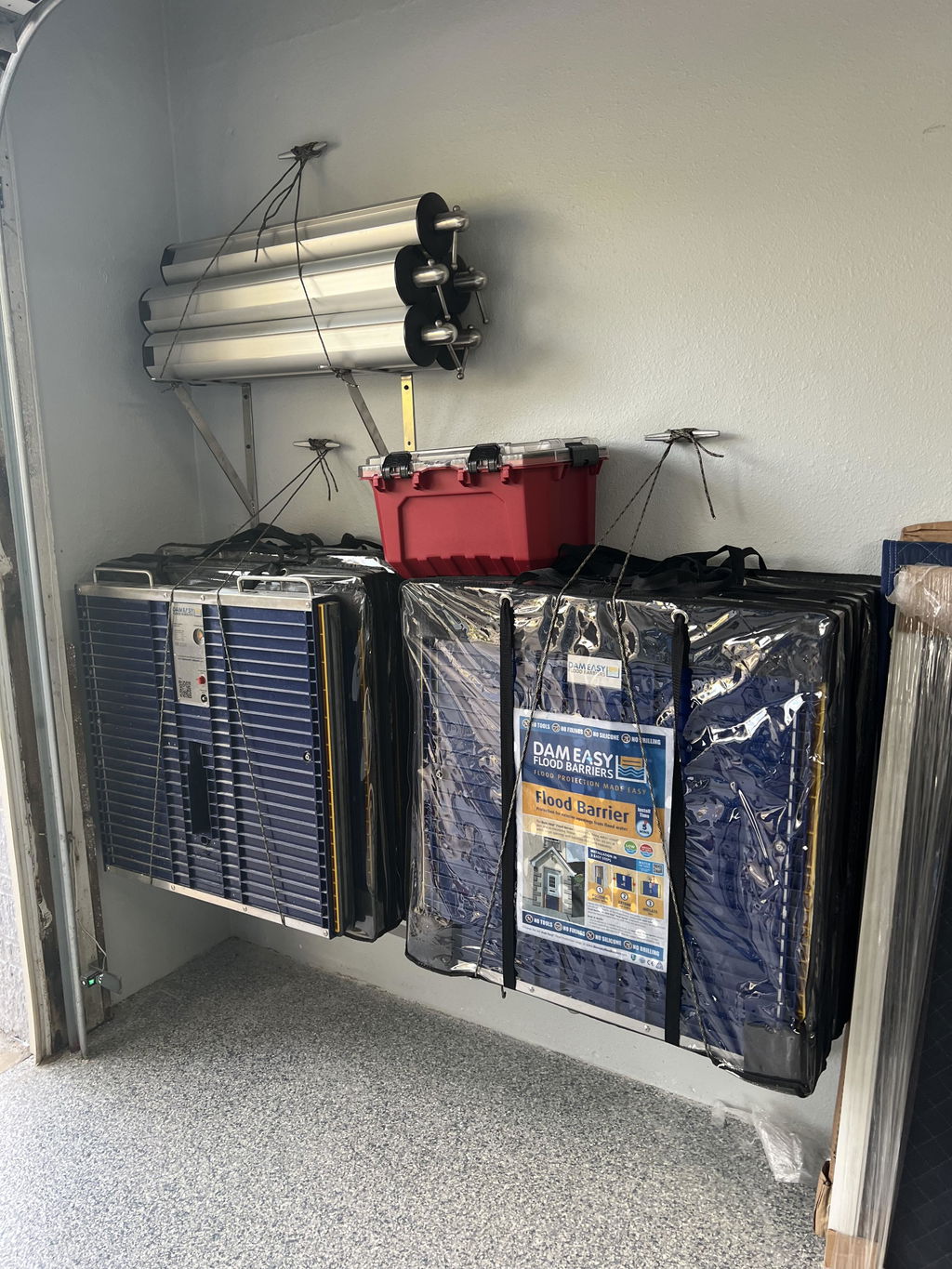
Space is precious. You don't want to store 50 sandbags in your backyard or a giant metal gate in your garage. This barrier stays tucked away under a bed or on a high shelf in the garage until the weather forecast looks grim.
A One-Time Investment in Peace of Mind
Unlike self-inflating sandbags that often have to be thrown away after one use (especially if the floodwater was dirty), mechanical flood barriers for doors are a one-time purchase. You can use it year after year. For a homeowner looking at their long-term budget, it’s the most cost-effective way to handle emergency flood protection.
Frequently Asked Questions from Homeowners
"What if my door is wider than normal?"
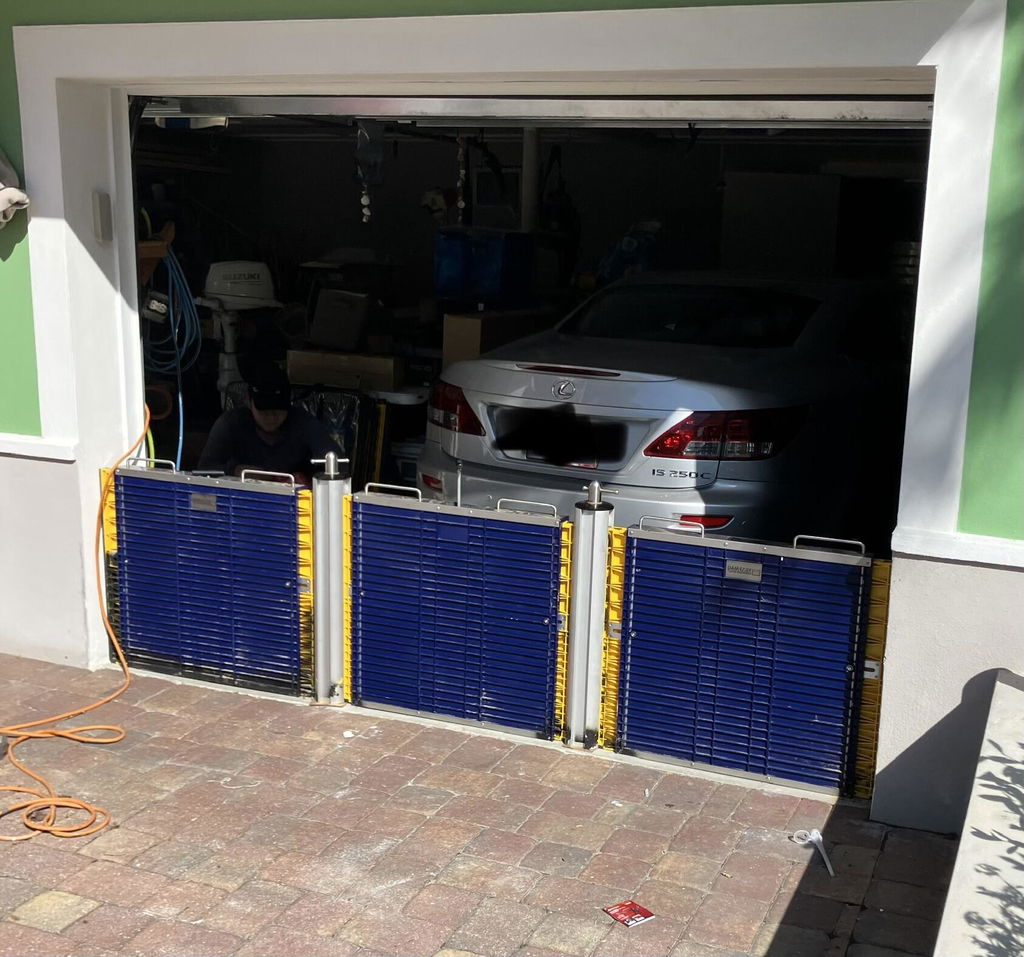
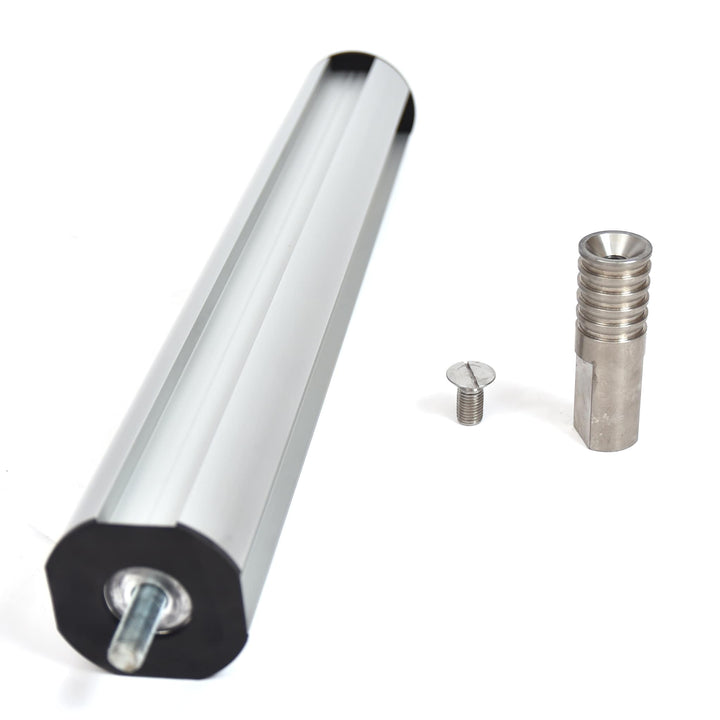
Most front doors are standard sizes, but we know some homes have beautiful wide entryways. Our flood barriers for doors expand from 780mm to 1100mm. If you have a wider French door or a garage, you can actually link multiple floo barriers for doors together using our extension pole system. This allows you to create a "wall" as long as you need.
"Is it hard to pump up?"
Not at all. If you can use a hand-operated soap dispenser or a bike pump, you can use this. It requires very little physical strength.
"What happens if the water stays for a few days?"
The pneumatic seal is designed to hold its pressure. Once it’s pumped up, it stays tight. It’s a "set it and forget it" solution for the duration of the flood event.
Proactive Tips for Your Emergency Plan
While flood barriers for doors are your best line of defense for the entryway, a total home plan is always better.
- Elevate Your Utilities: If you live in a high-risk area like Charleston or New Orleans, try to get your washer, dryer, and water heater off the ground.
- Clear Your Gutters: Ensure water can flow away from your house, not collect at the foundation.
- Check Your Insurance: Make sure your policy covers "rising water," as many standard policies do not.
Don't Wait for the Rain to Start
We’ve all said, "I'll get around to it next weekend." But when the local news starts showing flood warnings for your town, it’s usually too late to order supplies. Shipping takes time, and stores sell out of everything the moment a storm is named.
Investing in emergency flood protection today means you can enjoy the rain from inside your dry, cozy living room rather than fighting it with a mop and bucket. Taking a few minutes today to look at a flood barriers for doors solution can save you months of headaches and thousands of dollars in repairs later.
No one wants to deal with the heartbreak of ruined floorboards or that musty mold smell that never seems to go away. Protect your home, your memories, and your peace of mind. It only takes five minutes to hold back the water.
Ready to get your home "Flood Ready"?
Let's Chat Right Now and Find the Best Fit for Your Home!
FAQs
How do I stop water from coming under my door during a flood?
To stop water from coming under your door, the most effective method is to install a mechanical flood barriers for doors. Unlike traditional sandbags, these barriers use an inflatable pneumatic seal to create a completely airtight and watertight fit against your door frame, blocking water entry entirely.
What are the best flood barriers for doors for home use?
The best flood barriers for doors are removable, expandable systems like Dam Easy. These are preferred by homeowners because they require no permanent fixings or drilling. They can be deployed in under 5 minutes and fit most standard door sizes in the USA, UK, and Australia.
How do self-inflating sandbags work for emergency flood protection?
Self-inflating sandbags contain super-absorbent polymers that activate when they touch water. They grow from lightweight, flat bags into heavy, water-filled barriers in minutes. They are excellent for emergency flood protection in tight spaces like air vents or around garage door corners where a full barrier may not fit.
Are flood barriers better than sandbags for home protection?
Yes, mechanical flood barriers for doors are significantly more effective than sandbags. While sandbags are heavy and prone to leaking, a professional barrier provides a consistent seal. Barriers are also reusable, easier to store, and can be installed by one person without the heavy lifting required for sandbags.
Where can I buy emergency flood protection for my home?
You can buy high-quality emergency flood protection, including expandable barriers and self-inflating sandbags, directly from specialized retailers like Dam Easy Flood Barriers. These products are designed for residential use and do not require professional installation.
Can a flood barrier be used on a garage door?
Yes, you can use flood barriers for doors on a garage by using an extension pole system. By connecting multiple barrier units together, you can create a continuous wall of protection across wide openings. This is a common solution for homeowners in flood-prone areas like Florida, Queensland, and the UK lowlands.
Do I need tools to install a flood barrier?
No, modern emergency flood protection barriers like Dam Easy are designed to be "tool-free." They use a built-in lever to expand the side panels and a simple hand pump to inflate the seal, making them perfect for quick deployment during a sudden storm.