Table of Contents
When you think about flood proofing air bricks, you might picture sandbags at the door or seals on windows. But for many homeowners in flood-prone areas, the water isn’t coming through the main entrance. It’s sneaking in through the small, forgotten holes in your walls: your air bricks and vents. If you’ve ever had a flood, you know the devastating feeling of finding water where it shouldn’t be. Protecting these hidden entry points is a critical, yet often overlooked, step in creating a complete home flood protection kit. The process of flood proofing air bricks is one of the most effective steps you can take.
This guide is for anyone in Sydney, Australia, Brisbane, Australia, or the Gold Coast, Australia, where flash flooding is a real threat. It’s for residents of Somerset, UK, York, UK, and Gloucester, UK, who face rising river waters. And it’s for homeowners in Houston, Texas, USA, Miami, Florida, USA, and New Orleans, Louisiana, USA, where storms and surges are part of life. We’ll break down the simple steps you can take to secure your home, starting with the essential task of flood proofing air bricks.
What Are Air Bricks and Vents, and Why Are They There?
First, let’s keep it simple. Air bricks (or weep holes) and foundation vents are those small, often brick-sized grilles you see near the bottom of your home’s exterior walls. They’re not a design mistake—they’re vital.
Their job is to let air flow through the space under your floor (your subfloor) or through cavity walls. This airflow stops moisture from building up, which prevents rot, mold, and damp. In short, they keep your home’s structure healthy and dry… until a flood comes. This is exactly why flood proofing air bricks is so important—you need to stop water without trapping harmful moisture year-round.
The Problem: A Helping Hand for Floodwater
During dry weather, these vents are heroes. During a flood, they become a major weakness. Here’s why:
They Are Direct Openings: Unlike a solid wall, a vent is a direct hole into your home’s interior or subfloor. Water doesn’t need to force its way through; it simply flows in.
They Are Low Down: By design, these vents are installed at or near ground level. This is exactly where floodwater pools first.
They Let Water Spread: Once water gets through a vent, it doesn’t stay in one place. It fills your subfloor, soaks insulation, ruins stored items, and can even rise up through floorboards. It causes damage you can’t even see until it’s too late.
Standard Covers Aren’t Enough: Many vents have simple bug screens or grilles that do nothing to stop water pressure.
The result? Even a relatively low level of floodwater—just a few inches—can lead to tens of thousands of dollars in damage, long-term mold issues, and a huge repair headache. True home flood protection must address these points, making flood proofing air bricks a top priority.
The Solution: Flood-Proof Vents and Barriers
The good news is that you don’t have to brick up your vents and risk rot. Modern flood defense solutions allow you to have airflow when you need it and a watertight seal when you don’t. This is what we mean by flood-proof vents, and it's the core idea behind flood proofing air bricks.
Types of Protection for Flood Proofing Air Bricks
Automatic Flood Vents: These are clever replacements for your standard vents. They use float technology (like a ball in a toilet cistern). When floodwater rises, the float lifts and automatically seals the vent from the inside. No need for you to be there. When the water drops, they reopen. They are a classic "set and forget" solution for flood proofing air bricks.
Manual Vent Covers: These are sturdy, waterproof covers you attach over your existing air bricks when a flood is forecast. They are secured with screws or special fasteners to create a strong seal. They are a more hands-on but very cost-effective part of any home flood protection kit and a very direct method of flood proofing air bricks.
Flexible Flood Barriers for Vents: Some systems use a flexible, waterproof material that you can roll down or attach over groups of vents. They are secured with battens or adhesive, creating a dam-like effect, which is another practical approach to flood proofing air bricks.
How to Choose and Install Your Protection
Choosing the right flood defense for your vents isn’t complicated. Follow these steps:
Step 1: The Audit. Walk around your home. Count every single air brick and low-level vent. Measure them. Note their location. Don’t forget vents for dryers, crawl spaces, or utility access. A single missed vent can undo all your other work. This audit is the first concrete step in flood proofing air bricks for your specific property.
Step 2: Select Your Product. For permanently installed, zero-effort protection, look at automatic vents. For a more budget-friendly and reliable solution you deploy when needed, high-quality manual covers are excellent. Ensure any product you choose is rated for the water pressure it might face and is specifically designed for the job of flood proofing air bricks.
Step 3: Preparation is Key. Your vents need to be ready before the storm hits. For manual covers:
Pre-attach the fixings (like screw bases) to your wall next to each vent.
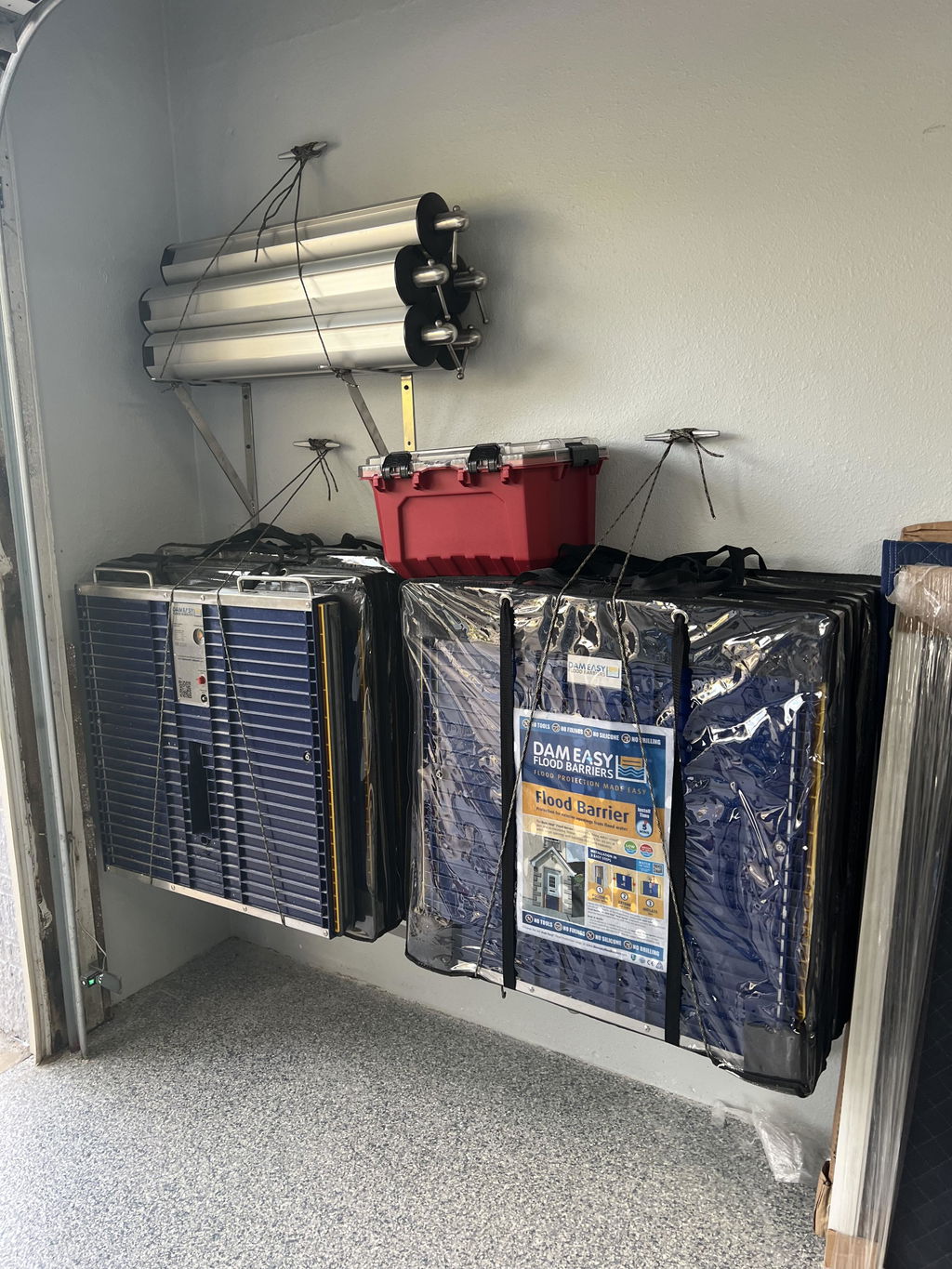
Store the covers and a screwdriver or wrench in an easily accessible location.
Practice putting them on once so you’re not figuring it out in the rain and dark. Good preparation turns the concept of flood proofing air bricks into a fast, real-world action.
Step 4: Create a Routine. Make installing vent covers part of your standard flood prep routine, right alongside moving furniture and deploying door barriers. A complete home flood protection kit includes tools for all entry points, with dedicated equipment for flood proofing air bricks.
Beyond the Vents: A Complete Flood Defense Mindset
Securing your air bricks is a massive step, but it works best as part of a whole-house plan. Your home flood protection kit should also include:
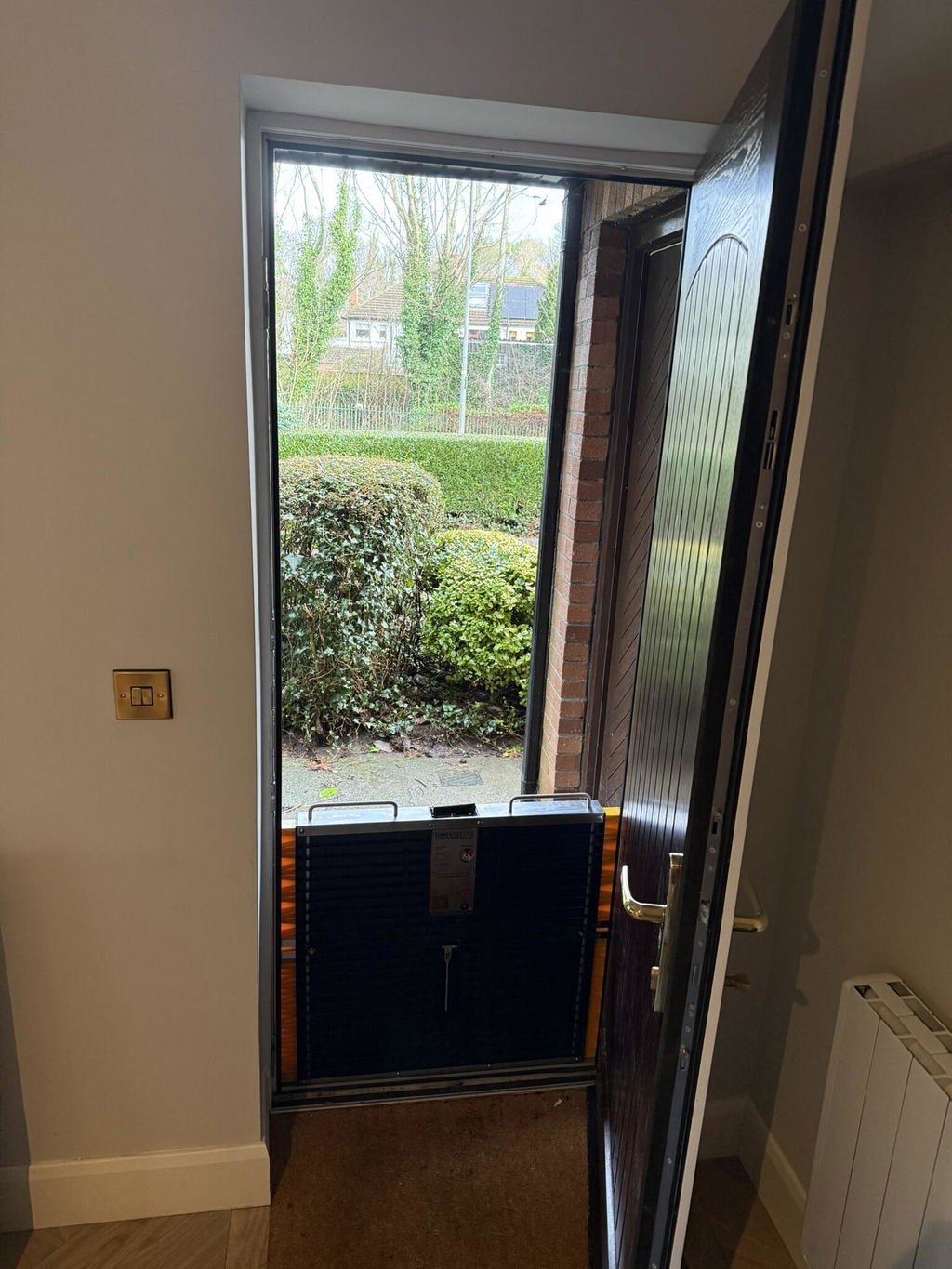
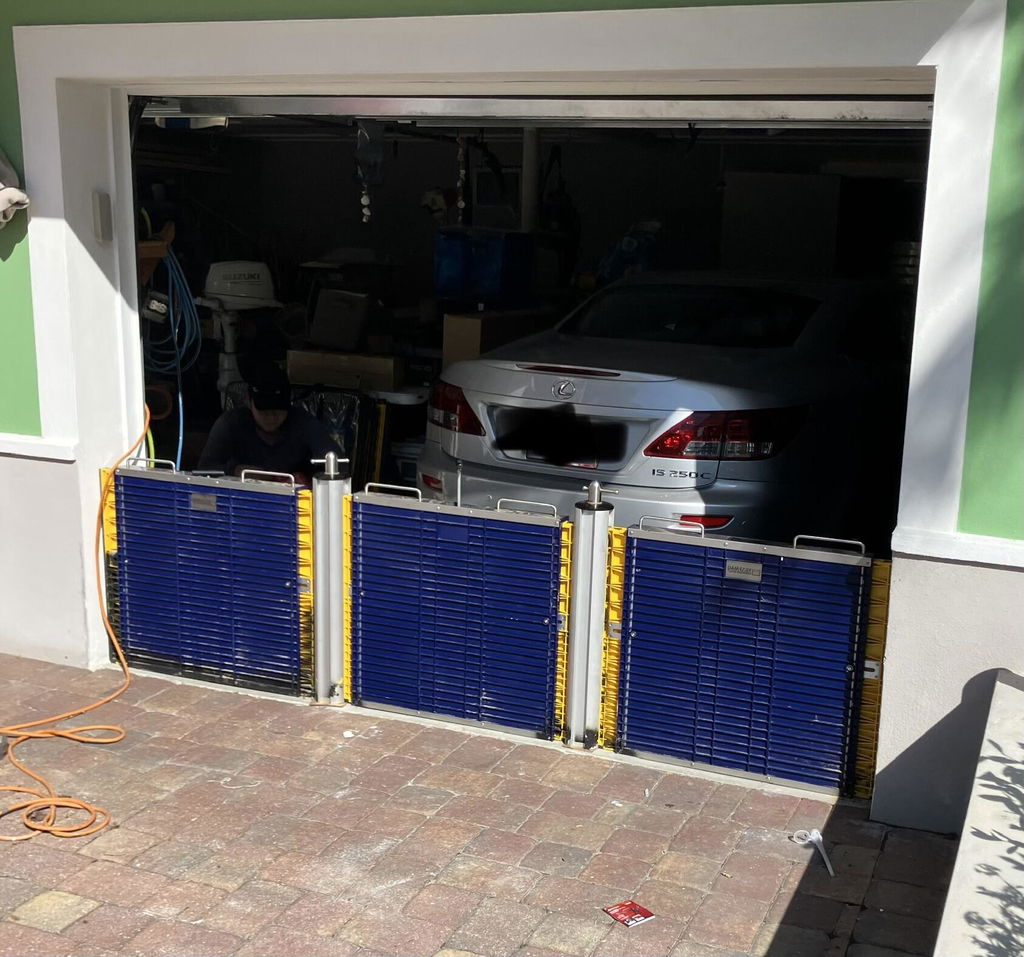
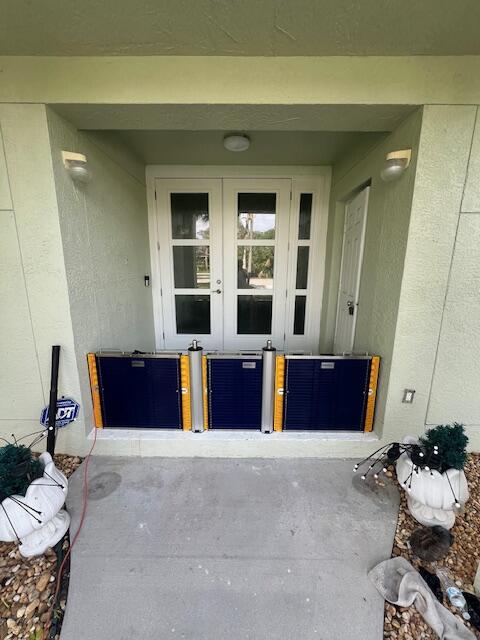
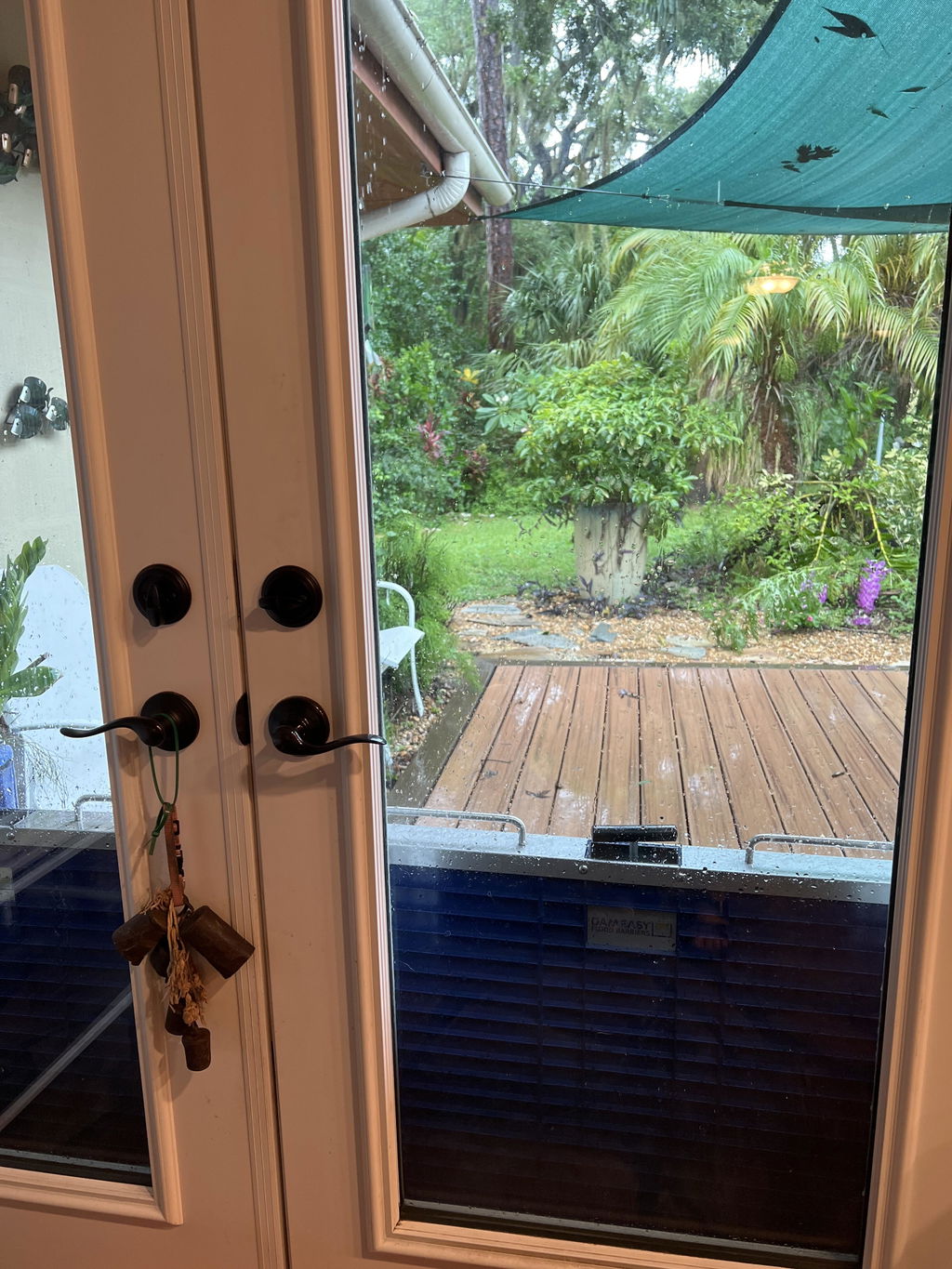
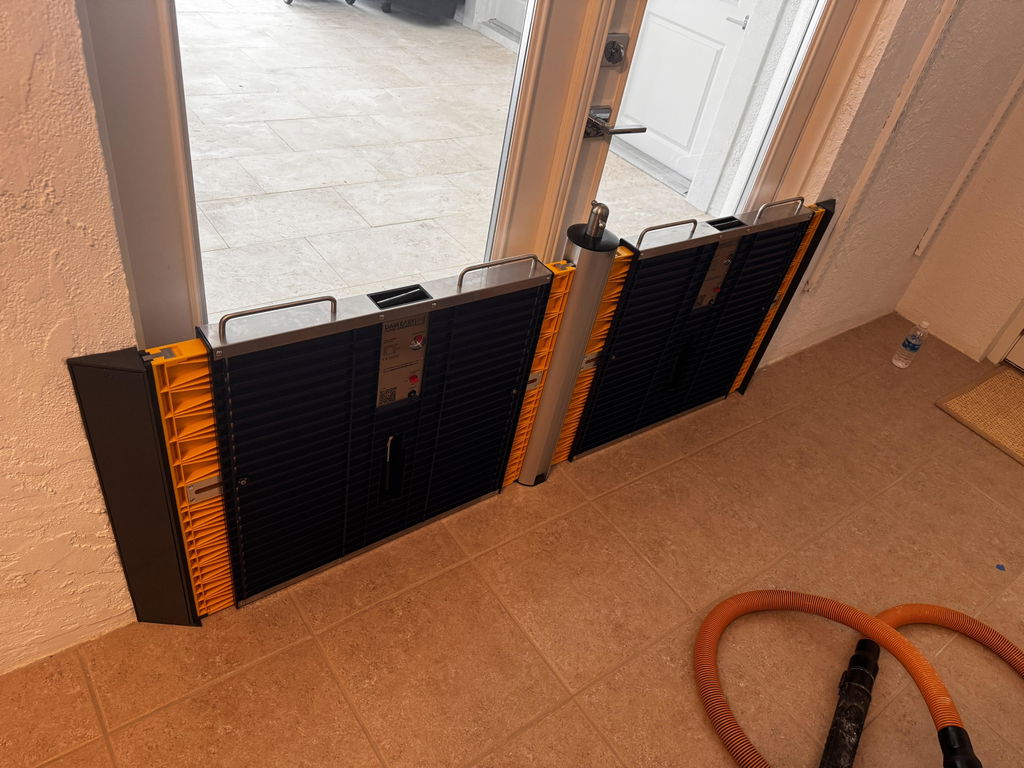
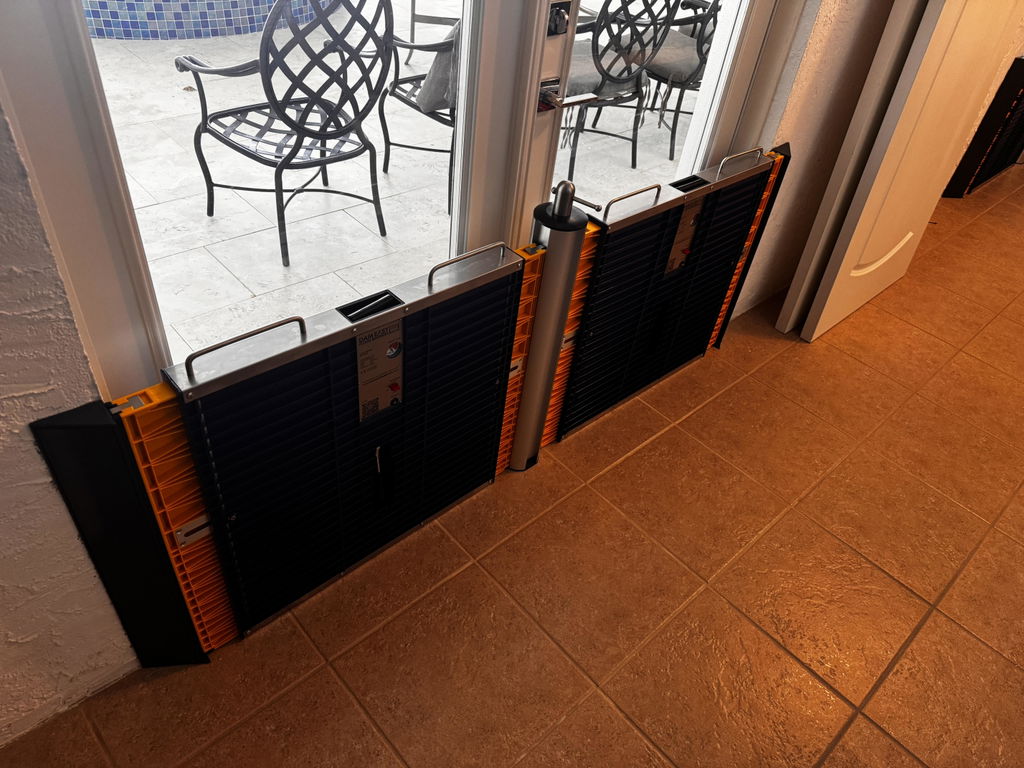
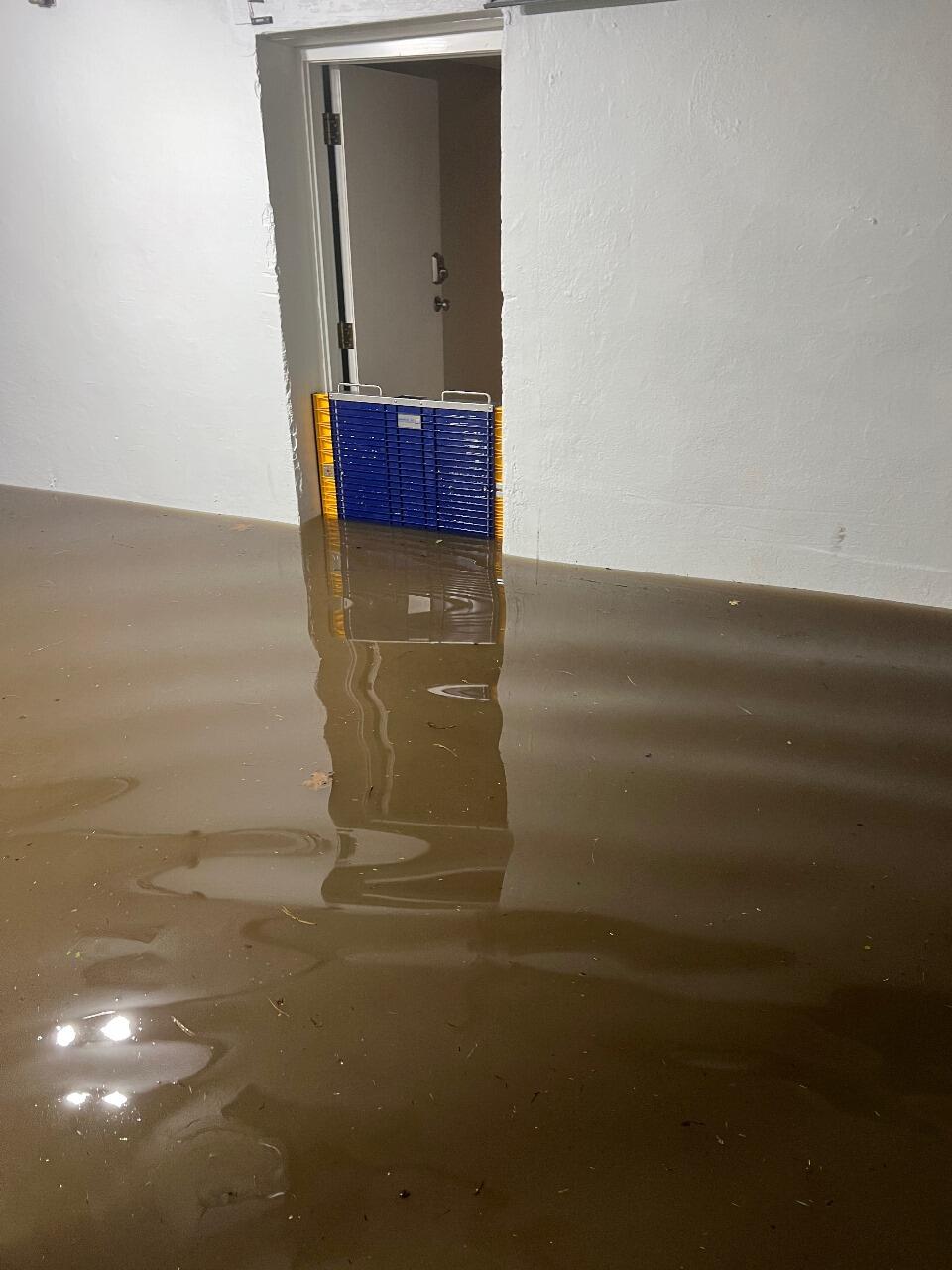
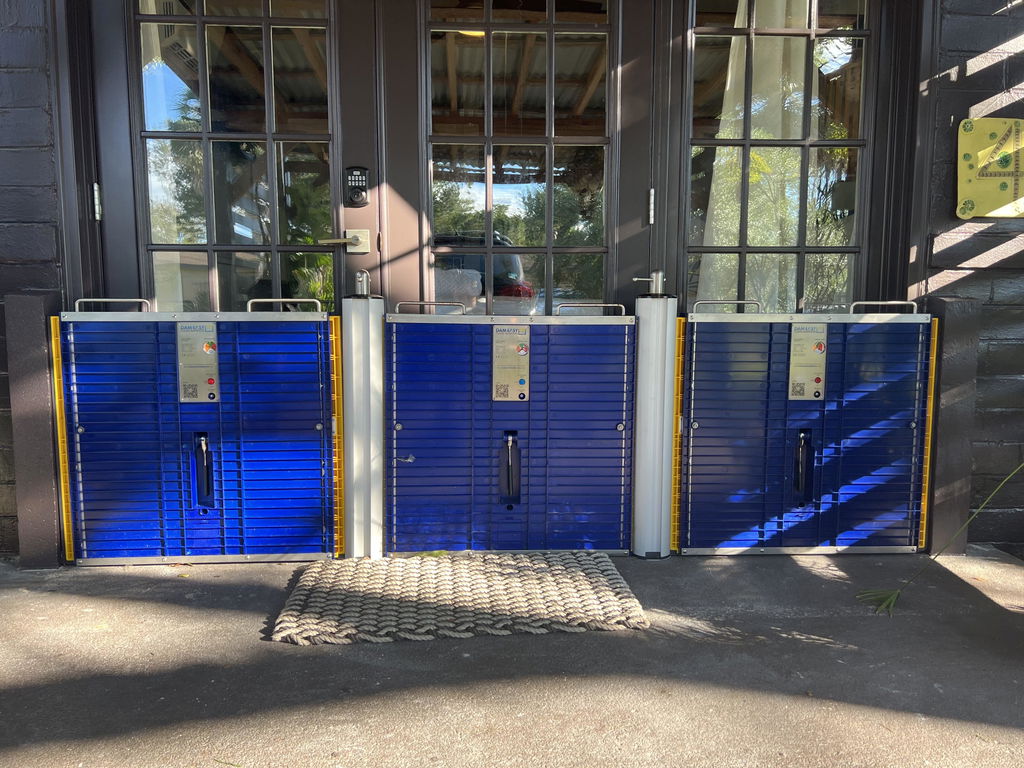
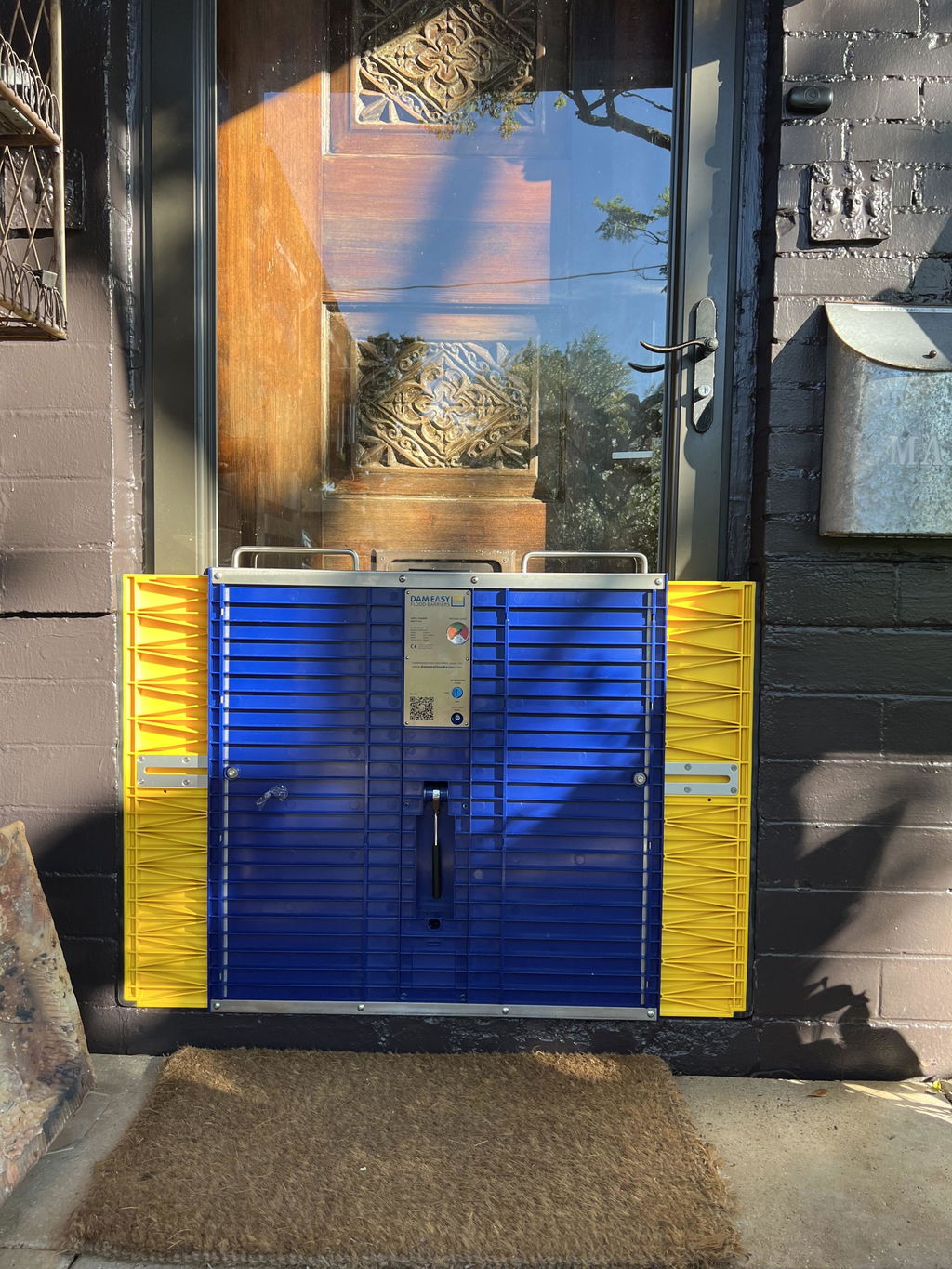
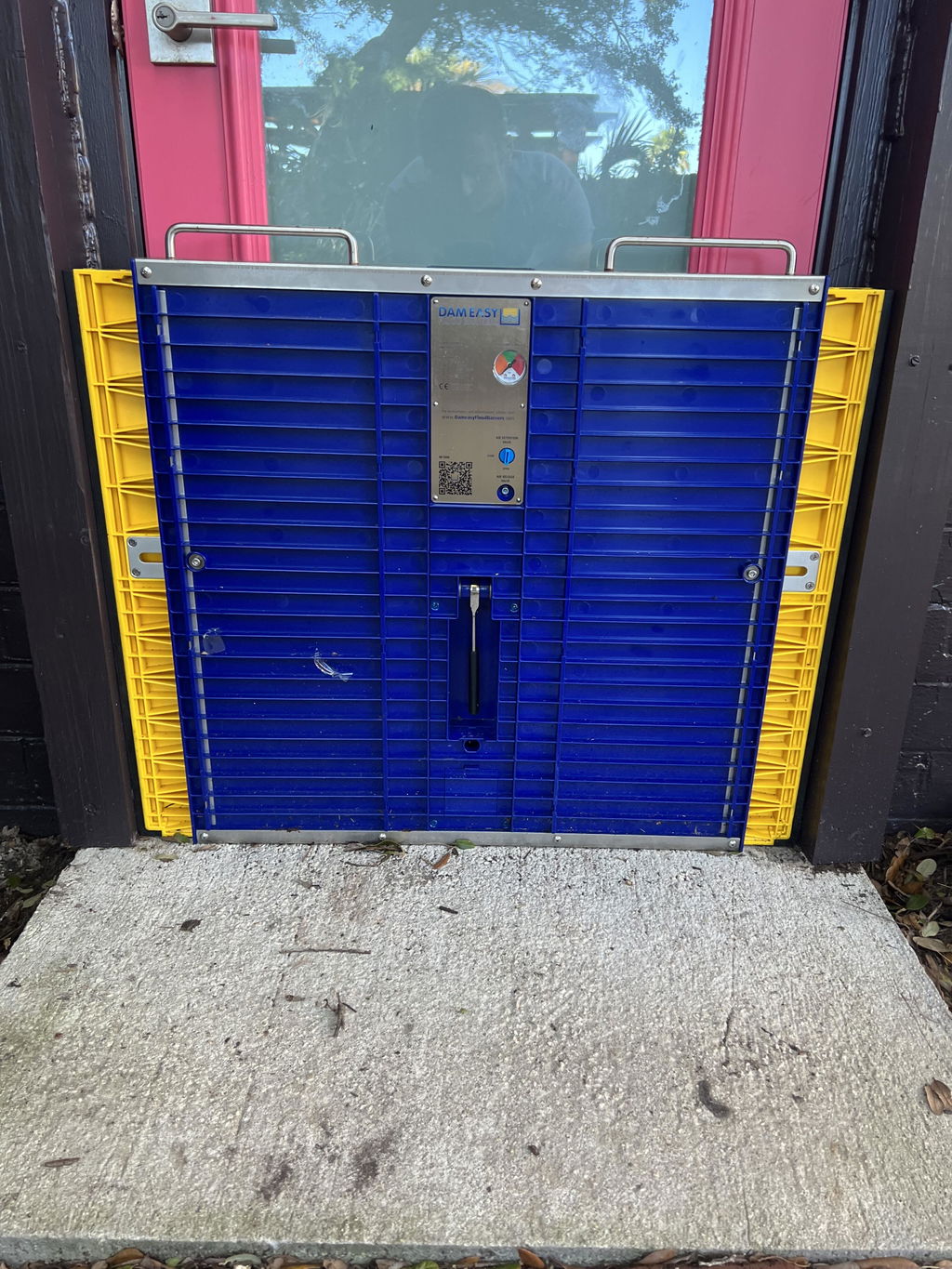
Door Barriers: Like the Dam Easy Flood Barrier, which uses water’s own pressure to create a instant, powerful seal at doorways.
Toilet and Drain Seals: Sewers can back up during floods. Non-return valves and seals prevent this nasty water from entering.
Waterproof Air Vents: For vents higher up (like for furnaces or hot water systems), ensure they are angled and shielded to prevent water driving in.
DamEasy防洪闸门坝 -终极防洪

$899.00
大坝容易®防洪闸门大坝 洪水在世界各地越来越普遍。曾经的百年现象,现在是房主必须面对的季节性趋势。 这正是为什么你需要这个大坝容易防洪闸门大坝! 作为重型和凌乱沙袋的一个很好的替代品,这个屏障提供了第一道防线,防止水进入你家的门窗。当洪水发生时,快速行动的能力至关重要。此防洪屏障可在 5 分钟内安装,为您提供可靠的防洪保护! 不要等到为时已晚。得到这个防洪屏障门坝,现在保护你的房子! … Read More
Peace of Mind is Priceless
For homeowners in Norfolk, UK, Pacific Palisades, California, USA, or Lismore, Australia, the fear of flooding is seasonal and real. The stress of wondering "did I forget something?" can be almost as bad as the flood itself.
By taking control of your air bricks and vents, you plug the biggest leak most people never see. You protect the very structure of your home. You move from being reactive—just cleaning up the mess—to being proactive and prepared. The act of flood proofing air bricks provides a specific, powerful layer of security.
Don’t let your flood defense plan have a glaring hole. Visit the Dam Easy website today to explore our range of reliable, easy-to-use flood barriers and vent protection solutions. Build your complete home flood protection kit and gain the peace of mind that comes from knowing you’ve covered every entry point, especially the forgotten ones, by properly flood proofing air bricks.
Book your FREE chat with our flood experts
Start securing your home’s hidden weaknesses now.
Your future self will thank you when the waters rise.
FAQs
What are air bricks, and why do I need to flood proof them?
Air bricks (also called weep holes) are vents near the base of your walls that let air circulate to prevent damp and rot. However, during a flood, they become direct openings for water to enter your subfloor and cause hidden damage. Flood proofing air bricks is essential to seal these holes when water threatens.
What is the most effective method for flood proofing air bricks?
The two most effective methods are installing automatic flood vents that seal themselves when water rises, or using dedicated, waterproof manual covers that you attach when a flood is forecast. Both are key parts of a complete home flood protection kit.
Can I just block my air bricks permanently to stop floodwater?
No. Permanently blocking air bricks will trap moisture, leading to mold, wood rot, and structural damage. Proper flood proofing air bricks means using solutions that allow airflow during dry conditions but provide a watertight seal during floods.
Are air bricks a problem in all types of homes?
Yes. Any home with air bricks or foundation vents is vulnerable, including houses with suspended floors, cavity walls, or crawl spaces. This applies to many properties in flood-prone areas of the UK, Australia, and the USA.
How do I find and measure my air bricks to protect them?
Walk around your home's exterior and look for grille-covered openings near ground level. Count them all and use a tape measure to note their height and width. This audit is the first critical step in flood proofing air bricks.
Is flood proofing air bricks a DIY job, or do I need a professional?
Installing manual vent covers or flexible barriers is typically a straightforward DIY task. Replacing standard vents with automatic flood vents may require more skill. Always follow the manufacturer's instructions for any product in your home flood protection kit.
Can water still get in if I only protect my doors and windows?
Absolutely. Unprotected air bricks and vents are a major hidden entry point. Water can ingress here even with sealed doors, leading to significant subfloor damage. A full flood defense strategy must include vent protection.
Where can I get products for flood proofing air bricks?
Dam Easy offers reliable solutions as part of a comprehensive home flood protection kit. Visit our product family page to explore options designed for easy use and peace of mind.