Table of Contents
- 2. Step 1: Understand the Flood Warning Levels
- 3. Step 2: Assemble Your "Grab-and-Go" Bag
- 4. Step 3: Secure Your Property (The Last 15 Minutes)
- 5. Step 4: Plan Your Evacuation Route and Check Road Closures
- 6. Step 5: Dealing with Pets and Livestock
- 7. Step 6: Follow the Evacuation Order (Leaving the Area)
- 8. Step 7: During the Evacuation (Staying Safe)
- 9. Step 8: Returning Home (Post-Flood Safety)
- 10. Conclusion: Prepare Today for Tomorrow's Evacuation Order
- FAQs
When a serious threat, like rising floodwaters, is looming, the most important message you will ever hear is the evacuation order. For property owners in flood-prone areas, whether you live near the coast in Brisbane, Australia, along the Mississippi River in the USA, or on the Somerset Levels in the UK, hearing those words can make your heart pound. Flooding can cause huge damage and put lives at risk, making quick action vital.
This guide is designed to be simple and easy to follow. It breaks down the process of dealing with an emergency evacuation, ensuring you know exactly what to do to protect your family and your property when a major flood is coming.
2. Step 1: Understand the Flood Warning Levels
Before an official evacuation order is given, you will likely get a flood warning. Knowing the different levels helps you start preparing early, often saving you precious time.
The Three Key Stages of a Flood Warning:
Flood Watch (or Alert): This means flooding is possible. The weather is bad, and water levels are rising. This is your cue to check your emergency kit, review your escape routes, and secure important documents. In places like New Orleans, Louisiana, or South Wales, UK, this first warning is the time to take action, not wait.
Flood Warning (or Imminent Threat): This means flooding is expected. The danger is real and very close. You must start securing your home and be ready to leave at a moment's notice.
Evacuation Order (Mandatory or Recommended): This is the final stage. The area is unsafe. You must leave immediately. When you hear a definite evacuation order, there is no time to waste on further preparation.
As soon as you hear a flood warning, start getting ready. Do not wait for the official evacuation.
3. Step 2: Assemble Your "Grab-and-Go" Bag
Your emergency kit, often called a "Go Bag" or "Grab-and-Go Bag," should be packed and ready to go long before any evacuation is announced. This bag contains everything your family needs for at least 72 hours.
What Must Be in Your Bag:
Key Documents: Copies of your home insurance, ID (driver's license, passport), birth certificates, and medical records. Put these in a waterproof bag or container.
Medicine: At least a three-day supply of any required prescription medicines.
Money: Cash, as ATMs and card machines may not work during a power outage.
Water and Food: Non-perishable snacks (energy bars, dried fruit) and one gallon of water per person, per day.
First-Aid: A basic kit with bandages, pain relief, and antiseptic wipes.
Clothing: A change of clothes for everyone, rain gear, and sturdy shoes.
Communication: A battery-powered or hand-crank radio, extra batteries, and portable phone chargers.
Personal Items: Toiletries, hand sanitizer, and supplies for babies, pets, or older family members.
4. Step 3: Secure Your Property (The Last 15 Minutes)
When you are preparing to evacuate, you have very little time left. This step is about minimizing the damage the flood will cause to your home.
4A. Protect Key Utilities
Gas: Turn off the main gas valve. If you smell gas, leave immediately and report it to the authorities once you are safe.
Electricity: Turn off the main circuit breaker. This is vital to prevent electrical fires and shocks if water enters your home.
Water: Turn off the main water supply to limit damage from broken pipes.
4B. Raise or Move Valuables
Move valuable items to the highest level of your home. If you live in a single-story property near a flood-prone area like Tampa, Florida, or Yorkshire, UK, try to place electronics, furniture, and family keepsakes on counters, tables, or beds.
4C. Block Entry Points with Flood Barriers
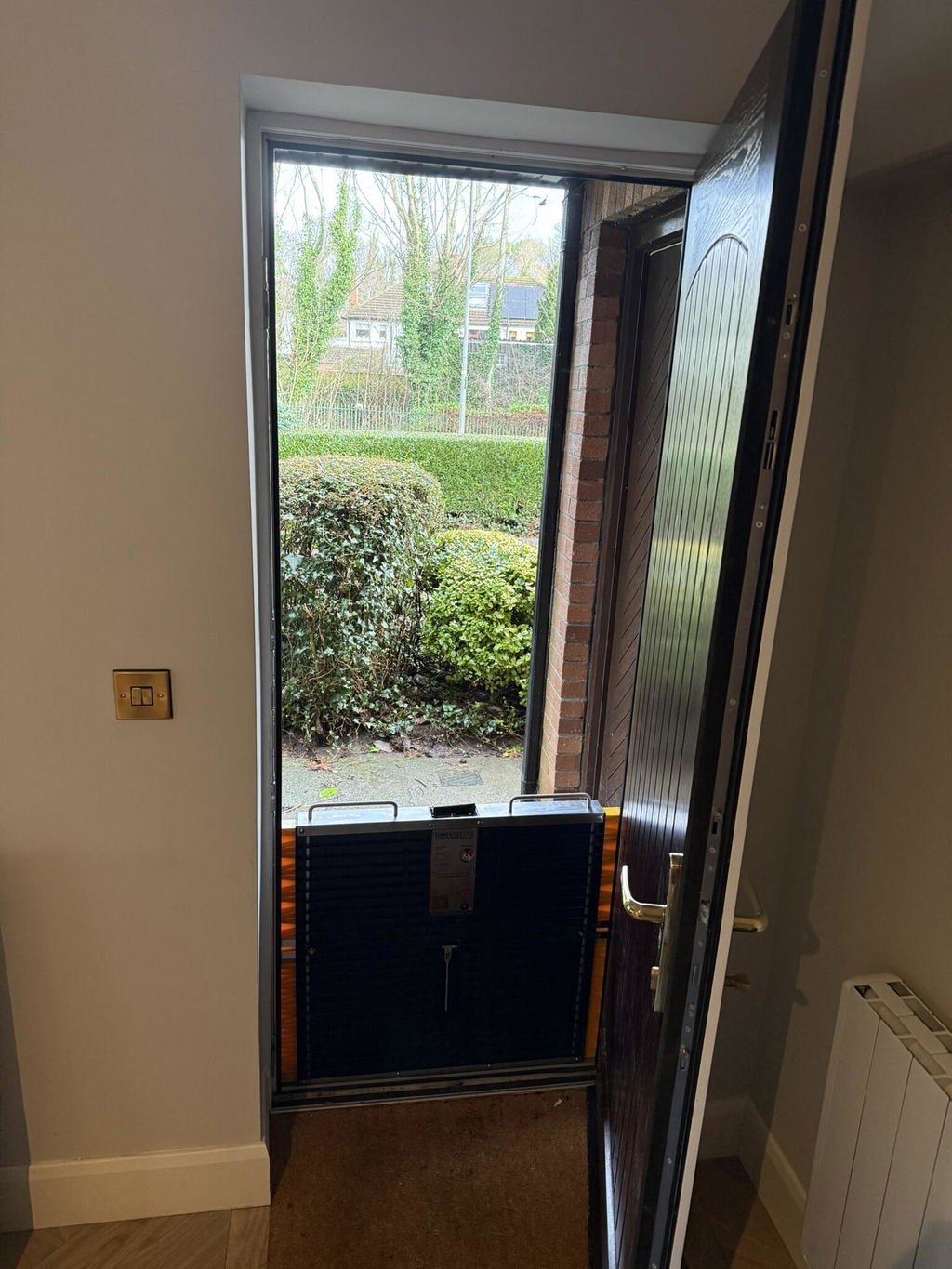
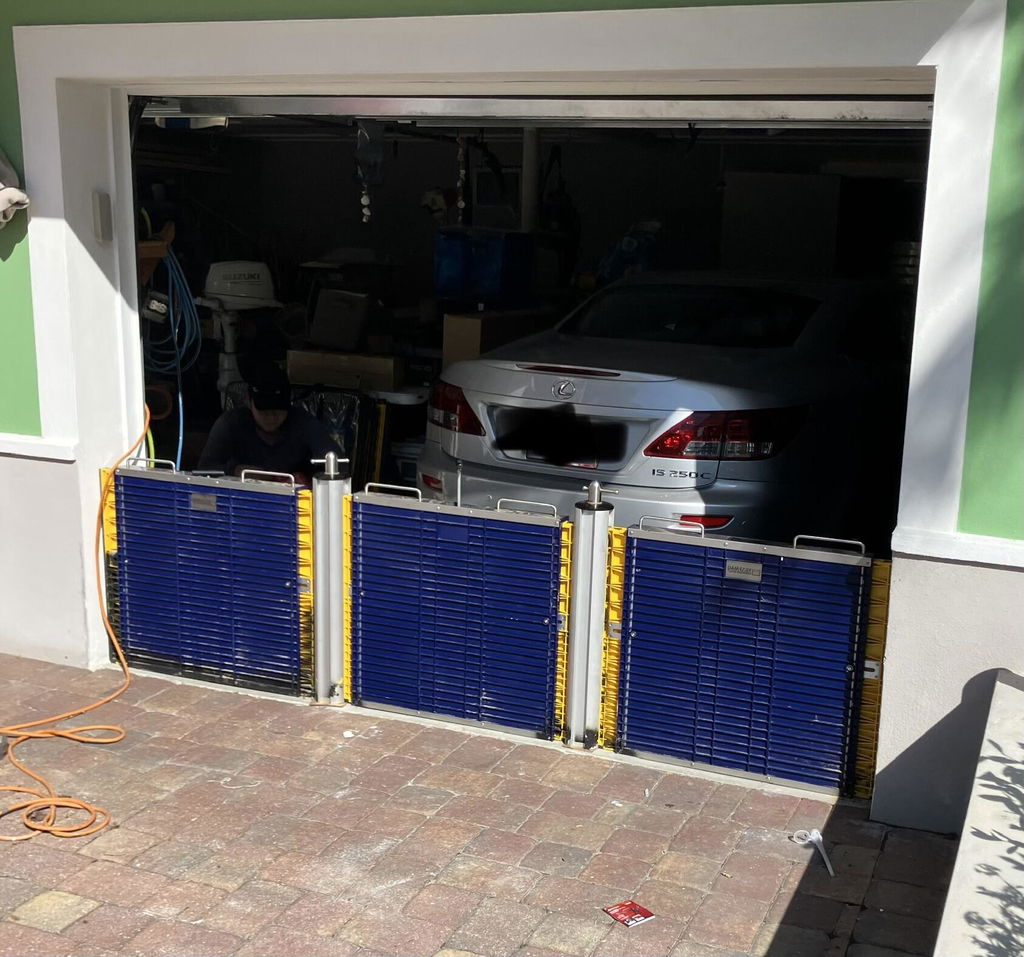
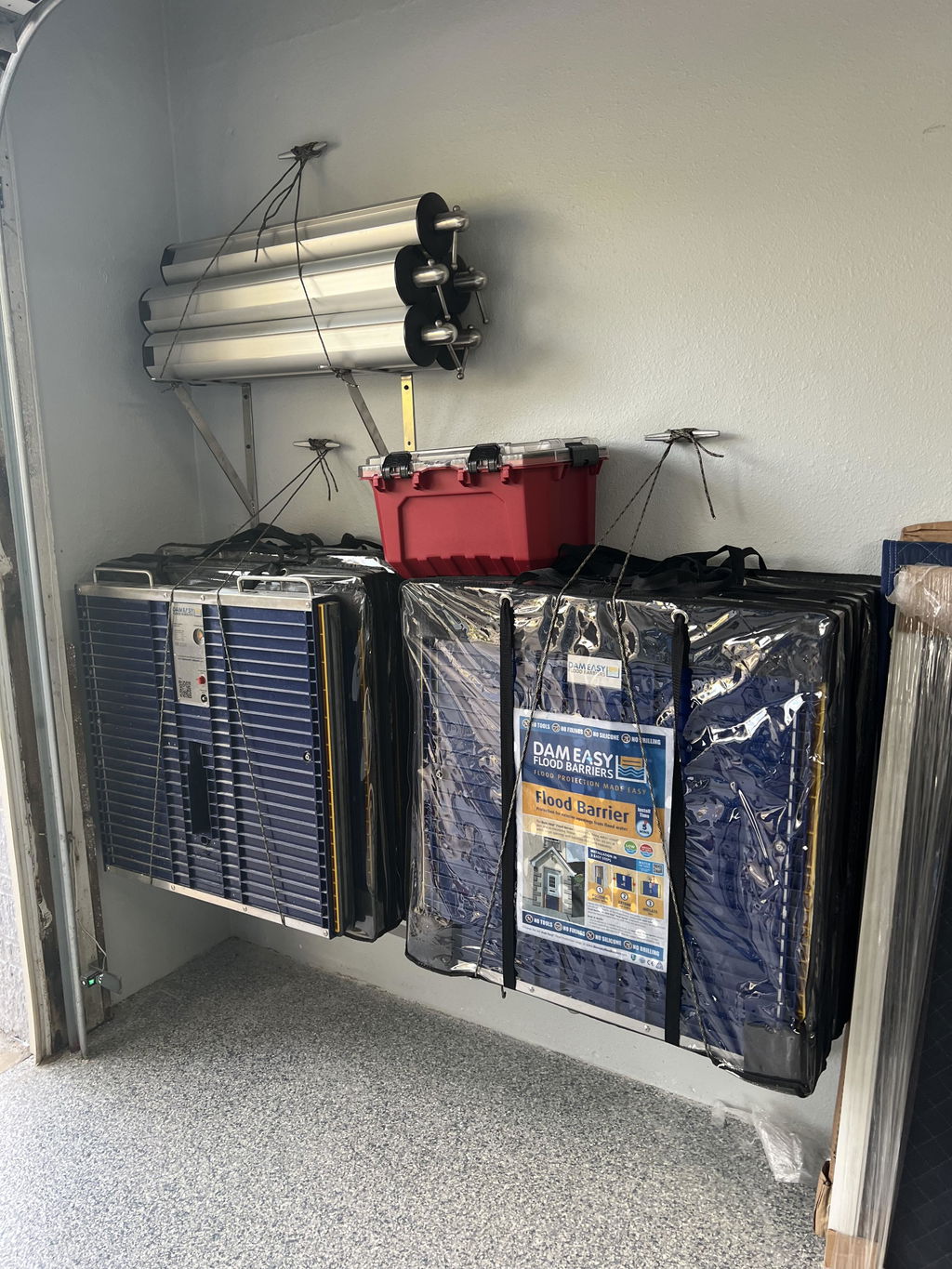
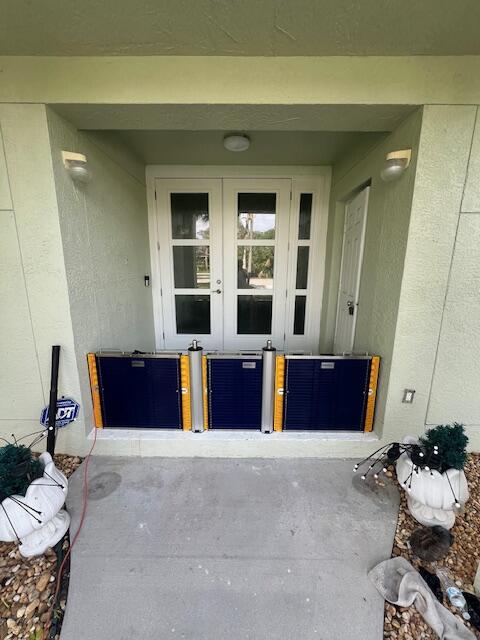
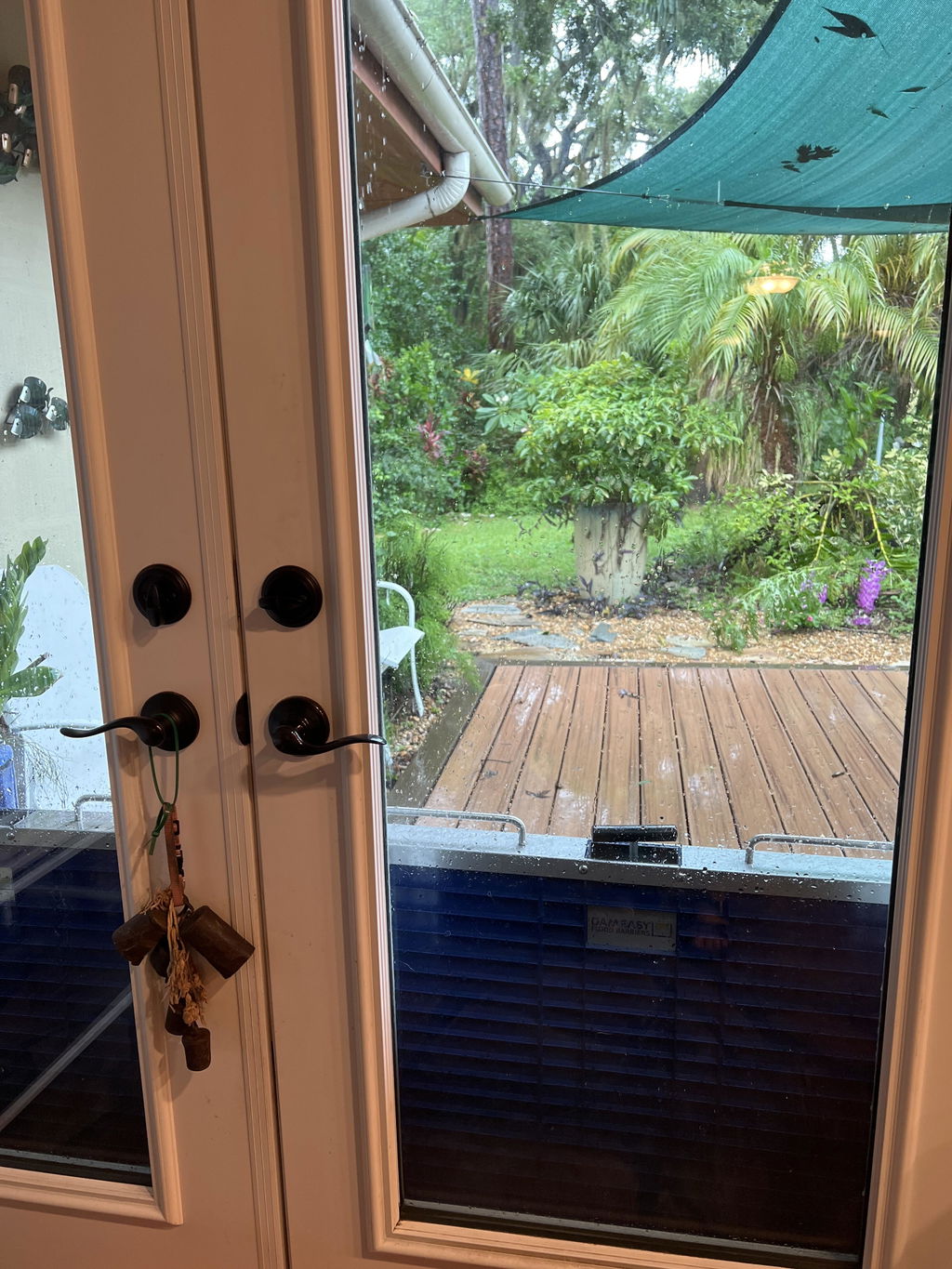
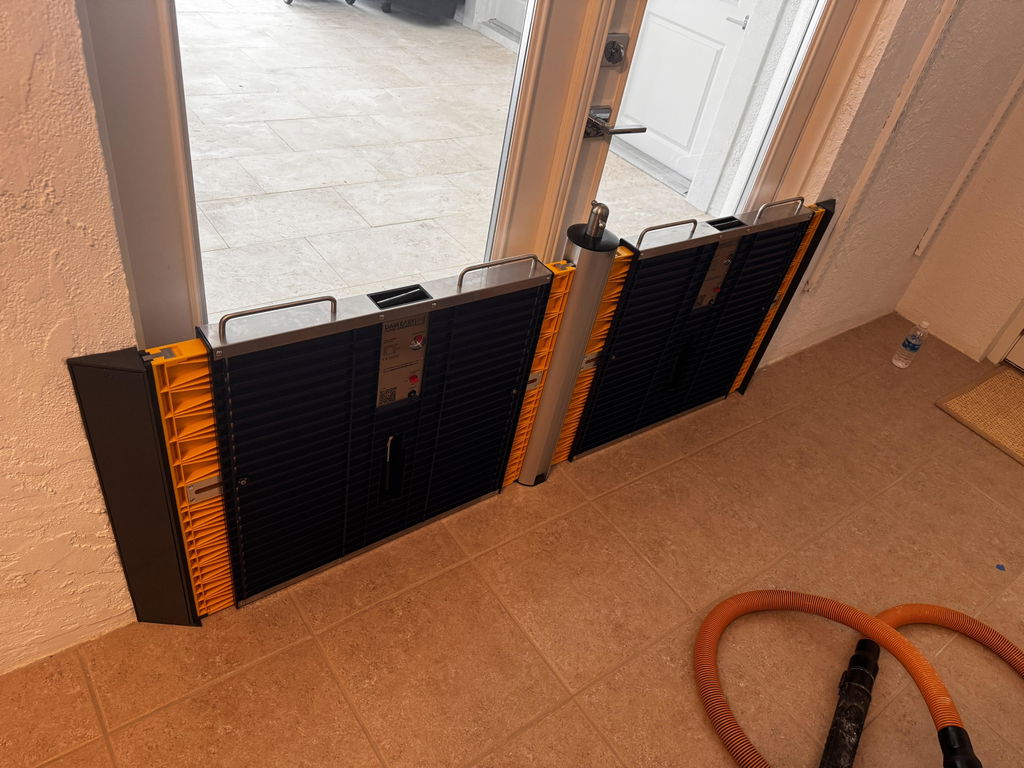
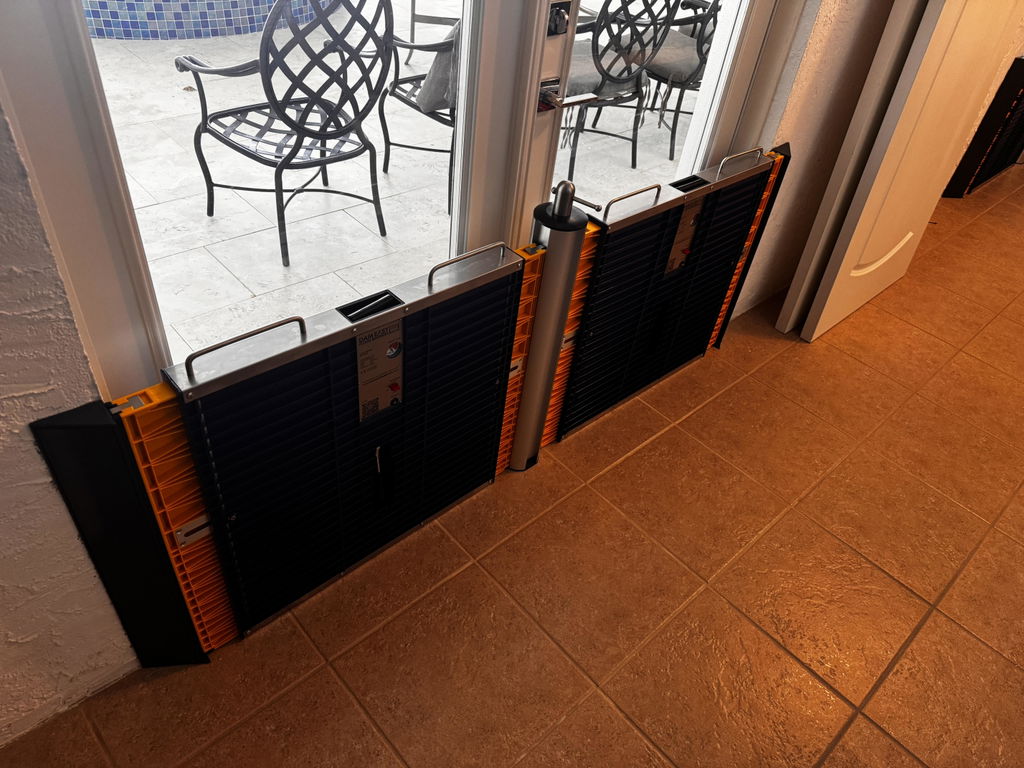
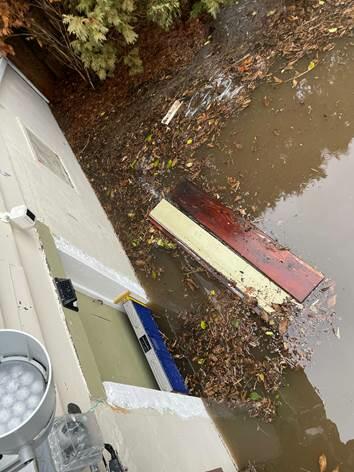
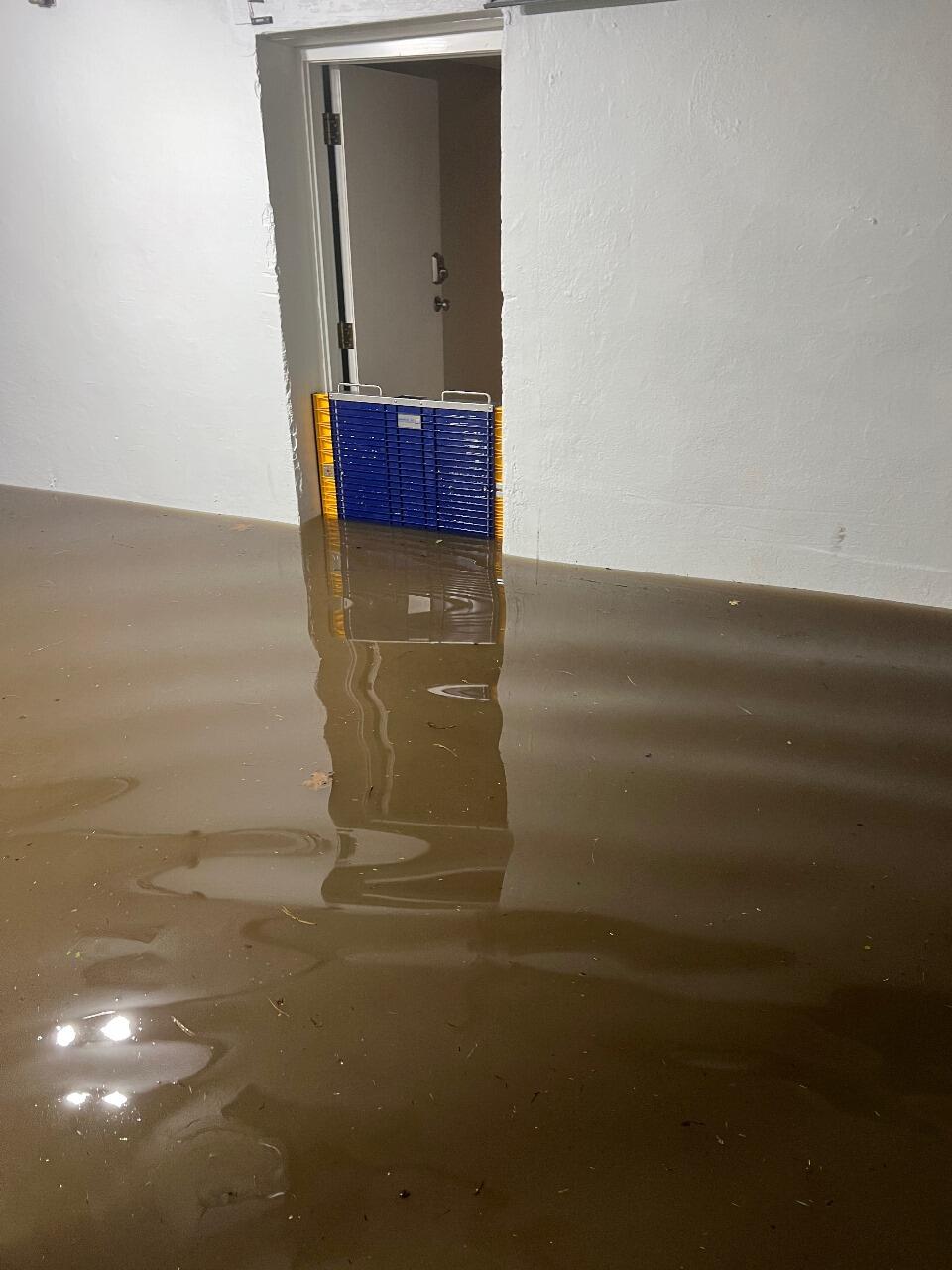
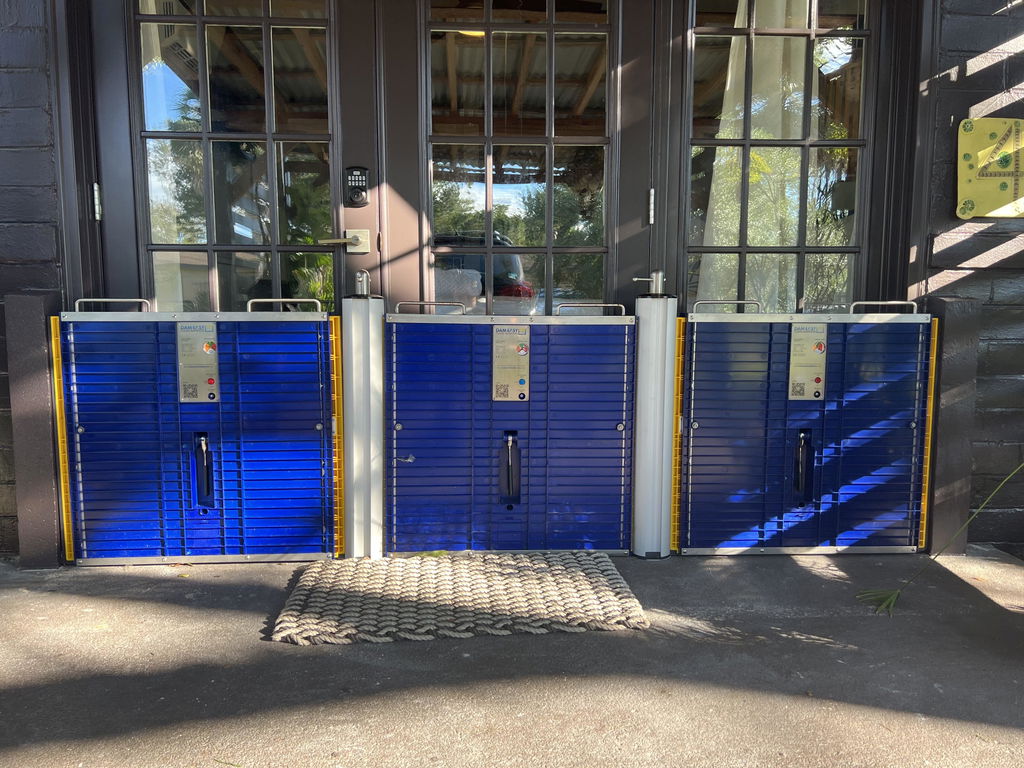
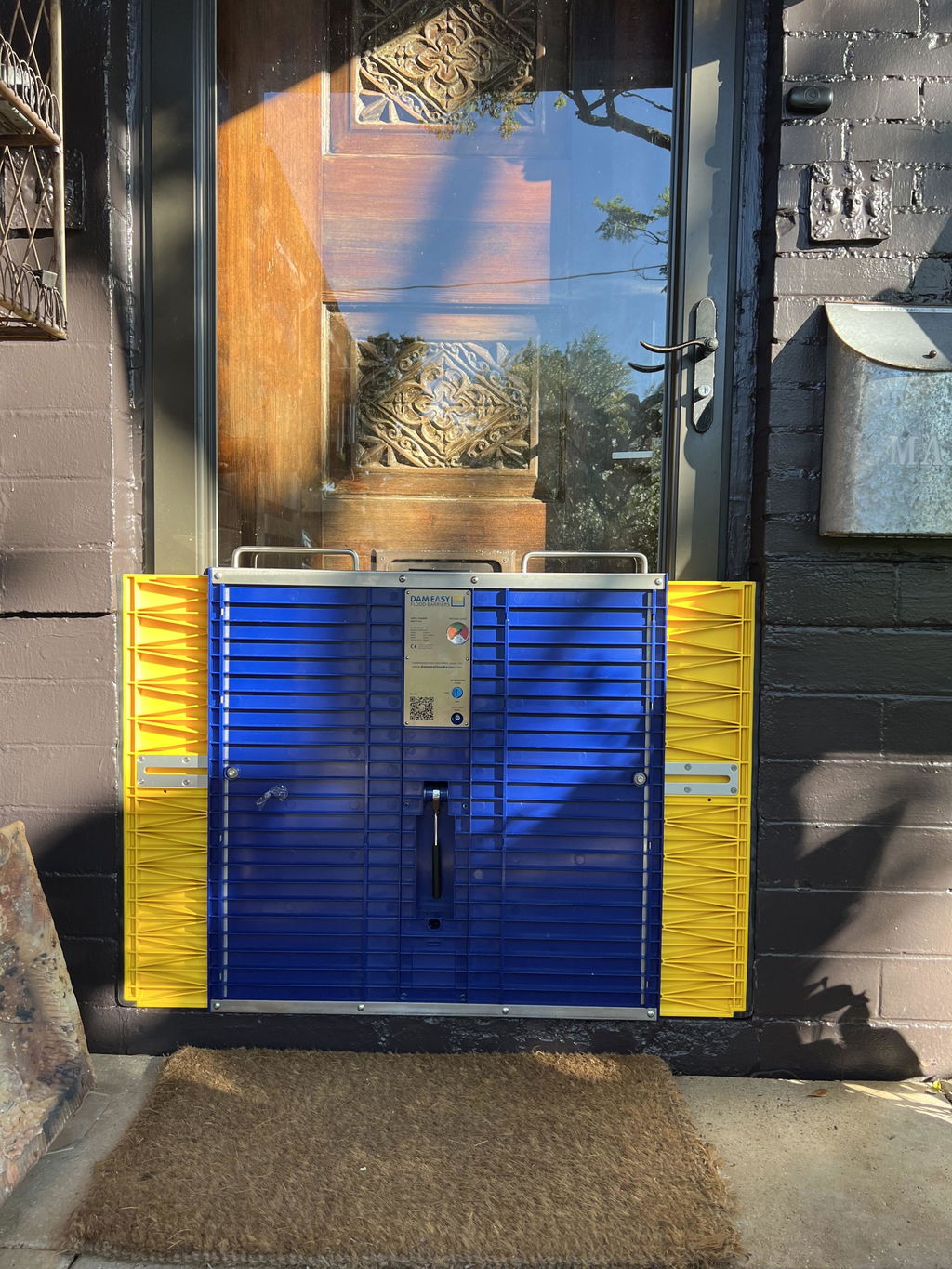
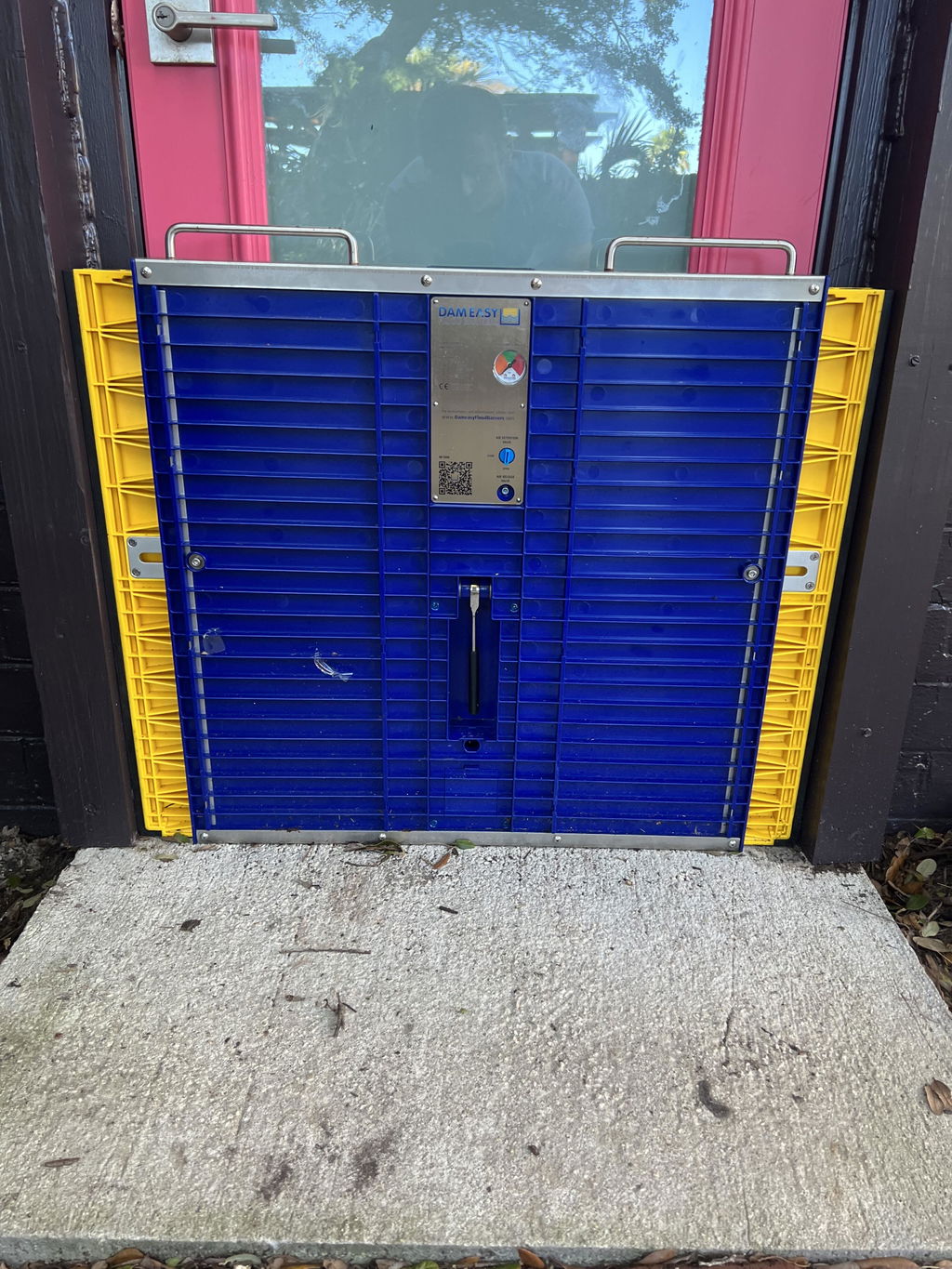
One of the best and fastest ways to protect your property from water damage is to use quick-setup flood barriers. Products like the Dam Easy Flood Barrier are designed to be installed in minutes in doorways or patio doors—even after an evacuation order is given—without tools. This rapid protection can stop the main entry of water, which might be the difference between a ruined home and one that only needs minor cleanup. If you have time before an evacuation, deploy these. If you are preparing for a potential evacuation, check your barriers now.
DamEasy防洪闸门坝 -终极防洪

$899.00
大坝容易®防洪闸门大坝 洪水在世界各地越来越普遍。曾经的百年现象,现在是房主必须面对的季节性趋势。 这正是为什么你需要这个大坝容易防洪闸门大坝! 作为重型和凌乱沙袋的一个很好的替代品,这个屏障提供了第一道防线,防止水进入你家的门窗。当洪水发生时,快速行动的能力至关重要。此防洪屏障可在 5 分钟内安装,为您提供可靠的防洪保护! 不要等到为时已晚。得到这个防洪屏障门坝,现在保护你的房子! … Read More
5. Step 4: Plan Your Evacuation Route and Check Road Closures
Knowing where you are going is just as important as knowing how to get there.
5A. Know Where You Are Going
Before you leave, decide on your destination. This could be:
A friend or relative’s house outside the flood zone.
An official emergency shelter. Listen to local news for the nearest open shelter.
A hotel outside the affected region.
Tell a family member or friend exactly where you are headed. Do not keep them guessing about your location once the evacuation is in place.
5B. Check Road Conditions and Road Closures
During a flood crisis, certain streets and highways will be blocked. Authorities will put up road closures to keep people safe. Do not rely on your usual driving route.
Always follow the advice of local police and traffic control. They know which road closures are in effect.
Never drive through standing water. It takes only six inches of moving water to sweep a person away and only 12 inches to float a car. You cannot tell how deep the water is, or if the road underneath is still there.
This preparation should happen before the actual evacuation. The moment you receive an evacuation order, you must move, so have your route planned.
6. Step 5: Dealing with Pets and Livestock
Your pets are family, but they require specific care during an evacuation.
Do not leave pets behind. Most shelters accept people but not pets (except service animals). Find out ahead of time which local shelters or hotels will take your animals.
Pack pet supplies. Include food, water, medicine, a leash, a carrier, and vaccination records for each animal.
Livestock. If you have farm animals in rural areas like Gippsland, Victoria, or Lancashire, UK, you must have a plan to move them to higher, safe ground. This process takes significant time, so this action needs to be completed long before the mandatory evacuation order.
7. Step 6: Follow the Evacuation Order (Leaving the Area)
When the emergency services say it is time to go, you must go. A mandatory evacuation order means your life is at risk if you stay.
7A. Final Home Checklist
Take a minute to do these final checks before you lock up:
Grab your Grab-and-Go Bag and any essential items.
Confirm the utilities (gas, electricity, water) are off.
Lock all doors and windows.
Tell someone you are leaving and what your route is.
Place a note on the front door letting rescue services know that the house has been evacuated.
7B. Traffic and Driving
Expect traffic jams and road closures along evacuation routes. Be patient. Drive slowly and carefully. Pay close attention to the radio for updates on road closures or changes to the evacuation order. Remember, getting out safely is the only goal. Do not try to take shortcuts that might lead you into floodwaters.
8. Step 7: During the Evacuation (Staying Safe)
You have followed the evacuation order and reached safety. Now, the key is to stay informed.
Listen to Local News: Use your battery-powered radio or charged phone to listen to official updates. They will tell you when the floodwaters have peaked, what areas are safe, and when the evacuation order is likely to be lifted.
Shelter Rules: If you are in an official shelter, follow all the rules set by the staff. Shelters can be crowded, but everyone is there for the same reason: safety.
Avoid the Flood Zone: Even if the rain stops, do not try to go back home until the evacuation order is officially cancelled by the authorities. Floodwaters can hide dangers like downed power lines, sharp debris, and sewer backups.
The official evacuation order is in place until the government says it is safe to return.
9. Step 8: Returning Home (Post-Flood Safety)
The all-clear is given, and the evacuation order is lifted. You are ready to go back. Be careful. Your home may look the same, but new risks exist.
Safety First: When you first enter your property, be aware of damage to the structure. Watch out for sagging ceilings or floors.
Check Utilities: Do not turn on your electricity or gas until they have been checked by a professional.
Document Damage: Take pictures and videos of all flood damage before you start to clean up. This is crucial for your insurance claim.
Cleanup: Wear protective gear like gloves and boots. Floodwater is often contaminated. Start drying out your home quickly to prevent mold.
Consult Local Guidance: After a widespread evacuation order, local authorities in areas like the Northern Rivers in NSW or Houston, Texas, will often provide specific guidance on waste disposal and assistance programs.
10. Conclusion: Prepare Today for Tomorrow's Evacuation Order
No one likes to think about leaving their home, but an evacuation order is issued to save lives. It is the final warning. The most effective step you can take right now is to prepare.
Check your insurance. Pack your emergency bag. Plan your route. And for the best property protection, install reliable flood protection like Dam Easy Flood Barriers before the next flood warning is even issued. Preparation turns panic into a plan. Don’t wait for the next evacuation. Start protecting your family and your property today.
Knowing your plan makes acting on an evacuation faster and safer. Having protection in place before an evacuation order is the best defense. Listen to the local radio for updates on any evacuation. Always follow the rules of an evacuation. If an evacuation order is issued, leave. An evacuation order must be taken seriously. Your life is worth more than your belongings when an evacuation order is in effect. If the area is under a mandatory evacuation order, you are in danger. Heeding an evacuation order is critical. You must be safe when the evacuation order comes. The moment an evacuation is declared, move.
FAQs
What does it mean when an evacuation order is issued?
An evacuation order is a mandatory directive from local authorities (like the police or emergency services) telling you to leave a specific area immediately due to an imminent, life-threatening danger, such as rising floodwaters. Ignoring an evacuation order puts you and first responders at risk.
What are the key steps I should take immediately after hearing a mandatory evacuation order?
The three immediate steps are:
Grab your Go-Bag: Take your pre-packed emergency kit with documents, medicine, and water.
Turn off utilities: Shut off your main gas and electricity supply if it is safe to do so.
Leave immediately: Follow official evacuation routes and do not delay.
How do I secure my home before a flood evacuation?
Before a full evacuation, move valuables to a high floor or elevated surface. If you have quick-deploy flood protection, like Dam Easy Flood Barriers, install them in doorways to block entry points and reduce water damage. Turn off power and gas at the main source.
What is the difference between a flood warning and an evacuation order?
A flood warning means flooding is imminent or already occurring, and you must take immediate safety precautions and prepare to evacuate. An evacuation order is the final, mandatory command to leave the area because your life is in immediate danger.
Where can I find information about road closures and safe evacuation routes?
Always listen to your local emergency radio station (like NOAA in the USA, ABC in Australia, or BBC in the UK) and follow official traffic signs. Authorities will mark road closures and direct you along designated evacuation routes, which may not be your normal route.
Is it safe to drive through water during an evacuation?
Absolutely not. You should never drive through floodwaters. It takes only 12 inches (30 cm) of moving water to float and sweep away most cars. Follow official road closures and remember the safety message: "Turn Around, Don't Drown."
When is it safe to return home after an evacuation order is lifted?
Only return home once local authorities have officially announced that the evacuation order has been cancelled and the area is safe. Floodwaters can hide dangers like downed power lines and structural damage even after they recede.