Table of Contents
A flood barrier is your first line of defense when the skies open up and the waters begin to rise. As winter approaches, the weather becomes unpredictable. In the United Kingdom, residents in Shrewsbury or York know that winter often brings heavy rains and swollen rivers. In the United States, homeowners in Houston, Texas, or Charleston, South Carolina, face the threat of flash floods from winter storms. Meanwhile, in Australia, property owners in Lismore or the Hawkesbury River region must stay alert for sudden seasonal surges.
When severe weather hits, you don't want to find out that your equipment is broken or dirty. If your flood gate fails because of ice, debris, or a dry seal, your home could face thousands of dollars in water damage.
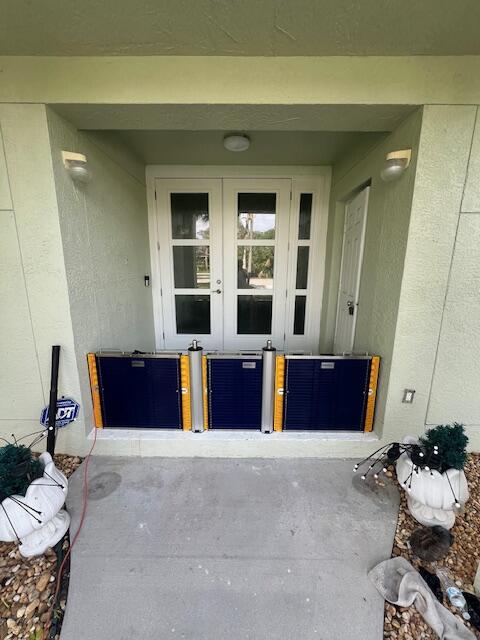
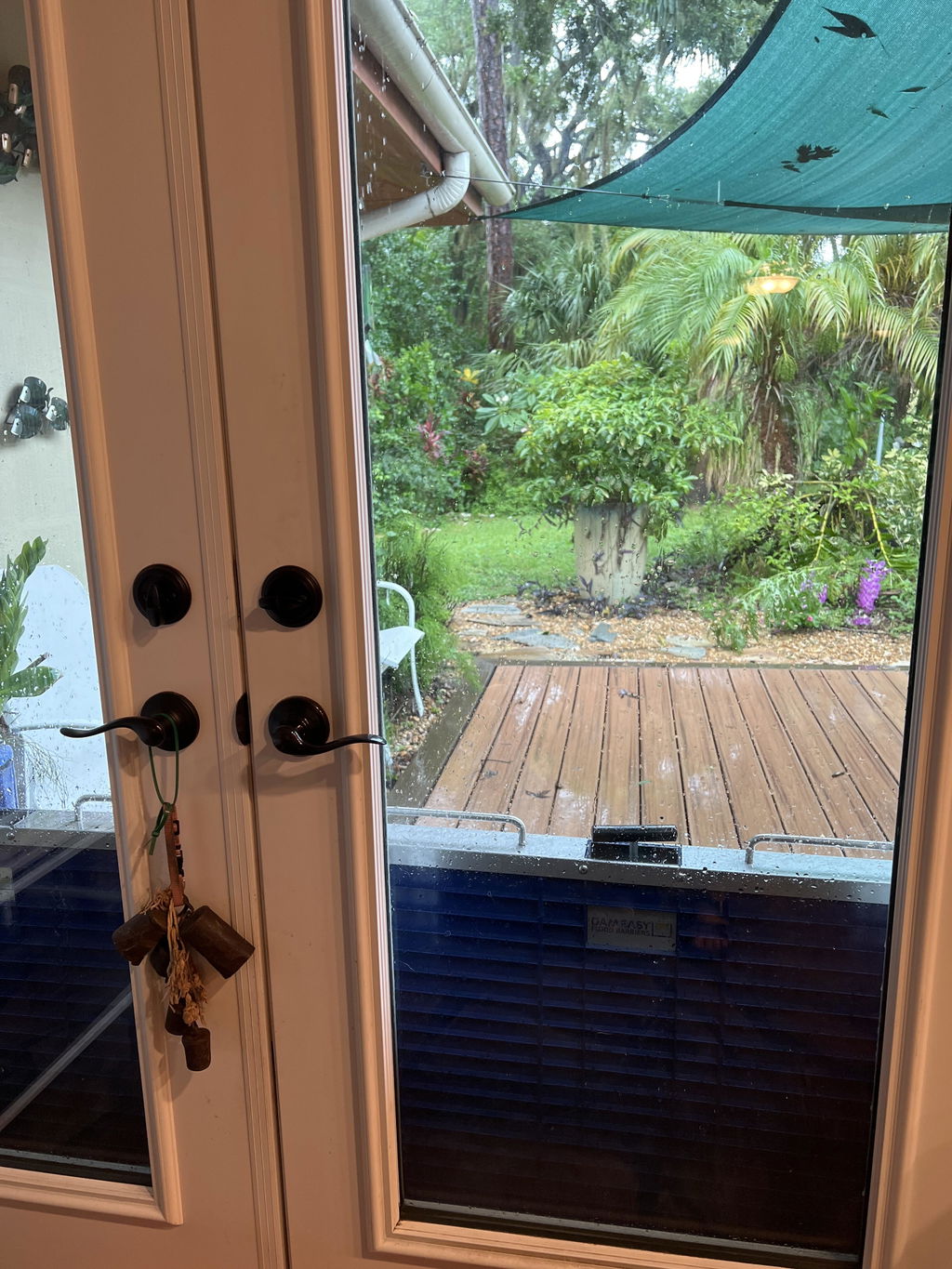
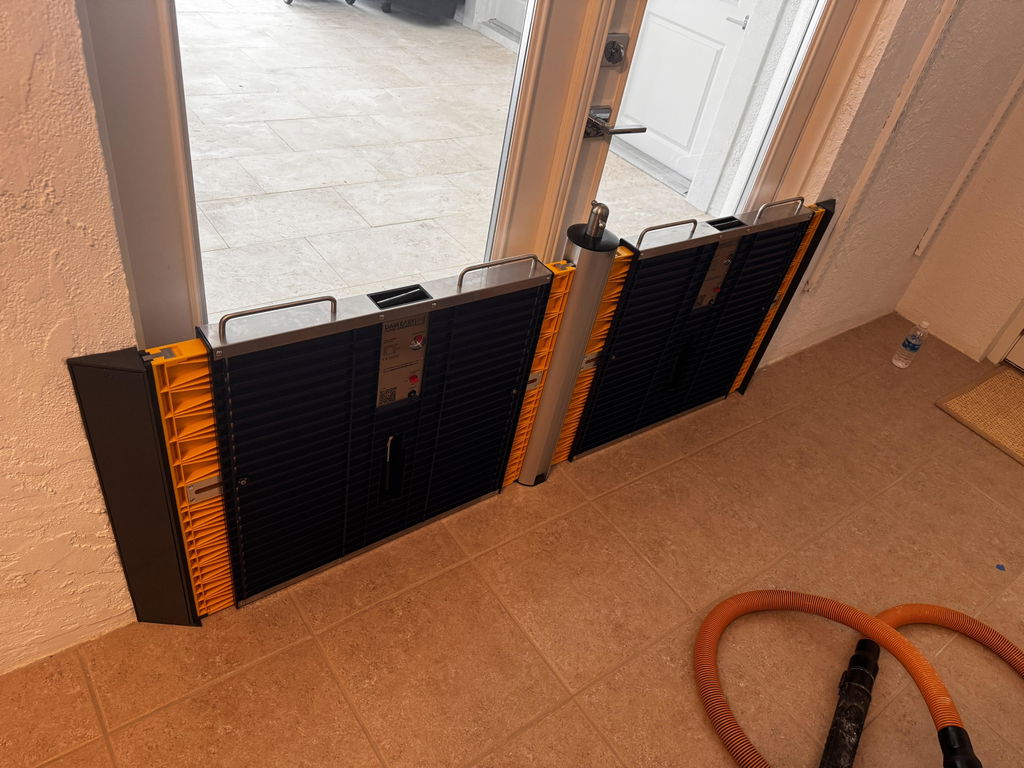
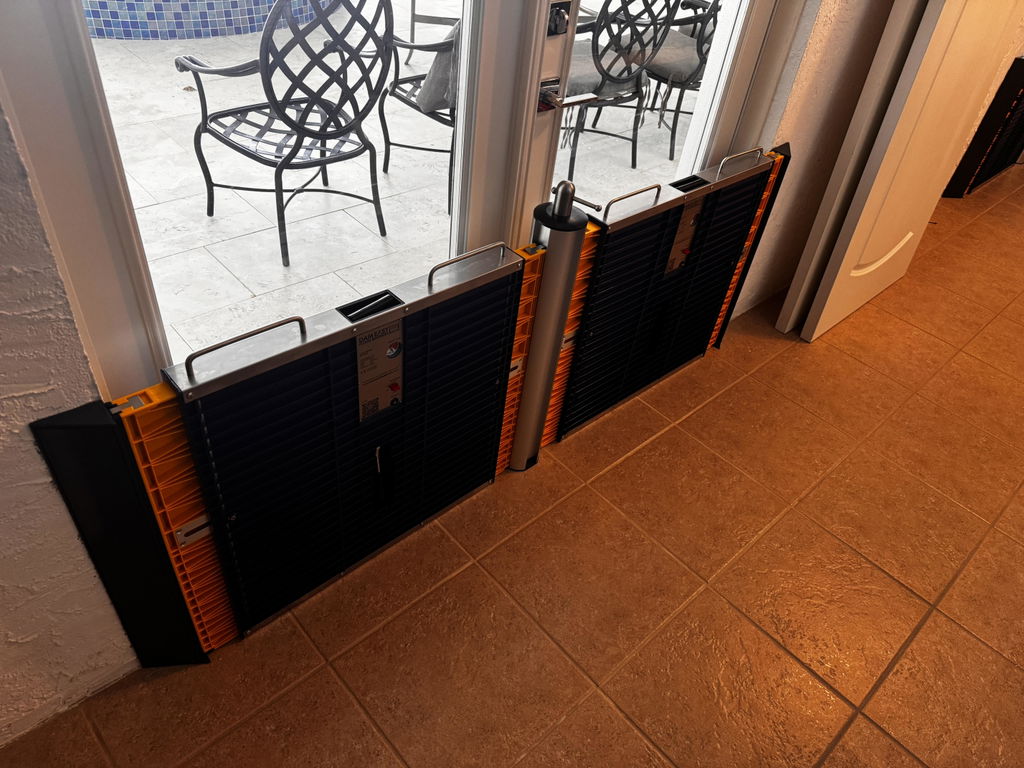
The Dam Easy Team has put together this guide to help you protect your property. Here are five simple steps to ensure your flood barrier installation is ready for the cold months ahead.
1. Inspect Your Barrier for Wear and Tear
Before the first frost hits, you need to take your flood barrier out of storage and look at it closely. Over time, even the strongest materials can wear down.
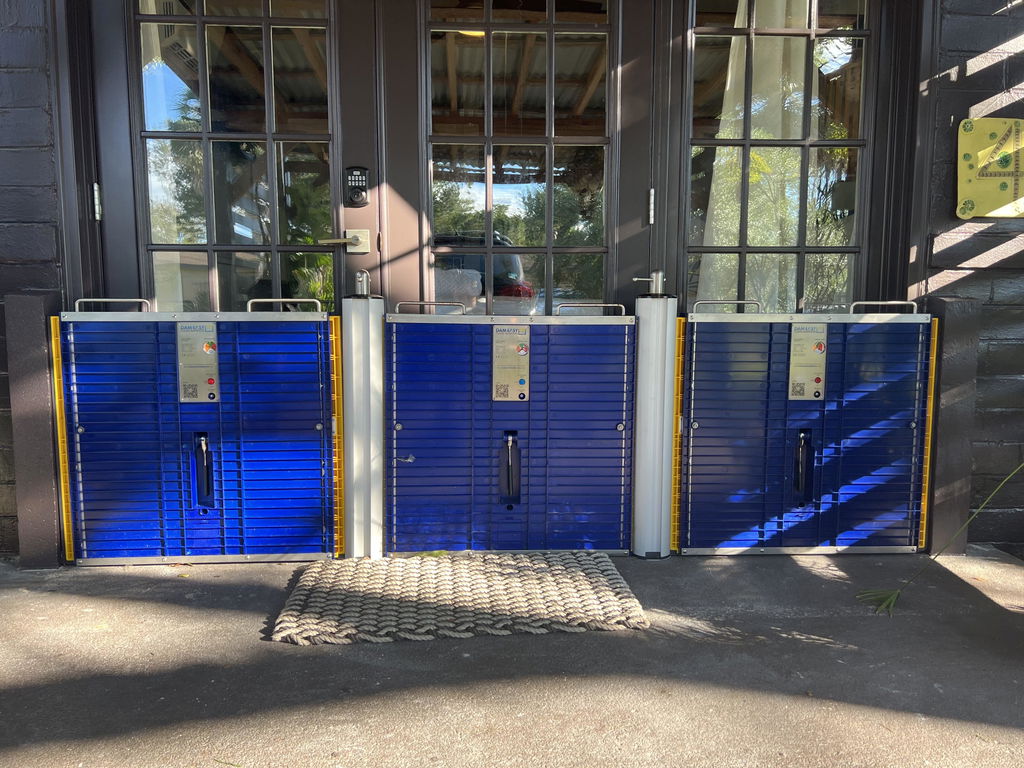
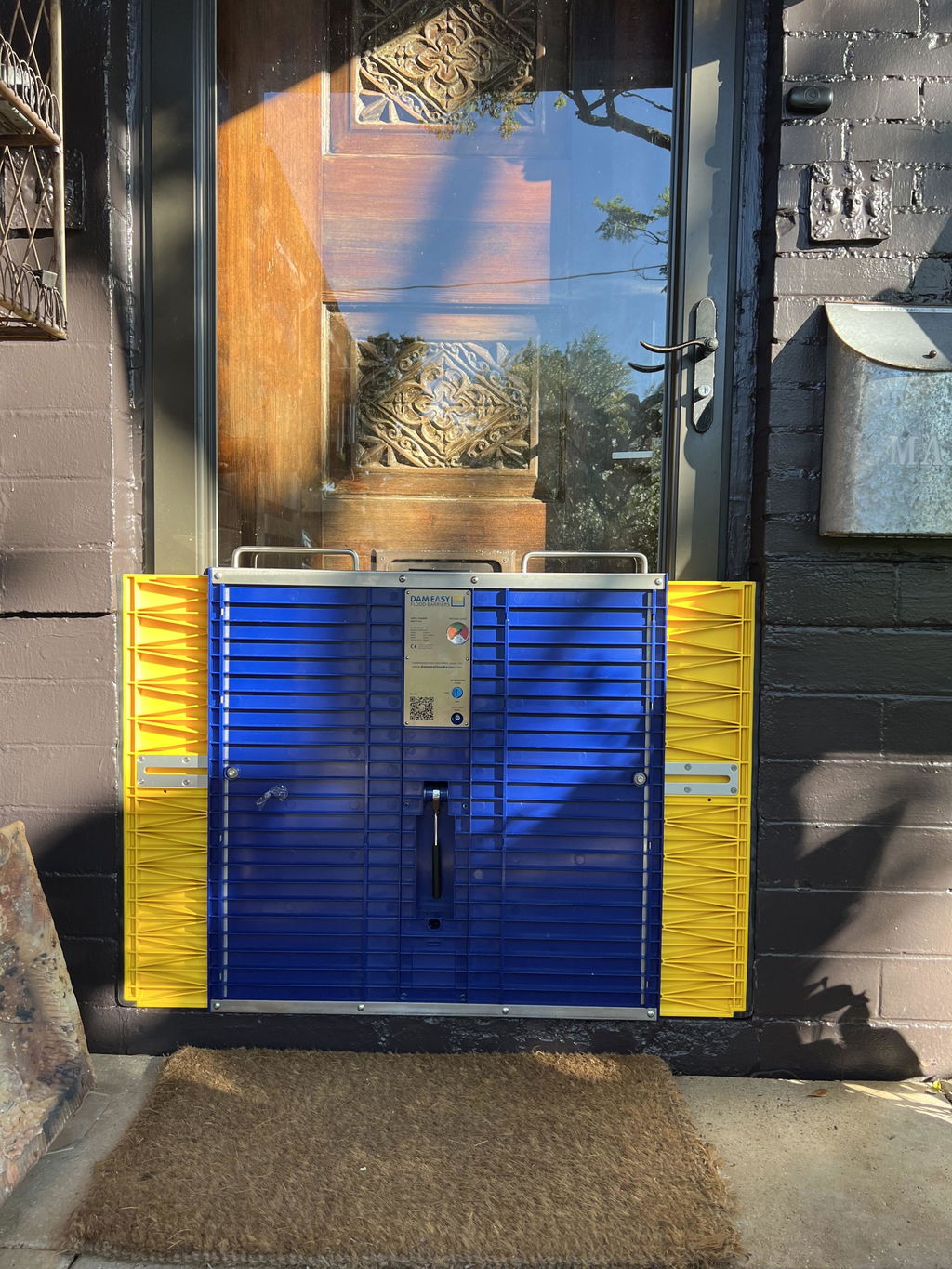
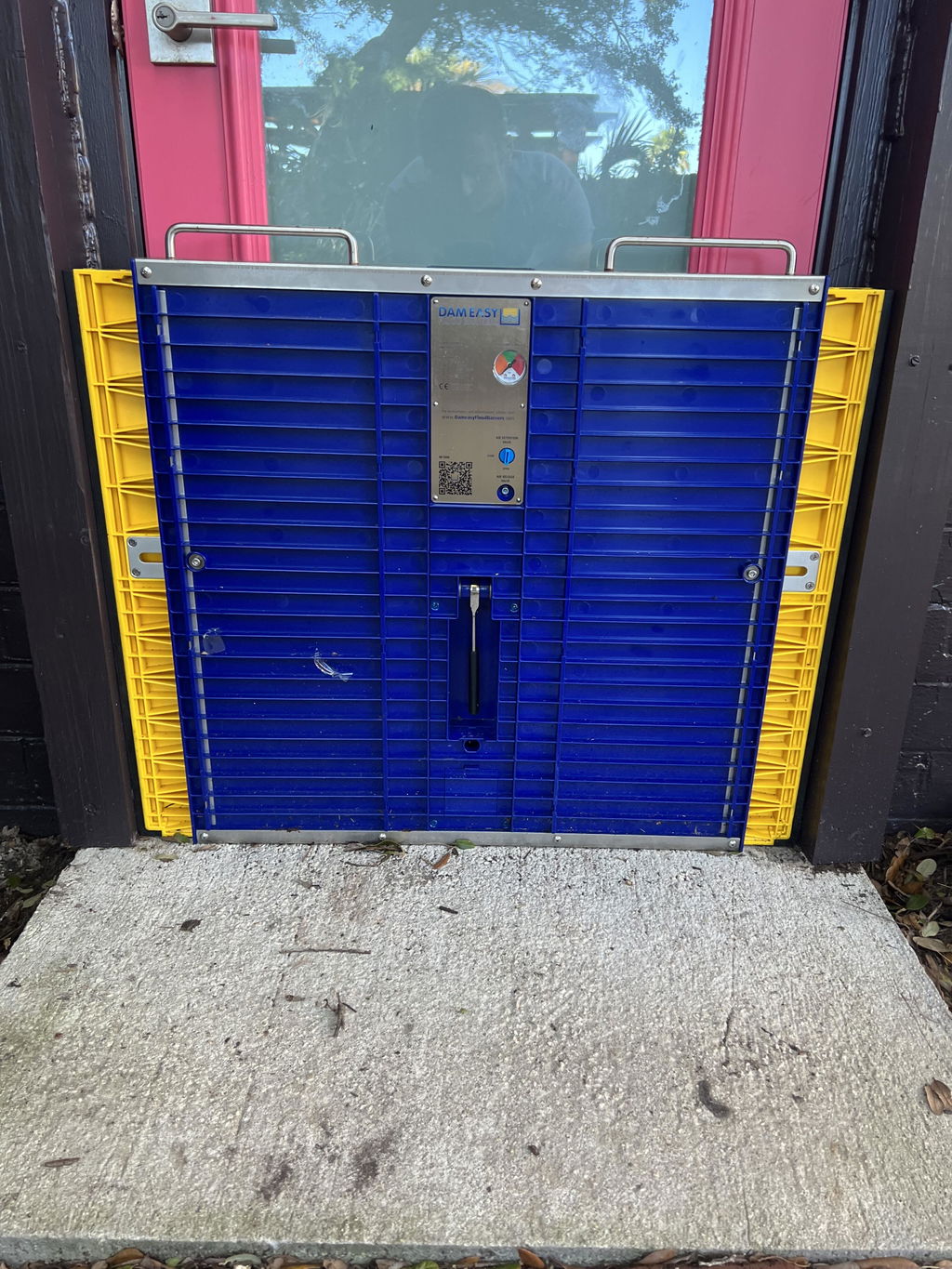
Check the main body of the barrier for any cracks or dents. If you use a flood gate that expands, make sure the moving parts still slide smoothly. In places like Norfolk, UK, or Miami, Florida, salt air can sometimes cause metal parts to corrode faster.
DamEasy防洪闸门坝 -终极防洪

$899.00
大坝容易®防洪闸门大坝 洪水在世界各地越来越普遍。曾经的百年现象,现在是房主必须面对的季节性趋势。 这正是为什么你需要这个大坝容易防洪闸门大坝! 作为重型和凌乱沙袋的一个很好的替代品,这个屏障提供了第一道防线,防止水进入你家的门窗。当洪水发生时,快速行动的能力至关重要。此防洪屏障可在 5 分钟内安装,为您提供可靠的防洪保护! 不要等到为时已晚。得到这个防洪屏障门坝,现在保护你的房子! … Read More
Look specifically at the "skin" or the outer surface of the barrier. If there are holes or deep scratches, water can seep through. It is much easier to fix a small issue in November than to deal with a flooded living room in January.
2. Check the Rubber Seals
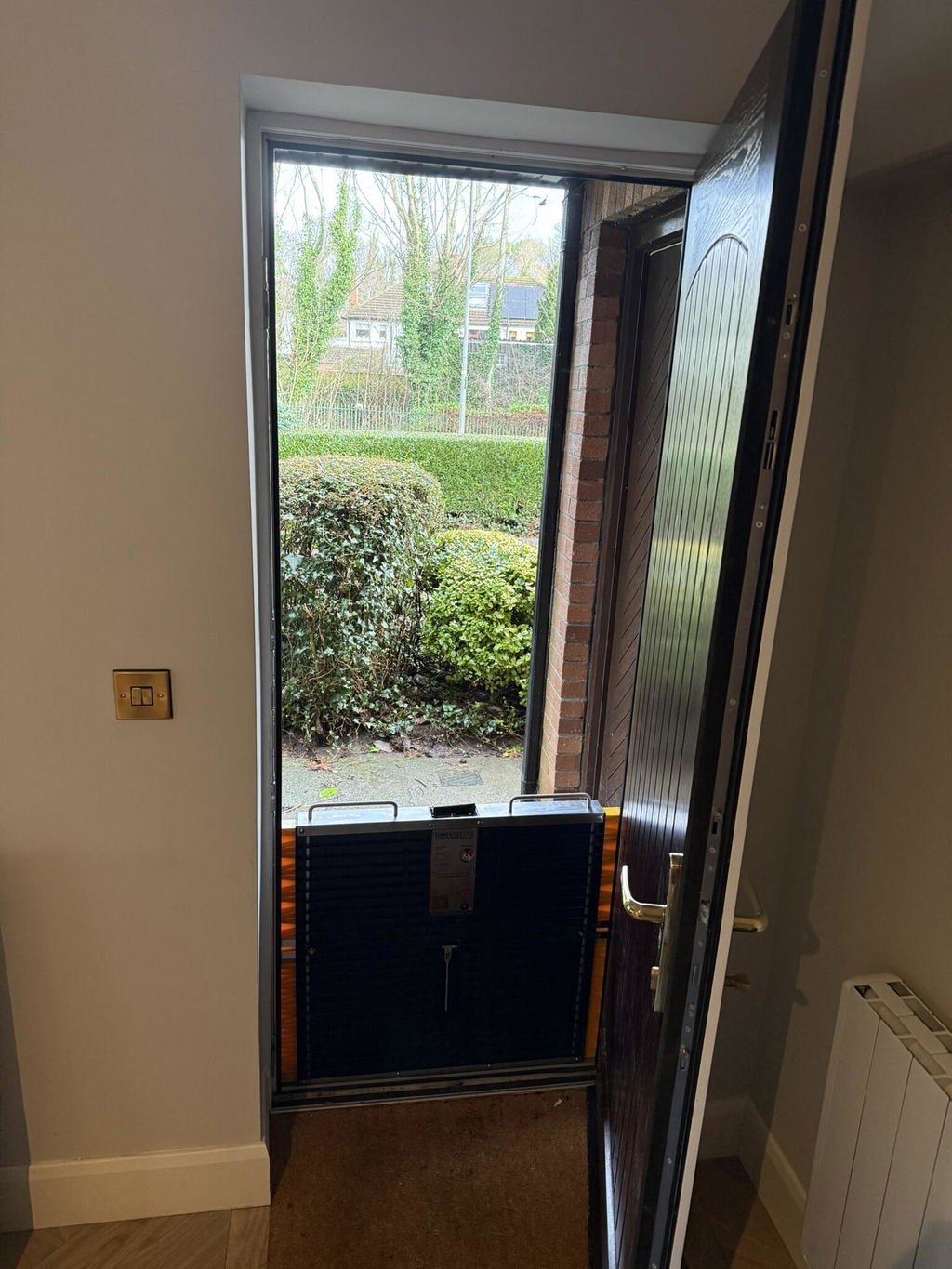
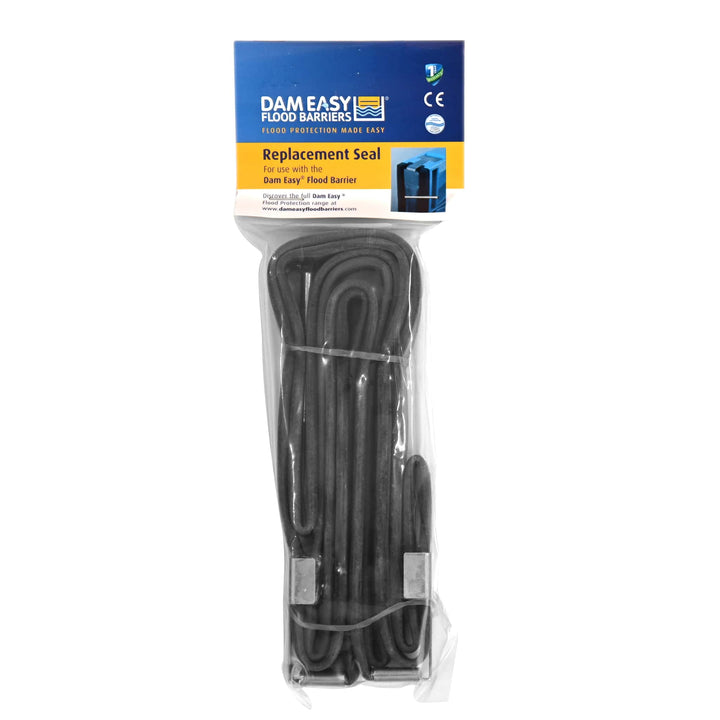
The most important part of any flood barrier installation is the seal. This is the rubber strip that touches your door frame or walls. It creates the "watertight" lock that keeps the river out of your hallway.
Winter is hard on rubber. Cold air can make rubber brittle and prone to cracking. If the seal is dry and hard, it won't squash down to plug the gaps.
How to test your seals:
- Run your finger along the rubber. It should feel soft and flexible.
- Look for "dry rot," which looks like tiny cracks on the surface.
- If the seal is dirty, wipe it down with warm soapy water.
- Avoid using harsh chemicals that might eat away at the rubber.
If you live in a very cold area, like Buffalo, New York, or parts of Scotland, the freezing temperatures can cause the rubber to shrink. Checking this now ensures your home stays dry later.
3. Clear the Installation Area
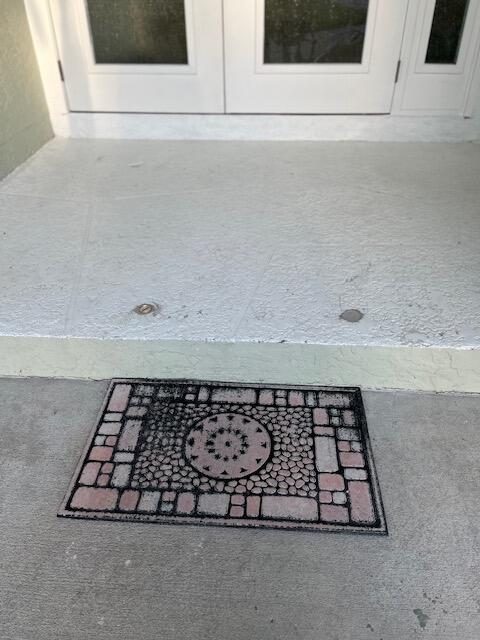
Your flood barrier is only as good as the surface it sits on. If there is dirt, gravel, or ice where the barrier meets the ground, water will find a way under it.
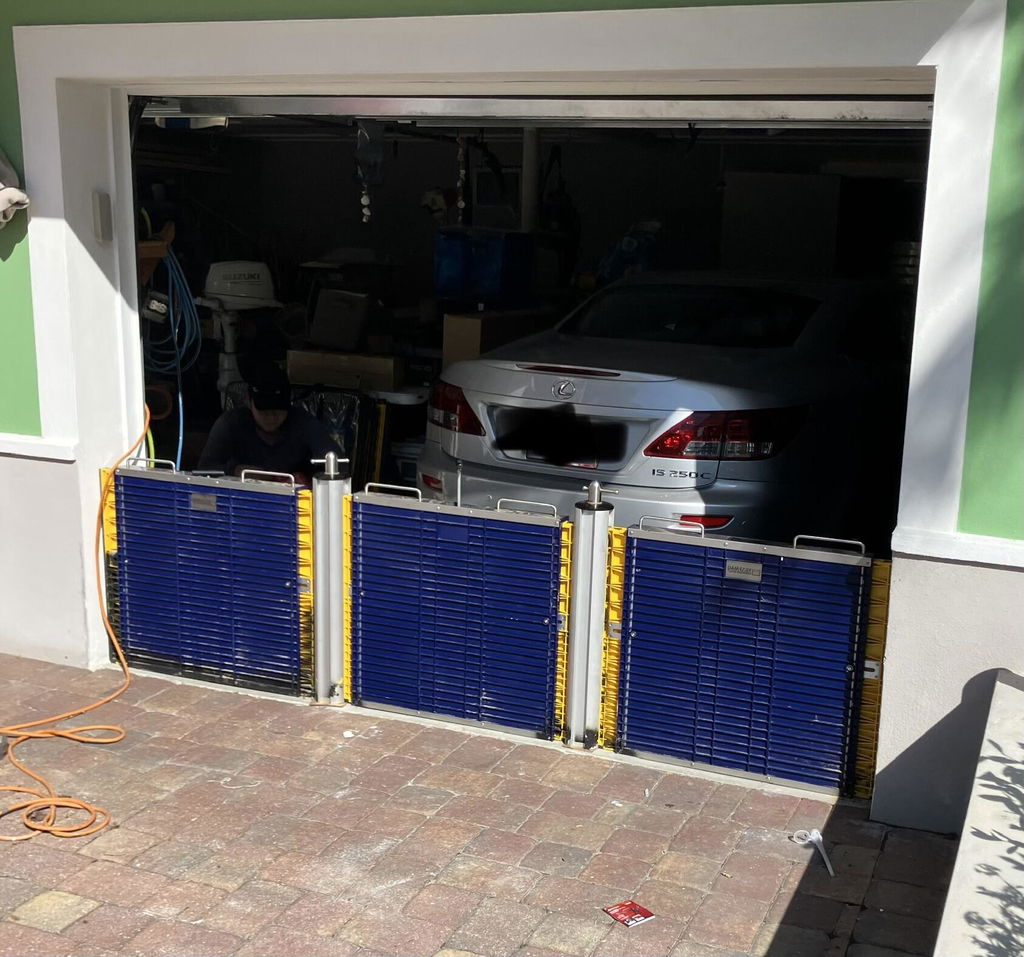
Go outside and look at your doorways or garage entrances. In the fall, leaves often get stuck in the tracks or against the door frame. If these leaves rot and freeze, they create an uneven surface.
For residents in Brisbane, Australia, summer storms can wash silt and mud into the tracks of a flood gate. For those in the UK, moss and algae can grow in damp corners. Use a stiff brush to scrub the area where the barrier will be placed. Make sure the ground is flat and clean. This ensures that when severe weather arrives, you can put your barrier in place in seconds without fighting with debris.
4. Practice a Dry Run (The Installation Test)
Never wait for the rain to start before you try to install your barrier. During a storm, stress levels are high, the wind is blowing, and it might be dark outside. That is the worst time to realize you lost a bolt or forgot how the pump works.
- Set aside 20 minutes this weekend to perform a full flood barrier installation.
- Bring the barrier to the door.
- Set it in place according to the manual.
- If it uses a pneumatic (air) seal like the Dam Easy models, pump it up to the correct pressure.
- Check that it feels "tight" against the walls.
If you have a flood gate that requires tools, make sure those tools are kept in a bag attached to the barrier. If you live in a flood-prone spot like New Orleans or Somerset, speed is everything. A dry run helps you move faster when the real emergency happens.
5. Store Your Equipment Correctly
When you aren't using your flood barrier, where does it live? Many people throw their barriers in a garden shed or a damp basement. This can lead to problems.
To keep your gear winter-ready:
- Keep it out of direct sunlight: UV rays can damage the plastic and rubber parts over time.
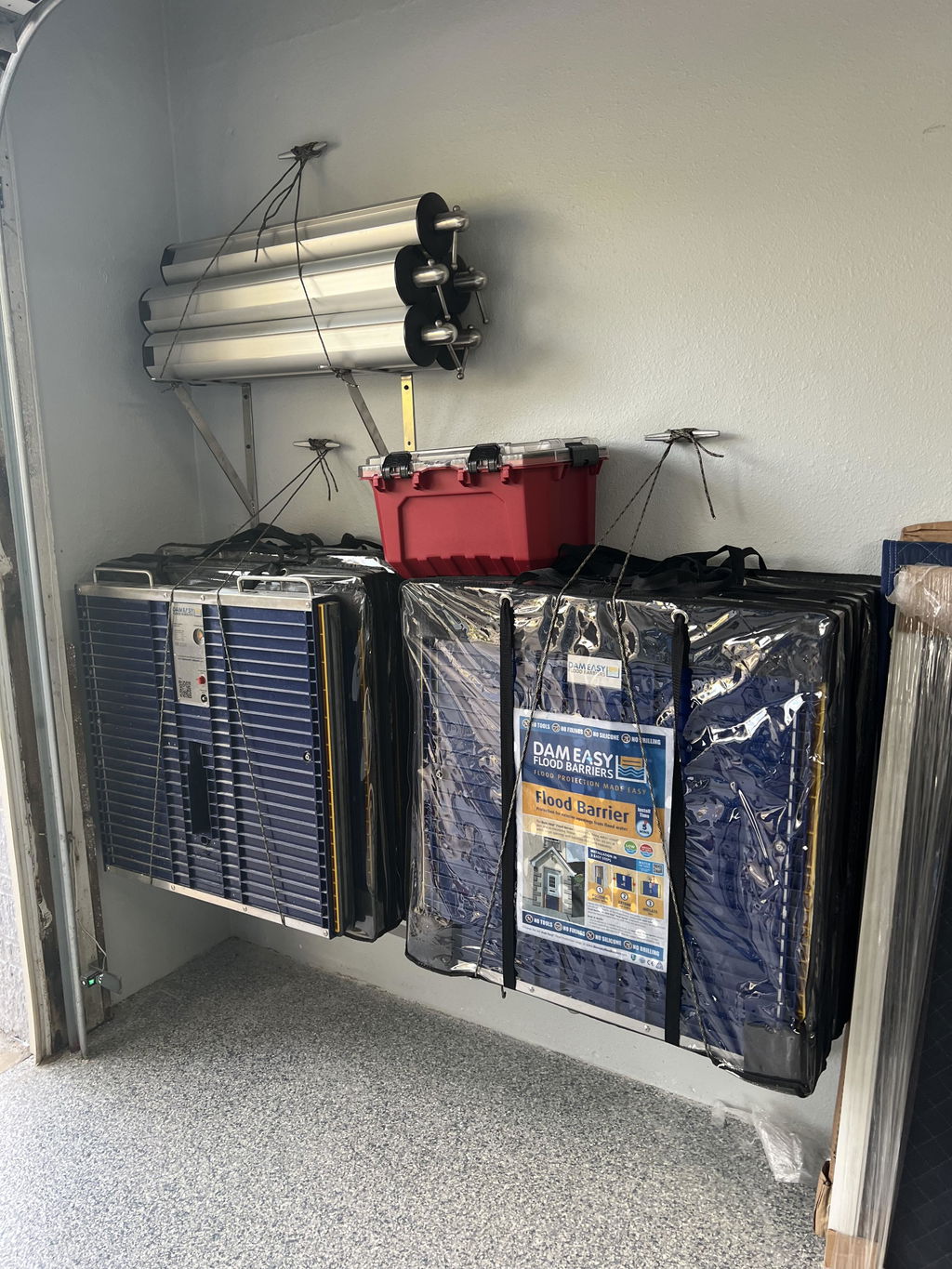
- Keep it off the floor: If possible, hang your barrier or store it on a shelf. This prevents rodents from chewing on the seals.
- Keep it accessible: Don't bury it under summer furniture or holiday decorations. If severe weather is predicted for your town, whether you are in Leeds or Sacramento, you need to be able to grab it in a hurry.
Why Preparation Matters
Floods are the most common and expensive natural disasters in the world. For homeowners in places like Western Sydney or the Mississippi River Valley, flooding isn't a matter of "if," but "when."
A flood barrier is an investment in your peace of mind. But like a car or a lawnmower, it needs a little bit of love to work perfectly. Taking these five steps ensures that your flood gate will hold back the water, keeping your floors dry and your family safe.
Don't let the winter catch you off guard. Check your seals, clean your doorway, and practice your flood barrier installation today.
Need a new barrier or replacement parts?
Visit our Dam Easy Product Collection
See how we help property owners around the world stay dry during severe weather. We ship to Australia, the USA, and the UK to help you protect what matters most.
FAQs
What is a flood barrier and how does it work?
A flood barrier is a removable or permanent shield designed to stop water from entering a building through doors, windows, or vents. Most barriers, like the Dam Easy system, use a rubber seal that expands against the door frame to create a watertight lock, preventing expensive water damage during severe weather.
How do I choose the right flood gate for my home?
To choose the right flood gate, measure the width of your door opening and consider the likely height of floodwaters in your area. Look for a barrier that is easy to install without special tools. Residents in flood-prone spots like Shrewsbury, UK, or Houston, USA, often prefer adjustable barriers that can fit different door sizes.
Is a professional flood barrier installation required?
No, a professional flood barrier installation is not always required. Many modern flood gates are designed for DIY use and can be set up by a homeowner in under five minutes. However, you should always test your barrier before a storm to ensure the seals are tight and the ground surface is clean.
Can a flood barrier protect my house from a flash flood?
Yes, a flood barrier is an effective tool for stopping flash floods from entering your home. Because flash floods happen quickly, it is best to use a barrier that can be deployed fast without needing to bolt anything into your walls. Practicing your installation ahead of time is key to staying safe.
How do I maintain my flood protection equipment for winter?
To keep your equipment winter-ready, inspect the rubber seals for cracks, clean the area around your door frame, and store the barrier in a dry, accessible place. In cold climates like Buffalo, New York, ensure the rubber remains flexible so it can create a proper seal when severe weather hits.