Table of Contents
Winter is here again, and for many homeowners in flood-prone areas, that means one thing: the annual battle against water intrusion. Your garage is often the first line of defense—and the first casualty. If you're searching for reliable flood protection for garage, you've come to the right place. From the storm-lashed coasts of Brisbane, QLD and Sydney, NSW, to the sodden towns of York, England and Welsh Valleys, Wales, and the hurricane-prone streets of Houston, TX and Miami, FL, water doesn't discriminate. This guide will walk you through five practical, effective ways to keep your garage dry and your belongings safe this winter.
Why Your Garage is a Flood Target
Your garage is uniquely vulnerable. It’s typically built at or slightly below the level of your driveway, making it a natural basin for water. The large garage door seal is rarely perfectly watertight, and water can seep through cracks in walls or floors. Winter adds melting snow, relentless rain, and frozen ground that can't absorb water, causing it to run right toward your home. Preventing a flood is far cheaper and less stressful than dealing with the damage afterward, which is why proactive flood protection for garage spaces is so critical.
1. Fortify the Front Line: Install a Garage Door Flood Seal
Your garage door is the biggest hole in your home’s envelope. Wind-driven rain and pooling water can easily sneak underneath or through the sides. A standard rubber threshold seal often isn't enough against serious water pressure.
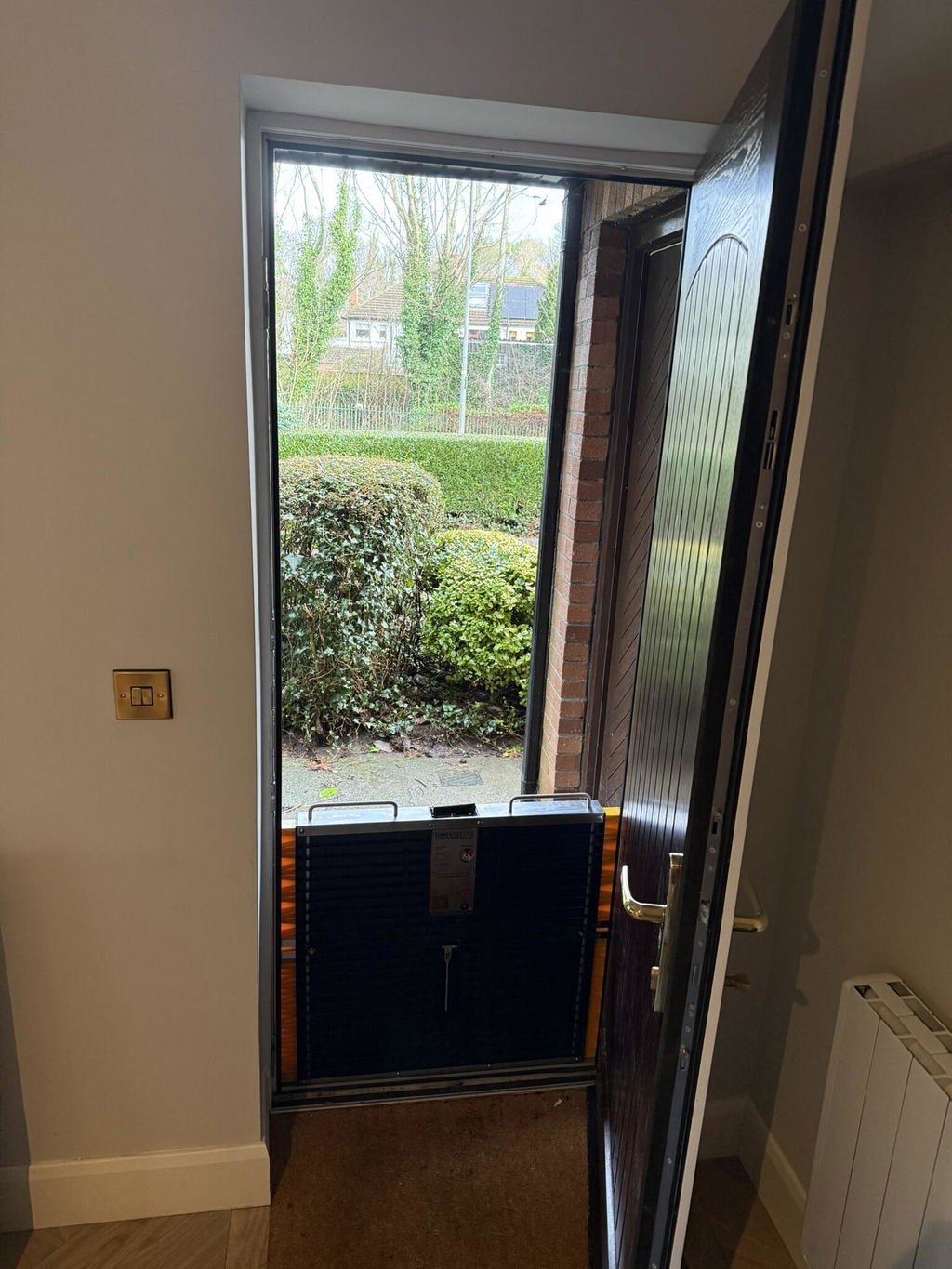
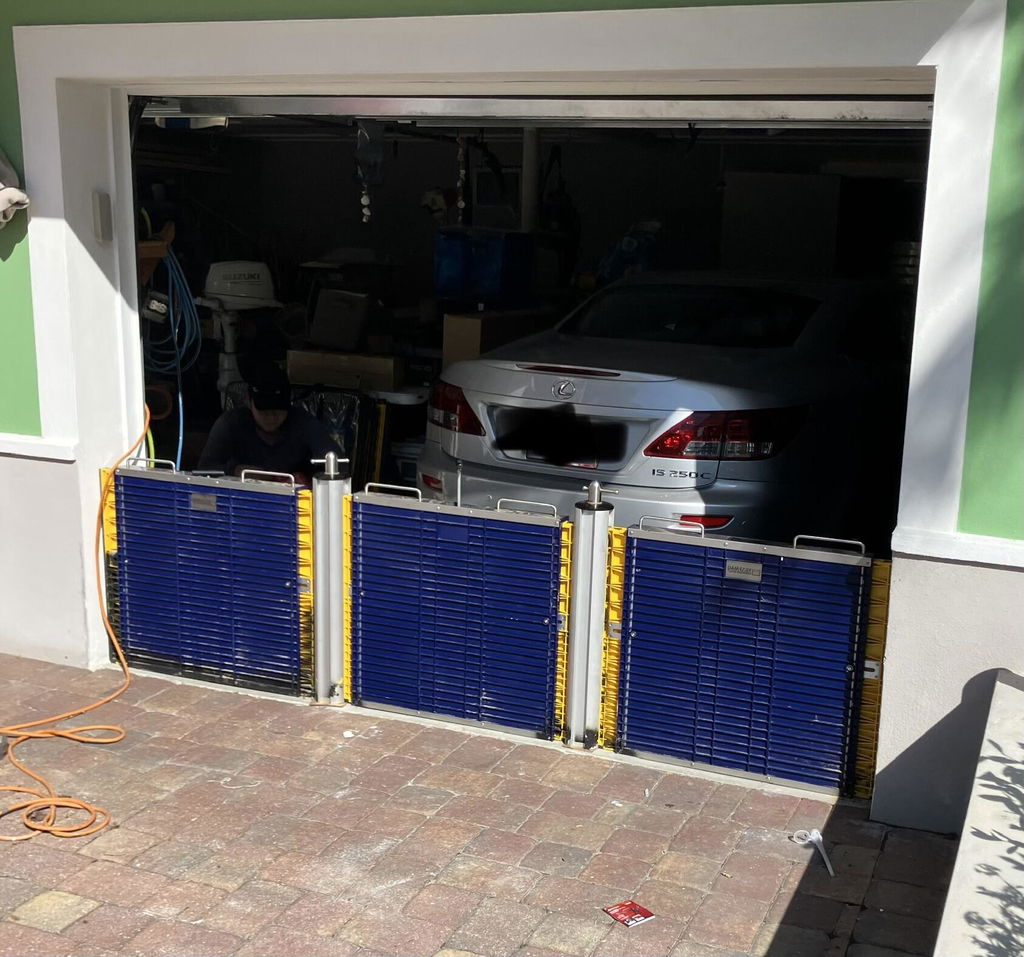
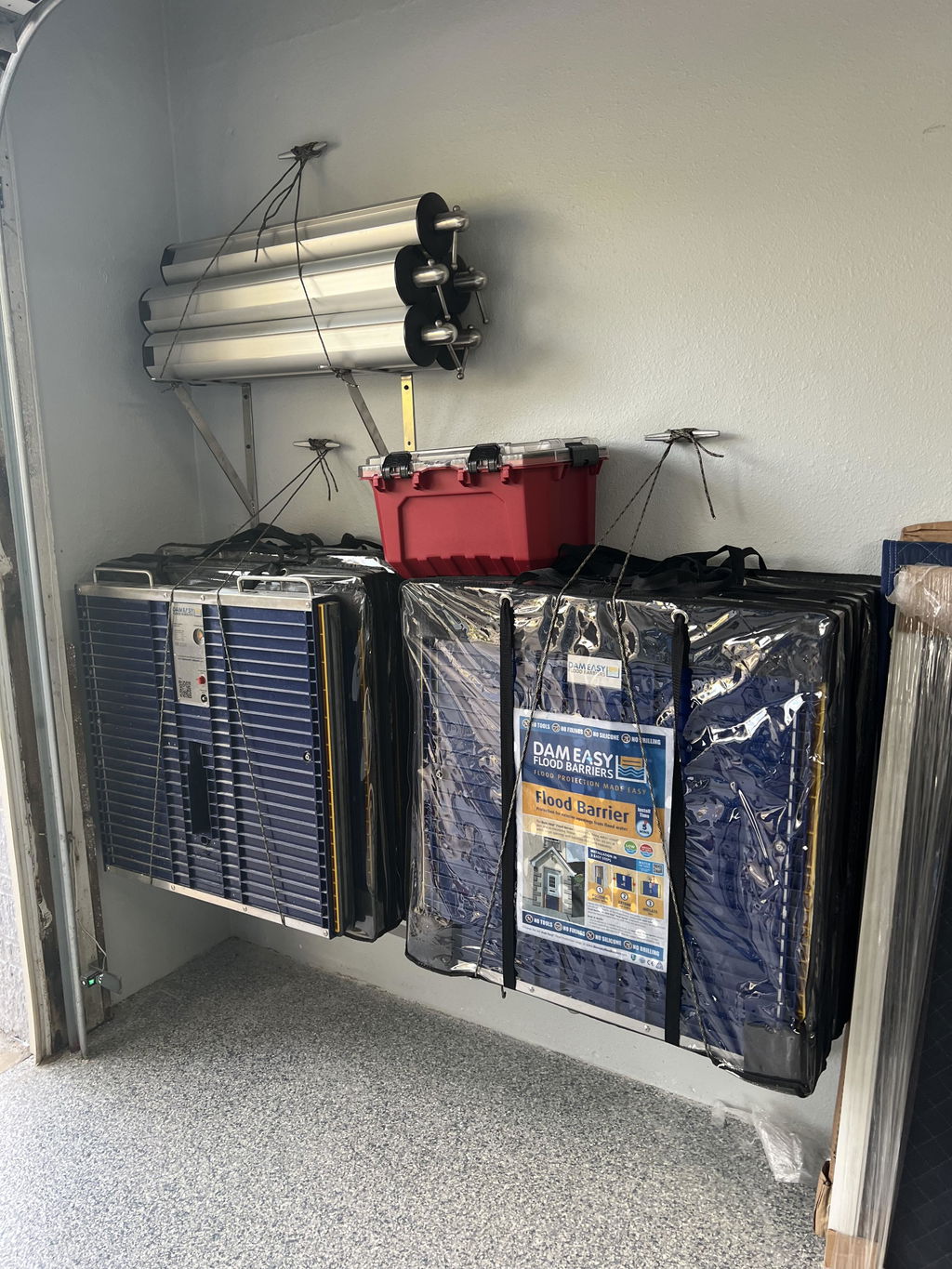
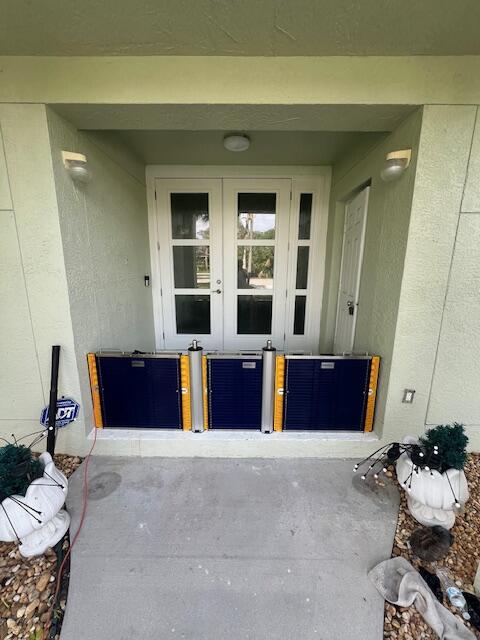
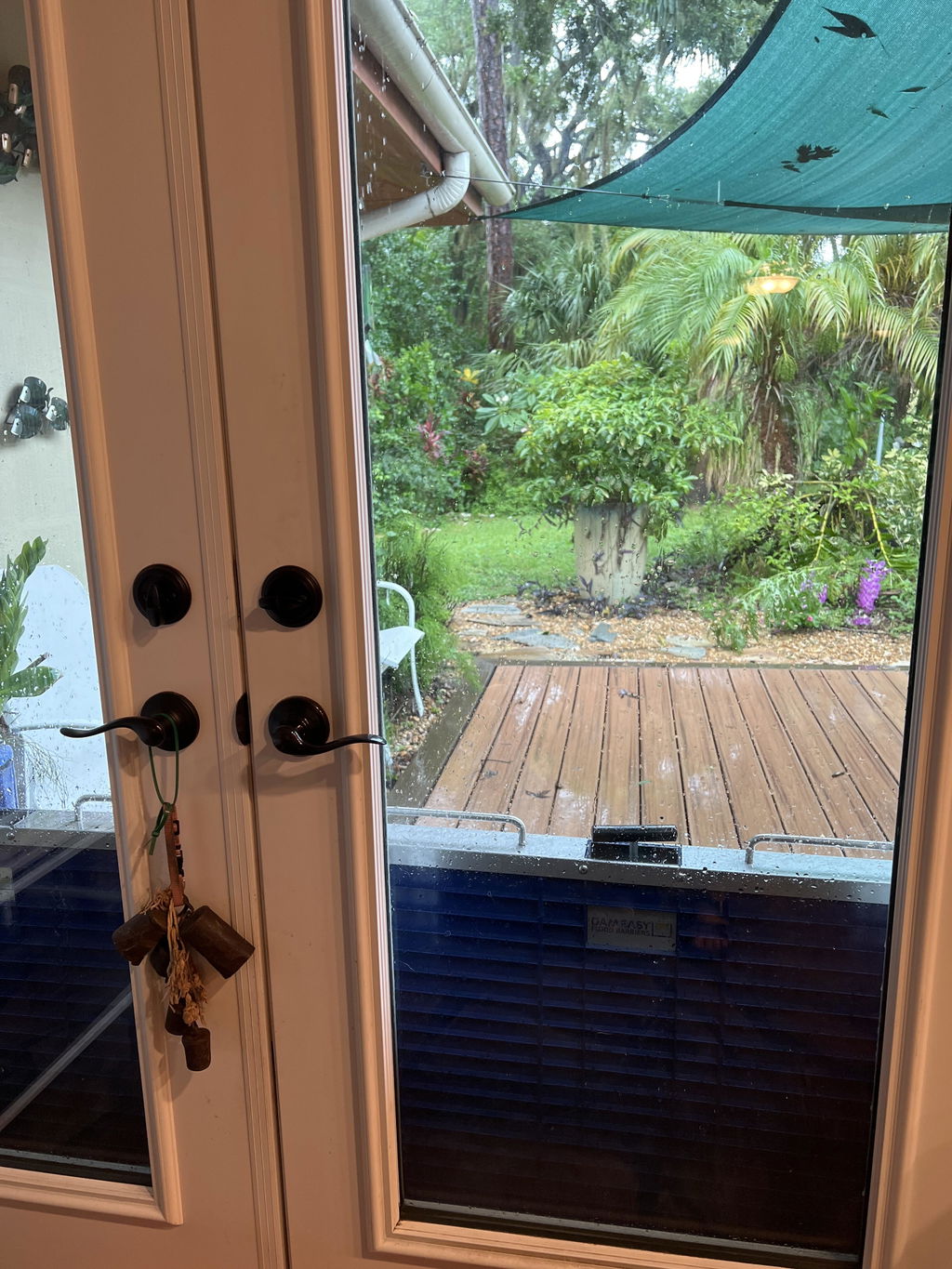
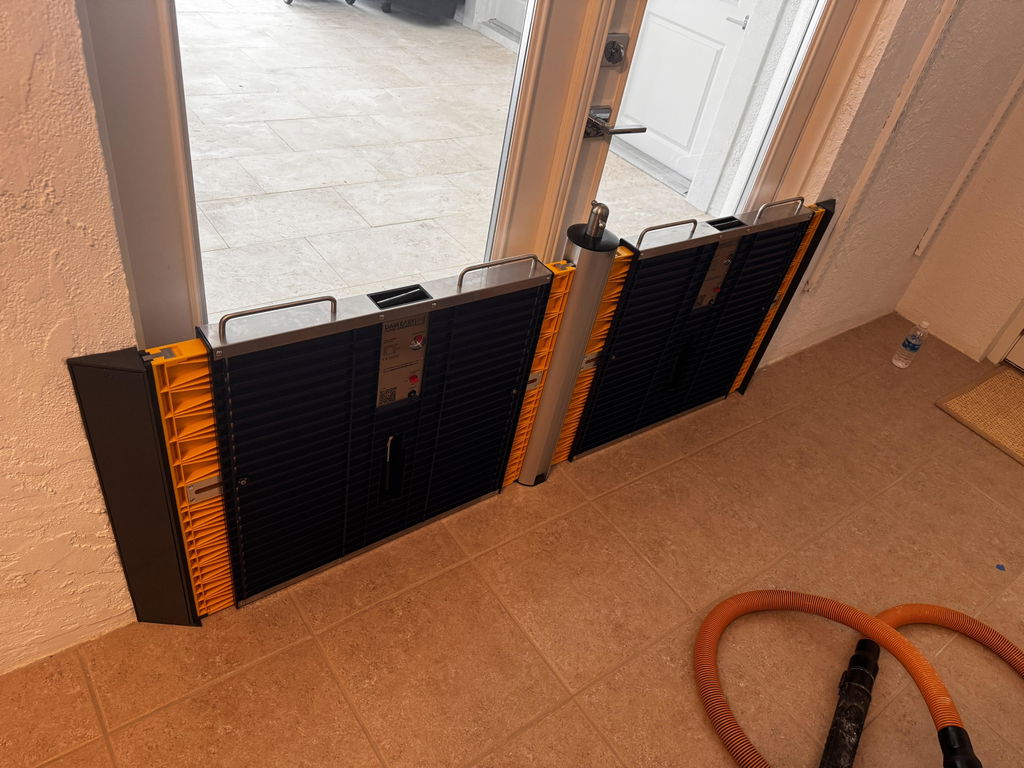
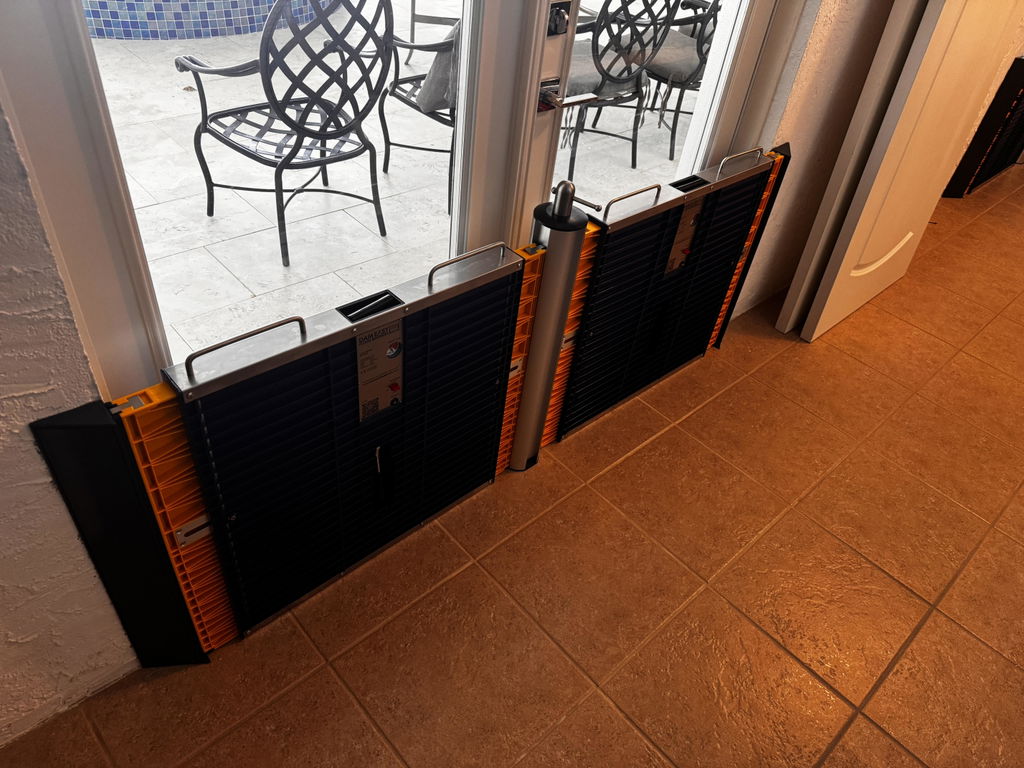
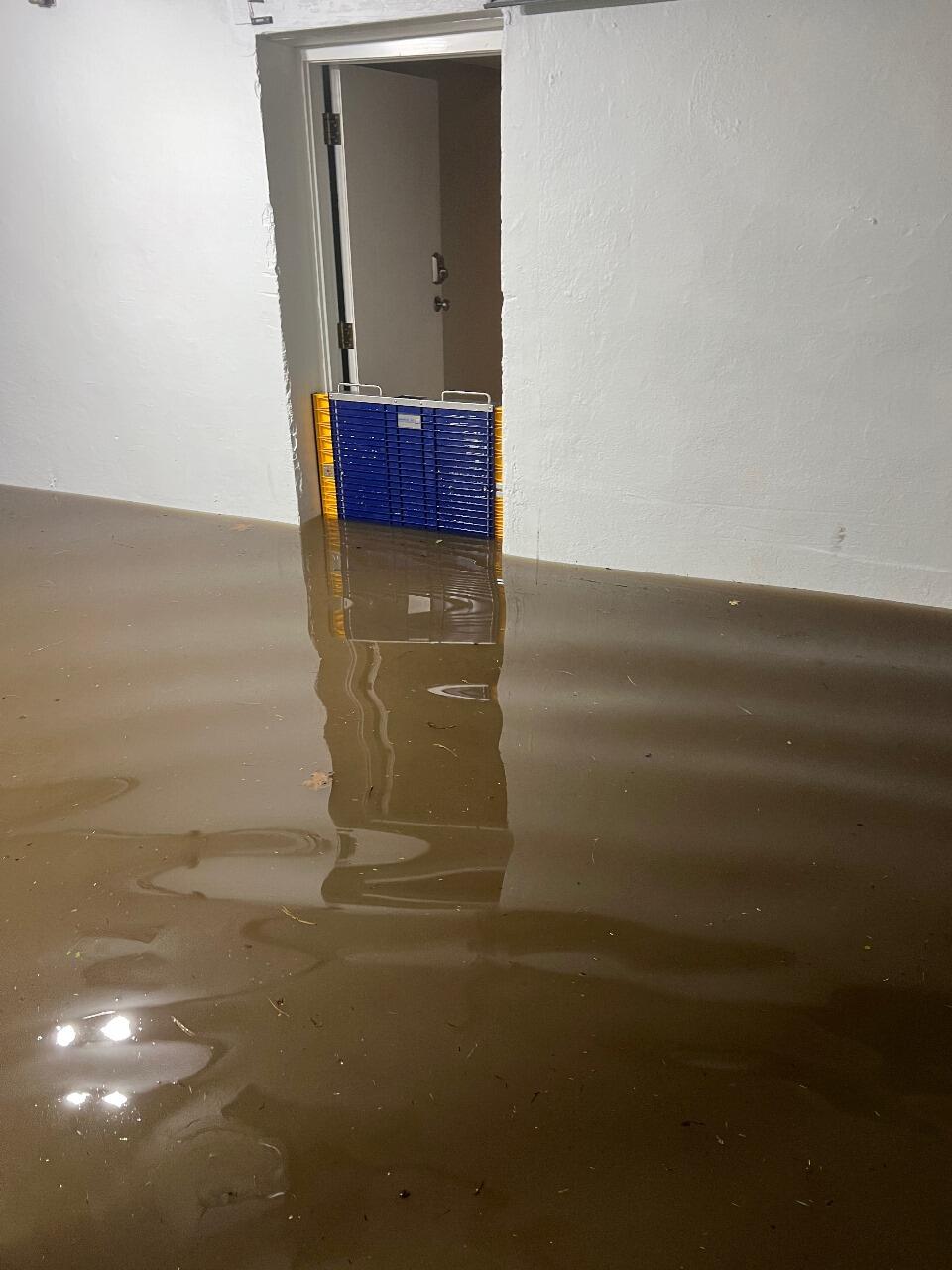
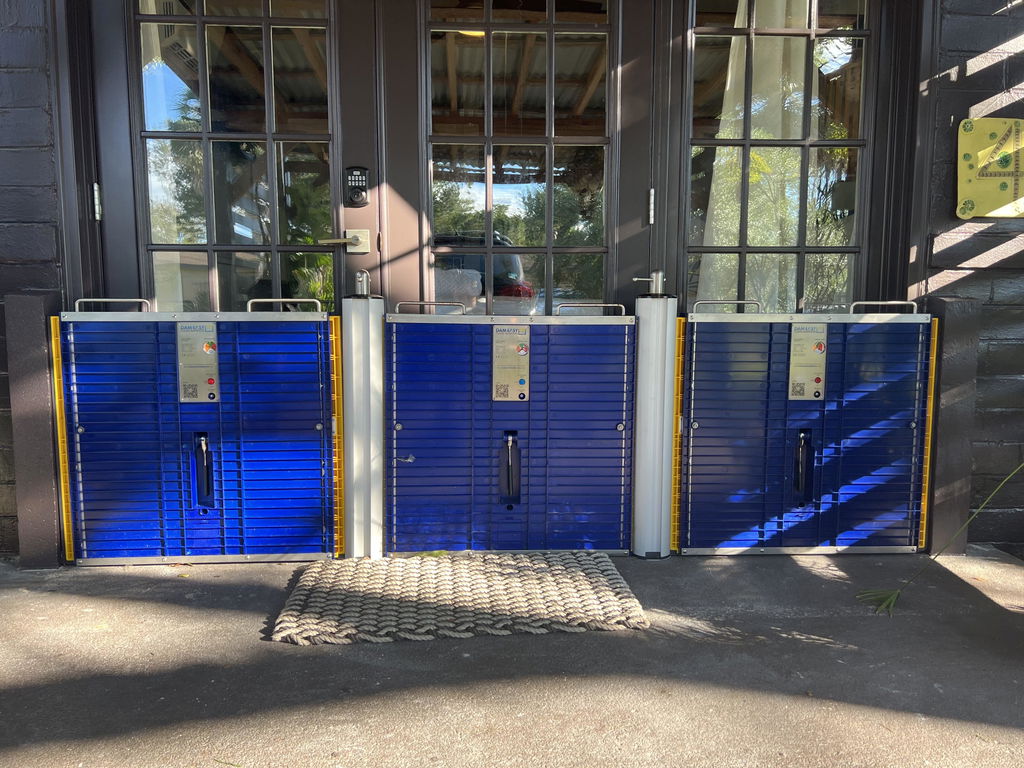
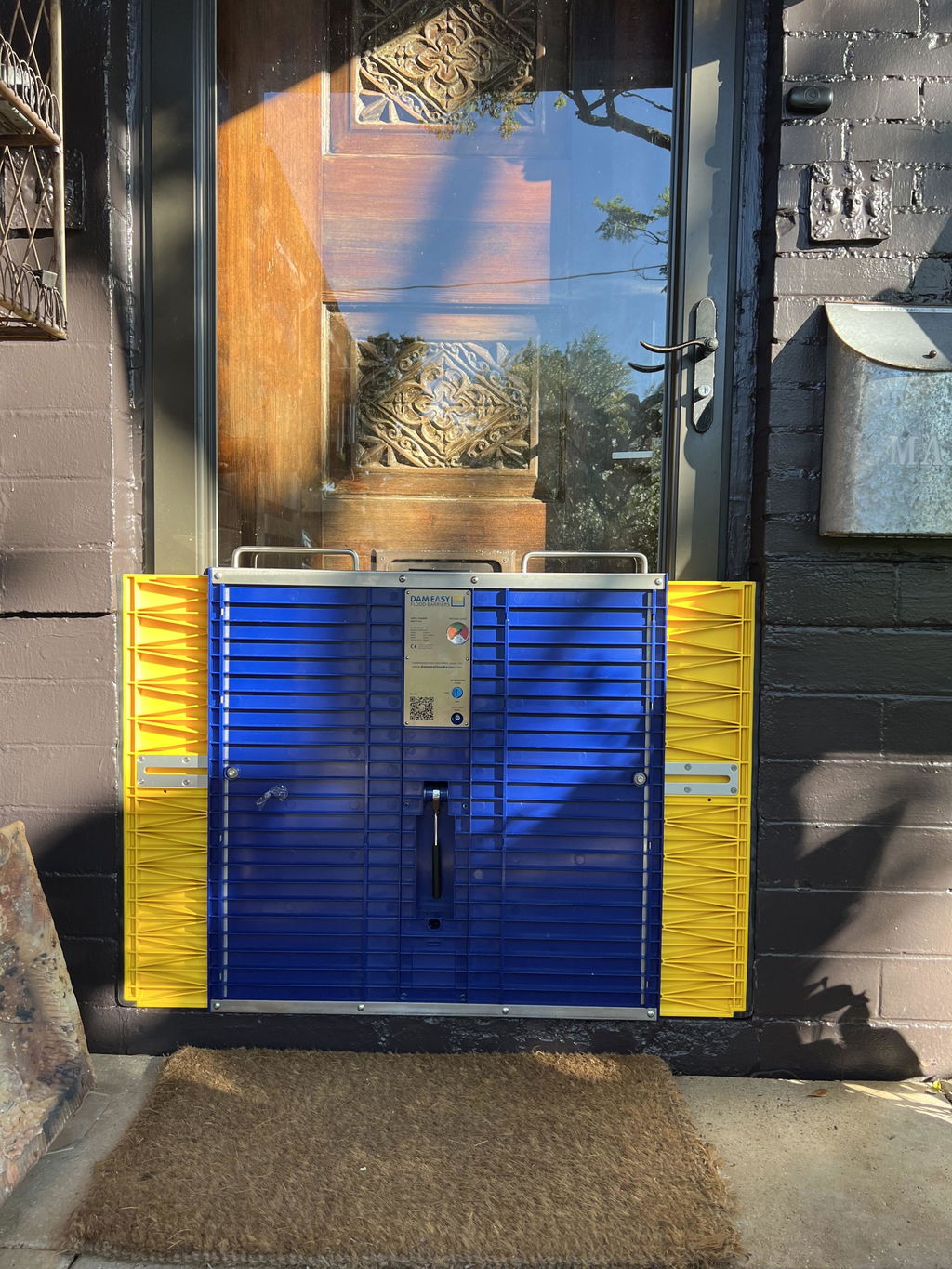
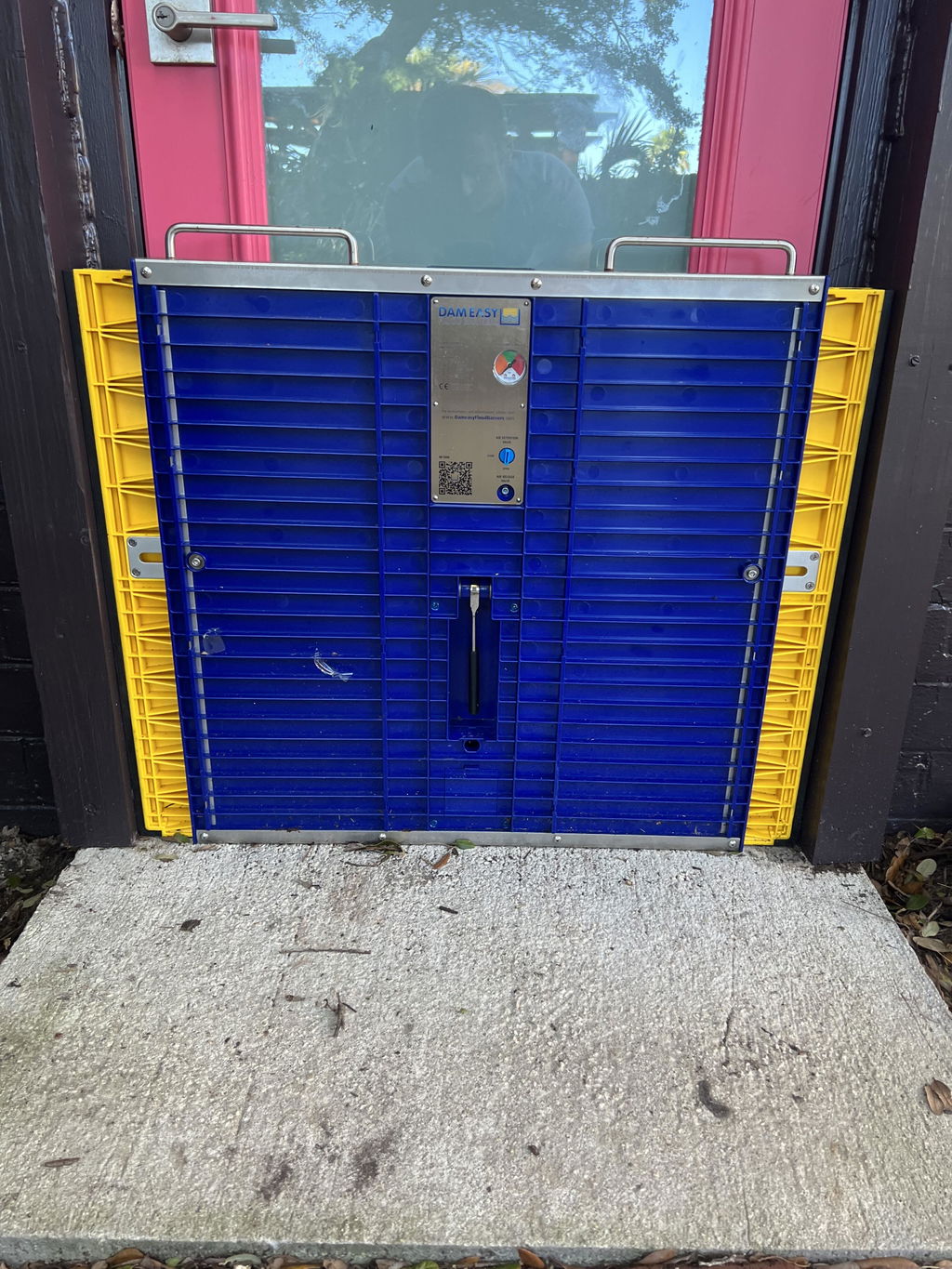
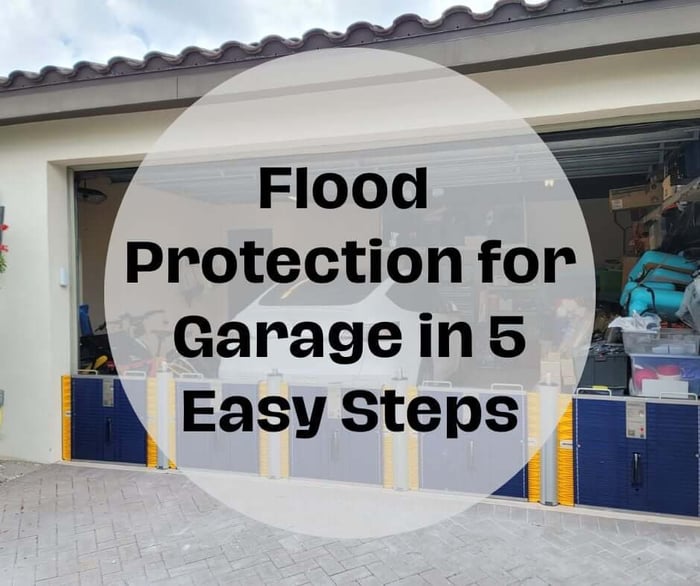
This is where a dedicated garage door flood seal is a game-changer. Unlike basic seals, these are designed to handle rising water levels. Products like the Dam Easy Flood Barrier are engineered for this exact job. It’s a portable, lightweight barrier that uses water’s own weight to create an instant seal against your garage door, forming a core part of your flood protection for garage strategy. In minutes, you can deploy a defense that holds back hundreds of pounds of water pressure. It’s perfect for residents in places like Somerset Levels, UK or New Orleans, LA, who need fast, reliable flood protection for the garage when flood warnings hit.
Action Step: Don't rely on worn-out seals. Inspect the seal on your garage door. If it’s brittle, cracked, or flattened, replace it immediately. For ultimate peace of mind, invest in a removable flood barrier kit designed for garage doors, a cornerstone of modern flood protection for garage entrances.
2. Deflect Driveway Deluges: How to Stop Driveway Runoff
Your driveway is essentially a water slide directed at your garage. How to stop driveway runoff is a critical question for sloped properties. The goal is to intercept and redirect water before it reaches your garage, a key external strategy for flood protection for the garage.
Install Channel Drains: A trench drain or channel drain across the width of your driveway entrance acts like a moat. It catches runoff and channels it to a storm drain or a safe dispersal area away from the house.
Re-grade Your Driveway: If possible, ensure your driveway slopes slightly away from the garage (at least a 2% grade). This simple change encourages water to flow toward the street or garden.
Use Swales or Berms: A shallow, grass-lined ditch (swale) or a gentle mound of earth (berm) along the side of your driveway can redirect water flow. This is a more natural solution that can blend into your landscaping.
Action Step: The next time it rains, put on a coat and watch where the water on your driveway goes. If it’s streaming toward your garage, start planning to install a drain or adjust the grading. This external work is vital for effective flood protection for garage structures.
El dique de contención de inundaciones.

€779,00
Dam easy® para evitar la inundación de la represa. Las inundaciones son cada vez más frecuentes en todo el mundo.Lo que solía ser un fenómeno centenario se ha convertido en una tendencia estacional que los propietarios deben afrontar. … Read More
3. Seal the Cracks: Apply Waterproof Sealant for Basement and Garage Walls
Your garage walls and floor, especially if attached to your house or built over a basement, can wick moisture like a sponge. Seeping groundwater causes damp, mold, and structural damage.
Applying a waterproof sealant for basement walls and garage floors is a powerful interior solution. These thick, paint-on coatings (like hydraulic cement or specialized masonry waterproofing paint) create a barrier against moisture seepage. For cracks in the concrete, use a flexible, waterproof crack injection kit. This internal sealing is a crucial component of a full flood protection for garage plan, addressing the silent seepage that can cause long-term damage.
Important: This is a supplemental defense. It manages moisture and small seeps but cannot hold back the pressure of true floodwater from the outside. Always address external drainage first as your primary flood protection for garage measure.
Action Step: Clean your garage walls and floor thoroughly. Look for cracks, efflorescence (white, powdery residue), or damp spots. Fill cracks with hydraulic cement, then apply a quality waterproofing sealant to create a seamless moisture barrier.
4. Master the Gutter and Ground Game
Often, the problem starts right above and around your garage.
Clean and Direct Gutters: Clogged gutters overflow, dumping thousands of gallons of water right next to your foundation. Clean them twice a year—especially in autumn. Ensure downspouts extend at least 1.8 metres (6 feet) away from your house, discharging onto a splash block or into a drain pipe that leads away.
Landscape for Drainage: The ground around your garage should slope away for at least 1-2 metres. Use dense, water-absorbent plants in garden beds to help soak up rain. Avoid bare soil or bark mulch right against the wall, as they trap moisture.
Action Step: This weekend, check your gutters and downspouts. Is water pooling near your garage corner? Extend those downspouts and add some soil to re-grade any spots sloping inward. Good maintenance is simple, cost-effective flood protection for your garage.
5. Prepare with Smart Storage and a Flood Plan
Sometimes, despite your best efforts, water finds a way. Be ready. The final aspect of flood protection for garage areas is smart preparedness.
Elevate Everything: Store cherished items, tools, and chemicals on heavy-duty shelving units. Keep electrical outlets and appliances off the floor.
Install a Garage Sump Pump: If your garage has a floor drain or is below ground level, a sump pump in a buried pit can automatically pump out intruding water.
Have a Flood Kit Ready: Keep sandbags (or modern, reusable alternatives), a wet/dry vacuum, mops, and towels in an easy-to-reach place. Know how to safely turn off electricity in the garage.
Your Final, Most Powerful Layer of Defense
While seals, drains, and sealants form a strong defense system, having a rapid-response solution for the main door is essential. For homeowners in Florida, USA, Norfolk, UK, or Lismore, NSW, AUS who face flash flooding, speed is everything. Investing in a dedicated, engineered solution is the ultimate flood protection for garage security.
A dedicated garage flood barrier is that final, critical layer. It’s the difference between a damp floor and a ruined car, damaged tools, and a costly insurance claim. It’s designed for real people to use in real emergencies—simple, fast, and incredibly effective, completing your strategy for total flood protection for the garage.
Don't wait for the first winter storm to test your luck. Explore our range of engineered flood barriers, designed specifically for residential flood protection for garage and door protection. Visit the Dam Easy Flood Barriers product family today to find the right solution for your home. Stay dry this winter!
FAQs
How can I improve flood protection for garage spaces?
To improve flood protection for garage areas, you must combine physical barriers with proper drainage. Start by installing an expandable flood barrier like Dam Easy across the opening and seal any foundation cracks with masonry caulk. Ensure your gutters are clear and downspouts are directed away from the garage to prevent water pooling.
What is the best waterproof sealant for basement walls and floors?
The most effective waterproof sealant for basement walls is a high-grade masonry waterproofer or hydraulic cement. These products are designed to withstand hydrostatic pressure, which is the force of water pushing against your foundation from the outside. For the best results, apply two coats to dry, clean concrete to stop seepage and dampness.
How does a garage door flood seal work to keep out water?
A garage door flood seal is a heavy-duty rubber or vinyl strip that is glued directly to the garage floor. When the door closes, it rests on top of this raised seal to create a watertight hump. This prevents heavy rain and standing water from flowing underneath the door and into your home.
Can you explain how to stop driveway runoff from entering the garage?
To learn how to stop driveway runoff, you should install a trench or channel drain across the front of the garage. This drain captures moving water and redirects it to a safe soakaway or lawn area. Additionally, using permeable pavers instead of solid concrete can help the ground absorb water before it reaches your door.
Are Dam Easy flood barriers better than sandbags?
Yes, Dam Easy barriers are superior to sandbags because they provide a 100% watertight pneumatic seal without the mess. While sandbags are heavy and often allow water to seep through the gaps, a professional barrier can be installed by one person in minutes and provides reliable flood protection for garage entries up to 60cm high.