Table of Contents
The holiday season is a time for family, warmth, and cheer—not dealing with wet carpets and ruined furniture. But for many homeowners in the USA, Australia, and the UK, December can bring a serious threat: the Christmas flood.
It might sound strange, but floods often happen around the holidays and in the middle of winter. Whether it’s heavy rain, fast-melting snow, or big storms, water can turn your festive season into a nightmare of water damage and costly repairs.
If you own property in flood-prone areas like the coastal cities of Florida (USA), the Somerset Levels (UK), or the low-lying areas of Brisbane, Queensland (Australia), you know this risk is real.
This guide from Dam Easy Flood Barriers will give you simple, clear steps to protect your home and prevent a Christmas flood, so you can focus on enjoying the holidays.
Why Does a Christmas Flood Happen?
It’s easy to think of floods only happening in the spring or during a summer hurricane. But the winter months—especially December—are a big concern.
Here are the main reasons why a Christmas flood is a yearly danger:
The Big Freeze and Thaw: In many places, the ground freezes hard in winter. If a sudden warm spell or heavy rain hits, the frozen ground can’t soak up the water. The water runs right over the top, heading straight for the lowest point—your home. This is often what caused major damage in historical winter floods, like those that hit the Pacific Northwest (USA) or regions in the UK.
Heavy Holiday Rain: Some parts of the world, like the UK and Australia, face intense winter storms and heavy rainfall around Christmas. In December 2023, storms brought major flooding and damage to eastern Australia, and the UK often deals with severe December flooding from strong coastal winds and excessive rain.
Clogged Gutters and Drains: You’re busy decorating, shopping, and cooking. Cleaning the gutters is the last thing on your mind. But blocked gutters filled with autumn leaves and debris can’t handle heavy rain or melting snow. The water spills over, pooling right next to your foundation, and eventually seeps into your house. This "human factor" makes a Christmas flood much more likely.
Worse Storms: Climate change is making winter weather more unpredictable. This means we are seeing more extreme, fast-moving storms that can drop huge amounts of water in a short time, leading to sudden and dangerous flash floods.
Flood Warning: Key Areas to Be Extra Careful
If you live in a place known for flooding, you need to be especially ready. Getting a flood warning should lead to immediate action.
Here are some of the most flood-prone residential areas that need to be ready for a Christmas flood every year:
🇺🇸 USA: Coastal and Low-Lying Regions
Coastal Florida (e.g., Fort Myers, Tampa, Miami): Storm surges and heavy rains pose a constant threat, even in winter.
New Orleans, Louisiana: Much of the city is below sea level and relies on systems that can get overwhelmed.
Coastal North Carolina (e.g., Wilmington): Areas here are highly exposed to severe winter weather and storms.
🇦🇺 Australia: Eastern States
Brisbane, Queensland: The city is built on a floodplain and is very vulnerable to the swollen Brisbane River and storm surges.
Lismore and Tweed, New South Wales: These regions have been hit by very bad floods recently.
Nicholls, Victoria (e.g., Echuca, Shepparton): Areas near the Murray River can be at high risk of river flooding.
🇬🇧 UK: River and Coastal Areas
Somerset Levels: This low-lying area is naturally prone to flooding from high tides and heavy rain.
Hull and Great Yarmouth (East Coast): Storm surges from the North Sea can push water inland.
Cumbria (Lake District): The mountainous land gets huge amounts of rainfall, leading to fast river floods.
Your Plan to Prevent a Christmas Flood
Being ready is the best way to prevent huge water damage. Here is a simple checklist to get your home ready for a potential Christmas flood.
Step 1: Fix the Small Things Now (The Quick Wins)
Don't wait until the water is rising. Spend a weekend making these small, important fixes:
Clear Your Gutters and Drains: This is the most important, simplest task. Make sure your gutters are completely free of leaves, twigs, and debris. Check that the downspouts send water at least six feet away from your home’s foundation. Also, clear any storm drains near your property of leaves and trash.
Check Your Foundation: Walk around your home and look for cracks in the cement or brickwork. Use a simple waterproof sealant to fill any gaps. Even small cracks can let in a surprising amount of water.
Inspect Your Yard’s Slope: Does your yard slope toward your house? If so, rain will be directed right at your foundation. You might need to add soil near the house to create a gentle slope away from the walls. This simple grading is a great way to divert surface water.
Know Your Flood Warning Plan: Sign up for your local emergency alert system. Knowing a flood warning 12 hours in advance gives you time to protect your valuables and set up your home flood barrier.
Step 2: Invest in a Home Flood Barrier
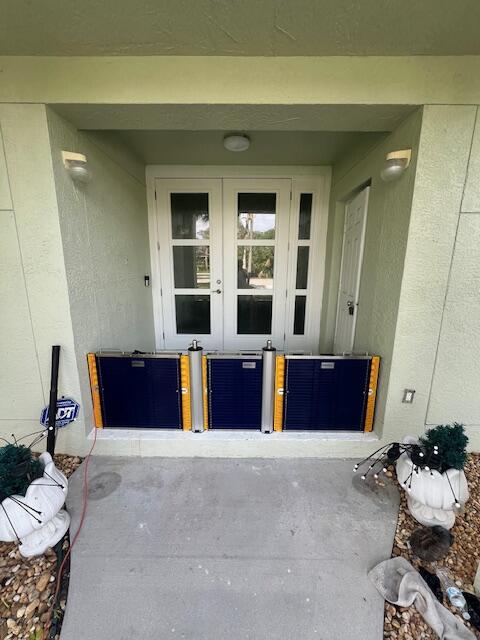
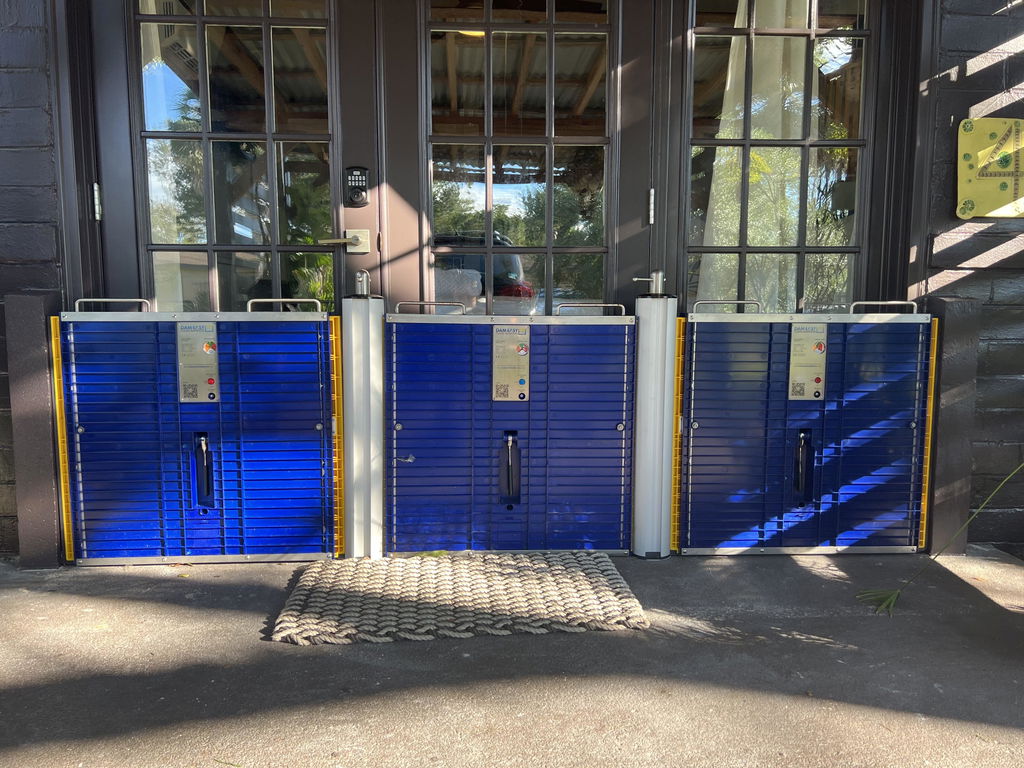
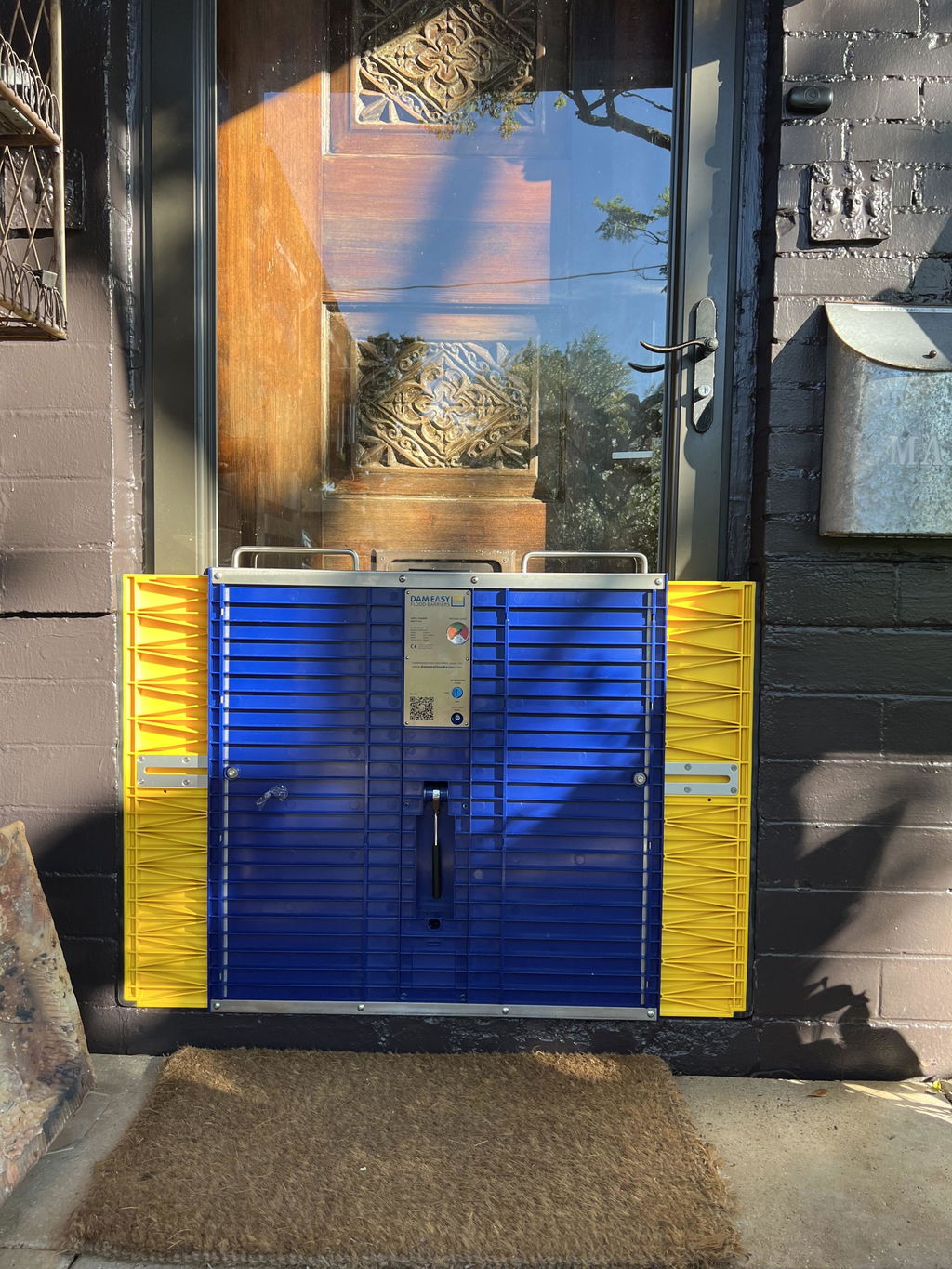
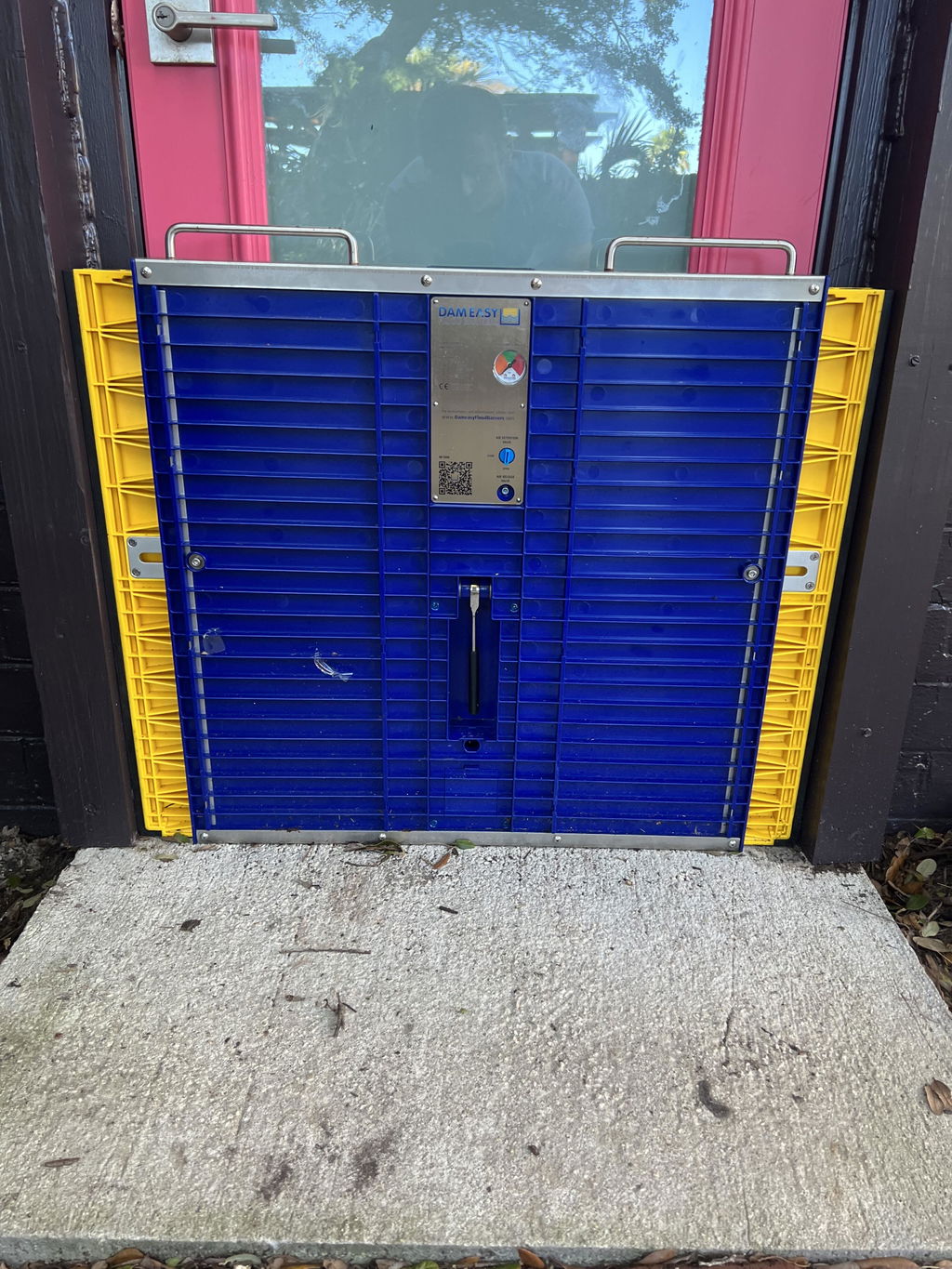
Sandbags are heavy, messy, and hard to store. They are old-school. The best, most modern way to stop a Christmas flood is with a reliable home flood barrier system, like the Dam Easy Flood Barrier.
Why Choose a Dam Easy Home Flood Barrier?
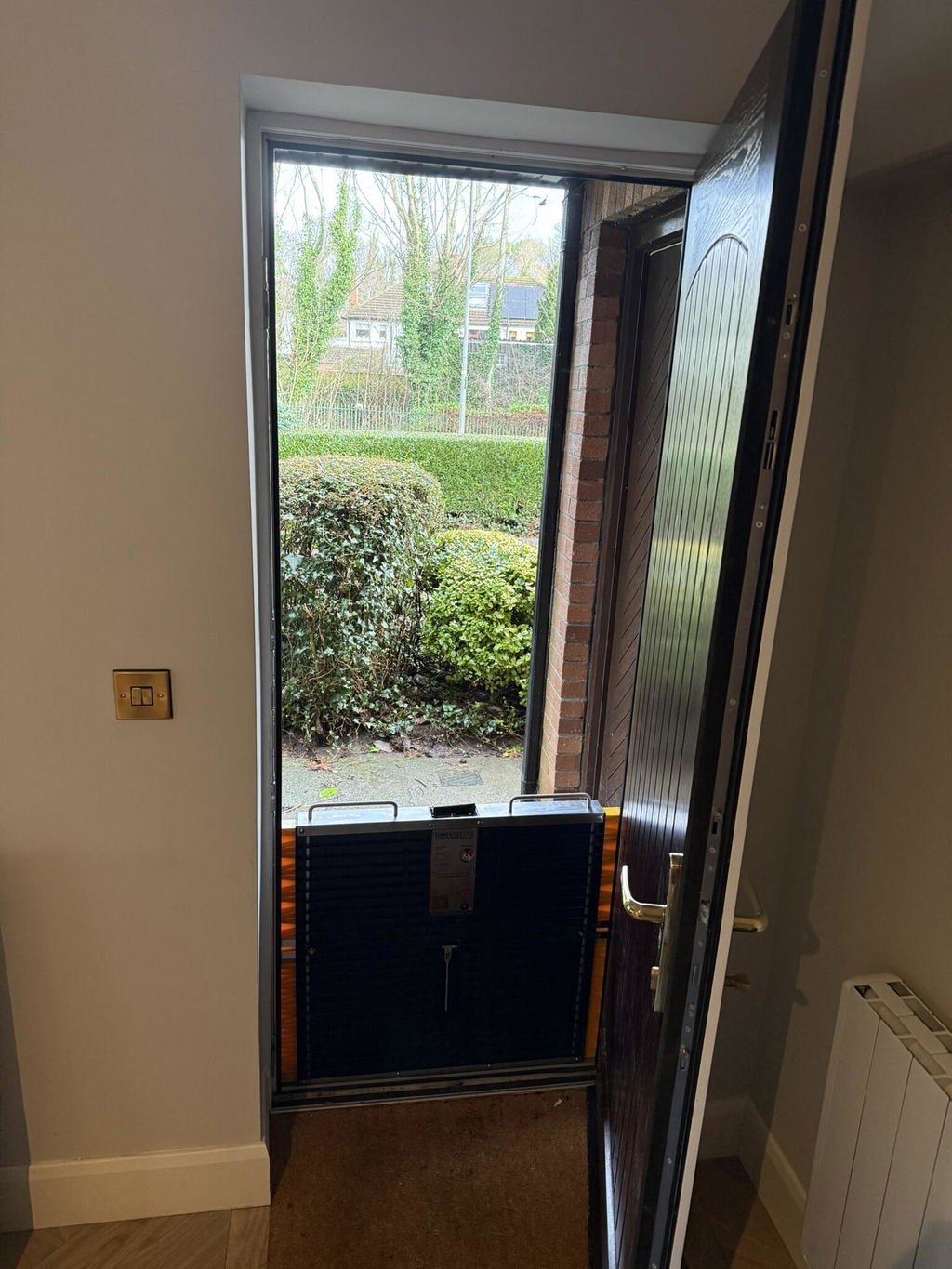
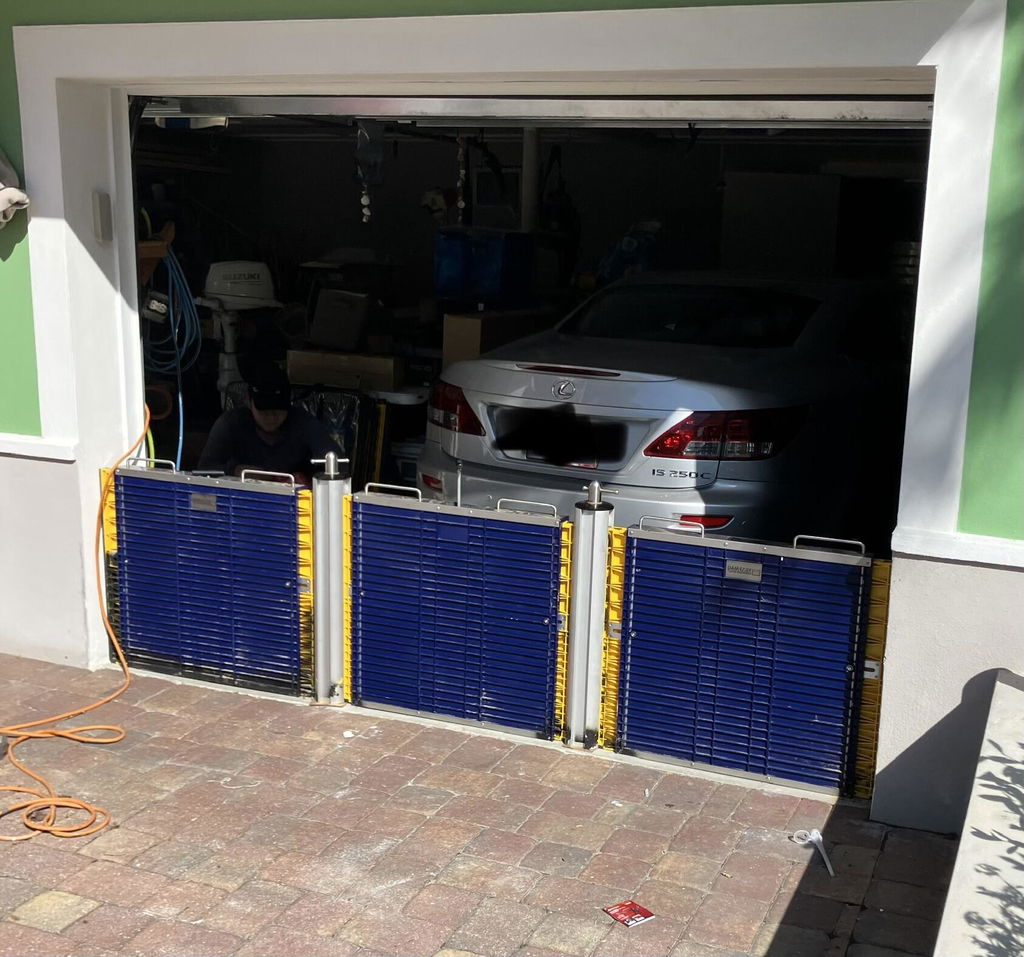
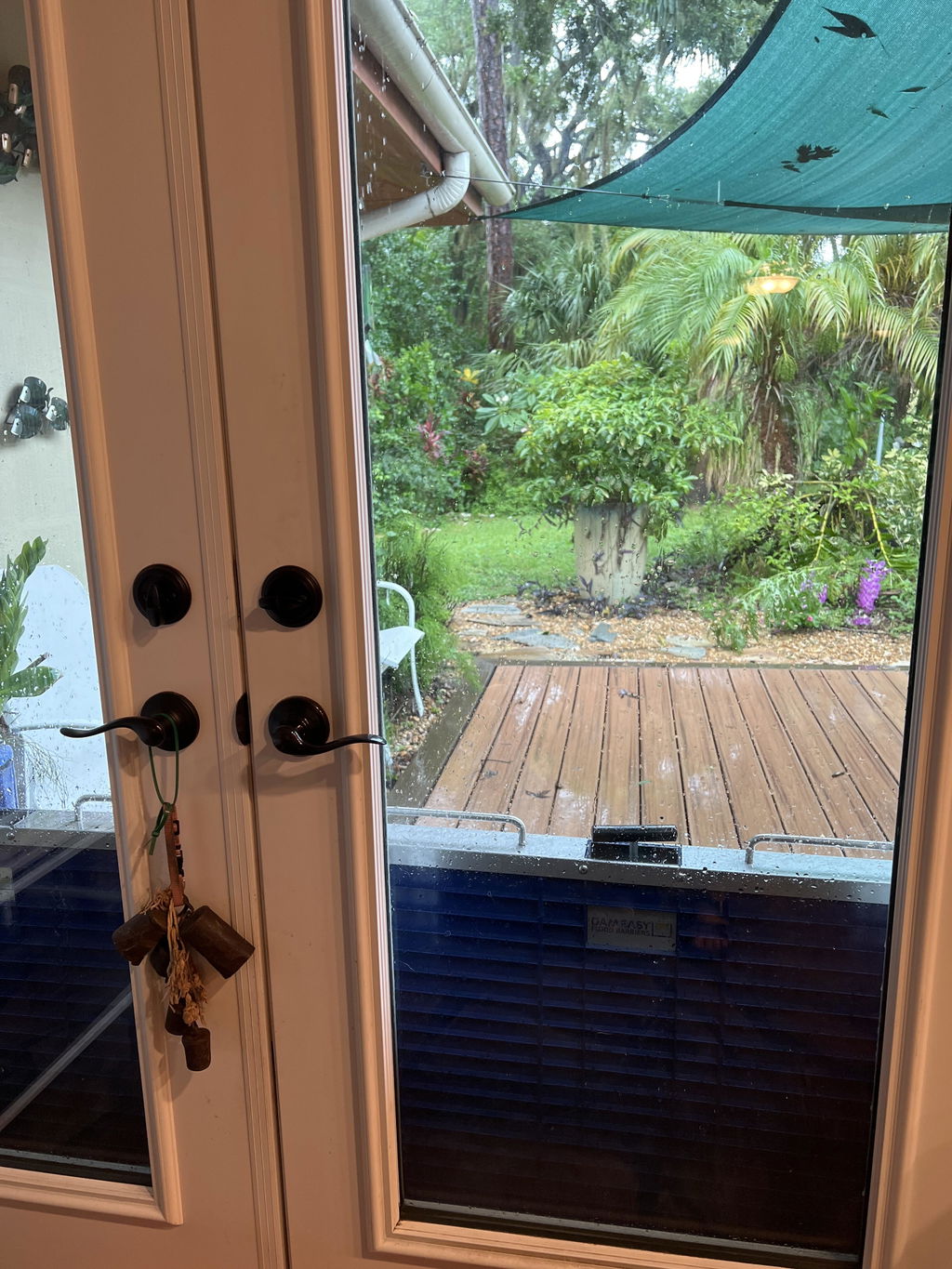
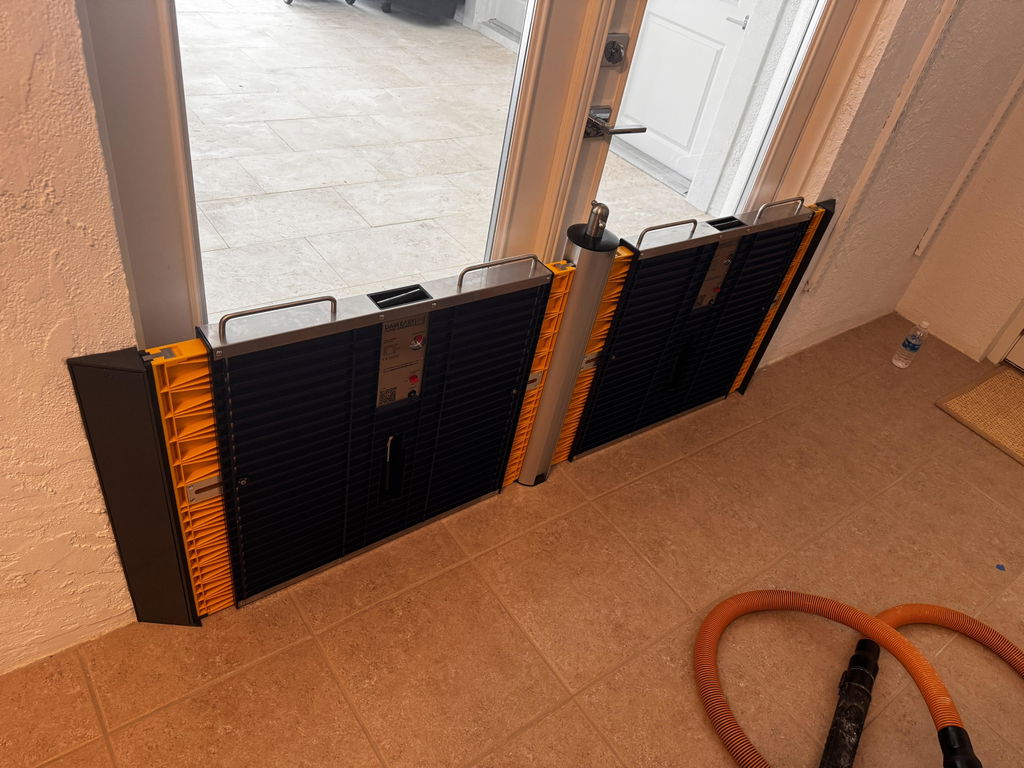
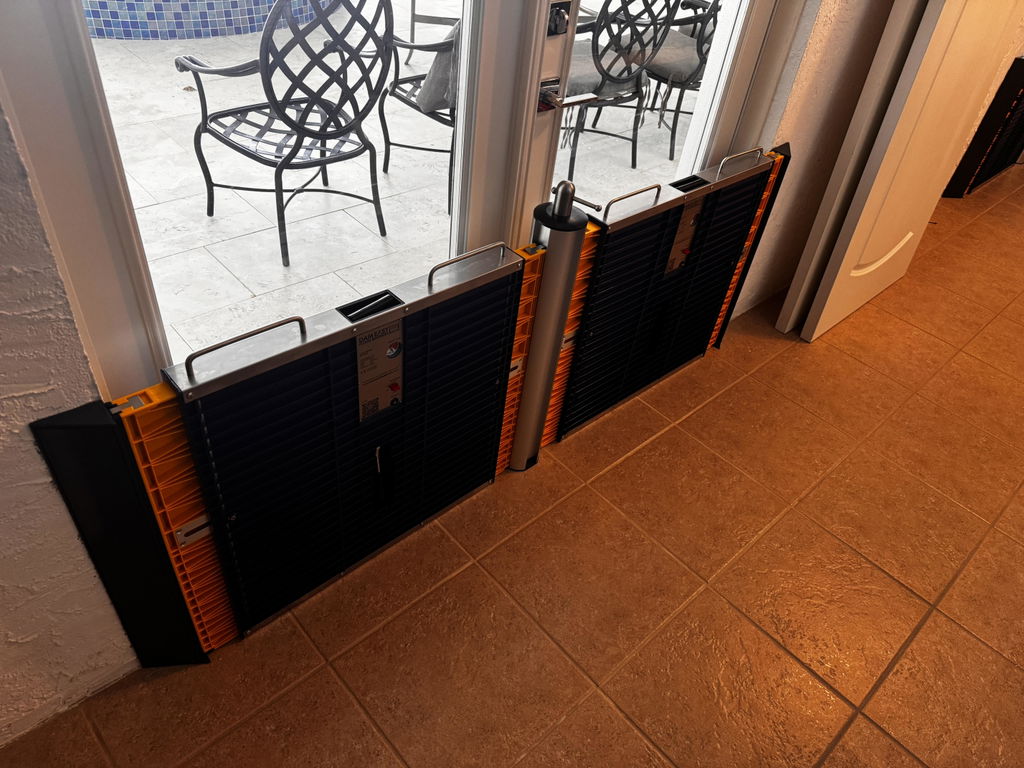
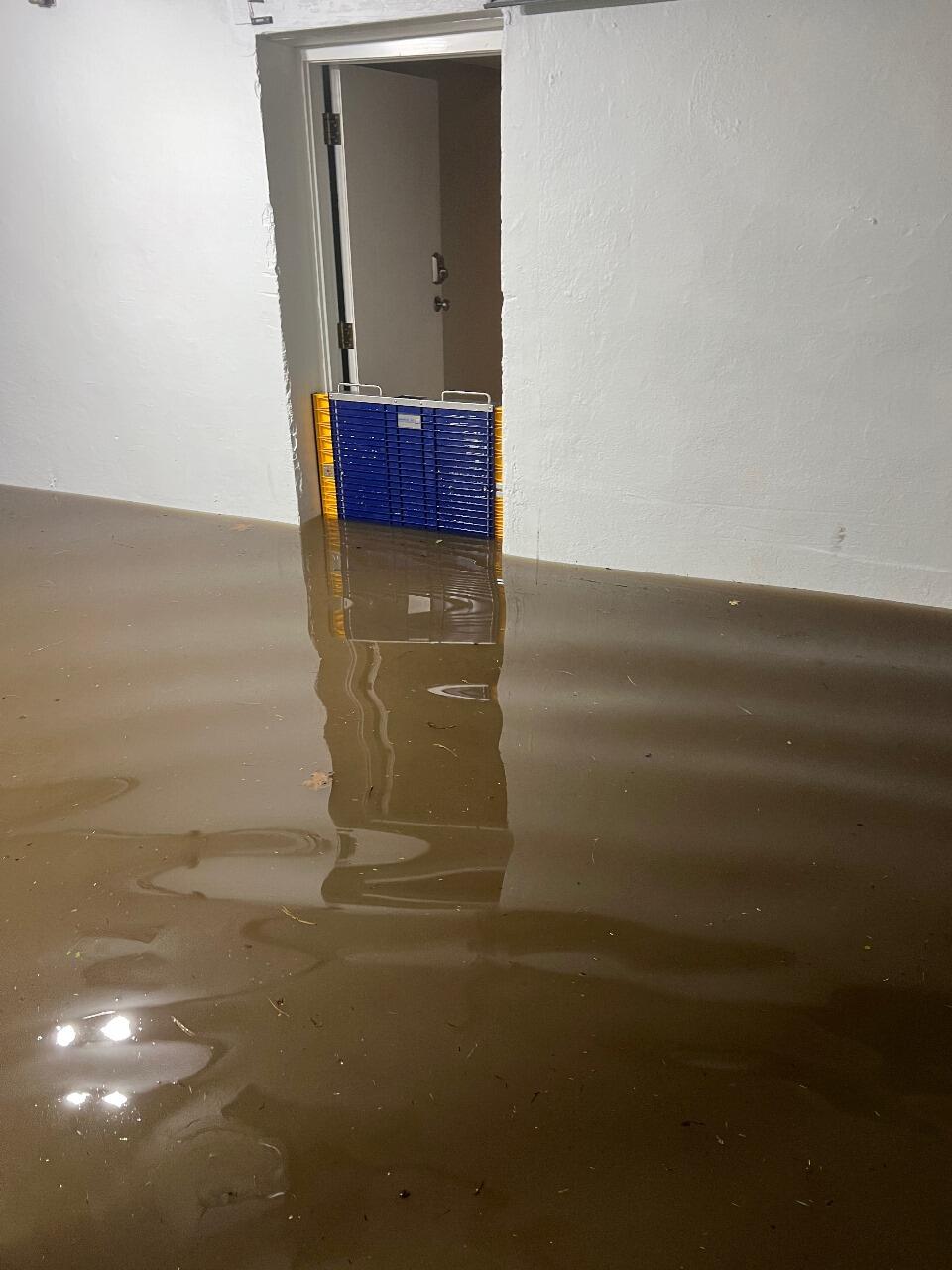
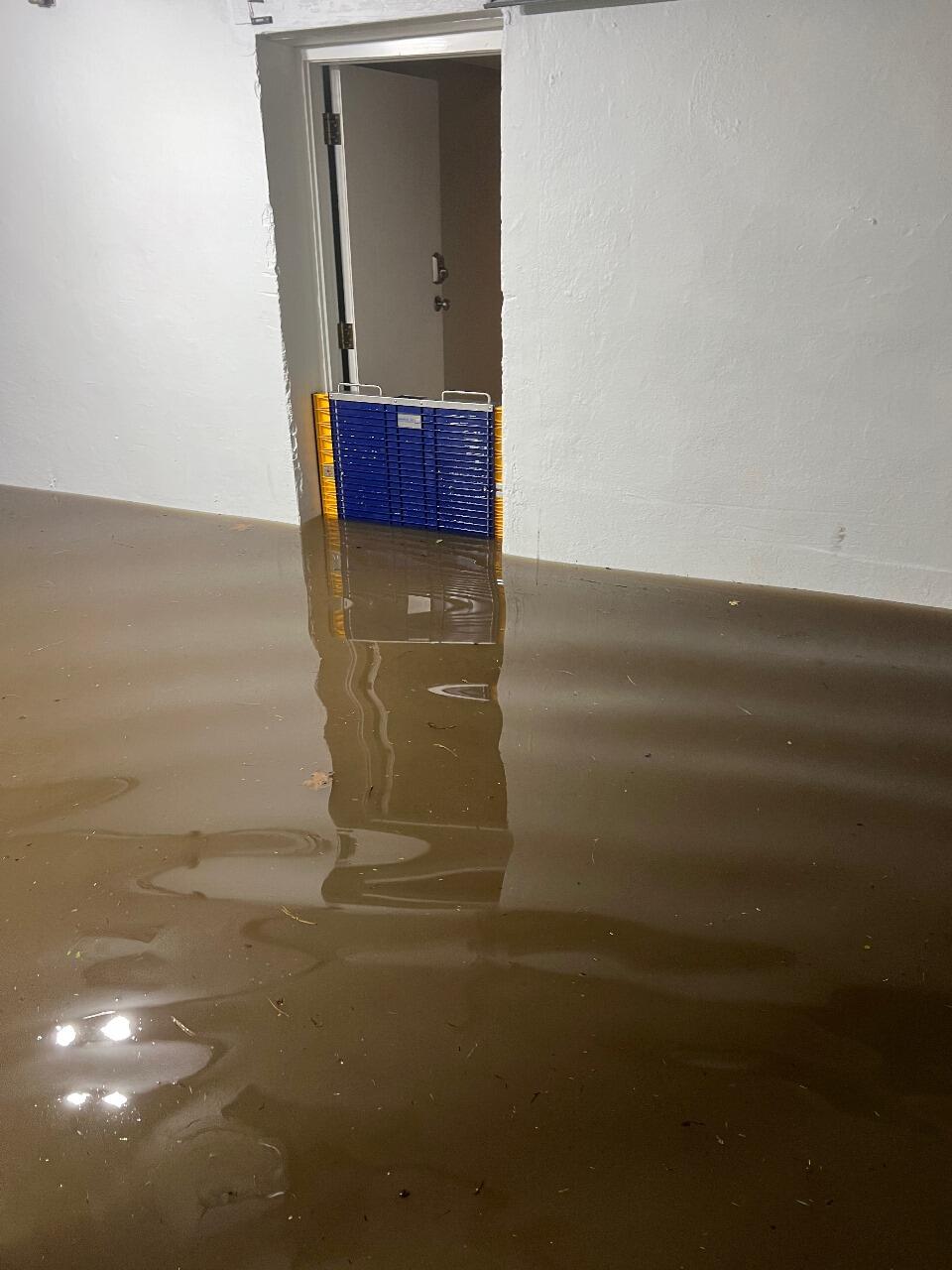
A quality home flood barrier is built to create a watertight seal in seconds, right in your doorway or garage.
Fast and Easy Setup: You don't need tools, screws, or any special training. A good barrier should be ready to go in minutes. This is critical when a fast-moving flash Christmas flood gives you very little notice.
Reusability: Unlike sandbags, a permanent home flood barrier can be used over and over again, saving you money and hassle every time a flood warning is issued.
Protecting Key Entry Points: Your doors and garage are the biggest, most vulnerable spots. Installing a strong home flood barrier in these places is the single best way to prevent huge water damage to the inside of your home.
Ultimate Flood Barrier

€779,00
Floods are becoming more common around the world. What was once a 100-year phenomenon is now a seasonal trend that homeowners must deal with. That’s EXACTLY why you need this Dam Easy Ultimate Flood Barrier! An excellent alternative to heavy… Read More
Step 3: Protect Your Valuables and Utilities
If water does get in, you want to limit the water damage to the most expensive things.
Move the Important Stuff Up: If you have a basement, move items of value (like photo albums, important papers, electronics, and keepsakes) to the highest floor of your house. If you can’t move it, wrap it in heavy-duty, sealed plastic bags.
Raise Your Utilities: The water heater, furnace, and electrical panel are usually on the ground floor or in the basement, where they are easily ruined by a Christmas flood. If possible, have a professional raise them onto concrete blocks or steel platforms above the likely flood level.
Install Backflow Valves: Flooding can push sewage water back up into your home through drains, toilets, and sinks. A simple backflow valve can prevent this disgusting type of water damage from happening.
Enjoying a Flood-Safe Holiday
A Christmas flood is a serious risk, but it doesn't have to ruin your holiday. By taking a few simple steps now, you can keep your home safe and dry, no matter what the winter weather brings.
Remember: Preparation is the difference between a minor cleanup and a complete home nightmare.
Check your local weather and news for a flood warning.
Clear your drains.
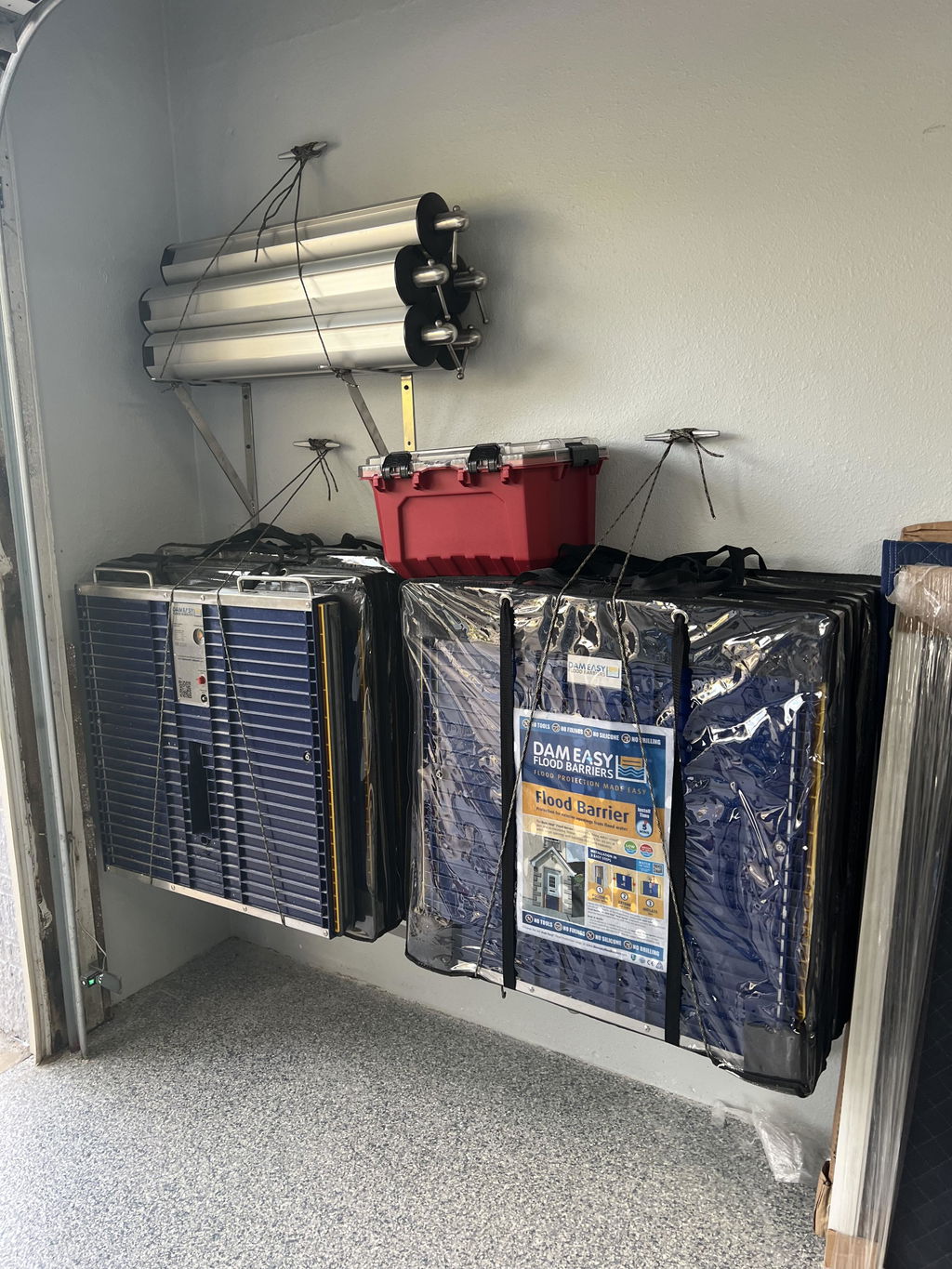
Have your Dam Easy home flood barrier stored and ready to use in under a minute.
This holiday season, give yourself and your family the gift of peace of mind. Protect your property from a Christmas flood with a smart, easy, and effective solution.
Need to Get Ready Before the Storm Hits?
The Dam Easy Flood Barrier is the quick, simple, and effective way to protect your doors and garage against a sudden Christmas flood.
Don't let a flood warning cause panic. Be ready in minutes.
Click here to find the right Dam Easy Home Flood Barrier for your home today!
FAQs
What is a christmas flood and why is my home at risk in December?
A christmas flood occurs when winter storms, heavy rain, or sudden freeze-thaw cycles cause excessive runoff that local drainage systems can't handle. Homes in areas like the Somerset Levels (UK), Brisbane (Australia), or coastal Florida (USA) are at high risk because frozen ground can't absorb water, or coastal storm surges peak, leading to severe water damage during the holiday season.
How fast can a home flood barrier be deployed when I receive a flood warning?
A modern, adjustable home flood barrier, such as the Dam Easy system, can typically be deployed and fully sealed in a doorway or garage opening in under one minute. This speed is critical because a flash flood warning often provides less than 30 minutes of notice, making quick deployment the key defense against serious water damage.
What is the most effective way to prevent costly water damage from a flash flood?
The most effective defense against water damage from a flash flood is a multi-layered approach starting with a physical barrier. Install a reliable home flood barrier system across all main entry points (doors, garages) and ensure your gutters and drains are clear. If you receive a flood warning, immediately elevate essential utilities and valuables off the ground floor.
Should I use sandbags or a home flood barrier after a flood warning?
While sandbags are traditional, a reusable, adjustable home flood barrier is generally superior because it provides a watertight seal instantly, is easier to deploy alone, and requires no messy cleanup or heavy lifting. Sandbags are often porous and can take a long time to fill and place correctly, which is not ideal when a christmas flood is approaching fast.