Table of Contents
The slow thaw of a cold winter can quickly turn into a terrifying event called a snowmelt flood. This happens when warmer weather melts a large amount of snow all at once, and the water has nowhere to go. If you own property in areas like the Northeast US, the UK Midlands, or the Australian Alps, you know that water damage caused by floods is a real and constant worry.
Whether you live in a flood-prone area like Houston, Texas, or along the Murray River in Australia, or if you simply get heavy snow and heavy rain in places like Scotland, the UK, or near the Great Lakes in the US, being prepared is the key to protecting your home.
This guide will explain what causes these kinds of floods and give you simple, easy steps to keep your home safe, especially from the quick danger of an ice jam.
What is a Snowmelt Flood and Why is it Dangerous?
When winter is very cold, the ground freezes hard. Then, when a sudden warm spell or a period of heavy rain hits, the snow melts quickly.
Frozen Ground: Because the ground is frozen solid, it can’t soak up the water from the melting snow.
Runoff: All that water runs off the surface like a massive, fast river.
Rising Water: This water rushes into nearby streams, rivers, and low-lying areas, causing water levels to rise fast and spill over.
A few inches of water in your home can cause thousands of dollars in damage, not to mention the mold and stress that come later.
The Threat of an Ice Jam
An ice jam is one of the most unpredictable and scary snowmelt flood threats that comes with the spring thaw.
What is an Ice Jam? As the ice on rivers and lakes breaks up, large pieces of ice can pile up and form a dam-like wall. This block stops the flow of water, causing the water level behind it to rise very quickly.
Why are Ice Jams Dangerous?
Rapid Flooding: Water levels can jump several feet in just a few minutes or hours. This leaves almost no time to prepare.
Unpredictable: They can break apart just as fast as they form, sending a sudden rush of water and chunks of ice downstream, which can be very damaging.
Areas with winding rivers, like parts of New England (US) or regions near the River Severn (UK), are often most at risk from this kind of severe weather event.
5 Simple Steps to Prepare Your Property
Protection starts long before the water starts to rise. Here is your easy checklist:
1. Clear Your Property's Drains and Paths
Your goal is to make sure melting snow has a clear path away from your house.
Clear Gutters and Downspouts: Make sure they are clean from leaves and ice. If water can't drain from the roof, it can freeze, form an ice dam on your roof, or spill over right next to your foundation.
Shovel Away from the Foundation: Move all snow piles at least 5 to 10 feet (1.5 to 3 meters) away from your home's foundation. Don't pile it near basement windows or doors.
Check Yard Grading: Look at the ground around your home. Does it slope away from the walls? If water pools next to your foundation, it is a huge risk. This is a common issue in many residential areas, from suburban Brisbane, Australia, to older towns in upstate New York, US.
2. Seal Your Home's Weak Spots
Water will find the smallest crack to enter your home. You need to close those easy ways in.
Foundation Cracks: Look for cracks in your basement walls or floor. Use a simple product like hydraulic cement or outdoor caulk to fill them.
Window and Door Seals: Check the seals around all basement windows and doors, including the garage entrance. If the seal is old or cracked, replace it.
3. Check and Test Your Sump Pump
If you have a basement or cellar, your sump pump is your main defense against rising groundwater.
Test It: Pour a bucket of water into the sump pit. The pump should kick on right away and pump the water out. If it doesn't, fix it or replace it immediately.
Back-Up Power: Consider a battery backup for your sump pump. If a severe weather flood causes a power outage, your pump will stop working when you need it most.
4. Know Your Snowmelt Flood Risk and Plan Ahead
Preparation means knowing when to act fast.
Monitor Local Weather: Pay close attention to sudden temperature jumps, especially after a heavy snowfall. Also watch for flood warnings issued by the local weather service (like the NOAA in the US, the Bureau of Meteorology in Australia, or the Met Office in the UK).
Prepare an Emergency Kit: Have a kit with important papers, medicine, food, water, and a battery-powered radio ready to go.
Your Final and Strongest Line of Defense: Dam Easy Flood Barriers
While clearing snow and sealing cracks are great first steps, they might not be enough when a large snowmelt flood or fast-moving ice jam hits. You need a fast, strong barrier you can trust. This is where the Dam Easy Flood Barrier comes in.
The Problem with Sandbags
For a long time, sandbags were the only option. But sandbags have many problems:
| Challenge | Sandbags | Dam Easy Barrier |
| Setup Time | Very long—needs heavy lifting, filling, and stacking. | Under 5 Minutes—tool-free, simply place and inflate. |
| Watertight Seal | Poor seal—water easily seeps through gaps between the bags. | Watertight—uses an inflatable tube to seal all sides of the door frame. |
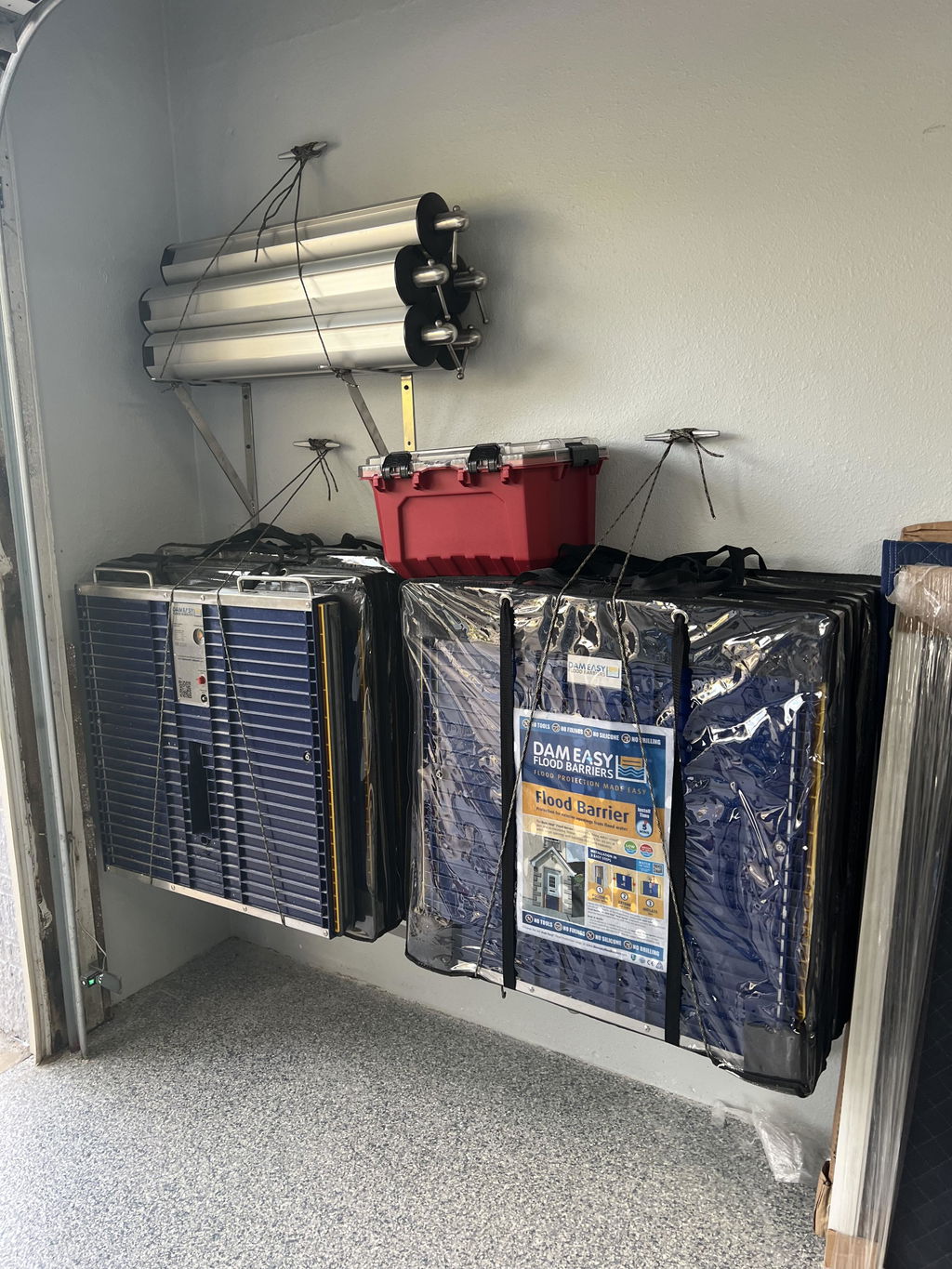
| Storage | Very bulky and heavy. | Easy to store—hangs on a wall or stacks neatly. |
| Reusability | Often ruined and contaminated after one use. | Fully Reusable for years of protection. |
How Dam Easy Protects You from a Snowmelt Flood
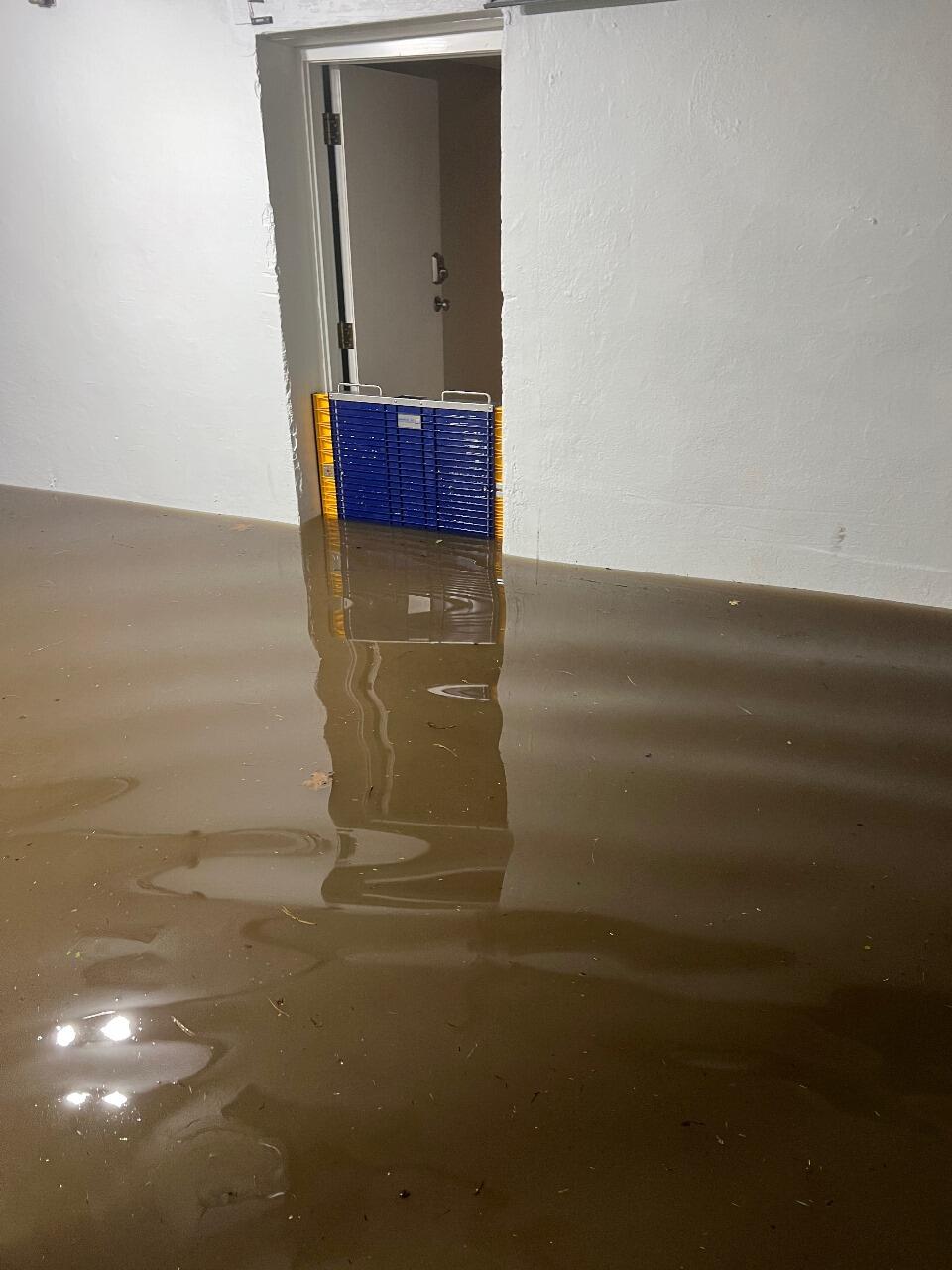
The Dam Easy Barrier is designed to be your quick, effective defense against all forms of flooding, including fast-rising snowmelt flood waters.
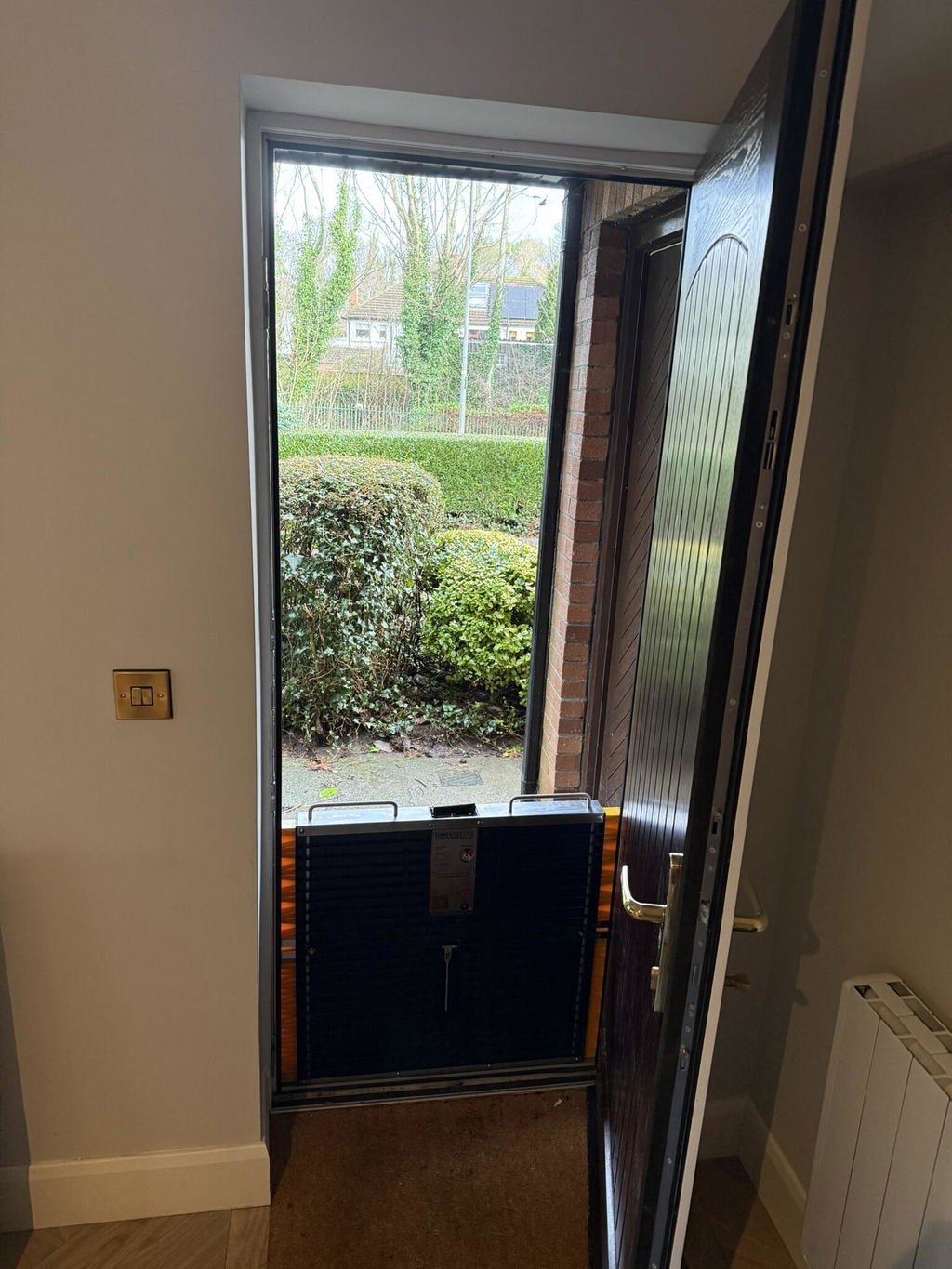
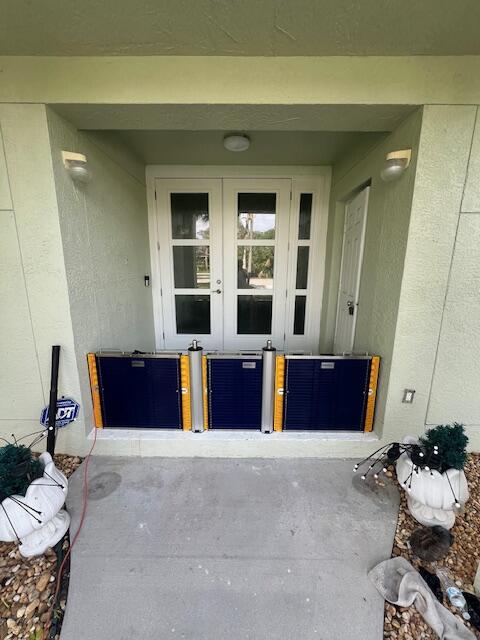
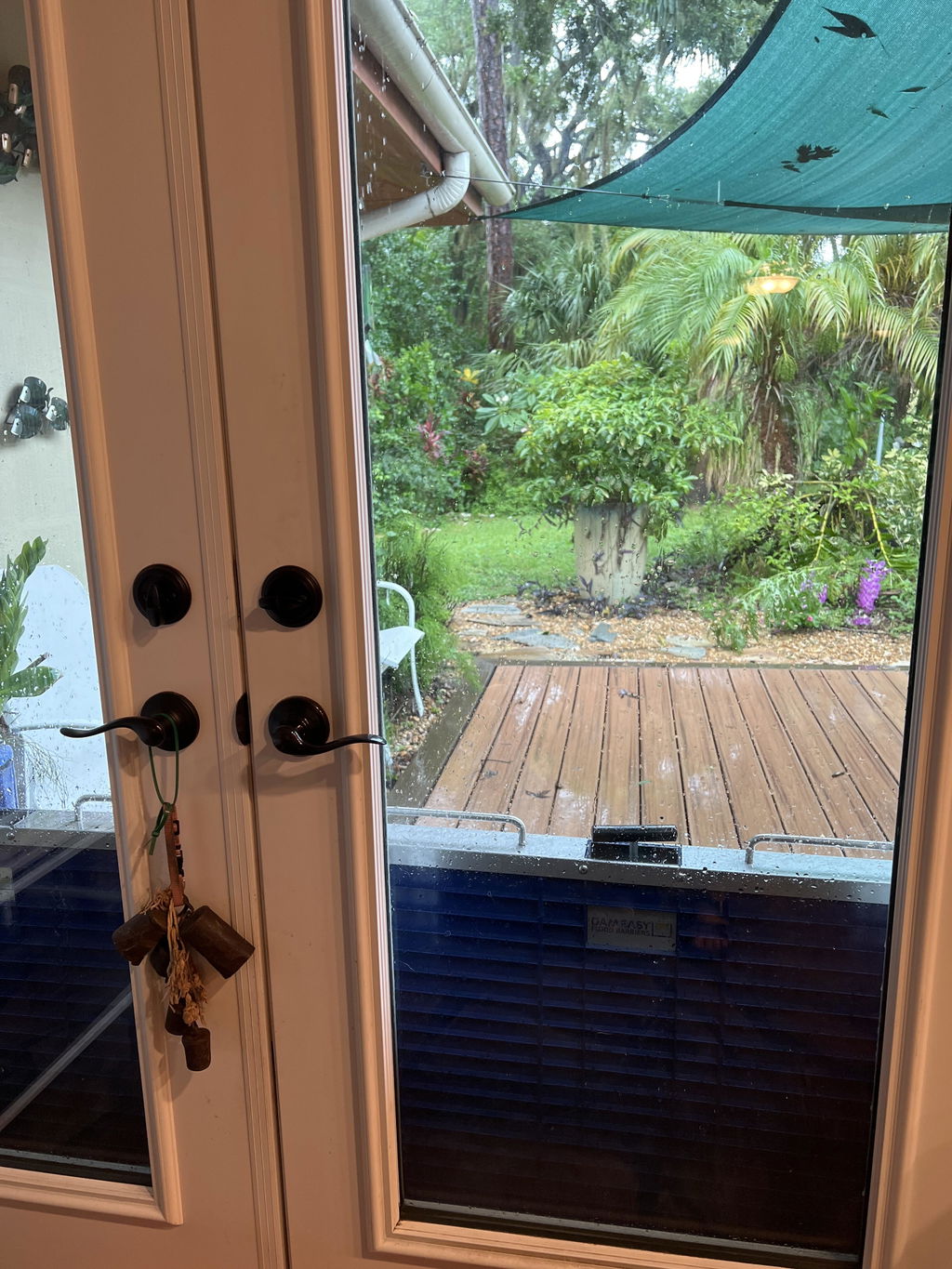
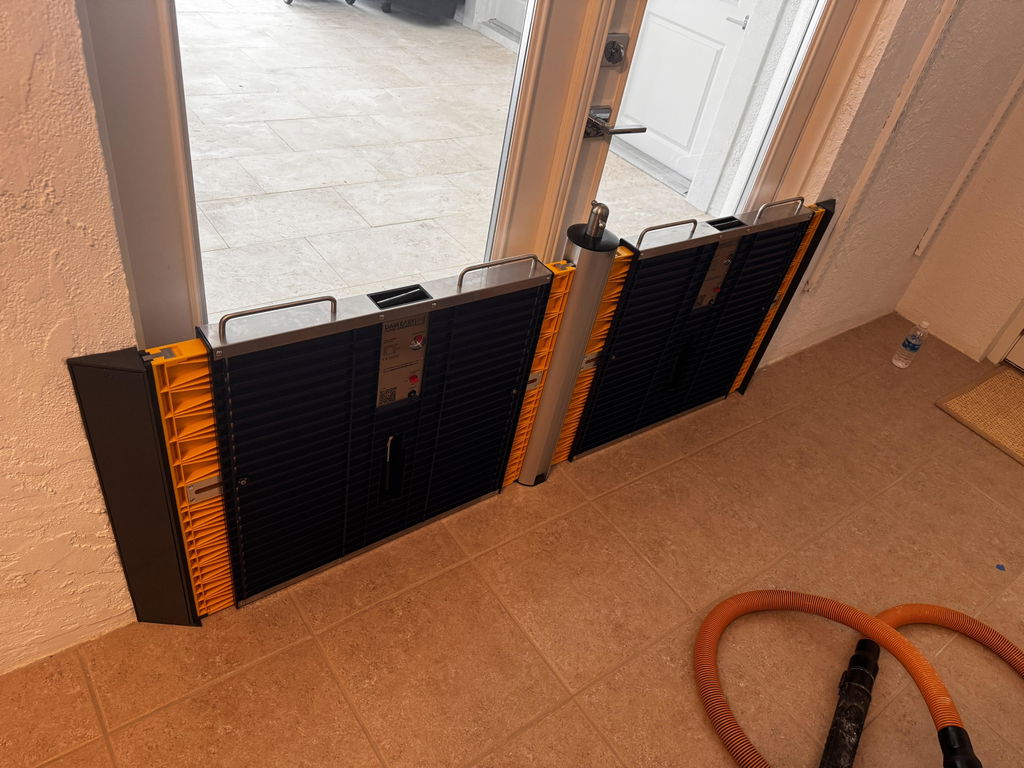
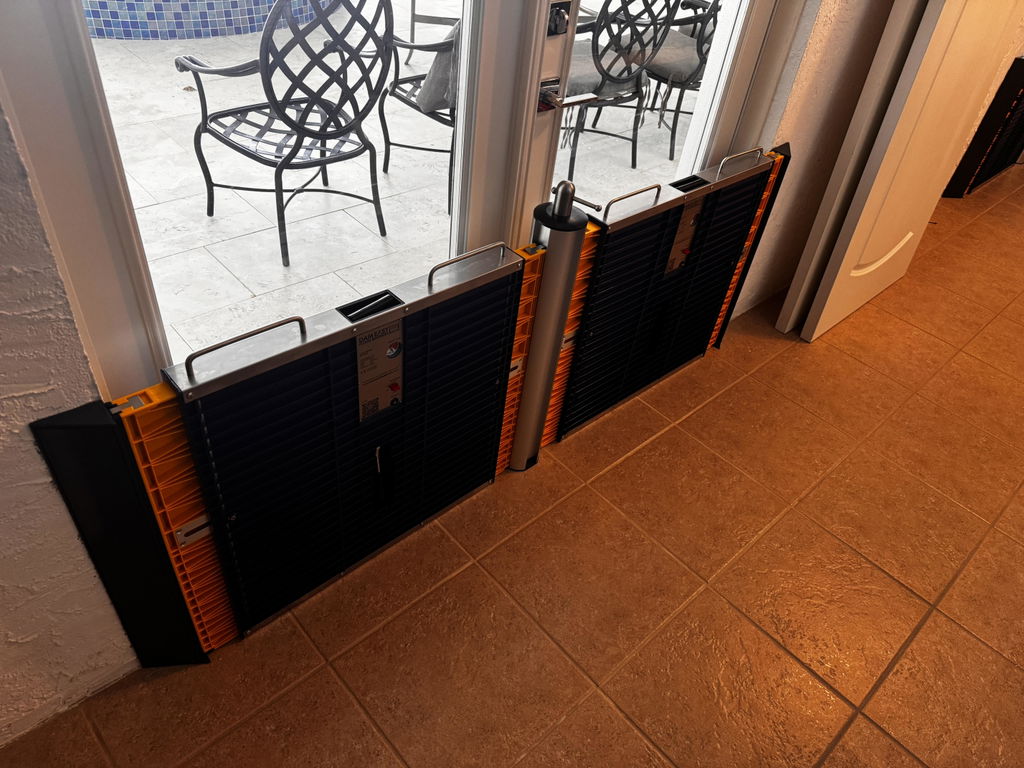
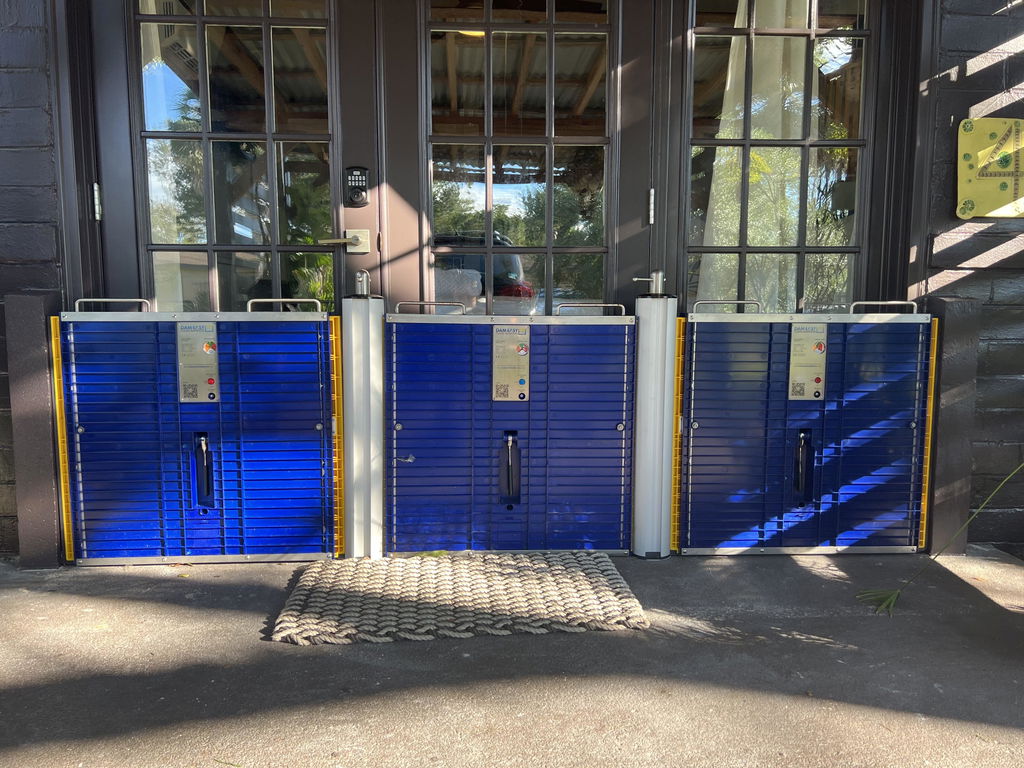
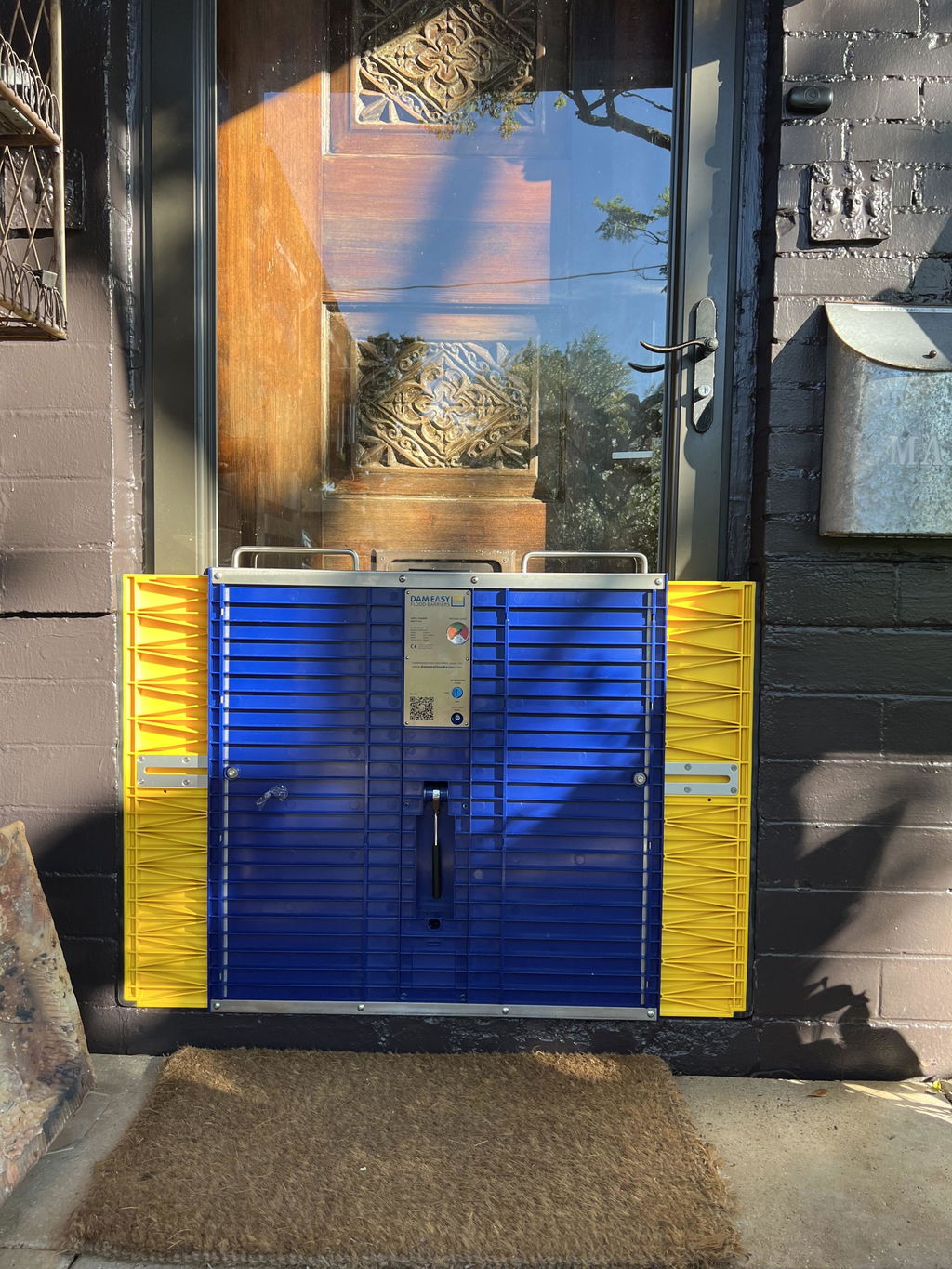
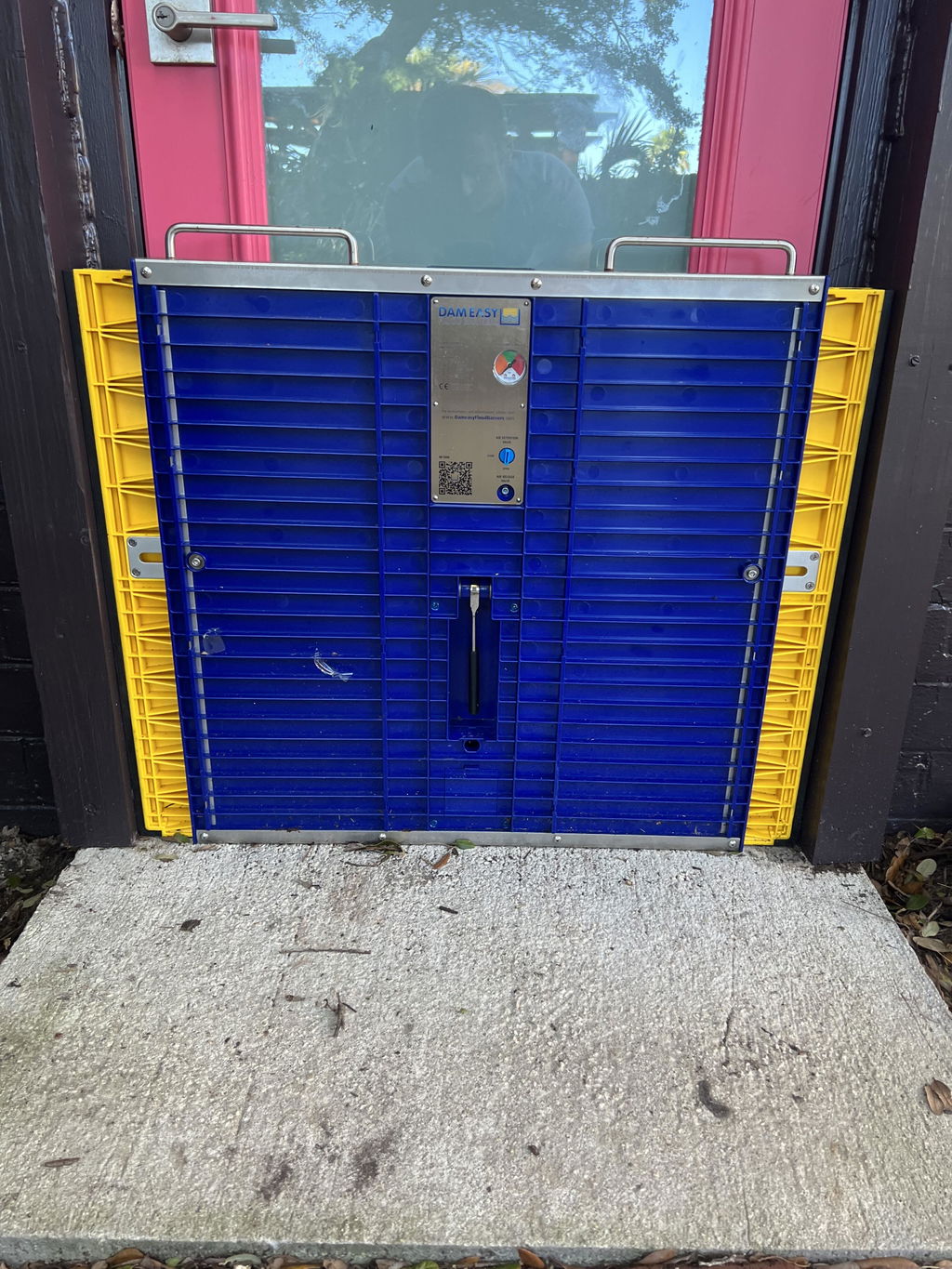
Simple Placement: You simply place the barrier inside your doorway. It fits most standard doorways (30” to 43” wide) found in homes from Tweed Heads, Australia, to Pittsburgh, Pennsylvania, US, and Bristol, UK.
Expand and Inflate: You expand the sides to meet the door frame, and then you use the built-in pump to inflate the inner tube.
The Perfect Seal: As the tube inflates, it presses tightly against the door frame. This creates a powerful, watertight seal on the top, bottom, and sides. This is a much stronger defense than sandbags, especially against water pressure caused by an ice jam breaking.
Instant Peace of Mind: In a situation where every minute counts, like during a sudden severe weather event, the 5-minute setup time is a life-saver.
Ultimate Flood Barrier

$949.00
Floods are becoming more common around the world. What was once a 100-year phenomenon is now a seasonal trend that homeowners must deal with. That’s EXACTLY why you need this Dam Easy Ultimate Flood Barrier! An excellent alternative to heavy… Read More
Protecting Your Whole Home
Dam Easy also offers solutions for other openings:
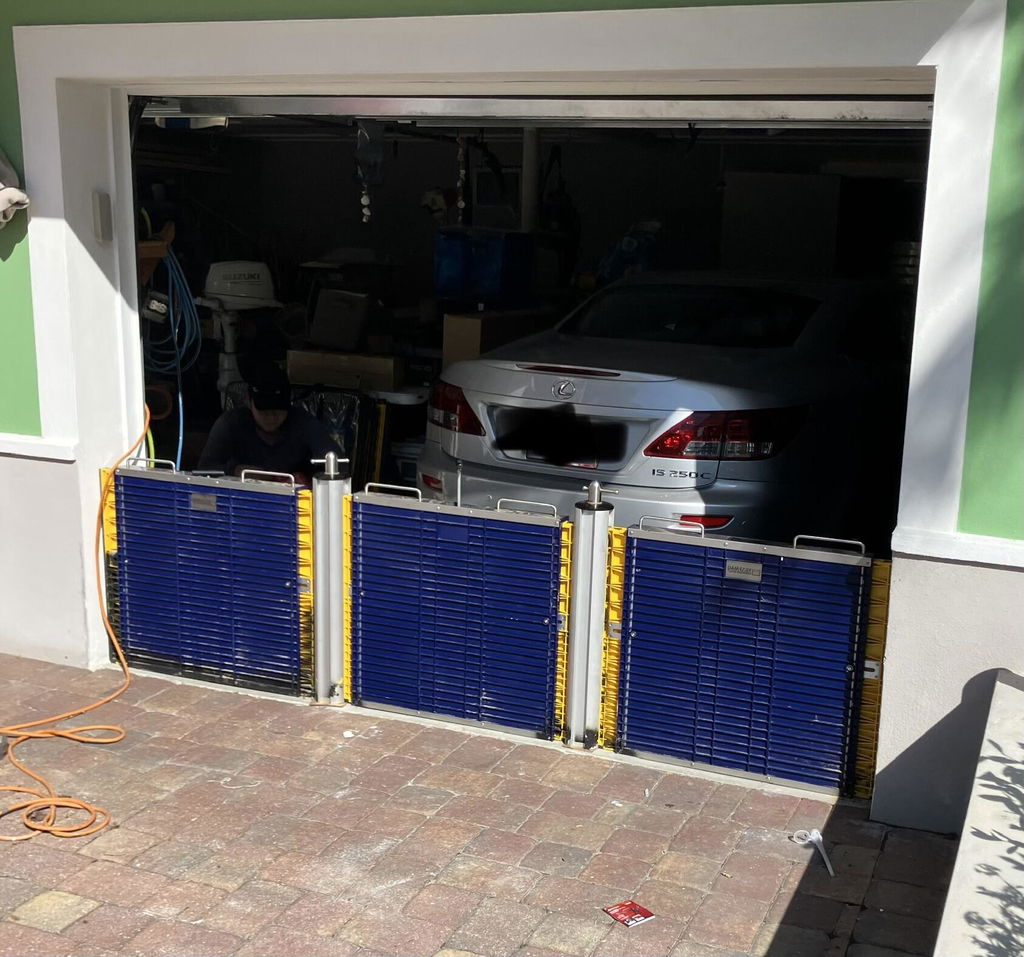
Garage Protection: The Dam Easy Barrier or TITAN system can be used to protect larger openings like garages, which are often major entry points for floodwater.
Connecting Multiple Barriers: For wider areas, like patio doors or walkways, you can connect multiple barriers together using an extension pole for a complete wall of defense.
Key Takeaways for Property Protection
Flooding from a snowmelt flood is an annual risk in many locations, especially in areas that experience heavy winter snow followed by a quick warm-up. By taking a few practical steps, you can greatly reduce the chance of costly water damage:
Manage the Snow: Clear snow and ice away from your foundation and drains.
Seal the Cracks: Use caulk and cement to close up weak spots.
Be Ready: Have a working sump pump and a plan for when severe weather warnings are issued.
Install a Dam Easy Barrier: Give yourself the fastest, most reliable final defense for your doors and openings when the water starts to rise.
Don't wait until the water is pooling at your doorstep. Take action today to protect your property and gain peace of mind for the next spring thaw.
Ready to secure your home in minutes?
FAQs
What is a snowmelt flood?
A snowmelt flood is a type of flooding caused by the rapid melting of a large amount of accumulated snow, often due to a sudden rise in temperature or an event of heavy rain. The water cannot soak into the ground, especially if the ground is frozen, causing excessive runoff into rivers and low-lying areas, leading to property flooding.
How does an ice jam cause flooding?
An ice jam causes flooding when large pieces of broken ice on a river pile up against a natural or man-made obstacle, such as a bridge or a bend in the river. This blockage acts like a dam, forcing the water level to rise rapidly upstream and causing fast, unpredictable flooding in nearby communities, even during relatively minor severe weather.
What should I do during a severe weather flood warning?
If your local authorities in areas like Houston, Texas, or the UK Midlands issue a severe weather flood warning, you should take immediate action. Move family, pets, vehicles, and valuables to the highest level of your home or to higher ground. Turn off your utilities (gas, electricity, water) if safe to do so, and quickly deploy any personal flood protection like Dam Easy Flood Barriers at doorways.
Is heavy rain dangerous when there is already a lot of snow on the ground?
Yes, heavy rain on top of a snowpack is extremely dangerous. The rainwater does not melt the snow completely; instead, it soaks into the snow, making it much heavier and increasing the total volume of water running off. This combination can lead to quick snowmelt flood conditions and puts dangerous strain on roofs and local drainage systems.
What is the fastest way to protect a doorway from a sudden snowmelt flood?
The fastest and most reliable way to protect a doorway from a sudden snowmelt flood is by using a specialized flood barrier, such as the Dam Easy Barrier. Unlike sandbags, which take time and heavy effort to fill and place, the Dam Easy Barrier can be installed and inflated in under five minutes to create a watertight seal in your door frame.
Can I use sandbags to stop ice jam floodwaters?
While sandbags offer some protection, they are often unreliable against the rapid rise and pressure of ice jam floodwaters. The water can easily seep through the gaps between bags. A reusable, door-sealing product like the Dam Easy Barrier provides a much stronger, watertight defense against the high pressure and quick action of an ice jam flood.
Which parts of my property are most at risk during a snowmelt flood event?
The most at-risk areas of your property during a snowmelt flood are your basement, cellar, and ground-level entry points (doors and windows). These areas are vulnerable because the frozen ground cannot absorb the runoff, forcing the water to flow toward the lowest points near your foundation, leading to seepage and significant water damage.